14-Day All-Inclusive Holiday in Mexico with Flights
A 14-day all-inclusive holiday in Mexico with flights bundled together can turn a complicated travel plan into something far easier to budget, book, and enjoy. For couples, families, and first-time long-haul travelers, the format removes much of the guesswork around meals, airport transfers, and daily costs. Mexico also offers unusual variety, from Caribbean beaches to Pacific sunsets and colonial day trips, so one package can suit very different travel styles. This guide breaks down how to choose, compare, and make the most of a two-week stay without paying for extras you do not need.
1. Why a 14-Day All-Inclusive Package Makes Sense and What This Guide Covers
A two-week holiday in Mexico sits in a sweet spot between a quick beach break and a long, complicated tour. Seven nights can feel short once you factor in airport time, possible layovers, check-in formalities, and the natural temptation to spend the first day slowing down rather than sprinting into activities. Fourteen days gives travelers room to settle into the climate, enjoy the resort properly, take a few off-property excursions, and still leave time for those lazy afternoons when the only real decision is pool or sea. When flights are included, the trip becomes even easier to compare because one large moving part is already built into the package.
An all-inclusive holiday usually covers accommodation, meals, snacks, many drinks, and a selection of on-site entertainment. In many cases, airport transfers are included too, though that should always be confirmed before payment. The biggest advantage is predictability. Instead of tracking every lunch, taxi, and evening drink, travelers can estimate the majority of their spending in advance. That is especially useful for families, groups, and anyone who prefers clarity over surprises.
This topic matters because Mexico remains one of the most versatile long-haul package destinations in the market. It offers beach resorts, archaeological sites, wildlife excursions, water sports, and access to local culture in one trip. A well-chosen package can therefore serve very different priorities at once: rest, value, convenience, and variety.
Here is the practical outline for the rest of the article:
• how package holidays are structured and what a two-week stay really offers
• how to compare Mexico’s main resort areas and match them to your travel style
• how flights, budgeting, timing, and hidden costs affect overall value
• what daily life at an all-inclusive resort is actually like, including food, activities, and excursions
• how to shape a realistic 14-day plan that balances downtime with discovery
Think of the package as a framework rather than a cage. The hotel takes care of the basics, while Mexico provides the texture: bright markets, warm evenings, reef trips, jungle parks, mariachi drifting through a plaza, and the sort of sunsets that make people put their phones down for a minute. A strong holiday package does not eliminate choice; it clears space for better choices.
2. Choosing the Right Part of Mexico: Caribbean Calm, Pacific Drama, or a Balanced Mix
The first major decision is not the hotel but the region. Mexico is a large country, and a 14-day holiday feels very different depending on whether you stay on the Caribbean side, the Pacific coast, or the Baja peninsula. Each area has its own rhythm, scenery, and strengths. Picking the right base often matters more than choosing between two similar resorts.
Cancun and the Riviera Maya are the classic choices for many all-inclusive packages. They are popular for good reason. The Caribbean coastline is known for lighter-colored sand, warm turquoise water, broad resort choice, and easy access to famous day trips such as Tulum, Chichen Itza, cenotes, and ferry links toward Cozumel or Isla Mujeres. For travelers who imagine Mexico as a palette of blue sea and bright white beaches, this region usually matches the picture in their head. Families often like the amount of resort infrastructure here, while first-time visitors appreciate the dense selection of tours and transfer options.
Puerto Vallarta and Riviera Nayarit offer a different mood. The Pacific side feels more rugged and atmospheric, with golden beaches, dramatic sunsets, and a stronger blend of resort life and town culture in many areas. The sea can be less calm than on the Caribbean coast, yet the setting has a depth that many repeat visitors love. Cobbled streets, hillside views, and food-focused excursions can make this region particularly attractive for couples and travelers who want a beach holiday without spending all day inside a self-contained complex.
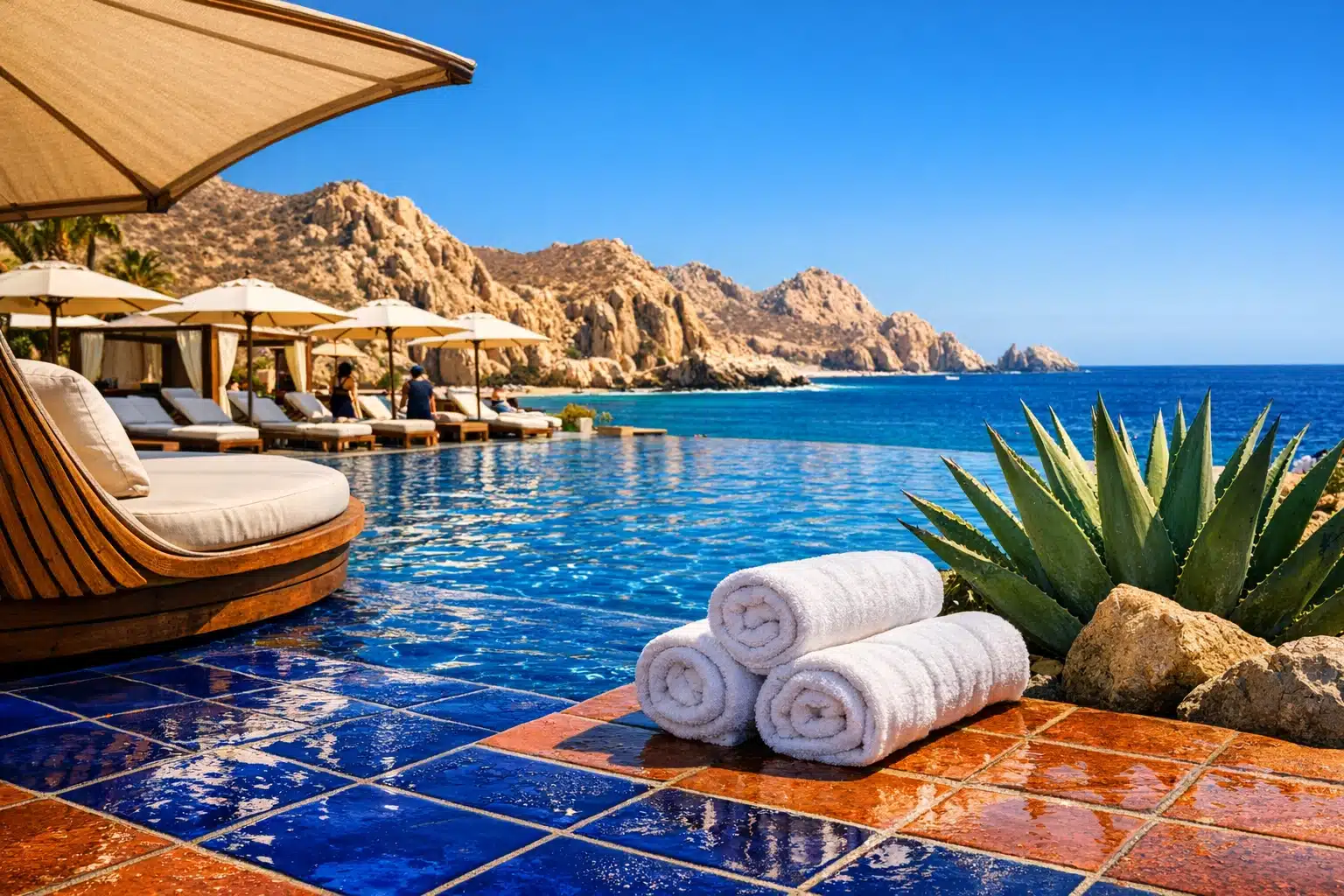
Los Cabos, at the tip of the Baja peninsula, brings yet another personality. It is visually striking, with desert meeting sea and a more polished resort environment in many zones. Beaches are beautiful, but swimming conditions vary, so the hotel’s pool scene can matter more here than in other destinations. Golfers, luxury travelers, and visitors who like a sharper contrast between wild landscapes and refined resorts often gravitate toward Cabo.
When comparing regions, ask practical questions rather than chasing glossy images:
• Do you want swimmable beaches every day, or are you happy if the coastline is more for views than bathing?
• Are you planning several excursions, or is the resort itself the main event?
• Would you rather stay near nightlife and town life, or in a quieter stretch designed for slow mornings?
• Are you traveling with children, as a couple, or with friends who all want different things?
Weather matters too. Mexico is warm for much of the year, but conditions shift by season and region. Late spring and early autumn can offer attractive prices, though travelers may face greater heat, humidity, or rainfall. Winter usually appeals to those escaping colder climates, while holiday periods often bring higher demand. Over two weeks, these differences become more noticeable. A beach that is stunning for three days might feel too exposed after ten, and a lively area can become tiring if you wanted peace. The right destination is the one that still feels like a good fit on day eleven, not just in the brochure.
3. Flights, Budgeting, and Booking Strategy: What Determines Real Value
When a package holiday includes flights, many travelers assume all key costs have already been solved. In reality, flights are only one part of the value equation. A well-priced deal is not necessarily a better deal if the airport is inconvenient, baggage rules are strict, transfer times are poor, or the room category is much weaker than expected. Smart comparison means looking beyond the headline number.
Start with the flight itself. Direct flights save time and reduce stress, especially on a 14-day holiday where comfort at both ends of the journey matters. However, a one-stop itinerary can sometimes lower the overall price enough to justify the trade-off. The key question is not simply whether a connection exists, but how manageable it is. A short layover may feel rushed, while a very long one can drain energy before the holiday begins. Departure time matters too. An overnight flight may help you preserve a day, yet some travelers arrive tired and lose the first afternoon anyway.
Baggage is another factor that can quietly change the budget. Many travelers heading to Mexico pack light clothing, swimwear, and beach gear, but two weeks away often means checked luggage becomes useful. Add in sunscreen, a few smarter outfits, perhaps snorkeling shoes, and a generous baggage allowance starts to feel less like a luxury and more like part of the trip’s practical design.
Here is a useful checklist when comparing packages:
• Are airport transfers included in both directions?
• Does the fare include checked baggage, seat selection, and meals on longer flights?
• Is the quoted price based on a standard room, and if so, what does that room overlook?
• Are local tourism taxes or resort fees payable separately?
• Do premium restaurants, imported drinks, spa areas, or water sports cost extra?
Timing also affects value. Package prices often move with school breaks, festive periods, and winter sun demand. Travelers with flexible dates can sometimes find stronger offers by shifting departure by a few days or traveling just outside the most crowded weeks. Booking early may help with room choice and direct flight availability, while later deals can work for those who are flexible about hotel brand, airport, and exact region. Neither approach is always superior.
For budgeting, it helps to divide spending into three layers. First comes the prepaid core: flights, hotel, meals, drinks, and perhaps transfers. Second comes the experience layer: excursions, tips, spa treatments, airport lounge access, and upgraded dining. Third comes the contingency layer: travel insurance, medical needs, weather-related changes, or unexpected transport costs. Travelers who only calculate the first layer often underestimate the true holiday total. The good news is that Mexico still lends itself well to controlled spending. Once the major items are settled, the rest of the budget can be shaped around preference rather than necessity.
4. What Life at an All-Inclusive Resort in Mexico Is Really Like
The phrase all-inclusive can sound almost too simple, as if every resort works the same way and the experience is little more than endless buffets beside a pool. In practice, the quality and atmosphere vary widely. A two-week stay brings these differences into sharp focus, because what feels impressive on day one must still feel comfortable and interesting by the second weekend.
Food is one of the biggest dividing lines. Some properties lean heavily on large buffet service, which works well for families and guests who like flexibility. Others balance buffet dining with several specialty restaurants, often requiring reservations for certain evenings. Over 14 days, this matters. Travelers who enjoy variety usually appreciate resorts with rotating menus, local dishes, and at least a few à la carte options. Mexico is an excellent destination for cuisine, so it is worth looking for hotels that include regional flavors rather than offering a generic international spread with little sense of place.
Drinks and entertainment also differ by tier. Standard packages typically include local beer, house wine, soft drinks, and a broad range of cocktails. Premium labels, themed dinners, or upgraded beach clubs may cost extra. Evening entertainment can range from low-key live music to larger stage shows, while daytime activities might include yoga, beach volleyball, dance lessons, kayaking, or supervised children’s programs. If you picture yourself active rather than horizontal, this part deserves close attention.
A good resort should also work as a launch point for seeing more of Mexico. Two weeks is long enough to go beyond the gates. Depending on the region, excursions may include:
• cenote swimming and archaeological sites in the Yucatan area
• whale watching in season on some Pacific routes
• snorkeling, diving, or boat trips to reefs and islands
• food tours, art walks, or historic town visits
• jungle parks, nature reserves, or family-friendly adventure activities
There is also the less glamorous but very important side of resort life: comfort, service, and logistics. Is the property spread out enough that moving around becomes tiring? Are restaurant booking systems smooth or frustrating? Is the beach usable, and is seaweed seasonal in that area? How reliable is Wi-Fi if you need to stay lightly connected? These details can shape the tone of the holiday more than brochure photography.
Finally, even on an all-inclusive break, a little cultural awareness goes a long way. Polite tipping, basic Spanish greetings, respect for local customs, and an interest in regional food or history can make the trip richer. Mexico rewards curiosity. The resort may provide the hammock, but the destination offers the story.
5. A Realistic 14-Day Plan and Final Advice for Different Types of Travelers
The most satisfying two-week holiday in Mexico is rarely the one packed with constant motion. It is usually the one that changes pace at the right moments. A simple way to think about a 14-day stay is to divide it into phases rather than trying to schedule every hour. This keeps the trip structured without making it feel like a project plan in beachwear.
Days 1 to 3 are for arrival and adjustment. Even if the flight is smooth, most travelers benefit from easing in. Explore the resort, learn the restaurant system, identify the quiet pool or beach zone you prefer, and resist the urge to book every excursion immediately. This early window is also the best time to notice practical things such as shade, room location, and where the best coffee is hidden at breakfast.
Days 4 to 7 are ideal for your first outside experiences. By now you know your energy level and have a better sense of the weather. Choose one or two signature excursions rather than several rushed ones. On the Caribbean side, that might mean a ruins-and-cenote day or a boat trip. On the Pacific side, it could be a town visit, a wildlife outing, or a cooking-focused excursion. Keep at least one full day in between major activities, because recovery time is part of the pleasure.
Days 8 to 10 often become the emotional heart of the holiday. You are no longer arriving, and you are not yet thinking about departure. This is the stage for long lunches, a spa afternoon if that fits the budget, or simply reading through the warmest part of the day while palm leaves move overhead like a slow metronome. If traveling with family or friends, this middle section is also where a flexible rhythm helps everyone get what they want without friction.
Days 11 to 13 can be used for one final outing, a special dinner booking, or a change of scene inside the resort. Many travelers enjoy upgrading one evening meal or arranging a sunset experience near the end, because it gives the trip a sense of shape. Day 14 should be kept light. Leave space for packing, check-out procedures, and transfers rather than trying to squeeze in a last ambitious plan.
This kind of holiday suits several audiences particularly well:
• couples who want convenience with enough time for both romance and exploration
• families looking for predictable costs and built-in food options
• busy professionals who do not want to build a trip from scratch
• first-time Mexico visitors who want comfort without missing the destination itself
In summary, a 14-day all-inclusive holiday in Mexico with flights can be a very smart travel choice when the package is matched carefully to your priorities. The best option is not always the cheapest or the flashiest, but the one whose flights, location, dining style, beach access, and excursion potential fit the way you actually like to travel. If you want a trip that feels easy to book, simple to budget, and generous in what it offers over two full weeks, Mexico remains one of the strongest choices on the map.