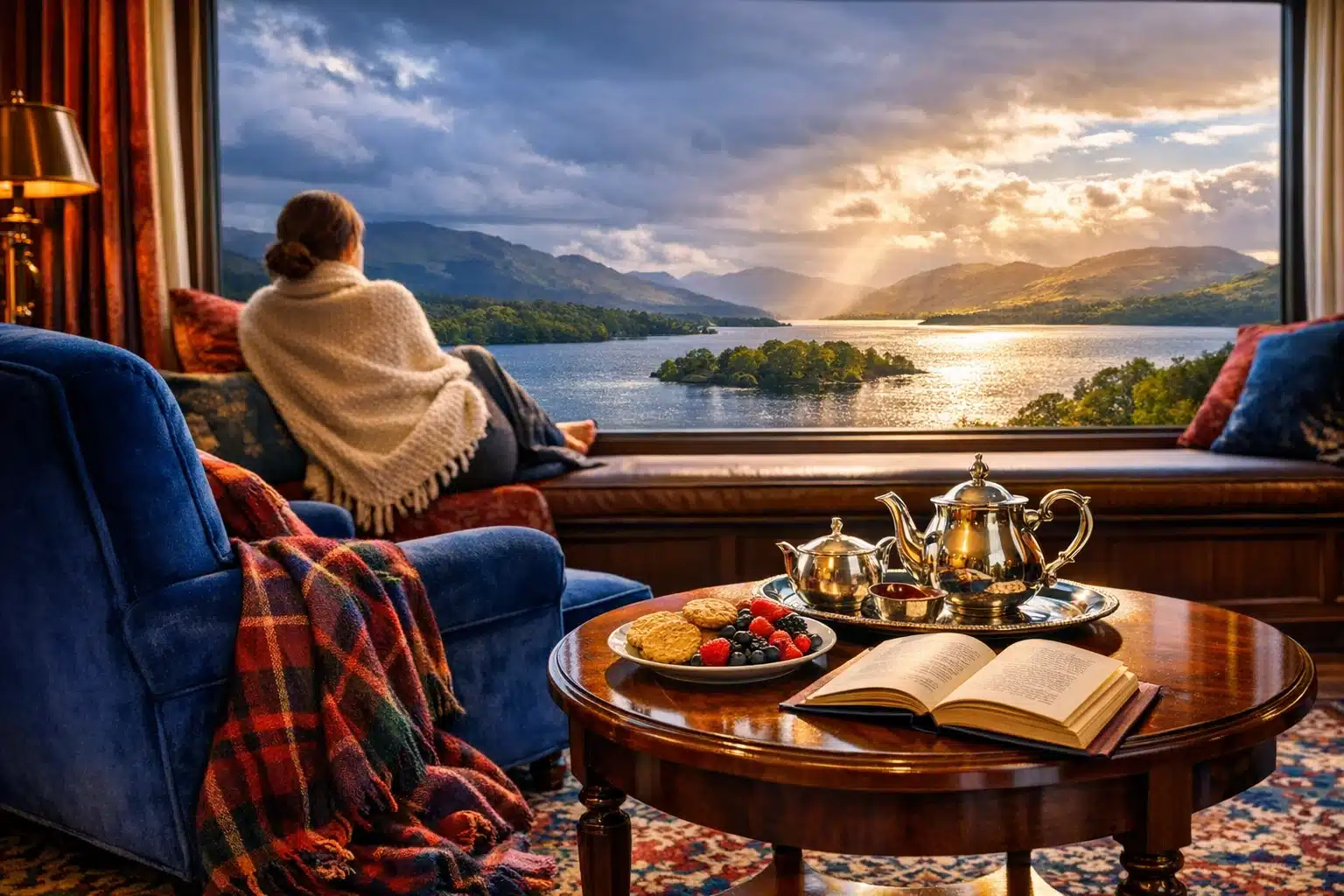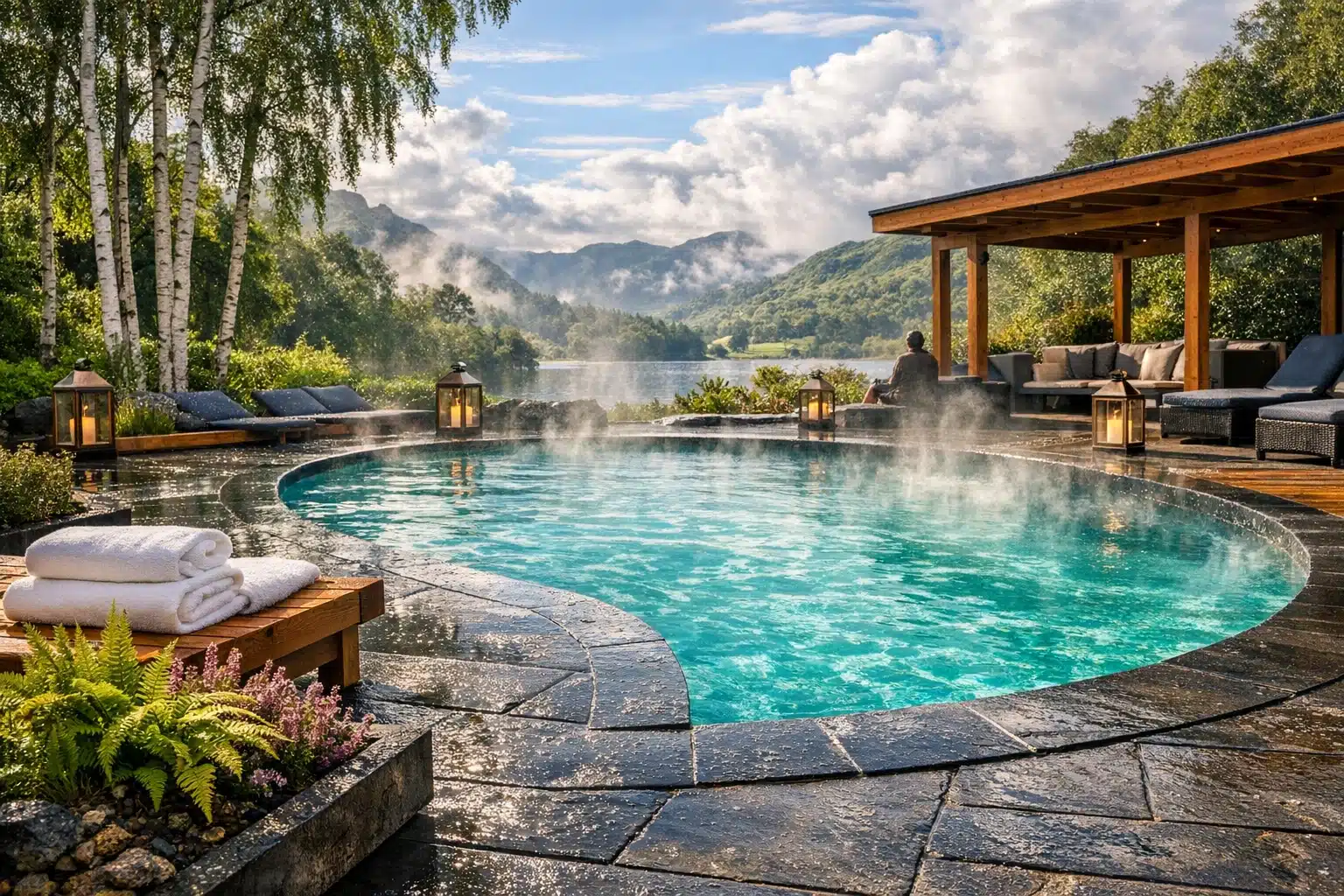
2 Night Romantic Resort Stay In Cornwall
Cornwall can make a brief escape feel surprisingly rich, especially when a resort stay wraps comfort around the drama of the coast. In just two nights, couples can move from lazy breakfasts to windswept walks, spa sessions, seafood dinners, and sunsets that stretch the evening a little longer. That mix of ease and atmosphere explains why the county remains such a strong choice for anniversaries, surprise trips, and simple time away together.
Outline: this article first explains why Cornwall works so well for a romantic short break, then compares resort styles and locations, maps out a realistic two-night plan, reviews likely costs and inclusions, and finishes with practical guidance for couples choosing the right stay.
Why Cornwall Works So Well for a Two-Night Romantic Escape
A romantic resort stay depends on more than a comfortable bed and a decent dinner menu. The setting matters, the pace matters, and the journey between one moment and the next matters too. Cornwall performs well on all three. It offers an unusual combination for the UK: wide coastal views, a distinct regional identity, strong hospitality, and enough variety for a short stay to feel curated rather than cramped. For couples with limited time, that is important. You do not need a week to understand the appeal. Two nights is often enough to enjoy the essentials if the resort is well chosen.
Part of Cornwall’s strength lies in contrast. One hour can begin with coffee on a private terrace and end with waves hitting dark rocks below a cliff path. Harbour towns feel intimate, while open beaches create a sense of space that urban breaks rarely match. Compared with a city weekend, Cornwall usually offers less noise, fewer rushed decisions, and a stronger sense of stepping outside routine. Compared with an inland country escape, it often feels more cinematic. The sea changes the mood of everything. Even a simple walk before dinner gains a little theatre when the horizon keeps opening in front of you.
There are practical advantages too. Cornwall has a wide range of resorts, boutique hotels, spa properties, and coastal retreats, so couples can choose between contemporary luxury, old-world charm, and something in between. Travel from London by rail typically takes several hours rather than a full day, and visitors arriving by car can shape the trip around scenic stops, beach detours, or a slower return route. Once there, many of the best experiences require very little planning. A short list often does the job:
• sea-view breakfast
• a cliff or beach walk
• an afternoon spa treatment or hydrotherapy session
• dinner built around local fish, shellfish, or Cornish produce
• time set aside simply to do nothing useful at all
Season also changes the character of the stay in interesting ways. Summer brings longer evenings and busier resorts, while spring and autumn often deliver better value, lighter crowds, and softer weather for walking. Winter stays can feel particularly intimate if the resort has strong interiors, a spa, and a restaurant worth booking in advance. In other words, Cornwall is not only a warm-weather destination. It is a place where atmosphere shifts with the month, giving couples several good reasons to return.
That flexibility is what makes Cornwall especially relevant for modern short breaks. Many people are not looking for a grand trip that takes months of planning. They want two nights that feel intentional, restorative, and a little memorable. Cornwall, when paired with the right resort, is very good at delivering exactly that.
Choosing the Right Resort: Coast, Style, and the Kind of Break You Want
Not every romantic stay in Cornwall feels the same, and that is one of the county’s biggest advantages. The experience changes significantly depending on where you stay, what kind of property you book, and how you want your time to unfold. A sea-facing resort with a large spa creates a different mood from a small luxury hotel near a harbour, even if both are marketed as romantic escapes. Couples tend to enjoy their stay more when they match the property to the pace they actually want, rather than the one they imagine in the abstract.
The first big choice is location. Broadly speaking, the north coast often feels wilder and more dramatic, with stronger surf, bigger Atlantic skies, and beaches that can look almost theatrical at sunset. Areas around Newquay, Mawgan Porth, and parts of west Cornwall attract couples who want cliff walks, open views, and a resort atmosphere with easy beach access. By contrast, the south coast often feels softer and more sheltered. Fowey, Falmouth, and St Mawes lean toward estuary scenery, sailing culture, elegant waterfront settings, and a calmer rhythm. Neither side is automatically better. The better choice is the one that fits your idea of romance.
The second choice is style. Some couples want a polished resort where everything is on site: spa, restaurant, lounge, bar, and perhaps an indoor pool with long windows facing the sea. Others prefer a smaller property with stronger local character, where the romance comes from atmosphere rather than facilities. It helps to think in practical terms:
• Large resort: more amenities, often better for all-weather stays, easier for a fully self-contained break
• Boutique hotel: more intimacy, often stronger design identity, but fewer on-site options
• Country house with spa: quiet and private, usually good for relaxation, though not always near the beach
• Family-friendly resort: useful if you need flexible dining and broader facilities, but less consistently tranquil
• Adults-focused property: often quieter, though sometimes more expensive on peak weekends
Room choice matters almost as much as property choice. A standard room in a great location may still be a better romantic pick than a larger suite in a less appealing setting, but there are moments when upgrading is worth it. Sea views, private terraces, freestanding baths, and late check-out options can change the feel of a two-night break because they increase the amount of time you actually enjoy the room. On a longer holiday, the room is only one part of the trip. On a short stay, it becomes central.
Dining is another major divider. Some resorts have excellent restaurants that justify staying in for the evening, while others rely more on location and expect guests to dine out. Before booking, couples should ask a few grounded questions. Is breakfast included? Is the main restaurant open every night? Does the spa access come with the room rate or cost extra? Is parking complimentary? Small details like these often shape satisfaction more than glossy photography. A resort may look perfect in promotional images, but the best match is usually the one that fits your habits, budget, and preferred pace without friction.
How to Spend Two Nights Well: A Practical Itinerary That Still Feels Romantic
The challenge of a two-night stay is simple: there is not much time, but there is enough time to get it wrong. Overplanning can make the break feel like a checklist, while underplanning can leave couples drifting into mediocre meals, awkward travel timing, and missed opportunities. The most satisfying Cornwall itinerary usually balances structure with space. Think of it less as a packed schedule and more as a rhythm with a few anchor points.
On day one, arrival matters. If possible, aim to reach the resort by early or mid-afternoon rather than close to dinner. That single decision often determines whether the break begins with calm or mild stress. Once checked in, resist the urge to do too much. Use the first hours to settle. Walk the grounds, order tea or a drink, or head straight to the coast if the resort sits near a beach or headland. Cornwall rewards slow beginnings. Even a short stretch of shoreline can reset the mood after a long drive or train journey. Later, keep dinner easy. A restaurant with local seafood, seasonal vegetables, or a tasting menu can make the first evening feel distinct without demanding extra travel. After dark, the coast changes character. Windows glow, the wind sharpens, and the whole county seems to lean into quiet.
Day two is where the stay either blossoms or becomes rushed. A strong pattern often looks like this:
• slow breakfast with no immediate departure time
• one outdoor experience in the morning, such as a coastal path walk, harbour visit, or beach stop
• a long lunch or light meal
• an afternoon spa session, pool time, or simply an hour back in the room
• sunset viewing, pre-dinner drinks, and a more memorable evening meal
This order works because it uses Cornwall’s strengths at the right hours. Morning light often suits walking and sightseeing, while afternoon weather can be perfect for a sheltered spa area or indoor relaxation. If the couple enjoys activity, alternatives might include kayaking, a boat trip from a harbour town, or browsing galleries and independent shops in places such as St Ives or Fowey. If the goal is rest, the best move may be to do less: read, nap, use the thermal suite, and leave enough energy for dinner and conversation later. Romance does not always come from extraordinary plans. Sometimes it arrives in the gap between them.
On the final morning, avoid squeezing in too much. A late breakfast, one brief walk, and a thoughtful departure usually feel better than trying to add a major stop on the way out. The smartest short breaks leave one or two things undone. That slight incompleteness is not a flaw. It is part of the reason Cornwall lingers after the car is packed and the room key is returned.
Budget, Value, and What You Are Really Paying For
A two-night romantic resort stay in Cornwall can fit different budgets, but value depends less on the headline room rate than on what the stay actually includes. Prices vary sharply by season, room category, location, and day of the week. In general, couples booking a mid-range resort in quieter months may see rates from roughly £150 to £250 per night for a double room, while upscale coastal resorts with sea views, spa access, or premium suites can move into the £300 to £500 range and beyond, especially on summer weekends or during school holidays. These are broad market patterns rather than fixed rules, but they show why direct comparison matters.
The temptation is to book the lowest visible rate and assume the savings will work themselves out later. Sometimes that works. Often it does not. A cheaper room may exclude breakfast, charge separately for parking, limit spa access, or sit in a less attractive building away from the main view. Suddenly the bargain costs more, while delivering less atmosphere. A higher initial rate can make sense if it bundles the parts couples would buy anyway. The most useful way to compare offers is to price the whole two-night break, not just the room.
Items worth checking before booking include:
• breakfast inclusion or breakfast supplement
• access to pool, sauna, hydrotherapy, or treatment areas
• dinner packages or dining credits
• parking fees
• cancellation terms
• sea-view upgrade cost
• late check-out or early check-in options
• resort fees or service charges, if applicable
Seasonality has a major effect on value. Shoulder months such as March, April, May, late September, and October often provide an attractive middle ground. Rates may be lower than peak summer, while daylight, scenery, and dining options remain strong. Winter can bring very competitive packages, especially at spa resorts, though the success of that trip depends heavily on the quality of the property itself. If the weather turns grey and the restaurant is average, winter savings can feel less rewarding. If the interiors are strong, the service is warm, and the spa is excellent, an off-season stay can feel almost secretive in the best way.
There is also a hidden value question: what is the purpose of the trip? If the break marks an anniversary, a proposal weekend, or a rare escape from work and family logistics, paying more for the right room or better location may be sensible. If the goal is simply a refreshing coastal change of scene, a well-run mid-range property might deliver everything needed. Good value is not always the lowest price. It is the rate at which comfort, location, dining, and ease line up so well that the stay feels fully used rather than half-compromised.
Final Thoughts for Couples Planning the Right Cornwall Stay
The ideal two-night romantic resort stay in Cornwall is not really about fitting in as much as possible. It is about choosing well enough that even a short visit feels rounded, calm, and memorable. For couples, that starts with honesty. Are you looking for privacy and spa time, or do you want beaches, walks, and dinners out in nearby towns? Would you rather wake to a dramatic Atlantic view, or spend evenings in a quieter estuary setting with a gentler pace? The strongest bookings come from clarity, not guesswork.
Cornwall particularly suits couples who want a break with visible character. It is a good choice for anniversaries, birthday weekends, first trips away together, or simply a pause between demanding workweeks. It also works well for people who enjoy balancing comfort with a little outdoor life. If your perfect weekend involves never leaving the property, choose a resort with excellent dining, a serious spa, and rooms designed for lingering. If your version of romance includes movement and discovery, pick a base that places beaches, harbour streets, coastal paths, or galleries within easy reach.
A few final booking principles are worth keeping in mind:
• reserve popular resorts well ahead for spring and summer weekends
• read recent guest reviews for service, maintenance, and dining quality
• check travel time honestly, especially on Friday arrivals
• book dinner in advance if the on-site restaurant is a major reason for choosing the resort
• consider shoulder season if you value atmosphere and price balance more than peak heat
For many couples, the real appeal of Cornwall lies in the way it compresses beauty and comfort into a format that still feels accessible. You can arrive on a Friday, exhale by evening, wake to salt air on Saturday, and leave on Sunday with the satisfying feeling that the weekend actually happened rather than disappeared. That is rare. Some destinations require long itineraries, complex logistics, or ideal weather to shine. Cornwall is more generous than that. With the right resort and a sensible plan, two nights can be enough to reconnect, celebrate something meaningful, or simply enjoy each other’s company in a place that does not need to shout to be impressive.
For the target audience, the takeaway is clear: choose the setting that matches your shared style, pay attention to inclusions, protect the trip from overplanning, and let the landscape do some of the work. A short romantic break in Cornwall is most rewarding when comfort and coastline are allowed to meet halfway.