3 Night Cruises from Belfast for Couples, Families & Solo Travelers
Introduction and Article Outline
A 3-night cruise from Belfast sits in a sweet spot between a day trip and a full holiday, giving travelers enough time to switch off without wrestling with a long itinerary. That makes it especially relevant for couples seeking a polished weekend away, families testing whether cruising suits their routine, and solo travelers who want structure without feeling boxed in. With Belfast’s well-connected port and a growing appetite for short breaks, these sailings have become a practical, appealing way to see more while planning less.
Short cruises are not just trimmed-down versions of longer voyages. They attract a slightly different kind of traveler and often serve a different purpose. For some, the appeal is convenience: no flights, fewer days off work, and a clear budget from the start. For others, it is a chance to sample cruise life before committing to a week or more at sea. Belfast is a strong starting point for this format because it offers access to nearby destinations around the British Isles, often with one or two ports and enough onboard time to enjoy dining, entertainment, and the simple pleasure of watching the shoreline slip away.
This guide is structured to help readers make sense of the options rather than simply admire them from a distance. The sections below cover the main decisions travelers usually face before booking.
- What a typical 3-night cruise from Belfast looks like, including route patterns and practical expectations
- How couples can compare cabins, dining, atmosphere, and itinerary style
- What families should weigh, from kid-friendly facilities to cabin layout and pacing
- How solo travelers can judge value, comfort, and social opportunities without feeling overwhelmed
- How to match the right cruise to your budget, travel style, and tolerance for busy schedules or sea days
Because these sailings are short, every detail matters a little more. A poor cabin choice feels more noticeable when there are only three nights to enjoy it. A great departure time, by contrast, can make the trip feel effortless from the first hour. Think of a Belfast mini cruise as a concentrated travel experience: smaller in length, but not necessarily smaller in character. The goal of this article is to show where that character changes depending on whether you are traveling as a couple, with children, or on your own.
What to Expect from a 3-Night Cruise from Belfast
A 3-night cruise from Belfast usually follows a simple rhythm. Day one is embarkation, with passengers boarding in the afternoon and settling into cabins before sailaway. Day two may be a port call or a leisurely sea day, depending on the route. Day three often includes a second stop or more onboard programming, and day four is disembarkation, typically in the morning. That structure sounds straightforward, but the feel of the trip can change dramatically depending on itinerary design, ship size, and passenger mix.
From Belfast, short cruises commonly focus on nearby destinations around the British Isles. Depending on season and cruise line, routes may include places such as Liverpool, Greenock for access to Glasgow, or other close-to-home ports that make sense for a long-weekend format. Some sailings are destination-led, meaning the ports are the main attraction. Others are ship-led, where the emphasis falls more heavily on the onboard experience: dining rooms, theatre shows, live music, spa access, bars, and quiet decks where the Irish Sea does most of the storytelling.
It helps to compare three common styles of mini cruise:
- Port-focused sailings, which suit travelers who want to step off the ship and explore a city
- Relaxation-led sailings, which appeal to guests who mainly want the ship itself to feel like the break
- Event-style short breaks, which may attract celebratory groups and create a livelier atmosphere
Weather is worth factoring in. Belfast departures can be scenic and atmospheric, but the Irish Sea is not always calm, especially outside the height of summer. Travelers sensitive to motion may prefer midship cabins on lower decks and may want to pack remedies just in case. This is not a reason to avoid the trip; it is simply part of planning well.
One reason 3-night cruises remain popular is efficiency. You unpack once, meals are largely included, and entertainment is built into the fare. Compared with arranging hotels, rail tickets, and restaurant bookings for a multi-stop city break, cruising can feel refreshingly self-contained. The trade-off is time pressure. On a short sailing, there is less room for wasted hours or vague decision-making. That is why choosing the right ship style matters almost as much as choosing the right destination. A family may prefer pools, soft-play zones, and flexible dining. A couple may care more about atmosphere at night. A solo traveler might prioritize easy social spaces and a cabin price that does not feel punishing. Understanding those differences is the key to getting real value from a short cruise rather than just a short trip.
Why 3-Night Belfast Cruises Work So Well for Couples
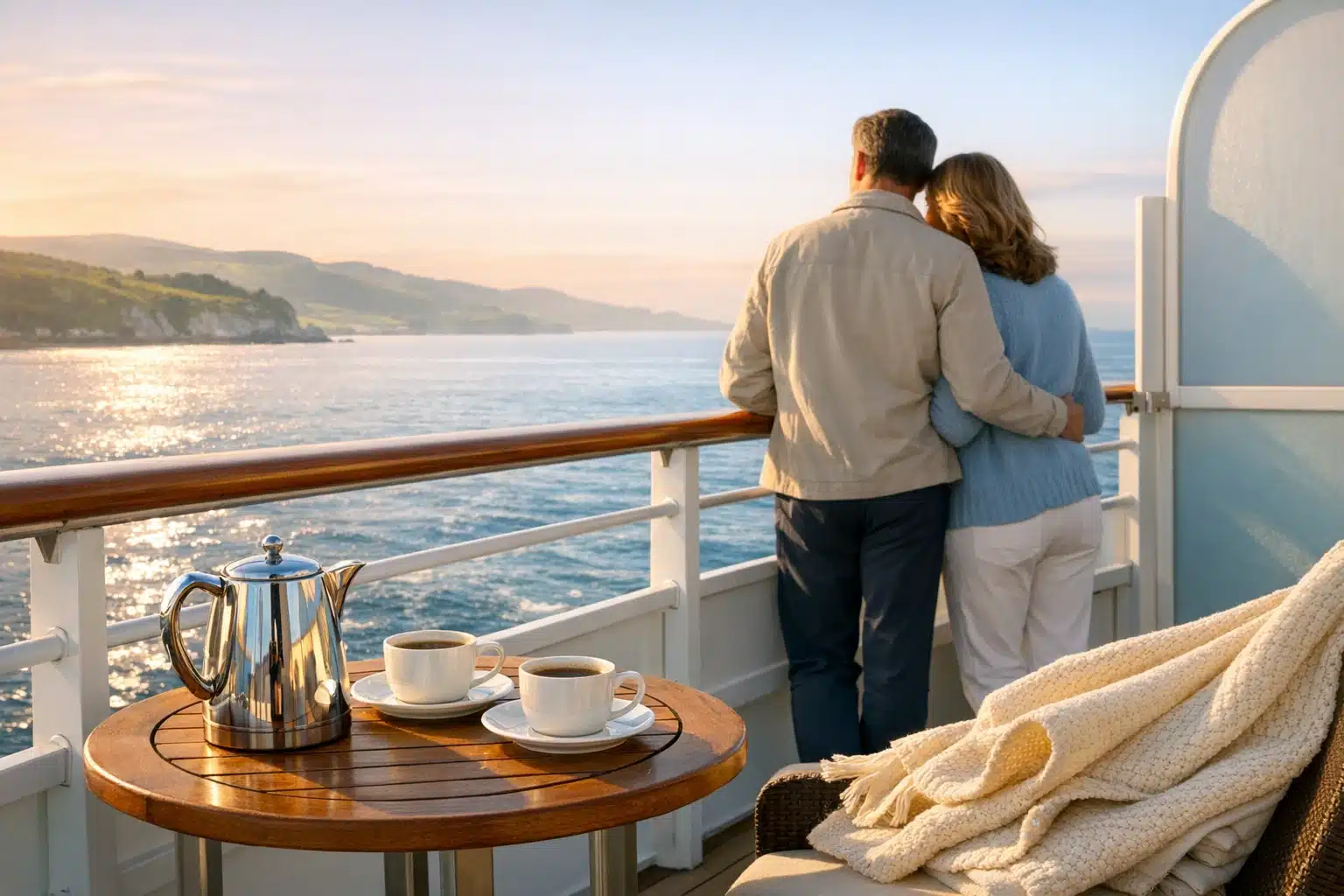
For couples, a 3-night cruise from Belfast often delivers the most satisfying part of a holiday in a smaller, cleaner package. There is a beginning, a middle, and an end, but very little logistical drag in between. You board, unpack, choose a dinner time, and let the ship take over. Compared with a city break that involves hotel check-in, restaurant hunting, and repeated travel decisions, a cruise can feel almost cinematic. One moment you are in Belfast, the next you are on deck with a drink in hand while the shoreline softens into evening light.
The main question for couples is not whether a mini cruise can be romantic. It can. The better question is what kind of romance you actually want. Some couples want a lively short break with cocktails, music, late-night shows, and a buzzy atmosphere. Others want calm corners, good food, sea views, and enough quiet to hear themselves think. Those two moods can exist on the same ship, but one usually dominates, so reading the tone of the sailing matters.
When comparing options, couples should look closely at:
- Cabin type, especially whether a balcony is worth the extra cost on a short trip
- Dining options, including fixed versus flexible seating
- Adults-focused spaces such as spas, lounges, and quieter deck areas
- Entertainment style, from theatre productions to piano bars or live acoustic sets
A balcony cabin can be especially appealing on a 3-night sailing because the cabin becomes part of the experience rather than just a place to sleep. If your itinerary includes early coastal views or a late sailaway, that private outdoor space may feel more memorable than it would on a busier, port-heavy week-long trip. That said, if your plan is to spend most of the time out and about, an inside or ocean-view cabin can still make financial sense.
Couples should also think about pace. A short cruise is ideal for marking birthdays, anniversaries, or simply escaping routine, but it works best when expectations are realistic. You are not trying to see everything. You are creating a shared pause. A good mini cruise offers enough novelty to feel special without becoming exhausting. If that sounds like the kind of break you need, Belfast is a smart departure point: close enough to be convenient, yet far enough from ordinary life to make the weekend feel like a proper getaway.
What Families Need to Know Before Booking
For families, a 3-night cruise from Belfast can be either brilliantly manageable or surprisingly hectic, and the difference usually comes down to planning. The strongest advantage is simplicity. Parents do not need to keep repacking bags, children do not need to adapt to a new hotel every night, and meals are easier to organize because there is always somewhere to eat nearby. On a short sailing, that convenience has real value. It turns travel from a sequence of chores into a contained experience with clear boundaries and predictable routines.
Mini cruises also work well as a first test of whether your children enjoy ship life. Three nights is long enough to sample kids’ clubs, family dining, live shows, and shore excursions, but short enough that a small problem does not dominate an entire week. Many cruise lines divide youth activities by age bands, often separating younger children, older children, and teens. That matters because a seven-year-old and a fourteen-year-old usually need very different kinds of entertainment.
Before booking, families should compare the following carefully:
- Cabin configuration, including sofa beds, pullman bunks, interconnecting rooms, or family cabins
- Kids’ club age ranges, opening hours, and whether registration is needed on day one
- Dining flexibility, especially if younger children need earlier meals
- Pool areas, indoor play spaces, and rainy-weather options
- Excursion suitability, including walking distance and stroller practicality where relevant
One important reality is that not every short cruise has a family-heavy atmosphere. Some weekend sailings attract adult groups celebrating birthdays or simply taking a fun break, which can make evenings feel noisier than some parents expect. If family comfort is the priority, look for school-holiday dates, ships with obvious child-focused facilities, and itineraries that emphasize sightseeing over late-night party energy.
Budgeting is another area where families can benefit from a little discipline. A short cruise fare may look attractive, but extras such as drinks, specialty dining, arcade spending, wi-fi, and shore activities can add up quickly. Setting limits early helps the trip stay enjoyable. Packing wisely also matters more than people think. On a 3-night sailing, parents do not need everything, but they do need the right things: swimwear, layers for changeable weather, small entertainment for waiting times, and any medication kept easy to access.
At its best, a family mini cruise from Belfast feels like a well-designed compromise. Adults get a holiday atmosphere without major logistical strain. Children get novelty, movement, food choices, and the thrill of sleeping on a ship. No one has to pretend it is a grand expedition. Its value lies in being compact, enjoyable, and surprisingly practical for households that want a break without turning travel into another full-time job.
What Solo Travelers Should Look For
Solo travelers often make excellent use of 3-night cruises from Belfast because the format lowers several common barriers at once. The trip is short enough to feel low-risk, structured enough to remove decision fatigue, and social enough to avoid the occasional flatness that can come with eating alone in a hotel every night. For someone curious about cruising but unsure whether it suits their personality, a long weekend at sea can act as a smart trial run.
The first issue most solo travelers notice is price. On many cruises, fares are based on double occupancy, so solo guests may face a supplement unless the ship offers dedicated single cabins or special solo promotions. That does not automatically make the trip poor value, but it does mean comparisons matter. Sometimes a standard cabin with a modest supplement beats a small solo cabin on comfort. Other times the single cabin is the better deal because it avoids paying for unused space.
Beyond price, atmosphere matters just as much. A good solo-friendly mini cruise usually has several informal social areas rather than one forced setting. Think coffee lounges, open-deck seating, quiz events, theatre bars, and flexible dining arrangements. These spaces make meeting others feel optional rather than mandatory. That distinction is important. Many solo travelers want opportunities for conversation, not a program designed to erase independence.
Useful features to look for include:
- Single cabins or reduced solo supplements
- Open dining or shared tables for guests who enjoy conversation
- Hosted activities such as quizzes, enrichment talks, or casual mixers
- Safe, comfortable public areas where spending time alone feels natural
- Ports that are easy to explore without needing a complex excursion
A short Belfast cruise can also appeal to solo travelers because it reduces transport friction. There is no airport rush, no repeated hotel check-in, and no need to navigate every meal from scratch. Once onboard, the basics are handled, leaving room to choose your own level of engagement. One hour you might be reading by a window with the sea sliding past like brushed steel; the next you could be chatting with fellow passengers after a show. That flexibility is where the solo-cruise format often shines.
There are a few cautions. Weekend sailings can sometimes lean more festive, which may suit some solo guests and not others. Reading recent reviews, checking the ship’s entertainment profile, and understanding the likely passenger mix can help. If your ideal trip is calm, choose a sailing that looks destination-led or traditionally paced rather than overtly party-oriented.
Conclusion: Which 3-Night Belfast Cruise Fits You Best?
If you are a couple, the best Belfast mini cruise is usually the one with the right mood: lively if you want celebration, quieter if you want connection. If you are a family, prioritize function over fantasy by focusing on cabin layout, child-friendly facilities, and a schedule that will not overstretch everyone. If you are traveling solo, value often comes from a fair cabin price, easy social spaces, and a ship where independence feels comfortable rather than conspicuous. In every case, the smartest choice is not the one with the longest feature list, but the one that matches how you genuinely like to travel. A 3-night cruise from Belfast can be restful, fun, sociable, and surprisingly efficient. Choose with clarity, and a short sailing can deliver exactly what many travelers want most: a real break that fits into real life.