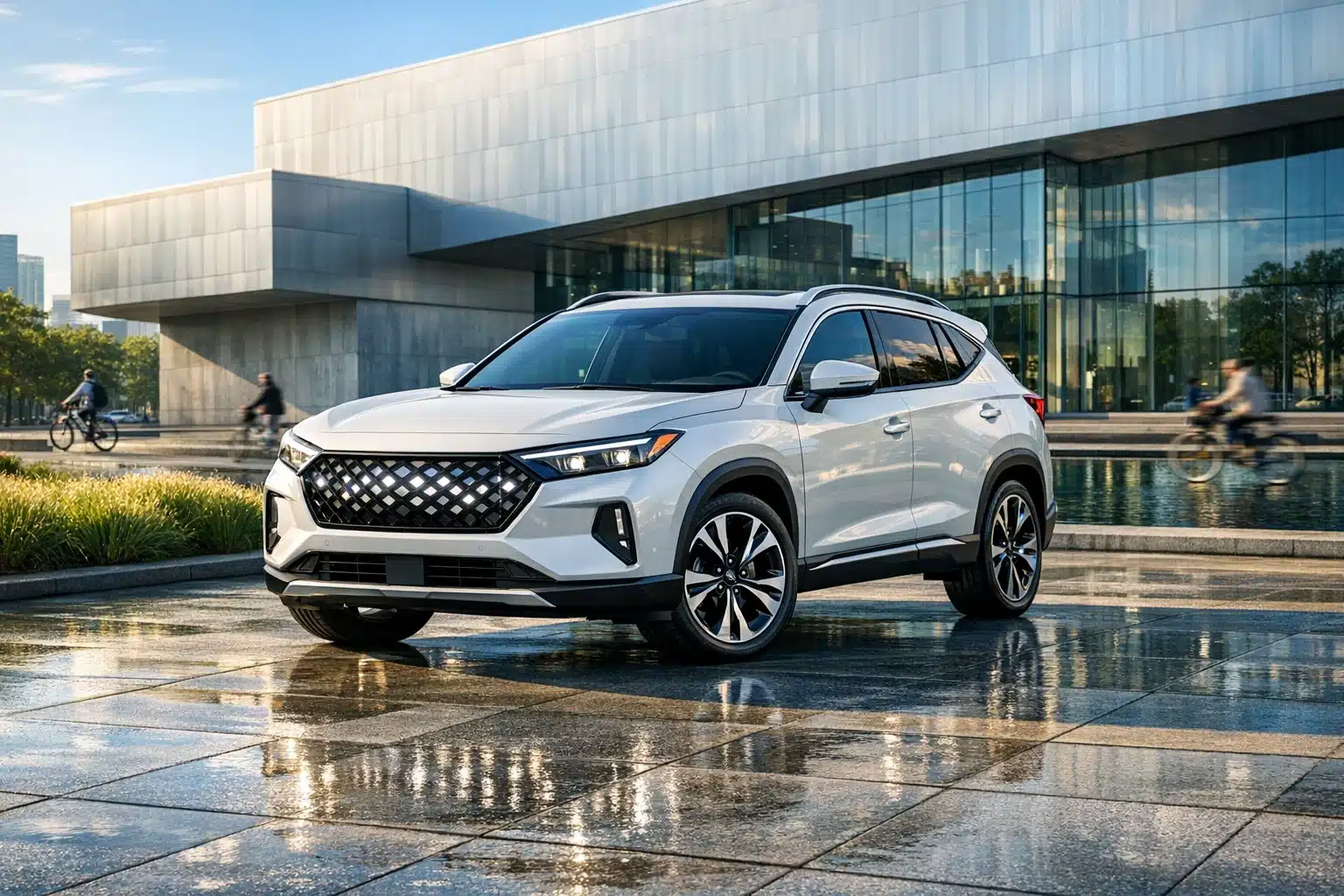
car
Outline:
– Types and uses: how body styles and sizes fit real-life needs
– Powertrains compared: combustion, hybrid, plug-in hybrid, battery-electric, and fuel cell
– Safety and assistance: structure, features, and realistic limitations
– Total cost of ownership: purchase, energy, maintenance, insurance, and depreciation
– The road ahead and buyer’s conclusion: trends, regulations, and a practical checklist
From Hatchbacks to SUVs: Matching Body Style to Your Life
Cars are tools and companions, equal parts engineering and everyday ritual. The right shape can turn a commute into a calmer routine, a grocery run into a one-and-done errand, and a road trip into a comfortable glide instead of a cramped shuffle. Body style is not about fashion alone; it dictates space, visibility, efficiency, and how easily a car fits your streets and your garage. Consider city-friendly models that sip fuel and thread through tight alleys, versus tall, spacious vehicles that conquer snow-packed driveways and family vacations. Each form carries trade-offs that are clearer when you match them to your routines rather than spec-sheet fantasies.
Hatchbacks often balance footprint and flexibility. With a rear opening and folding seats, they can carry boxes, instruments, or weekend gear without demanding a long body. Typical cargo volumes range from roughly 300 to 400 liters with seats up, expanding significantly when folded. Sedans tend to be quieter at highway speeds thanks to a separate trunk, offer competitive fuel economy, and provide a more traditional profile that some drivers find serene on long drives. Wagons extend the roofline to boost cargo space—often 500 to 700 liters—while maintaining a carlike ride height for efficient aerodynamics.
Crossovers and SUVs appeal for their higher seating position and rough-road confidence. They simplify child-seat loading, improve outward view, and offer extra ground clearance for rutted tracks or winter slush. The trade-offs are added mass and frontal area, which can increase energy consumption. Minivans or multi-purpose vehicles specialize in people-moving: sliding doors, expansive cabins, and configurable seating make them travel-friendly for groups. Pickups excel at payload and towing; their open bed swallows messy cargo but exposes it to weather unless covered, and their larger dimensions can complicate urban parking.
Sports coupes and roadsters prioritize feel: communicative steering, lower centers of gravity, and fine control over acceleration and braking. Practicality cedes ground to driving engagement, though some coupes cleverly integrate fold-down seats for occasional cargo. To narrow choices, map your life onto the vehicle: – frequent parallel parking and narrow garages – long highway commutes with steady speeds – snowy hills, dirt roads, or boat ramps – three-row needs for carpool duty – bulky hobbies like biking or home projects. Let your calendar, not just your heart, steer the shortlist.
Engines and Electricity: Powertrain Choices Compared
Powertrains are the pulse of a car. Combustion engines burn fuel to create motion; electric systems propel with motors fed by batteries or hydrogen. Each pathway alters performance, running cost, and environmental footprint. Gasoline has high energy density (around 46 megajoules per kilogram), which helps explain why traditional cars have such long ranges and quick refueling. Yet the thermal efficiency of small road engines on typical trips often lands around 20–35%, meaning much of that energy becomes heat, not motion.
Conventional gasoline or diesel models are easy to refuel and broadly supported. Fuel emissions are tied to the carbon content of the liquid—burning a liter of gasoline releases roughly 2.3 kg of CO2, with diesel higher due to density. Hybrids add an electric motor and a battery to recover braking energy and assist acceleration. By smoothing engine loads and capturing a share of deceleration energy, they can trim urban consumption without changing how you refuel. Plug-in hybrids go further, carrying larger batteries that enable daily electric commuting—often 30–80 km—while the engine handles long trips.
Battery-electric vehicles trade fuel pumps for plugs. Electric drivetrains are efficient, with typical energy use in many compact and midsize models ranging around 15–25 kWh per 100 km, depending on speed, weather, and size. Home charging on AC power (often 3.3–11 kW) suits overnight replenishment, while high-power public DC charging can add substantial range in 20–40 minutes from a low state-of-charge to around 80% on compatible systems. The experience is smooth and quiet, and maintenance tends to focus on tires, cabin filters, and brake fluid because the motor and reduction gear involve fewer wear parts.
Fuel-cell electric vehicles store hydrogen, converting it into electricity on board. Refueling is quick, and cold-weather performance is strong, but station access can be limited depending on your region. When comparing, weigh infrastructure and use case: – daily distance and access to reliable home or workplace charging – winter range needs and cabin heating demands – towing or frequent mountain drives – local energy prices and fuel availability – apartment living with shared parking. No path is one-size-fits-all; pick the system that keeps your calendar predictable, your budget steady, and your conscience aligned with your environmental goals.
Safety and Assistance: What Matters and What Still Requires You
Safety starts before electronics. Strong passenger cells, engineered crumple zones, side-impact beams, and well-calibrated restraint systems create a protective envelope when physics intervenes. Modern designs channel crash forces around occupants, while airbags deploy in split seconds to cushion impact. Beyond structure, active safety helps you avoid the crash in the first place: well-tuned brakes, tires with adequate tread depth, and predictable handling are fundamentals. Even the clearest camera may not save a car on worn tires in the rain.
Driver assistance features add helpful layers. Automatic emergency braking can detect vehicles and, in many systems, pedestrians or cyclists; lane keeping can nudge you toward center; blind-spot alerts monitor adjacent lanes; adaptive cruise manages speed gaps; rear cross-traffic alerts watch driveways and parking-lot aisles. Sensors include cameras (good detail but weather-dependent), radar (robust in poor visibility, lower resolution), and sometimes lidar (precise ranging). Each has strengths and blind spots. Glare, low sun, dirty lenses, heavy snow, sharp curves, and unusual road markings can degrade performance.
Independent crash-testing bodies publish ratings that bundle crash performance and advanced features. Read the test notes, not just the stars: side-pole impacts, small-overlap crashes, whiplash tests, and pedestrian protection can differ among vehicles. Driver-monitoring systems that watch for attention lapses can reduce misuse of assistance features, but they do not turn a car into an autonomous robot. The driver remains responsible. Build your own safety stack: – choose a model with strong overall crash evaluations – prioritize automatic emergency braking with vulnerable road user detection – verify child-seat anchor access and belt geometry – invest in high-quality tires and replace them before they’re bald – set maintenance reminders for brakes, fluids, and wipers.
On the test drive, simulate your real world. Merge onto fast roads, navigate dimly lit streets, and try parallel parking. If you commute at night in the rain, evaluate headlights and demisting speed. If you live where winters bite, ask about cold-weather behavior for batteries and sensors. Safety is not just a spec; it is a system of engineering, upkeep, and honest self-awareness about how and where you drive.
Counting the Real Costs: Total Cost of Ownership
Sticker price is only the first chapter. Over years of driving, energy, maintenance, insurance, taxes, financing, and depreciation write the bulk of the story. Depreciation alone can account for the largest single cost, with many mass-market vehicles losing a substantial share of value in the first three to five years. Market conditions, mileage, condition, and supply constraints all alter the curve. Vehicles that are inexpensive to fuel and maintain, and that have steady demand, often retain value more predictably.
Energy costs hinge on consumption and local prices. A conventional compact averaging 6–8 liters per 100 km will spend differently than a larger SUV at 9–12. An electric vehicle at 15–20 kWh per 100 km can be economical where residential electricity is moderately priced, especially with off-peak rates. Home charging installation may range from a simple outlet to a dedicated circuit, costing from several hundred to a few thousand depending on distance, panel capacity, and permits. Public fast charging typically carries higher per-kWh prices, much like highway fuel stations compared with neighborhood pumps.
Maintenance varies by powertrain. Combustion engines need oil changes, filters, spark plugs, and sometimes belts or chains at prescribed intervals. Hybrids may extend brake life because regenerative deceleration reduces friction-brake use, but they still need fluid service and cooling-system care. Battery-electrics simplify the routine further, though tire wear can be higher on heavy, torquey models. Regardless of propulsion, alignment checks, cabin filters, and brake fluid changes help keep systems reliable. Insurance premiums reflect repair costs, safety equipment, theft risk, and driver profile; quotes can vary substantially for similar cars, so shop around.
To compare candidates, build a personal budget model: – estimate annual distance and split it by city versus highway – apply realistic consumption figures drawn from owner reports and independent tests – use local energy prices, including off-peak rates if applicable – add routine service items on a time or distance basis – include parking permits, tolls, and seasonal tires if required – model resale value using historical ranges rather than a single optimistic number. A careful spreadsheet often reveals that a slightly pricier, more efficient car can be cheaper over time, or that a used, well-maintained example offers outstanding value if you plan conservative annual mileage.
Where Mobility Is Headed—and How to Decide Today
Roads are changing. Cities are experimenting with emissions zones and low-speed districts; highways are adding automated speed enforcement and connected infrastructure; energy grids are absorbing more renewables. Cars are changing too: software increasingly defines features, from charging profiles to driver aids, and updates can arrive wirelessly. Interiors are shifting toward durable, lower-impact materials, while battery recycling and second-life applications aim to shrink the footprint of electrification. Supply chains are becoming more transparent as regulators and buyers ask tough questions about sustainability and repairability.
For drivers, the future is practical: choose vehicles that can adapt. Modular infotainment, clear service documentation, and access to parts support longer ownership. Charging networks will expand in many regions, but home or workplace charging remains the most convenient anchor for electric ownership. Combustion cars are not vanishing overnight; they’ll serve rural routes, heavy towing, and markets where infrastructure grows slowly. Hybrids and plug-in hybrids offer transition paths, especially for drivers with mixed patterns—electric during the week, gasoline for cross-country trips.
Make your decision with a simple, honest checklist: – define weekly routine (distance, passengers, cargo) and stress-test it with seasonal extremes – map energy access (garage outlet, shared parking, nearby fast chargers, or rural fuel stations) – set a five-year budget, including a conservative depreciation scenario – list must-have safety features and nice-to-haves, then test them in your real conditions – plan for service: identify qualified shops and expected parts availability – consider environmental goals and how local policies may evolve. If uncertainty lingers, consider a short-term lease or car sharing to validate assumptions before committing.
Conclusion for readers: the car you choose should reduce friction in your life, not add it. Let data guide you, but also honor the small joys—quiet cabins at dawn, stable footing in a storm, seats that leave you refreshed after a long day. With a clear-eyed view of body style, powertrain, safety, and cost, you’ll navigate the lot with confidence and drive home in a vehicle that fits your roads, your routines, and your values.