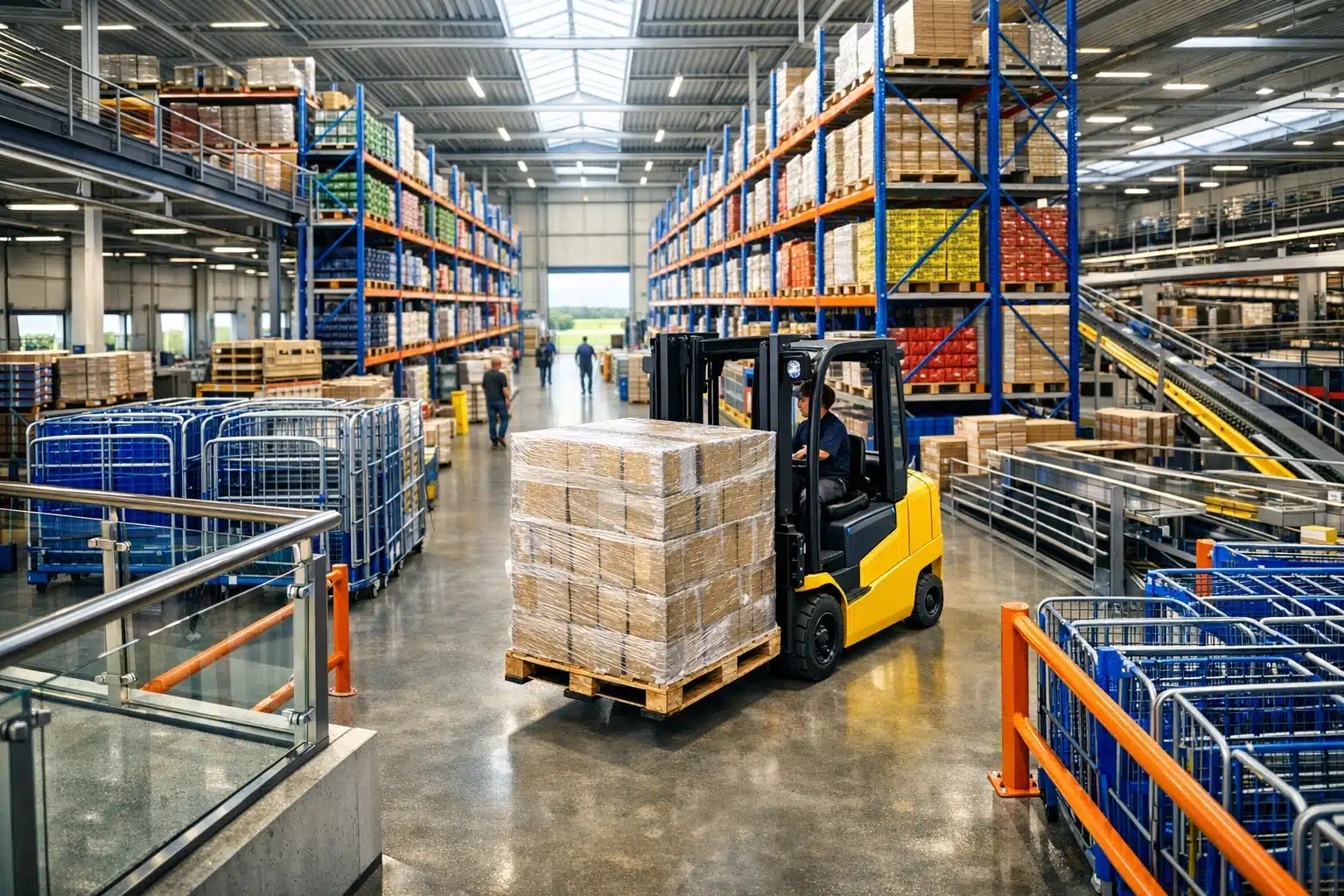
Guide to Logistics and Transport Careers in the Netherlands
The Netherlands runs on movement. Containers pass through Rotterdam, flowers leave auction halls before sunrise, and trucks, barges, trains, and aircraft connect the country to European trade routes. That steady flow creates careers in warehouses, transport planning, customs, driving, and supply chain analysis. For students, career changers, and international applicants, the field offers practical entry points, visible advancement paths, and work tied directly to how goods reach homes, factories, and stores.
Outline: 1. Why the Netherlands is such an important logistics market. 2. The main career paths in transport and supply chain work. 3. Education, certificates, and skills that improve employability. 4. Salary expectations, working conditions, and sector trends. 5. Practical steps for entering the field and building a stable career.
1. Why the Netherlands Is a Strong Place to Build a Logistics Career
The Netherlands has earned its reputation as a logistics powerhouse through a combination of geography, infrastructure, and business culture. It sits in a strategic position for moving goods between ports, industrial regions, airports, and consumer markets across Europe. That matters because logistics is not one narrow profession; it is an ecosystem. When cargo arrives, it must be unloaded, inspected, stored, scheduled, documented, transported, tracked, and delivered. Every step in that chain creates jobs.
Rotterdam is one of Europe’s biggest seaport gateways, and Schiphol remains an important air cargo location despite changes in the aviation sector. Beyond those headline names, the country also benefits from dense road networks, strong rail links, inland shipping routes, and well-developed warehouse clusters in places such as Venlo, Tilburg, Moerdijk, Eindhoven, and the Amsterdam region. For employers, that means speed and reliability. For workers, it means a broad range of roles spread across different provinces rather than one single city.
Several industries depend heavily on Dutch logistics. Food and agriculture need cold chains and careful timing. High-tech manufacturing relies on precise inventory and supplier coordination. E-commerce has increased demand for fulfillment, returns handling, and last-mile delivery. Pharmaceuticals and chemicals require compliance, documentation, and safe handling procedures. In short, the sector is large because it supports many other sectors.
Some of the strongest advantages of the Dutch market include:
• access to major European customers within a relatively short distance
• a long tradition of international trade and freight forwarding
• widespread use of digital systems in transport and warehousing
• a steady need for both operational staff and office-based specialists
That last point is especially important for job seekers. Not everyone in logistics wears safety shoes, and not everyone sits behind a planning screen. The field includes hands-on work, analytical work, customer-facing roles, and management tracks. Someone may start as an order picker, move into team leadership, then progress into planning or operations control. Another person may begin in administration and grow into customs, procurement, or supply chain analysis. The Dutch market tends to reward reliability, process awareness, and practical problem-solving, which makes it attractive to people who like structured work with visible results.
There is also something quietly satisfying about the industry. When logistics works, most people barely notice it. Shelves stay stocked, factories keep running, and online orders appear at the door as if by magic. Behind that everyday convenience is a web of professionals making thousands of small decisions. In the Netherlands, that web is especially dense, and that density creates opportunity.
2. Main Career Paths in Dutch Logistics and Transport
One of the most useful ways to understand the sector is to divide it into job families. Logistics and transport careers in the Netherlands usually fall into operational roles, transport roles, administrative and coordination roles, and analytical or managerial roles. Each path has different entry requirements, physical demands, and growth potential.
Operational warehouse jobs are often the most accessible entry point. These include order picker, packer, forklift driver, inbound or outbound medewerker, inventory controller, and warehouse team leader. The work is usually structured around shifts, targets, and safety procedures. In e-commerce or retail distribution, the pace can be fast and repetitive. In technical or pharmaceutical environments, accuracy may matter even more than speed. These roles suit people who like hands-on work and visible routines.
Transport roles focus on moving goods between locations. Truck driving remains an important profession, especially for domestic distribution, port traffic, regional routes, and international freight. Drivers with a C or CE license and the required professional qualifications are still in demand in many parts of the market. There are also route planners, dispatchers, and fleet coordinators who sit one step back from the steering wheel and make sure vehicles, drivers, and delivery windows align.
Administrative and coordination roles form the hidden nervous system of the sector. Freight forwarders arrange shipments across borders and transport modes. Customs declarants handle import and export procedures. Transport planners monitor delays, adjust schedules, and communicate with drivers, depots, and customers. Customer service specialists in logistics help clients understand lead times, claims, and shipment status. These jobs often require stronger communication skills and more digital fluency than pure operational roles.
At the more analytical end, the field includes supply chain analysts, demand planners, procurement specialists, logistics engineers, continuous improvement coordinators, and operations managers. These professionals work with data, systems, and business processes. They look for ways to reduce delays, lower costs, improve warehouse layouts, or balance stock levels more effectively.
A simple comparison helps:
• If you enjoy movement, routine, and practical tasks, warehouse or driving roles may fit well.
• If you like organizing, responding quickly, and keeping many details in view, planning or forwarding may be a better match.
• If you prefer spreadsheets, systems, and process improvement, analyst or supply chain roles could be stronger long-term options.
Career progression is often more flexible than outsiders expect. A warehouse employee can become a shift lead. A planner can move into operations management. A customs specialist can grow into trade compliance. A truck driver may later become a dispatcher, trainer, or fleet coordinator. The Dutch labor market values experience gained on the floor, because people who understand real operations often make better decisions in the office.
That flexibility is one reason the industry appeals to a broad audience. It gives room to start somewhere concrete and then steer your path with additional training, language growth, or specialization. In a sector built on movement, careers rarely stand still.
3. Education, Licenses, Language Skills, and Tools Employers Value
Getting into logistics in the Netherlands does not always require a university degree, but it does require credibility. Employers want proof that you can work safely, follow procedures, communicate clearly, and handle the tools used in modern operations. Depending on the role, that proof may come from formal education, vocational certificates, prior experience, or a strong combination of all three.
For many entry-level roles, vocational education is a common route. Dutch mbo programs are especially relevant for warehouse work, transport operations, and practical logistics support. For more analytical or supervisory careers, hbo-level study in logistics, supply chain management, business administration, or international trade can be useful. That said, the sector remains fairly open to career changers. Someone with experience in retail, hospitality, manufacturing, administration, or military service may already have transferable skills such as planning, customer handling, stock control, or discipline under pressure.
Certain jobs require specific qualifications. Examples include:
• forklift or reach truck certification for warehouse equipment
• Code 95 and the correct driving license for professional truck driving
• ADR knowledge for hazardous goods transport
• customs training for declarant or trade compliance work
• safety awareness certificates where site rules demand them
Digital skills matter more every year. Warehouses use scanners, handheld terminals, and warehouse management systems. Planning departments rely on transport management systems, Excel, ERP software, and tracking platforms. Analysts may use dashboards, forecasting tools, or process mapping software. You do not need to be a programmer for most jobs, but comfort with systems is now a serious advantage. In some companies, the person who can calmly solve a data mismatch is as valuable as the person who can unload a trailer quickly.
Language is another practical question. In many international companies, English is enough to start, especially in warehousing, distribution, and multinational planning environments. Still, Dutch improves job options, especially in customer communication, local transport planning, public-facing roles, and long-term promotion. Even basic Dutch can make a difference because it signals commitment to the local market and helps with safety instructions, team coordination, and everyday workplace culture.
Non-EU applicants should also check work authorization requirements carefully. Some employers sponsor international talent, but sponsorship is more common for specialized or hard-to-fill roles than for general entry-level jobs. EU citizens usually have a more direct path into operational positions. Either way, candidates improve their chances by showing availability, location flexibility, and a clear understanding of shift work or commuting realities.
Soft skills should not be underestimated. Logistics rewards people who are punctual, calm under pressure, detail-focused, and reliable. The glamorous image of global trade fades quickly when a shipment is delayed, a document is missing, or stock is booked incorrectly. Employers notice candidates who combine practical energy with steady thinking. In this sector, competence is often quiet, but it travels far.
4. Pay, Working Conditions, and Labor Market Trends to Understand Before Applying
Salary is one of the first questions job seekers ask, and rightly so. In Dutch logistics and transport, pay varies widely depending on role, region, shift pattern, certification, and collective labor agreements. Entry-level warehouse jobs often start around the lower to middle end of the market, but shift allowances, weekend work, and overtime can raise total monthly income. More specialized jobs in planning, customs, and supply chain analysis usually offer stronger base salaries and clearer office-hour schedules, although they can bring more responsibility and stress.
As a broad indication, warehouse operators may earn roughly between EUR 2,300 and EUR 3,000 gross per month, while experienced forklift drivers or team leaders may move higher. Transport planners and freight forwarders often fall in a range around EUR 2,800 to EUR 4,200, depending on complexity and employer type. Truck drivers with the right license, route type, and allowances can also earn competitively, especially when irregular hours are involved. Supply chain analysts, logistics engineers, and operations managers generally sit higher still, particularly in multinational environments.
Working conditions differ sharply by role. Warehouse work may involve standing for long periods, repetitive motion, cold storage, or physically demanding shifts. Driving offers independence but can bring long hours, traffic pressure, and strict compliance requirements. Planning and coordination jobs are less physical, yet mentally intense. A planner may spend the day solving disruptions that did not exist at breakfast. In logistics, calm is not the absence of problems; it is the ability to keep solving them in sequence.
When comparing offers, candidates should look beyond the headline salary and ask about:
• shift premiums and overtime rules
• travel reimbursement and pension arrangements
• permanent contract prospects after agency placement
• training budgets and internal promotion options
• weekend expectations, peak season pressure, and schedule predictability
The Dutch labor market has shown recurring demand in transport and logistics, partly because the sector is essential and partly because some roles remain difficult to fill. Driver shortages, warehouse staffing pressure during peak seasons, and the growth of e-commerce have all influenced hiring patterns. At the same time, automation is changing the shape of work. Warehouses use more scanning, conveyor systems, robotics, and performance dashboards than before. This does not eliminate jobs overnight, but it does increase the value of technical confidence, process discipline, and adaptability.
Sustainability is another trend worth watching. Companies are experimenting with electric vehicles, alternative fuels, urban delivery restrictions, and more efficient route planning. Compliance, emissions reporting, and packaging efficiency are becoming part of operational decision-making. That creates openings for professionals who understand both transport reality and new regulatory expectations.
For job seekers, the message is fairly balanced: the sector can offer stable work and progression, but it also demands flexibility. If you want predictable office life at all times, some parts of logistics may feel rough around the edges. If you appreciate real-world problem solving and can handle structure, pressure, and pace, the trade-off can be worthwhile.
5. Conclusion and Next Steps for Job Seekers in the Netherlands
If you want to enter logistics and transport in the Netherlands, the smartest approach is practical rather than overly theoretical. Start by deciding what kind of work rhythm suits you. Do you want hands-on movement, route-based independence, customer coordination, or analytical problem-solving? Once that becomes clear, your job search will improve immediately because the sector is broad, and vague ambition is less helpful than targeted direction.
For operational roles, agencies and direct employer applications are both common entry routes. Large warehouses, retail distribution centers, parcel companies, manufacturers, and third-party logistics providers regularly recruit staff for inbound, outbound, packing, and driving roles. For office-based jobs, candidates should build a CV that clearly shows planning ability, systems knowledge, and communication skills. Even simple details matter: mention ERP or Excel exposure, shift availability, driving licenses, safety certificates, or multilingual ability where relevant.
Good preparation usually includes:
• checking which logistics hubs are realistic commuting options from your home
• matching your CV to the exact terminology used in Dutch vacancies
• collecting certificates before applying if they are easy to obtain
• being honest about language level, schedule flexibility, and notice period
• learning the basics of warehouse, transport, and customs vocabulary
It also helps to research the employer type. A fast-growing e-commerce company may offer quick entry and high tempo. A freight forwarder may provide more exposure to international trade documentation. A food logistics employer may require stricter hygiene and temperature-controlled work. A manufacturer may value stable process discipline over speed. None of these environments is automatically better; they simply reward different strengths.
For students and early-career professionals, internships and trainee-style roles can be especially useful because they reveal how the supply chain connects from purchasing to delivery. For career changers, the sector often rewards maturity, punctuality, and resilience more than perfect academic credentials. For international applicants, English can open doors, but Dutch remains a long-term advantage worth investing in.
The Netherlands offers a rare combination of scale and accessibility in logistics. You can begin close to the operation, learn quickly, and then move toward specialization if you choose. That is the main takeaway for the target audience of this guide: whether you are looking for a first stable job, a practical new direction, or a route into international commerce, logistics and transport can provide a realistic path forward. The industry asks for reliability, adaptability, and patience, but in return it offers something many sectors struggle to promise: work that remains relevant because the movement of goods never fully stops.