3-Night Resort Stay in the Isle of Wight
An Isle of Wight resort break packs sea air, short travel times, and a surprising range of landscapes into a trip that feels properly restorative without demanding a long holiday. In just three nights, visitors can mix beach walks, historic houses, local food, and slow evenings by the water. That balance makes the island especially relevant for couples, families, and anyone craving a compact escape from mainland routine. The guide below maps out how to plan the stay well, spend wisely, and come home feeling you used every day properly.
Outline: Why a 3-Night Isle of Wight Stay Works So Well
A three-night stay is long enough to feel like a genuine break but short enough to remain realistic for busy schedules. That is part of the Isle of Wight’s appeal. Reached by ferry from the south coast of England, the island combines the mood of a seaside holiday with the convenience of a domestic trip. Depending on the route, crossing times can range from roughly 20 minutes on faster passenger services to close to an hour on some vehicle ferries, which means the journey rarely dominates the holiday. Once you arrive, the scenery changes quickly: one hour might involve a promenade, another a cliff path, a historic royal residence, or a village with tearooms and old stone walls.
This article begins with a practical outline because short breaks benefit from structure. With only three nights, every decision carries a little more weight than it would on a week-long holiday. The right resort base can save hours of travel. The right itinerary can prevent the common mistake of trying to do too much. The right budget plan can also stop a seemingly simple getaway from becoming more expensive than expected, especially when ferry costs and seasonal room rates are added in.
Here is the roadmap for the rest of the guide:
- How to choose between the island’s main resort areas, including the more traditional seaside towns and the quieter western locations.
- How to shape a day-by-day plan that balances rest, sightseeing, food, and scenic walks.
- What to expect from transport, dining, and spending, including the cost differences between peak summer dates and shoulder season travel.
- Which type of traveler gets the most from this break, from couples and families to solo visitors in need of a slower pace.
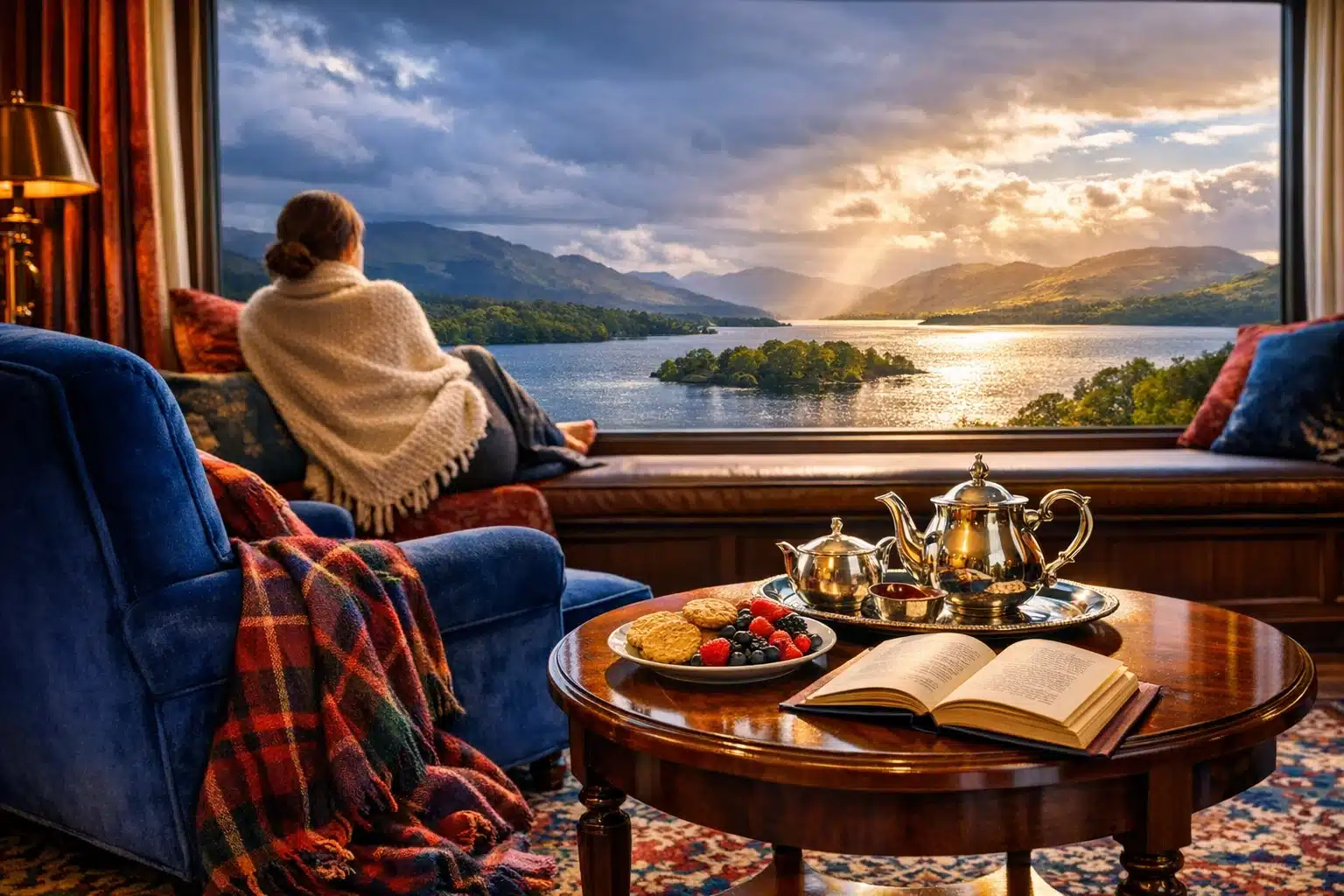
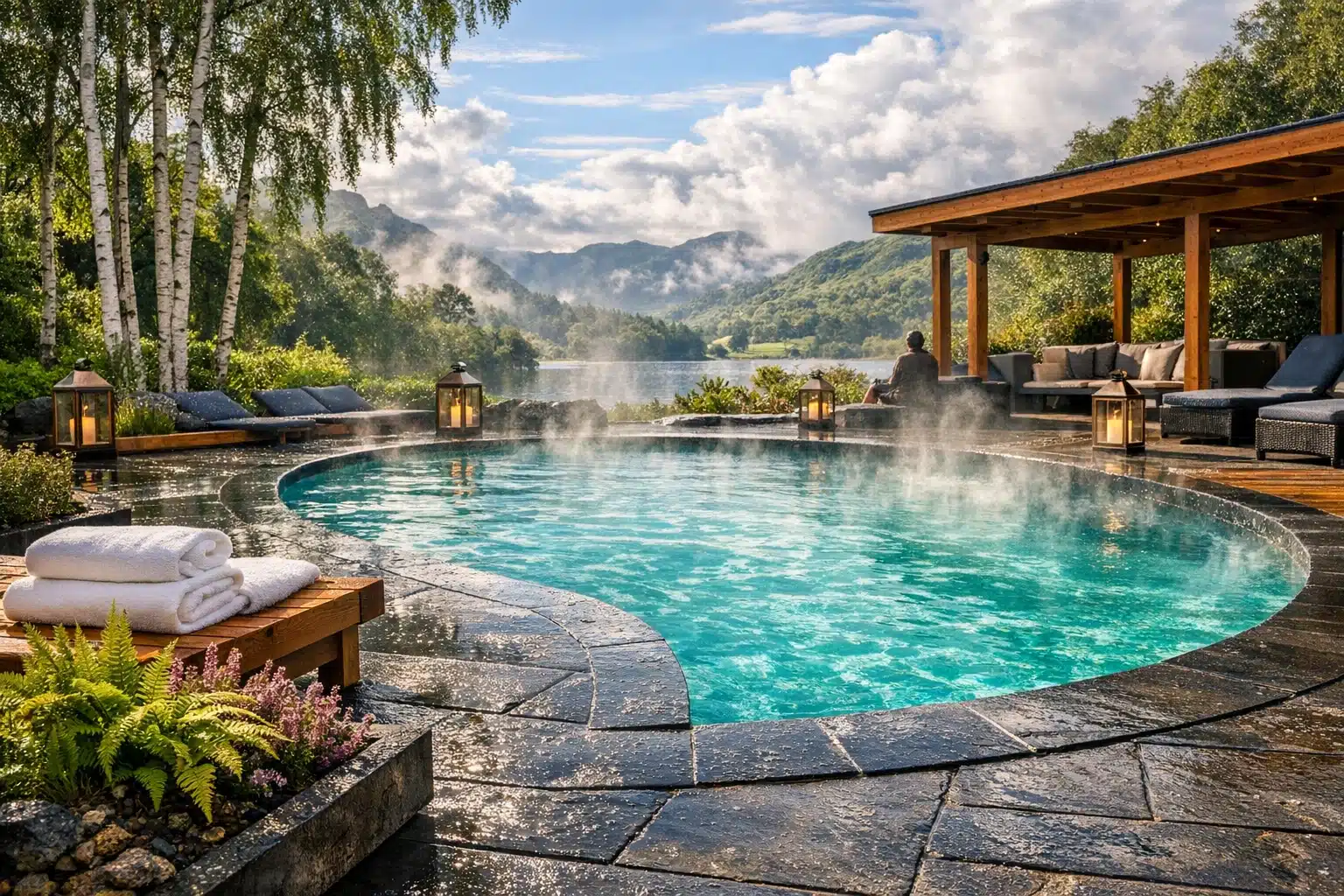
The relevance of this topic is easy to understand. Many travelers want the feeling of a holiday without the time demands of international travel. The Isle of Wight answers that need neatly. It is compact, but not dull; well known, but not one-note. A resort stay adds comfort to the equation, giving you a fixed base with amenities such as breakfast service, spa access, gardens, pools, or sea views, depending on the property. Think of the island as a small stage with several backdrops: chalk cliffs in the west, sailing culture in Cowes, classic beach scenes in Shanklin and Sandown, and a softer, more sheltered atmosphere in Ventnor. Over three nights, that variety can feel generous rather than overwhelming, which is exactly what many travelers want.
Choosing the Right Resort Base: Seafront Energy or Quieter Coastal Charm
Where you stay shapes the whole trip. On the Isle of Wight, resort choice is less about distance alone and more about atmosphere. The island is not huge, at roughly 380 square kilometres, yet roads can be slower than visitors expect, especially in summer. A town that looks close on a map can feel less convenient when buses are infrequent, parking is busy, or you want to return easily for an afternoon rest. For that reason, choosing the right base is one of the most important planning decisions for a three-night break.
Shanklin and Sandown are often the most recognisable resort choices for classic seaside appeal. They suit travelers who want easy beach access, family-friendly attractions, and a lively but not frantic holiday feel. Shanklin adds a little extra charm through its old village area and the leafy Shanklin Chine, while Sandown tends to feel broader, more open, and particularly practical for long seafront walks. These towns work well if your ideal break includes ice cream on the esplanade, straightforward dining options, and accommodation within walking distance of the shore.
Ventnor offers a different mood altogether. Tucked beneath steep downs on the south coast, it often feels more intimate, less conventionally “resort-like,” and more atmospheric in the best sense. The Victorian heritage remains visible, and the local microclimate is often described as milder than other parts of the island. Couples frequently gravitate here because the town feels more tucked away and less dependent on typical bucket-and-spade tourism. If your picture of a short break includes terrace views, coastal paths, and dinners that last a little longer than planned, Ventnor deserves a close look.
Cowes and East Cowes suit another type of visitor. Cowes is tied strongly to sailing culture, with marinas, regattas, and a more polished town-centre feel. It is ideal for travelers who like boutique hotels, waterside dining, and quick access from Southampton ferry services. East Cowes has the practical advantage of proximity to Osborne House, Queen Victoria’s former residence, one of the island’s most important historic attractions. Meanwhile, Yarmouth in the west appeals to visitors wanting a quieter, more upscale base near beautiful western landscapes and the Needles area.
A simple comparison helps:
-
Shanklin: good all-round choice for first-time visitors, families, and beach lovers.
-
Sandown: practical and relaxed, with broad seafront appeal and accessible facilities.
-
Ventnor: scenic and characterful, often better for couples or travelers after a slower rhythm.
-
Cowes: stylish, maritime, and convenient for sailing culture and some ferry routes.
-
Yarmouth: quieter, smaller, and well placed for western walks and views.
If the stay is centered on resort comfort rather than intensive sightseeing, pick the town whose evening atmosphere suits you. A room can be elegant, but if the surrounding area feels wrong after sunset, the whole break loses its shape. In a three-night plan, mood matters just as much as map position.
How to Spend Three Nights: A Smart Itinerary Without the Feeling of Rush
The best short-break itinerary does not attempt to conquer the island. It chooses a few strong experiences and leaves room for weather, appetite, and mood. That matters on the Isle of Wight because the island rewards wandering as much as checklist tourism. A café with a sea view, a stretch of promenade at dusk, or a windswept lookout near the Needles can end up becoming the memory that outshines the supposedly “main” attraction. A three-night stay works best when each day has a loose anchor rather than a rigid timetable.
On arrival day, keep ambitions modest. Travel, ferry timing, and hotel check-in can make the first afternoon shorter than expected. The smartest move is to settle into the resort and explore the immediate area on foot. If you are staying in Shanklin or Sandown, that may mean a seafront walk and an easy dinner near the beach. In Ventnor, it could be a sloping walk down toward the seafront with time to notice the layered rooftops, the curve of the bay, and the almost theatrical way the light changes on the water. Arrival evening is not the time to rush across the island. It is the time to shift gears.
Day two is ideal for the island’s headline scenery. The western end offers the most dramatic landscapes, especially around Alum Bay and the Needles. The chalk stacks and headland are the images many people associate with the Isle of Wight, and in clear weather they justify the reputation. Nearby walks can be as gentle or as ambitious as you want. If you would rather trade cliffs for heritage, Osborne House is an equally strong choice, offering architecture, royal history, and grounds that feel both formal and surprisingly personal. A practical pattern for the day looks like this:
-
Morning: set out early for the Needles area or Osborne House before the busiest hours.
-
Afternoon: stop for lunch in Yarmouth, Cowes, or a village en route, then add one smaller attraction or walk.
-
Evening: return to the resort for a quieter dinner instead of trying to fit in another major stop.
Day three can be more local and more flexible. This is a good day for beaches, short walks, gardens, or browsing town centres. Shanklin Chine, Ventnor Botanic Garden, Godshill village, or a stretch of the coastal path can each fill half a day comfortably. Families may prefer amusements, mini golf, or easy beach time, while couples might choose a long lunch followed by a promenade stroll. If the weather turns, museums, tearooms, galleries, and old pubs become part of the island’s charm rather than a backup plan.
The final morning should be treated as a bonus, not an afterthought. Have breakfast without clock-watching, take one last walk if timing allows, and leave with a little margin for ferry check-in. A short break feels longer when departure is calm. That is one of the quiet secrets of travel: sometimes the holiday is improved not by squeezing in more, but by leaving one hour unscheduled.
Budget, Food, and Logistics: What Visitors Should Know Before Booking
A resort stay on the Isle of Wight can be done on a reasonable budget, but the total cost depends heavily on season, ferry choice, and whether you bring a car. The island is often described as a simple domestic getaway, and that is true in principle, yet ferry pricing introduces a variable that can surprise first-time visitors. Vehicle crossings in particular can become expensive during summer weekends and school holidays. Booking early usually helps, and traveling in shoulder season, such as late spring or early autumn, often brings the best balance between price, weather, and crowd levels.
Accommodation rates vary by location and standard. A mid-range resort or hotel room may often sit somewhere around the low hundreds per night in quieter periods, then rise sharply in peak summer for sea-view rooms or properties with spa facilities. Budget guesthouses and B and Bs can lower costs, while higher-end boutique hotels in places like Ventnor, Cowes, or Yarmouth can push the stay into a more premium bracket. For travelers comparing value, it helps to think in packages rather than nightly rates alone. A slightly higher room price may include breakfast, parking, leisure facilities, or a better location that reduces transport spending.
Food is one of the pleasures of the island, and it offers more variety than a traditional resort stereotype suggests. Yes, fish and chips remain part of the experience, but there are also good cafés, gastropubs, bakeries, and seafood-focused restaurants. Local produce often appears on menus, and the island has a recognisable interest in farm shops and independent food businesses. In practical terms, dining costs can be managed by mixing one or two destination meals with easier lunches and simple breakfasts if not included in the room rate.
A sensible planning checklist includes:
-
Compare ferry routes, not just prices, because convenience can outweigh a small saving.
-
Check whether parking is included at the resort, especially in seafront towns.
-
Look at public transport links if you do not plan to drive; some areas are easier than others.
-
Reserve popular restaurants in advance during summer and bank holiday periods.
-
Pack for changeable weather, since sea breezes can make evenings cooler than expected.
As for getting around, a car gives the most flexibility, especially for scenic viewpoints and rural stops, but it is not essential for every traveler. The island has buses and rail links connecting some major towns, and visitors staying in one resort with light sightseeing plans can manage without driving. The choice comes down to pace. If you want to drift between beach, café, and nearby attraction, public transport can work. If you want to roam from the Needles to Osborne House and then to Ventnor with no compromise, a car is easier. In either case, the most practical budget advice is simple: price the whole trip early, not just the hotel, because the ferry and food can quietly reshape the total.
Conclusion: Who This Break Suits Best and How to Make It Worthwhile
A three-night resort stay on the Isle of Wight suits travelers who want a proper change of scene without the complexity of a long holiday. It is particularly well matched to people who value variety over novelty for its own sake. The island does not rely on one blockbuster experience. Instead, it layers together several smaller pleasures: beaches that encourage lingering, heritage sites with real substance, villages that invite slow walking, and resort towns where evenings can be as active or as quiet as you choose. For many visitors, that combination feels more restorative than a schedule packed with constant movement.
Couples are likely to enjoy the island most when they choose characterful bases such as Ventnor, Cowes, or Yarmouth and keep the itinerary spacious. Families often get the best value from Shanklin or Sandown, where beach access and familiar holiday infrastructure reduce hassle. Solo travelers may appreciate the island in shoulder season, when walking routes, cafés, and scenic public spaces feel calm rather than crowded. Older visitors or anyone preferring convenience over experimentation can also benefit from the destination’s manageable scale and well-established tourism network.
To make the break worthwhile, focus on three things. First, pick a resort town that matches your preferred evening atmosphere. Second, choose only one or two major outings rather than trying to “cover” the whole island. Third, leave room for the simple moments that define coastal travel: breakfast with a sea view, a quiet bench above the bay, the sudden smell of salt on a windy path, or the glow of lights along the promenade after dinner. These details are not filler. On the Isle of Wight, they are often the point.
In summary, this is an excellent short trip for readers who want comfort, scenery, and manageable planning in one package. It is not the place to chase maximum intensity, but it is a strong choice for anyone who wants to feel refreshed in just a few days. Book early if you are traveling in peak season, compare resort areas carefully, and build the schedule around how you want the stay to feel, not just what you want to tick off. Do that, and three nights on the Isle of Wight can feel less like a rushed getaway and more like a neatly folded holiday that opens up the moment you arrive.