3-Night Luxury Resort Stay in the Lake District
A 3-night luxury resort stay in the Lake District offers more than a pretty room and a polished breakfast; it turns a short break into a well-paced encounter with one of England’s most distinctive landscapes. For couples, busy professionals, and celebratory travellers, the format works because it is long enough to unwind yet short enough to fit into a long weekend. The region combines lakeside calm, mountain drama, refined dining, and spa culture in a way few domestic destinations match. This guide outlines how to plan the stay, compare resort styles, budget realistically, and shape each day for comfort, scenery, and memorable experiences.
Outline
This article is organised around five practical themes that matter most when planning a high-end short stay in the Lake District.
- Why three nights is an especially effective length for a luxury break in this region
- How different resort styles compare, from lakeside properties to country house retreats
- What a well-structured three-night itinerary can look like in practice
- Which dining, wellness, and curated experiences justify the premium price
- How to budget, book wisely, and decide whether this kind of trip suits your travel goals
Why a 3-Night Luxury Stay Works So Well in the Lake District
The Lake District is one of those places that can feel cinematic within minutes of arrival. Roads bend around stone walls, clouds drag their shadows across fells, and the water often looks like polished metal in the early morning. Yet that beauty is exactly why a one-night stay tends to feel unsatisfying. You arrive, unpack, enjoy dinner, sleep, and leave just as the pace begins to soften. A three-night format solves that problem neatly. It allows for one proper arrival day, one active exploration day, one indulgent or flexible day, and a departure morning that does not feel like a hurried retreat.
This timing matters because the Lake District is not simply a destination of attractions; it is a destination of atmosphere. The national park covers roughly 2,362 square kilometres and contains both Windermere, England’s largest natural lake, and Scafell Pike, England’s highest mountain. In practical terms, that means distances can be deceptive. A short drive on the map may become slower on narrow roads, especially in summer or during school holidays. A luxury stay becomes more valuable when there is enough time to enjoy the setting without treating every outing like a race against checkout.
Compared with a city luxury break, the Lake District delivers a different kind of premium experience. In London, luxury often means access, convenience, and cultural density. In the Lake District, it is more about space, silence, scenery, and service that cushions the day. A good resort gives you several layers of comfort at once:
- a room designed for lingering rather than merely sleeping
- grounds or terraces that extend the feeling of privacy
- food and drink that make staying in genuinely tempting
- spa, pool, or wellness access that turns downtime into part of the trip
Three nights also creates balance. Two nights can force a choice between outdoor exploration and resort enjoyment. Stay longer than that, and some travellers start feeling pressure to fill every hour with activities. Three nights sits in the middle. It is enough time for a lake cruise or guided walk, a long dinner, a spa session, and an hour simply watching weather roll across the hills with no agenda at all. For travellers who want sophistication without fuss, this is one of the strongest arguments for the format.
Choosing the Right Luxury Resort: Lakeside Grandeur, Country House Calm, and Spa-Led Comfort
Not every luxury resort in the Lake District delivers the same experience, even when room rates appear similar. Location, scale, style, and service philosophy all shape the feel of a three-night stay. Broadly speaking, high-end options in the region often fall into three appealing categories: lakeside hotels with dramatic views, country house retreats surrounded by gardens or woodland, and spa-centred resorts where wellness is the main event. None is universally better than the others; the best choice depends on what kind of luxury you actually want.
Lakeside resorts are often the most visually striking. They suit travellers who want immediate access to iconic scenery, waterside walks, and a strong sense of place. Waking up to a broad lake view can make even a quiet breakfast feel ceremonial. These properties tend to be ideal for first-time visitors because the landscape is right outside the window. The trade-off is that the most popular lake locations can feel busier, especially from late spring through early autumn.
Country house properties offer a different mood. Instead of grand waterfront panoramas, they often provide seclusion, mature grounds, heritage architecture, and a softer rhythm. These stays can feel more intimate and are often particularly attractive for anniversaries, proposals, or travellers who want understatement rather than spectacle. A beautifully restored building with fireplaces, garden paths, and excellent service can be more emotionally memorable than a larger resort with stronger leisure facilities but less character.
Spa-led resorts place the emphasis on treatment rooms, thermal suites, pools, fitness spaces, and calm interiors. For guests who see a short break as recovery time, this model is especially effective. However, not all spas justify a premium room rate, so comparison matters. When assessing value, consider the following:
- Is spa access included or charged separately?
- Are treatment slots easy to book, or do they fill quickly?
- Does the property have an adults-focused atmosphere or a family-friendly one?
- How far is the resort from the walks, villages, or lake areas you want to visit?
- Does the room category meaningfully improve the experience, or just enlarge the floor plan?
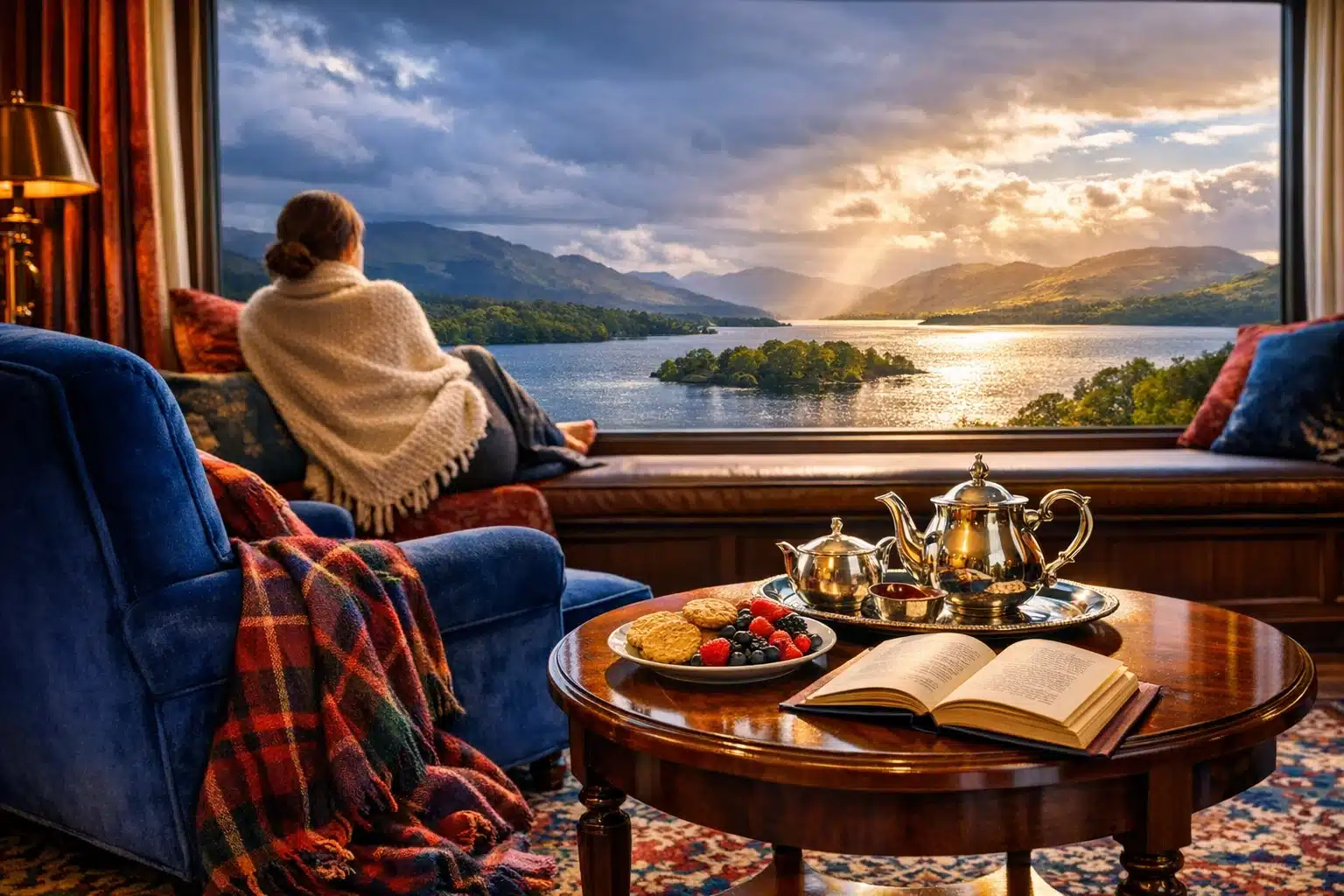
Room choice deserves careful thought too. A standard luxury room may already be excellent, but in scenic destinations the premium for a lake-facing room, terrace, or suite often delivers outsized emotional value. On a three-night trip, you will spend enough time in the room for the view or extra space to matter. It is the difference between having a place to sleep and having a private front row seat to the weather, the light, and the changing colour of the fells. That is often where luxury becomes tangible rather than theoretical.
How to Structure the Three Nights for Comfort, Scenery, and Time Well Spent
A luxury trip feels most rewarding when the schedule has shape without becoming rigid. The smartest way to use three nights in the Lake District is to let each day have a distinct character. One day should be about arriving and settling into the property, another about seeing the landscape properly, and another about slowing down enough to appreciate why the resort itself was worth booking. This rhythm prevents a common mistake: treating a premium stay as a simple base for nonstop sightseeing.
On day one, arrive early if possible, even if your room is not ready. Drop bags, have lunch on site or nearby, and take a gentle walk to shift from travel mode into holiday mode. If your resort has gardens, a lakeshore path, or a terrace with views, use it. Luxury begins when you stop checking the time. After check-in, keep the afternoon light: spa access, tea in the lounge, or an hour in your room with windows open if the weather allows. Dinner on the first night should be easy rather than ambitious. A well-run resort restaurant, a strong wine list, and the knowledge that your bed is minutes away often makes for the best start.
Day two is the moment to go bigger. Depending on your interests and energy level, this could include a private boat trip, a guided fell walk, or a scenic circuit through villages such as Ambleside, Grasmere, or Hawkshead. Travellers who want low-effort beauty might choose a cruise and a lakeside lunch. Those who like movement may prefer a moderate walk followed by a late spa treatment. The contrast is what makes the day satisfying: fresh air first, comfort later. A useful structure is:
- morning activity when the landscape feels fresh and quiet
- leisurely lunch in a village or at a destination restaurant
- afternoon rest back at the resort
- a more polished dinner, perhaps the signature meal of the trip
Day three should feel intentionally looser. This is the day for choice. If the weather is clear, you might take a second outing to a beauty spot you missed. If rain drifts over the hills, the plan can lean toward indoor pleasures: treatment rooms, a long lunch, reading by the fire, or lingering over dessert without a timetable. This flexibility is one of the strongest advantages of a three-night stay. You are not trying to rescue the trip from poor weather because you still have time to pivot.
On the final morning, avoid squeezing in too much. Have breakfast properly. Take one last short walk if the setting invites it. Buy a local food item, a book, or a simple keepsake rather than rushing through a shopping list. A well-planned luxury stay should end with a sense of completion, not with the feeling that the best part was only just beginning.
Dining, Wellness, and Signature Experiences: What Actually Makes the Stay Feel Luxurious
Luxury in the Lake District is rarely about spectacle alone. It is usually built from a series of thoughtful details that make the stay feel easy, calm, and considered. Dining, wellness facilities, and curated experiences are where many resorts justify their price, but only when those elements are genuinely well executed. A tasting menu means little if service is rushed. A spa looks impressive on a brochure, yet feels forgettable if the thermal area is crowded and the booking system is awkward. The real measure of quality is how seamlessly these extras improve the trip.
Dining is often central because a three-night stay gives enough time to notice variation. One excellent dinner can happen almost anywhere; sustaining a high standard across breakfast, lunch, bar snacks, afternoon tea, and a special evening meal is more difficult. In the Lake District, the strongest properties usually connect the food to the setting through local produce, seasonal menus, and a style of hospitality that feels warm rather than theatrical. Think Cumbrian lamb, local cheeses, regional ales, and menus that shift with the calendar rather than repeating safe staples all year.
Breakfast is especially revealing. A true luxury resort treats it as part of the stay, not a functional checkpoint. Freshly cooked dishes, strong coffee, unhurried service, and a room with natural light can shape your entire impression of the property. The same goes for lounges and bars. On a rainy afternoon, a comfortable space for a drink, a book, and a view can be as valuable as any excursion.
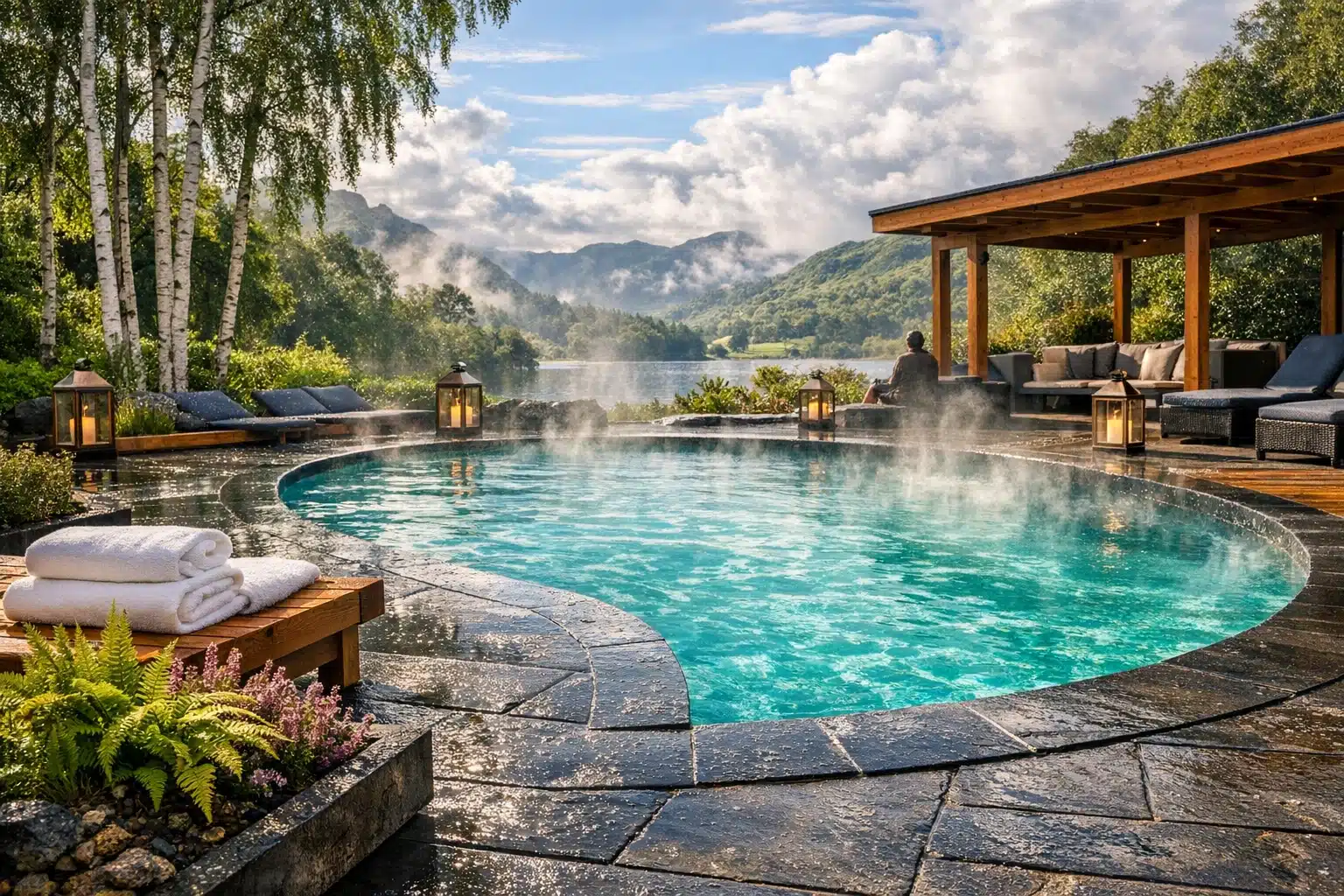
Wellness facilities deserve similar scrutiny. The best spa experiences support the cadence of the trip. After a morning walk, a hydrotherapy pool, sauna, or massage can feel transformative. But not every traveller needs an elaborate treatment menu. Sometimes the true value lies in reliable basics done well:
- a calm pool with generous opening hours
- clean changing areas and enough loungers
- simple booking procedures for treatments
- quiet spaces that encourage actual rest
- staff who understand pace and privacy
Then there are signature experiences, the moments people remember years later. In the Lake District, these are often surprisingly restrained: a sunset boat ride, a picnic arranged beside a tarn, a private driver guiding you through scenic passes, or an outdoor hot tub under a cold evening sky. Luxury here often works best when it heightens the landscape instead of competing with it. The rain tapping against old stone, the faint scent of woodsmoke, the silence before dinner service begins, the view from a bath toward darkening hills, these are not flashy features, yet they are exactly what elevate the stay from comfortable to unforgettable.
Budget, Booking Strategy, and Final Thoughts for the Right Traveller
A 3-night luxury stay in the Lake District can be deeply rewarding, but it helps to approach pricing with clear eyes. As a broad planning range, many upper-upscale and luxury properties in the region sit around £300 to £700 per night for a double room, depending on season, location, room type, and inclusions. Suites, premium lake views, and high-demand weekends can push the total well beyond that. Once dinner, drinks, spa treatments, parking, upgrades, and local transport are added, the trip cost rises quickly. None of this makes the experience poor value; it simply means that the smartest travellers budget for the full stay, not just the headline room rate.
Seasonality has a major effect. Summer and autumn weekends are typically the most competitive because the scenery is at its most photogenic and demand is high. Spring can offer a beautiful balance of fresh landscapes and slightly softer pricing. Winter, excluding festive periods, may present better value, especially for travellers who prioritise fireside comfort, spa time, and dramatic weather over long outdoor days. The Lake District can be magical in mist and rain, but your ideal season should match your expectations.
To book more intelligently, focus on what materially improves the trip. These choices often matter more than chasing a small nightly discount:
- prioritise the best room view you can reasonably afford
- check whether breakfast, spa access, and parking are included
- reserve dinner and treatments early for peak dates
- look at midweek or Sunday arrivals for better rates and a calmer atmosphere
- compare direct booking benefits against third-party offers
Transport planning also shapes the experience. Driving offers flexibility, especially for scenic routes and rural properties, but train-plus-taxi can work well for travellers who want to avoid narrow roads and simply relax. If your goal is restoration rather than movement, choosing a resort with strong grounds, dining, and wellness facilities may be better than selecting a remote place that requires constant driving.
So who is this trip best for? It suits couples marking an occasion, professionals who need a genuine pause rather than a frantic mini-break, and travellers who value environment as much as itinerary. It also works well for people who appreciate nature but want comfort layered over it: warm interiors after windy walks, thoughtful meals after long views, and service that removes friction from the day. If that sounds like you, a three-night luxury resort stay in the Lake District is not just a pleasant treat. It is one of the most efficient ways to experience the region at a human pace, with enough time to breathe, notice, and enjoy the landscape without feeling that you barely touched it.