5-Night Spa Resort Stay in Loch Lomond, Scotland
A 5-night spa resort stay in Loch Lomond blends still-water scenery, Highland air, and the slower pace many travellers only realise they need once they finally switch off. The destination matters because it pairs easy access from Glasgow with landscapes that feel genuinely restorative. For couples, solo guests, and busy professionals, it offers more than pampering; it creates room to rest, walk, eat well, and reset. This guide explains how to plan the stay, compare resort styles, and make the most of five unhurried nights.
Outline
• Why Loch Lomond works so well for a spa-focused escape
• How to compare resort styles, rooms, and wellness facilities
• What a balanced five-night itinerary can look like
• Where dining, outdoor activities, and the seasons shape the experience
• How to budget, pack, and decide whether this break suits your travel style
Why Loch Lomond Works So Well for a Spa-Focused Escape
Loch Lomond occupies a sweet spot that many destinations struggle to match: it feels cinematic, but it is not difficult to reach. The loch sits within Loch Lomond and The Trossachs National Park, which became Scotland’s first national park in 2002. The area is widely known for combining calm water, wooded slopes, island views, and a threshold position between the Lowlands and the Highlands. In practical terms, that means travellers can enjoy scenery associated with a more remote holiday without committing to long transfers or complicated transport. From Glasgow, the southern reaches of Loch Lomond are often reachable in under an hour by car, while Edinburgh is still realistic for a same-day arrival. For international visitors, that accessibility can make the difference between a stressful travel day and a smooth start.
There is also a strong emotional logic to choosing Loch Lomond for a five-night spa break. Short spa weekends can be enjoyable, but they often collapse under their own timetable: check in, squeeze in one treatment, have dinner, check out, and leave wondering where the rest went. Five nights changes the rhythm entirely. You can have a slow arrival, a proper spa day, time outdoors, one or two off-property excursions, and still keep room for empty hours. Those unclaimed pockets of time matter. They are often when the destination becomes memorable: mist lifting over the water at breakfast, a quiet seat near a window after a massage, or a late-afternoon walk when the shoreline turns silver in changing light.
Compared with city spa stays in Edinburgh or Glasgow, Loch Lomond usually offers a stronger sense of separation from routine. Compared with more distant Highland escapes, it asks less of travellers in terms of driving time and logistics. That balance makes it especially attractive to:
• couples wanting a romantic but low-stress break
• solo travellers looking for quiet without isolation
• friends planning a restorative trip with good food and gentle activity
• professionals adding a few days of recovery after a busy period
Another advantage is variety. Some Scottish spa destinations are beautiful but narrow in what they offer once you leave the treatment room. Loch Lomond gives you options: boat trips, village cafés, forest walks, scenic drives, golf, seasonal water activities, and access to heritage sites. It is not only about the spa; it is about how the spa sits inside a broader landscape. That is why the area suits a five-night stay especially well. The wellness part anchors the holiday, while the surroundings stop it from feeling repetitive.
Choosing the Right Resort Style, Room Type, and Spa Setup
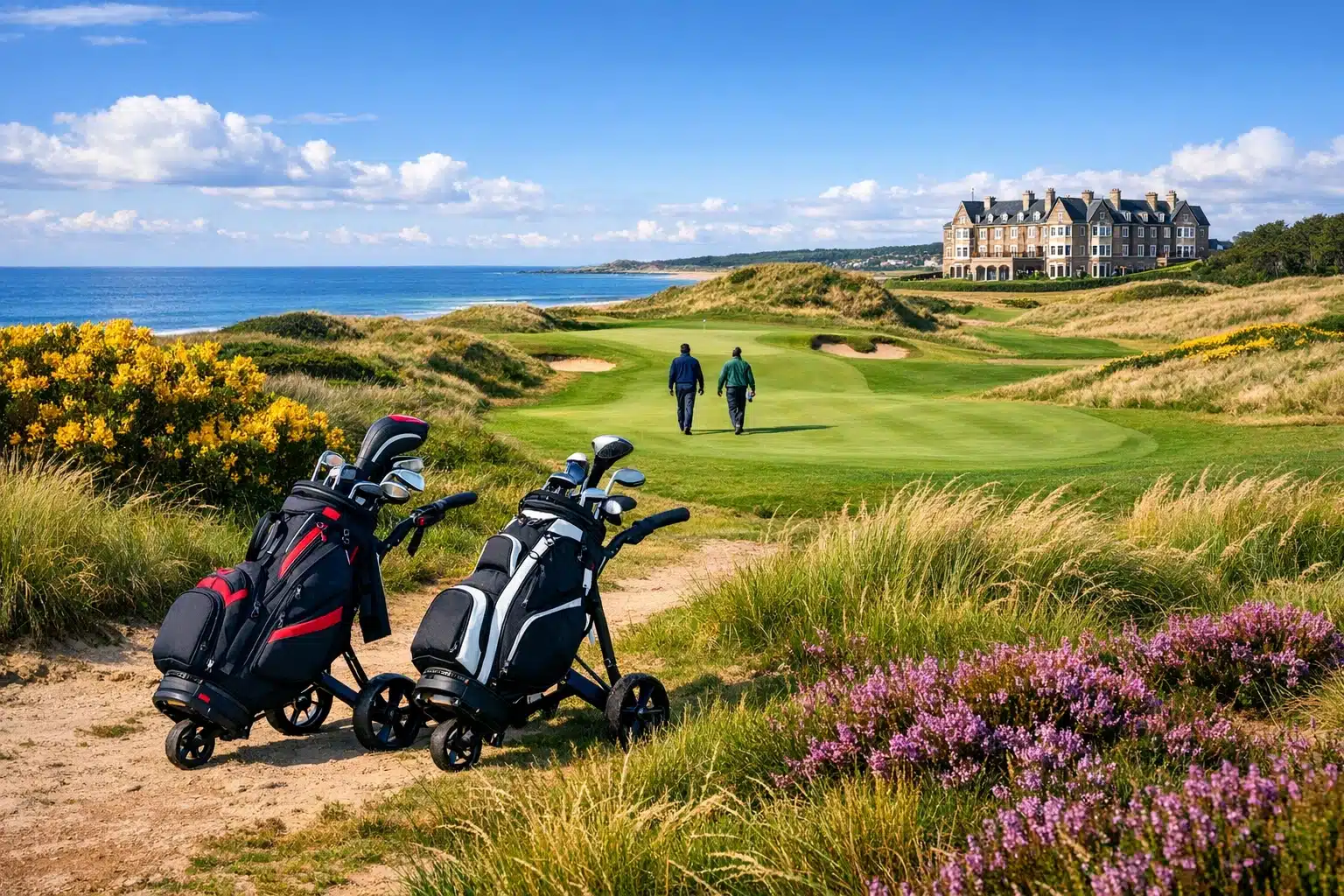
Not every Loch Lomond spa resort delivers the same experience, and this is where many travellers either book brilliantly or miss the mark. Broadly speaking, the area tends to offer three appealing styles. The first is the classic country-house or manor-style hotel, where the emphasis is on character, mature grounds, and a quietly traditional atmosphere. The second is the modern lochside resort, often with larger leisure facilities, brighter interiors, and a stronger focus on all-in-one convenience. The third is the golf-and-spa estate model, which can work especially well for mixed-interest groups when one guest wants treatments and another wants outdoor recreation. None of these is automatically better; the right fit depends on the pace and tone you want.
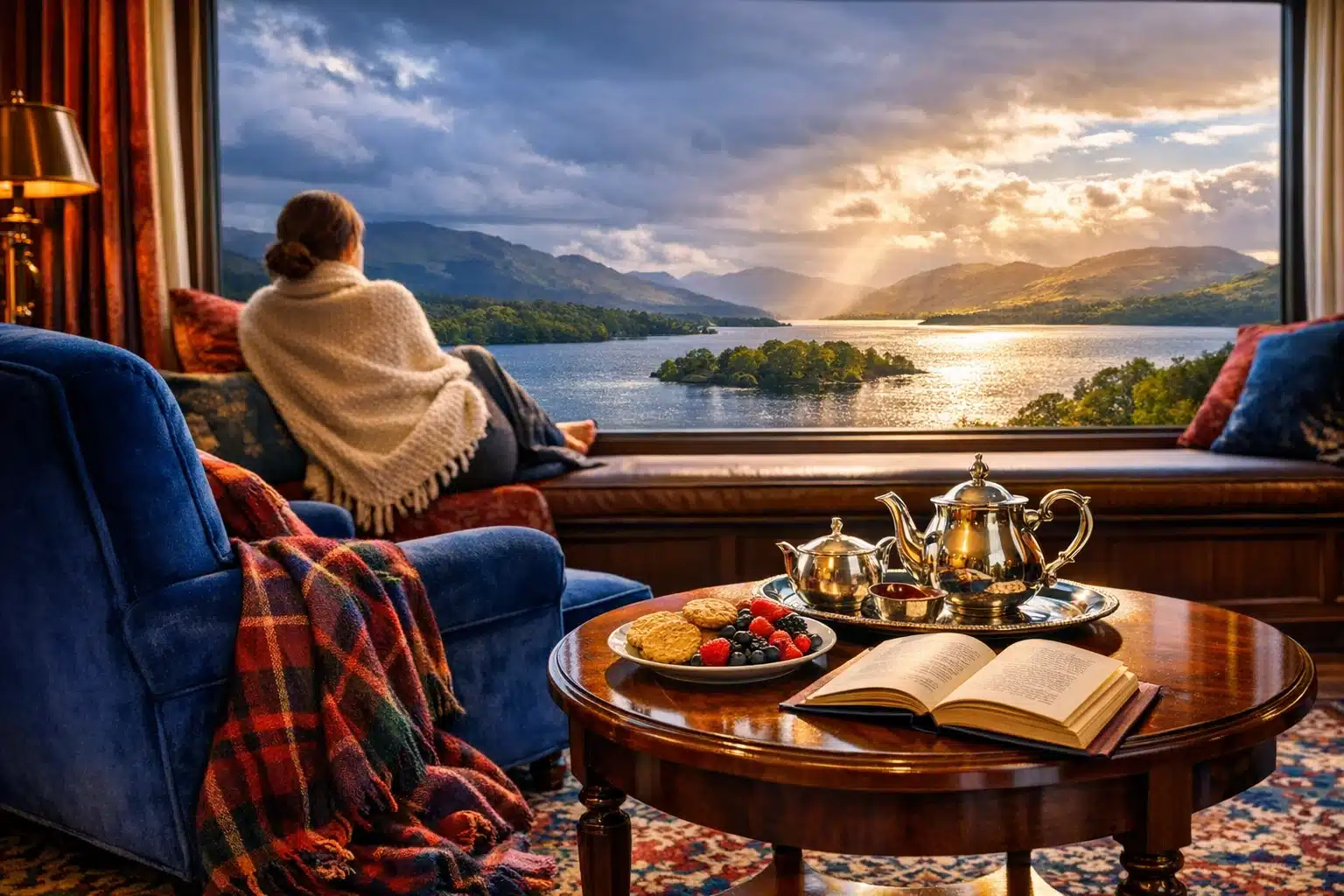
For a five-night stay, room choice matters more than it would on a one- or two-night break. A standard room may be fine for a brief stay, but over nearly a week, space becomes part of comfort. If the budget allows, a loch view, balcony, small sitting area, or upgraded bathroom can add real value because you will actually use it. Think less about the room as a place to sleep and more as part of the reset. A rainy afternoon with tea, a book, and wide windows can become one of the trip’s most satisfying moments.
When comparing spa facilities, look beyond the number of treatment rooms. A stronger question is how well the resort supports downtime before and after treatments. Useful features often include:
• a hydrotherapy pool or thermal suite
• steam room and sauna options with enough seating
• quiet lounges rather than only busy leisure areas
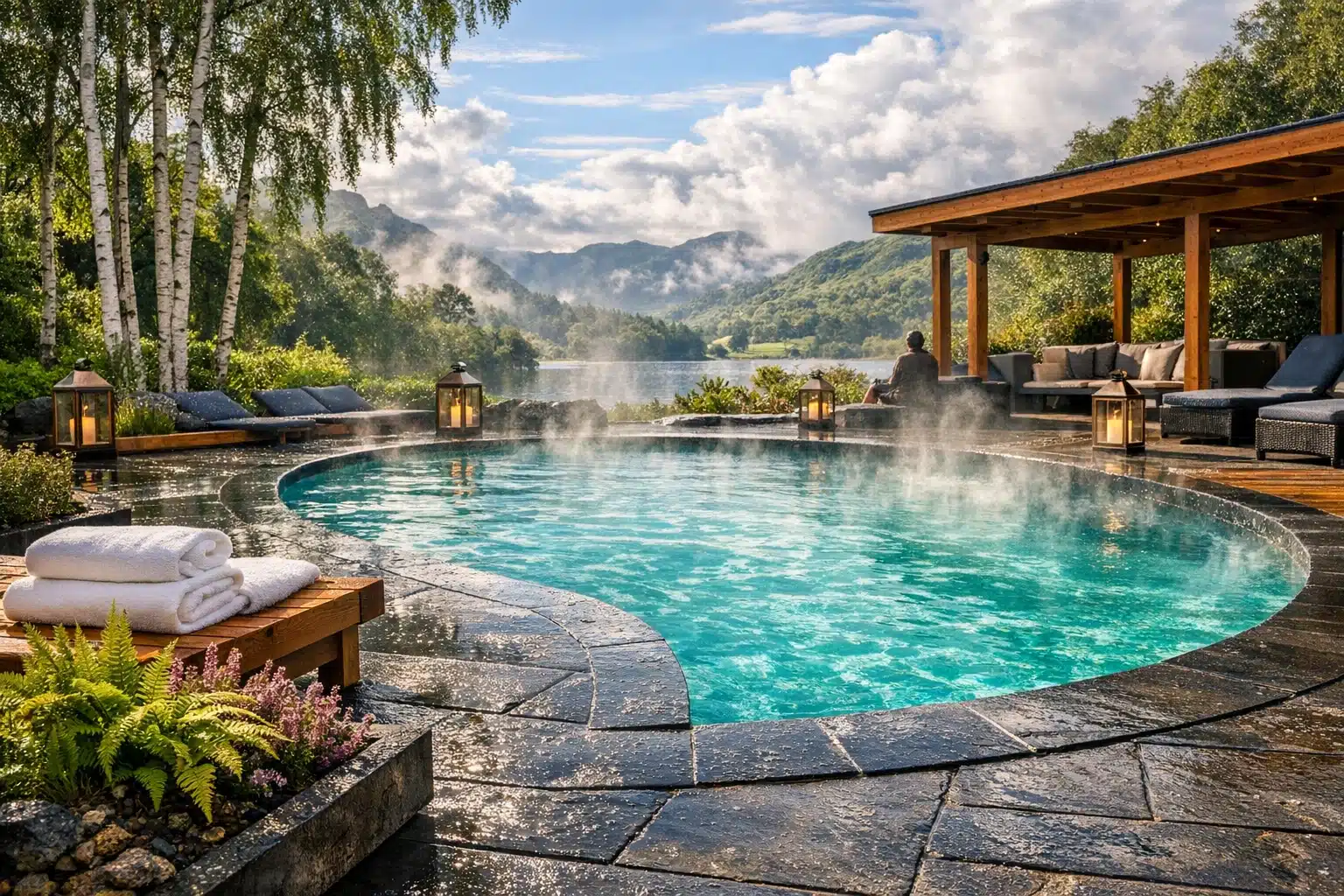
• outdoor hot tubs, terraces, or relaxation gardens
• booking systems that do not force guests into rushed time slots
Treatment menus vary widely. Some resorts focus on classic massages, facials, body scrubs, and maternity-safe wellness services, while others lean into wellness packages that include consultations, yoga, or sleep-focused rituals. If you are staying five nights, one treatment is rarely enough to justify the setting. Many guests find that two or three well-spaced treatments across the stay feels more balanced than attempting one packed “spa day.”
Cost is another major consideration. Depending on season, room type, and inclusions, a Loch Lomond spa resort can range from roughly mid-range to luxury pricing, with many stays falling somewhere between about £220 and £500 or more per night for two people when breakfast is included. Packages with dinner, spa access, and treatments can improve value, but the headline rate is not always the full story. Check whether access to thermal areas is included, whether robes and slippers are standard, whether dinner allowances are realistic, and whether treatment slots must be reserved well in advance. The most satisfying booking is rarely the cheapest one; it is the one where the experience matches the price and avoids annoying add-ons after arrival.
A Balanced Five-Night Itinerary That Feels Restful Rather Than Overplanned
The strongest five-night spa itinerary in Loch Lomond does not attempt to “do everything.” Instead, it alternates between stillness and gentle exploration. That rhythm keeps the stay from becoming either too passive or too busy. On Night 1, aim for a calm arrival. Check in early enough to use the spa facilities lightly, have an unhurried dinner, and avoid scheduling a major treatment immediately after travel. The first evening should be about decompression, not logistics. A short walk around the grounds or along the lochside is often enough to mark the transition from transit mode to holiday mode.
Day 2 is ideal for a dedicated wellness day. Start with a relaxed breakfast, use the pool, sauna, or hydro areas, and then book your first substantial treatment around late morning or early afternoon. Leaving space afterward is important; one of the common mistakes on spa trips is stacking a massage directly before a long outing. Instead, spend the rest of the day in the slow lane. Read, nap, sit outdoors if the weather is kind, or take a very short local walk. Dinner on this night often feels especially enjoyable because the body has fully slowed down. If the resort has a tasting menu or a more formal dining room, this is a good moment to try it.
Day 3 works well as an exploration day. Depending on where you are staying, you could take a loch cruise, visit nearby villages such as Luss for its postcard-worthy waterfront character, or drive a scenic section of the national park. A modest walk, rather than a strenuous hike, usually suits the overall tone of the trip better. Think woodland paths, shoreline viewpoints, or a gentle hill with rewarding views. Return in time for casual use of the spa in the late afternoon. This creates one of the nicest contrasts of the holiday: fresh outdoor air followed by warm indoor comfort.
Day 4 can be shaped around food and culture. Browse local shops, stop for coffee in a village setting, or add a heritage visit if that appeals. Some travellers use this day for afternoon tea, a whisky experience, or a second treatment with a different focus, such as a facial after a massage earlier in the stay. Night 4 is often the point when guests feel completely settled; the resort no longer feels new, and the holiday has found its own pace.
Day 5 is best kept flexible. If the weather is glorious, go outside. If rain moves in, claim the spa again without guilt. This is also a good day for any experience you deliberately left unscheduled, such as a treatment, a longer lunch, or simply several uninterrupted hours doing very little. Night 5 should feel like a proper finale, not a rushed pre-departure evening. On the morning of departure, leave enough time for breakfast and one final look across the water. Five nights is long enough for Loch Lomond to stop feeling like a destination on a list and start feeling briefly, pleasingly familiar.
Dining, Outdoor Activities, and the Way the Seasons Change the Stay
One reason a Loch Lomond spa break holds attention for five nights is that the experience is not confined to treatment rooms. Food plays a large role in that. Resort dining in the area often leans into Scottish produce without turning every meal into theatre. Depending on the property, you may see salmon, shellfish, venison, beef, oat-based desserts, seasonal soups, local cheeses, and berries in summer. Better resorts usually offer a useful split between one more polished evening dining option and one more relaxed setting for lunch or casual dinners. That matters over several nights; even excellent food can feel repetitive if the format never changes.
Travellers who want the most value from the trip should think of meals as part of the overall pacing. A heavy breakfast before a spa treatment may not feel especially clever, while a long lunch after a loch walk can become a highlight. If you drink alcohol, Scotland’s whisky culture can be a pleasant extra rather than the main event. If you do not, many hotels now give more attention to good teas, botanical drinks, and non-alcoholic pairings, which suits the wellness setting far better than forcing every special meal into a drinks-focused mould.
Outdoor activity is the other half of the equation. Loch Lomond can be as energetic or as gentle as you want. You can keep it soft and restorative with:
• loch cruises and scenic boat trips
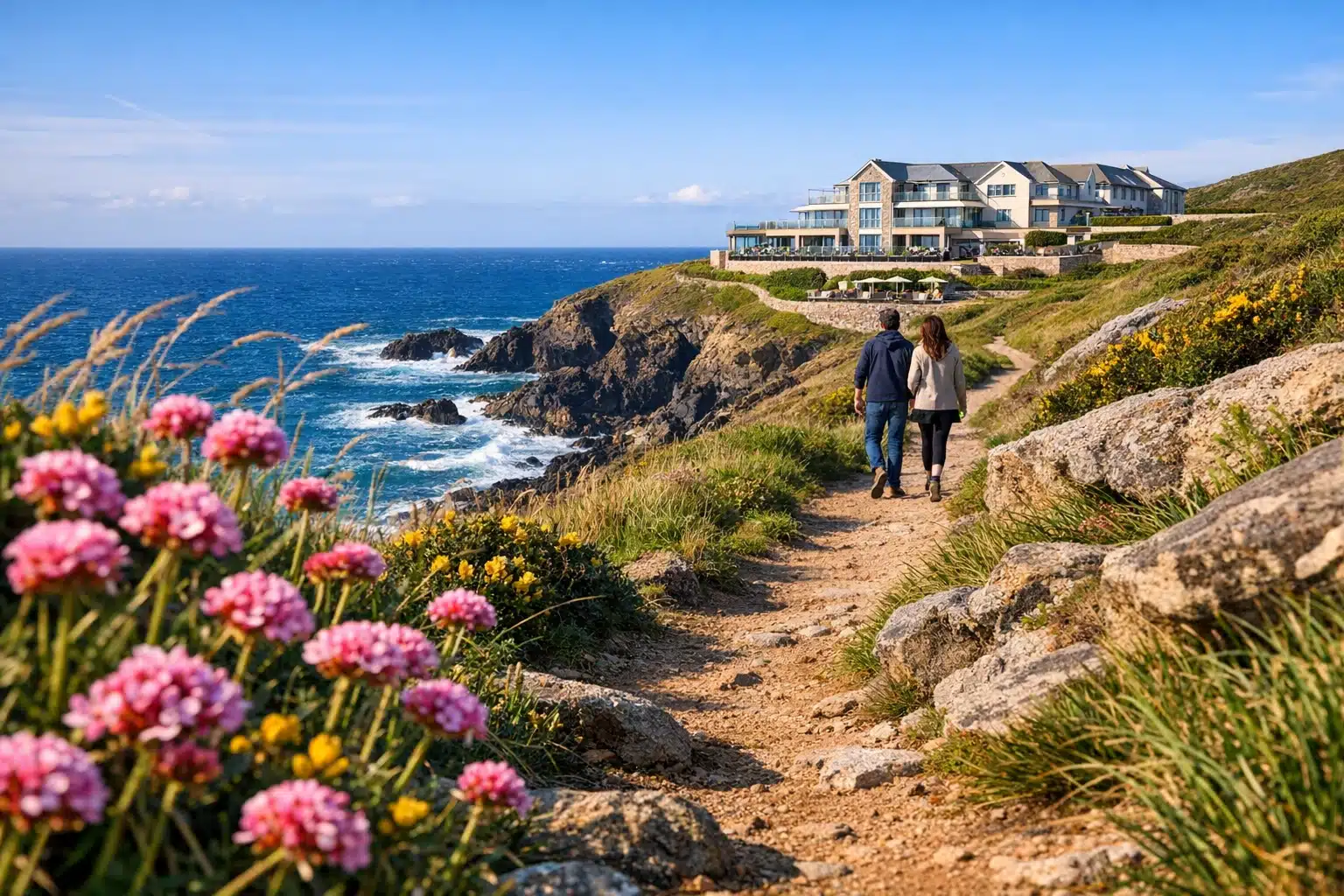
• shoreline strolls and woodland walks
• photography stops and picnic viewpoints
• easy village exploration and café breaks
Or you can add more movement through cycling, longer hikes, paddle sports, or golf, depending on your confidence and the season. The key is not to overload the itinerary. A spa break loses coherence if every day becomes an expedition.
The seasons also shape expectations. Spring often brings crisp air, emerging greenery, and fewer crowds, making it a strong choice for people who like a fresh, quiet atmosphere. Summer gives the longest days and the easiest conditions for boating and late-evening walks, though it may also bring higher rates and more visitors. Autumn is perhaps the most naturally dramatic, with changing foliage and a mood that suits warm interiors, deep baths, and lingering dinners. Winter can be deeply appealing for travellers who enjoy contrast: cold views outside, steam and warm lighting within. Shorter days mean outdoor plans need more precision, but the cocooning side of resort life becomes even more satisfying. That seasonal flexibility is a major strength of Loch Lomond. The destination does not rely on one perfect weather pattern; it changes character and remains appealing in different ways.
Final Thoughts: Budgeting Smartly and Deciding Who This Five-Night Stay Suits Best
A five-night spa resort stay in Loch Lomond is not the cheapest short holiday in Scotland, but it can be a very good-value choice when measured against what it provides: scenic access, on-site relaxation, quality dining, and a schedule that allows real rest rather than hurried consumption. The smartest way to budget is to separate fixed costs from flexible ones. Fixed costs usually include accommodation, breakfast, transport, and any pre-booked package. Flexible costs are the extras that can quietly inflate the bill, such as additional treatments, upgraded dining, drinks, parking at certain locations, boat excursions, and late room-service habits that seem innocent until checkout.
A practical planning checklist helps:
• book treatment slots as soon as the stay is confirmed
• compare package rates with room-only plus add-ons
• check whether spa access is included on both arrival and departure days
• ask about dinner credits before assuming half board is generous
• bring layers, waterproofs, and comfortable shoes in every season
• leave room in the itinerary for weather changes instead of fighting them
Packing for Loch Lomond is less about glamour and more about flexibility. Scotland’s weather can shift within hours, even in warmer months. Good outerwear, a compact umbrella, swimwear, and footwear suited to damp paths are more useful than overplanning outfits. If you expect to spend meaningful time in the spa, a spare swimsuit can be surprisingly convenient. A book, journal, or downloaded playlist also earns its place, because this is the sort of trip where deliberate quiet can become a feature rather than a gap to fill.
So who gets the most from this kind of stay? Couples often find that five nights allows romance without pressure; there is enough time to enjoy each other’s company without scheduling every hour as an “occasion.” Solo travellers can benefit even more, particularly if they want privacy, gentle structure, and a destination that feels safe and navigable. Friends travelling together may appreciate the mix of shared meals and independent downtime. Even older family members or multigenerational adult groups can make it work if the chosen resort offers accessible facilities and a range of low-effort activities.
For the right traveller, Loch Lomond delivers something increasingly rare: a break that feels restorative without feeling isolated, and scenic without demanding constant effort. If you want a holiday built around recovery, comfort, and a strong sense of place, five nights is long enough to enjoy the loch properly and short enough to fit into real life. That is the real appeal of this trip. It is not about chasing every attraction in the national park. It is about giving yourself enough time for Scotland’s landscape, hospitality, and stillness to do their work.