Discover Greece with a 5-Night Stay Near Navagio Beach
A 5-night stay near Navagio Beach gives travelers enough time to do more than chase a postcard view. On Zakynthos, the famous shipwreck cove is only one part of an island shaped by limestone cliffs, quiet villages, sea caves, and tavernas that stretch dinner into the evening. With the right base, five nights create room for both headline sights and unhurried detours. That balance is what turns a quick stop into a travel memory with texture.
Outline
• Why Navagio Beach remains one of Greece’s most recognizable coastal landmarks, and why five nights is a useful length for a fuller visit. • Where to stay near the beach, with comparisons between quieter inland villages, northern ports, and more connected areas. • A sample 5-night plan that mixes iconic sights with realistic pacing. • What to experience beyond the shipwreck cove, from food and village life to caves and viewpoints. • Practical tips on transport, timing, costs, and which type of traveler will enjoy this trip most.
Why Navagio Beach Is Worth Building a Whole Stay Around
Navagio Beach, often called Shipwreck Beach, is one of those rare places that looks unreal even after you have seen a hundred photographs of it. The contrast is dramatic and instantly legible: white pebbles, electric-blue water, steep limestone walls, and the rusting shipwreck at the center like a prop left behind by a myth. Located on the northwestern coast of Zakynthos, the cove became internationally famous because it compresses everything travelers imagine about a Greek island into one frame. Yet the real value of staying nearby for five nights is not just the view itself. It is the chance to experience the wider landscape that gives the beach meaning.
The shipwreck most commonly identified as the Panagiotis washed ashore in 1980, and stories around smuggling helped deepen the beach’s legend. Whether visitors are drawn by the history, the geology, or the sheer visual spectacle, the site works best when approached with context. Zakynthos is not only a destination for a single photograph taken from a crowded platform. It is an island where sea conditions, light, distance, and timing shape the experience. Morning water can look almost neon under clear skies; late afternoon softens the cliffs and makes the coastline feel cinematic. A traveler who stays nearby can choose the right hour rather than settle for whatever a day trip permits.
Five nights is a particularly practical length because it allows for flexibility. Access conditions around Navagio can change due to weather, boat schedules, or safety restrictions linked to rockfall concerns, and local authorities may occasionally limit beach or viewpoint access. Travelers with only one rushed day can be unlucky. Those with several nights have room to adapt. If the boat trip is better on day three than on day one, the schedule can breathe. If clouds roll in, you can wait for brighter water. That freedom matters more here than at many other coastal landmarks.
There is also a broader travel advantage. A stay near Navagio places you close to other highlights on the northern and western side of Zakynthos, including the Blue Caves, cliffside viewpoints, monastery areas near Anafonitria, and smaller villages where tourism feels present but not overwhelming. Compared with staying only in the busier south, a northern or northwestern base creates a different rhythm. The nights are quieter, the roads feel more rural, and the island’s rugged side becomes part of daily life. In short, Navagio Beach is not only a stop. It is a doorway into a more layered version of Zakynthos.
Choosing Where to Stay Near Navagio Beach
When people say they want to stay near Navagio Beach, what they usually mean is that they want easier access to the beach’s viewpoint, to boat departures in the north, and to the quieter scenery that surrounds the island’s western coast. Because Navagio itself is not lined with hotels, choosing the right base means understanding the geography of Zakynthos. Roads in this part of the island can be winding and narrow, and driving times often look short on a map but feel longer in practice. That makes location a strategic choice rather than a minor detail.
For many travelers, the most useful bases are Volimes, Anafonitria, and Agios Nikolaos. Each offers a different version of convenience. Volimes is inland and village-like, giving easy access to the western cliffs and viewpoints. It suits travelers who want traditional surroundings, a slower pace, and short drives to scenic spots. Anafonitria sits in a similar category and is especially good for visitors who prefer small guesthouses, local tavernas, and a sense of rural Zakynthos over nightlife or shopping strips. Agios Nikolaos, by contrast, is more practical for sea-based excursions. It is a port village in the northeast of the island’s northern tip, and boats to the Blue Caves and other coastal sites frequently depart from here.
Here is the trade-off in simple terms: • inland villages give you atmosphere and access to viewpoints • port areas give you easier boat logistics • larger eastern hubs give you more restaurants and services but add driving time. Travelers staying in Zakynthos Town or the southern resort areas can still visit Navagio, but they should expect longer transfers. From the airport area or Zakynthos Town, reaching the north often takes around 45 to 70 minutes by car, depending on traffic and the exact destination. From Kyllini on the mainland, the ferry to Zakynthos Town typically takes around 1 hour and 15 minutes, after which there is still a substantial road journey north.
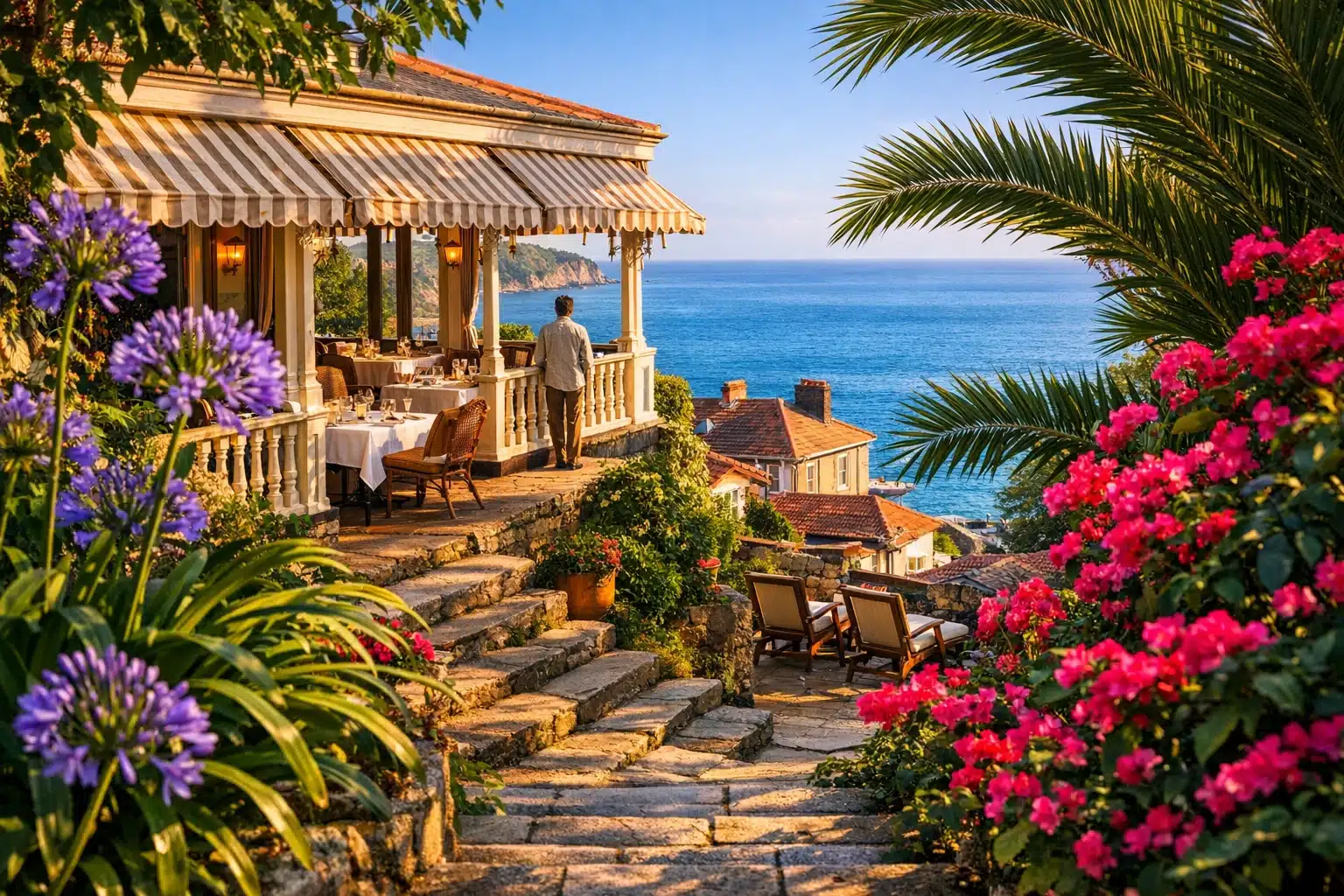
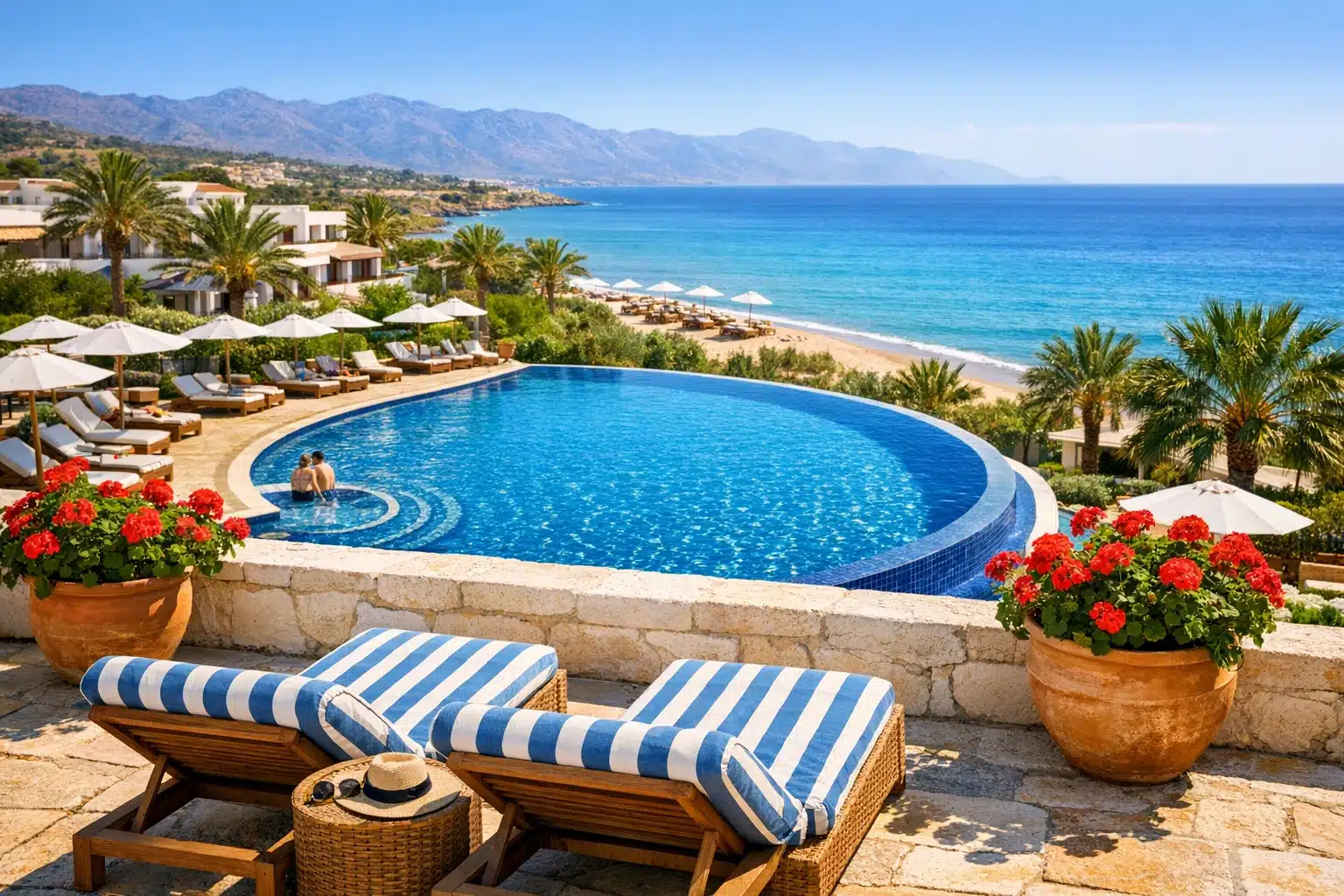
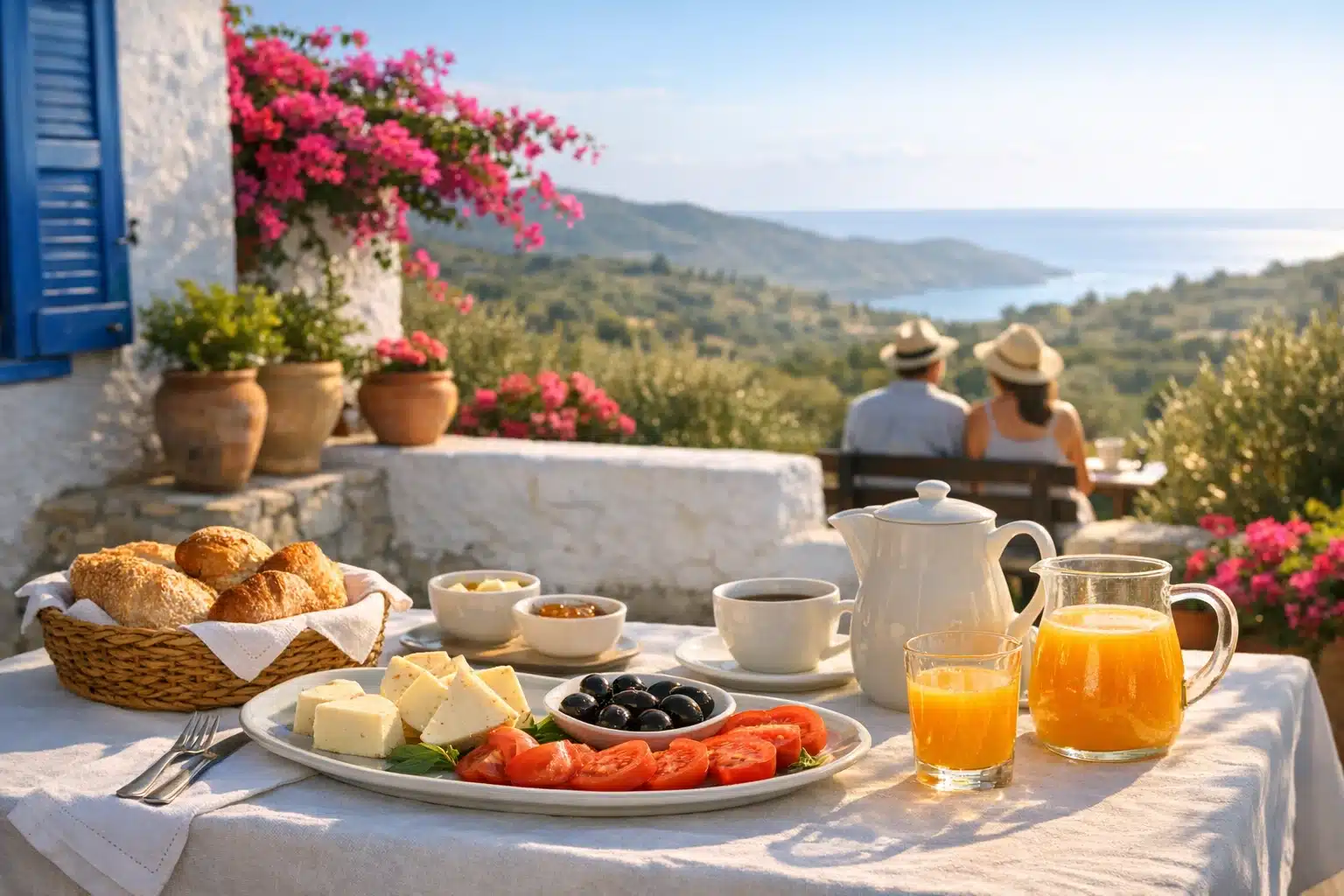
Accommodation style also changes by area. In the north and northwest, many places are family-run apartments, villas, and modest boutique stays rather than large resorts. That is often a benefit. You get terraces with sea or hill views, home-style breakfasts, and hosts who can tell you which road is easiest after dark or which cove is calm when the wind shifts. Travelers who want polished resort facilities may prefer the south, but they will trade away proximity to the island’s most dramatic coastal scenery.
The best choice depends on your priorities. Couples and photographers often do well in Volimes or Anafonitria because dawn and sunset access matters. Families who want boat trips without too much driving may prefer Agios Nikolaos. Travelers who value nightlife, beach bars, or a bigger range of dining options might split their stay between north and south. But if the central dream is to discover Greece through a five-night immersion near Navagio Beach, then a quieter northern base is usually the more coherent and rewarding option.
A Practical 5-Night Itinerary Near Navagio Beach
A good 5-night stay near Navagio Beach should not be planned like a race. Zakynthos is at its best when days have shape but not pressure, so the itinerary should leave room for weather changes, slow lunches, and spontaneous viewpoint stops. The following structure works well because it places the most weather-sensitive activities early enough to reschedule, while also letting the island unfold gradually.
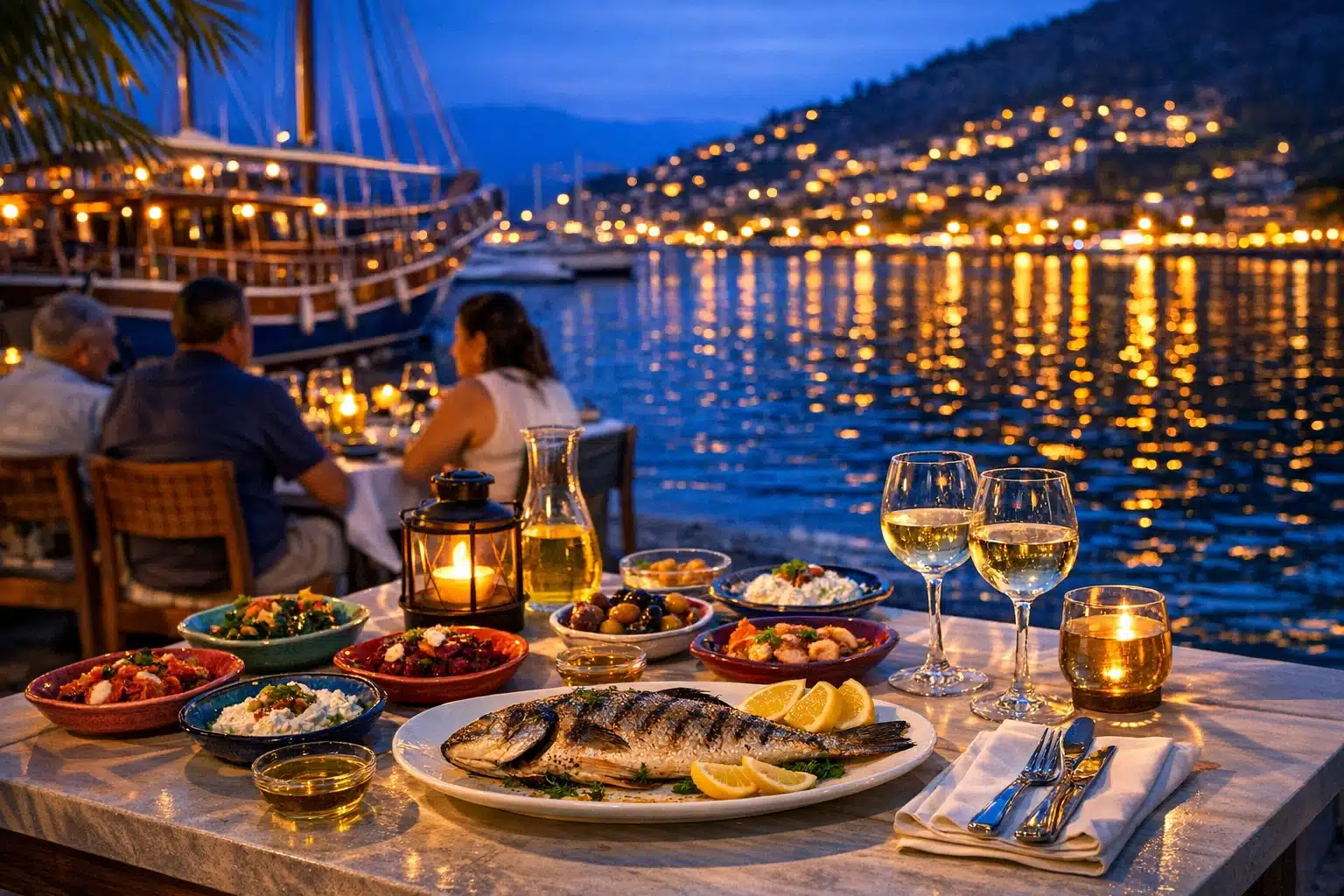
Night 1 is for arrival and orientation. If you are driving from the airport or ferry port to the north, aim to arrive before dark because rural roads are easier to read in daylight. Check into your accommodation, take a short walk, and keep the evening simple. A village taverna dinner is the ideal opening scene: grilled fish, local cheese, olive oil, bread still warm from the oven, and house wine that tastes better because there is nowhere urgent to be. Resist the temptation to cram in a viewpoint on arrival day. The island will still be there in the morning, and it deserves rested eyes.
Day 2 is the day to focus on Navagio itself, but with a realistic plan. If boat access is operating and conditions are safe, taking a morning excursion can be the most direct way to appreciate the cove from sea level. If beach landings are restricted, coastal cruises still offer excellent views from the water. Later, visit the official viewpoint area if it is open and accessible under current local rules. The difference between seeing Navagio from above and from the sea is substantial: from the cliffs, the cove looks sculptural and almost abstract; from the boat, it feels enclosed, dramatic, and much larger than photos suggest.
Day 3 works well for the Blue Caves and the northern coast. Departures from Agios Nikolaos are common, and smaller boats are often able to enter cave openings or travel closer to the rock formations than larger tour vessels. Bring a mask if swimming stops are allowed. The water clarity in this part of Zakynthos is a major attraction in itself, especially under strong midday light. In the afternoon, drive or walk through nearby villages and pause for coffee rather than adding another major excursion. This is where five nights pays off: one spectacular boat outing does not have to erase the rest of the day.
Day 4 is ideal for inland and western exploration. Visit Anafonitria Monastery, pass through Volimes, and stop at western viewpoints where the coastline falls away in long pale ridges. Kampi, farther southwest, is known for sunset views and can make a memorable late-day destination if you do not mind extra driving. The roads are part of the experience here. Olive groves, stone walls, and occasional glimpses of the sea create a rhythm that feels very different from resort-heavy island tourism.
Day 5 can be shaped around your travel style. Active travelers might choose a second swim stop, coastal kayak outing where available, or a longer scenic drive. Food-focused visitors may prefer a slower circuit of bakeries, local shops, and tavernas. If you want contrast, head south for a few hours to see another face of Zakynthos, then return north for a quieter final evening. On the last morning, leave time for one final coffee with a view. It sounds small, but these unhurried bookends often become the part of the trip people remember most clearly.
Beyond Navagio: Food, Villages, Coastlines, and the Character of Zakynthos
The risk of staying near a famous landmark is that the landmark can dominate the story. Yet Zakynthos rewards travelers who treat Navagio as a beginning rather than the whole plot. Once the shipwreck cove draws you in, the island offers a broader palette: village life in the hills, layered coastal geology, religious heritage, local products, and a food culture that is quietly satisfying rather than showy. This is where a five-night stay becomes more than scenic tourism. It becomes a chance to understand how the island lives beyond its most photographed edge.
Food is often the easiest gateway into that understanding. In northern villages, meals tend to feel rooted in household traditions. Expect dishes built around olive oil, seasonal vegetables, grilled meats, island cheeses, and seafood when the day’s catch allows. One dinner might feature slow-cooked rabbit or a tomato-rich casserole, while lunch the next day leans lighter with Greek salad, fried zucchini, and fresh bread. Desserts and spoon sweets vary, but hospitality has a familiar rhythm: you order what sounds good, then something extra may appear at the end of the meal. It is not staged performance. It is simply how many local tavernas still work.
The villages themselves give the island emotional depth. Volimes is known for local crafts and a more traditional atmosphere, though like many destinations touched by tourism, quality and authenticity vary from shop to shop. Browse, but browse thoughtfully. Look for handmade textiles, honey, olive products, or small-batch goods rather than defaulting to generic souvenirs. Anafonitria has a quieter, more contemplative feel, helped by the monastery and the surrounding countryside. Walking through these areas after the coast can feel almost like changing islands. The roar of the sea is replaced by cicadas, shaded courtyards, and the slow choreography of rural life.
Nature on Zakynthos also deserves a wider lens. The northern coast is known for caves and transparent water, while the southern part of the island is associated with loggerhead sea turtles in Laganas Bay. Even if your base is near Navagio, knowing this broader ecological context matters. Zakynthos is not just picturesque; it is environmentally sensitive. Responsible travel habits make a difference. • Respect boat operator guidance around swimming and landing zones. • Avoid litter on beaches and viewpoints. • Stay on marked paths near cliffs. • Keep expectations flexible when authorities restrict access for safety or conservation reasons.
There is a particular pleasure in ending a day near Navagio without actually being at Navagio. You might watch late light settle over a nameless stretch of hillside, hear cutlery from a taverna terrace, and realize the island has quietly shifted from spectacle to presence. That shift is the real reward of staying longer. A famous beach gets you to Zakynthos; the rest of Zakynthos is what persuades you that coming for five nights was the right decision.
Planning Tips and Final Thoughts for Travelers Considering This 5-Night Stay
For most travelers, the success of a five-night stay near Navagio Beach comes down to timing, transport, and expectations. Zakynthos can be deeply enjoyable in peak summer, but July and August also bring the highest visitor numbers, warmer nights, and more pressure on roads, parking areas, and boat departures. The shoulder season, especially late May through June and then September into early October, is often a stronger choice for travelers who want pleasant temperatures and a bit more breathing space. Sea conditions are never guaranteed, but these periods can offer a more comfortable balance between swimming weather and manageable crowds.
Transport is the next big decision. A rental car is usually the most practical option if you plan to stay near Navagio and explore villages, viewpoints, and different boat departure points. Public transport on the island is useful in some corridors but less convenient for rural northern exploration. If you are nervous about narrow roads, choose accommodation with clear parking access and avoid overloading each day with too many stops. Drivers should assume that mountain and coastal roads will take longer than expected, especially at sunset when everyone seems to be heading for the same panoramic lookout.
Budgeting is simpler when you understand what you are paying for. Northern stays are not necessarily cheap or expensive across the board; prices swing by season, sea view, and property type. A modest apartment or family-run room can offer excellent value, while a private villa near the cliffs may be a splurge. Boat tours also range widely depending on group size and duration. The cheapest option is not always the best if it leaves no flexibility or crowds too many passengers onto a rigid schedule. Sometimes paying a bit more for a smaller excursion improves the day far more than upgrading a room category would.
This kind of trip suits certain travelers especially well. • Couples who want scenery without nonstop resort noise often love the north. • First-time visitors to Greece who want one iconic image but also a broader island experience will find five nights very manageable. • Photographers benefit from staying close enough to revisit viewpoints under different light. • Independent travelers who enjoy driving, wandering, and building their own rhythm are likely to get the most from the area. Families can enjoy it too, though they may prefer to balance quiet northern nights with a few easier beach options elsewhere on the island.
In the end, a 5-night stay near Navagio Beach works best for travelers who want Greece to feel both legendary and lived-in. The shipwreck cove delivers the visual drama, but the true value of the trip lies in what surrounds it: village roads, sea caves, long meals, and the luxury of not having to rush back to a bus. If your ideal holiday mixes famous scenery with local texture, Zakynthos offers that combination with surprising ease. Come for the cliff-framed blue water, stay for the island that continues after the camera is put away.