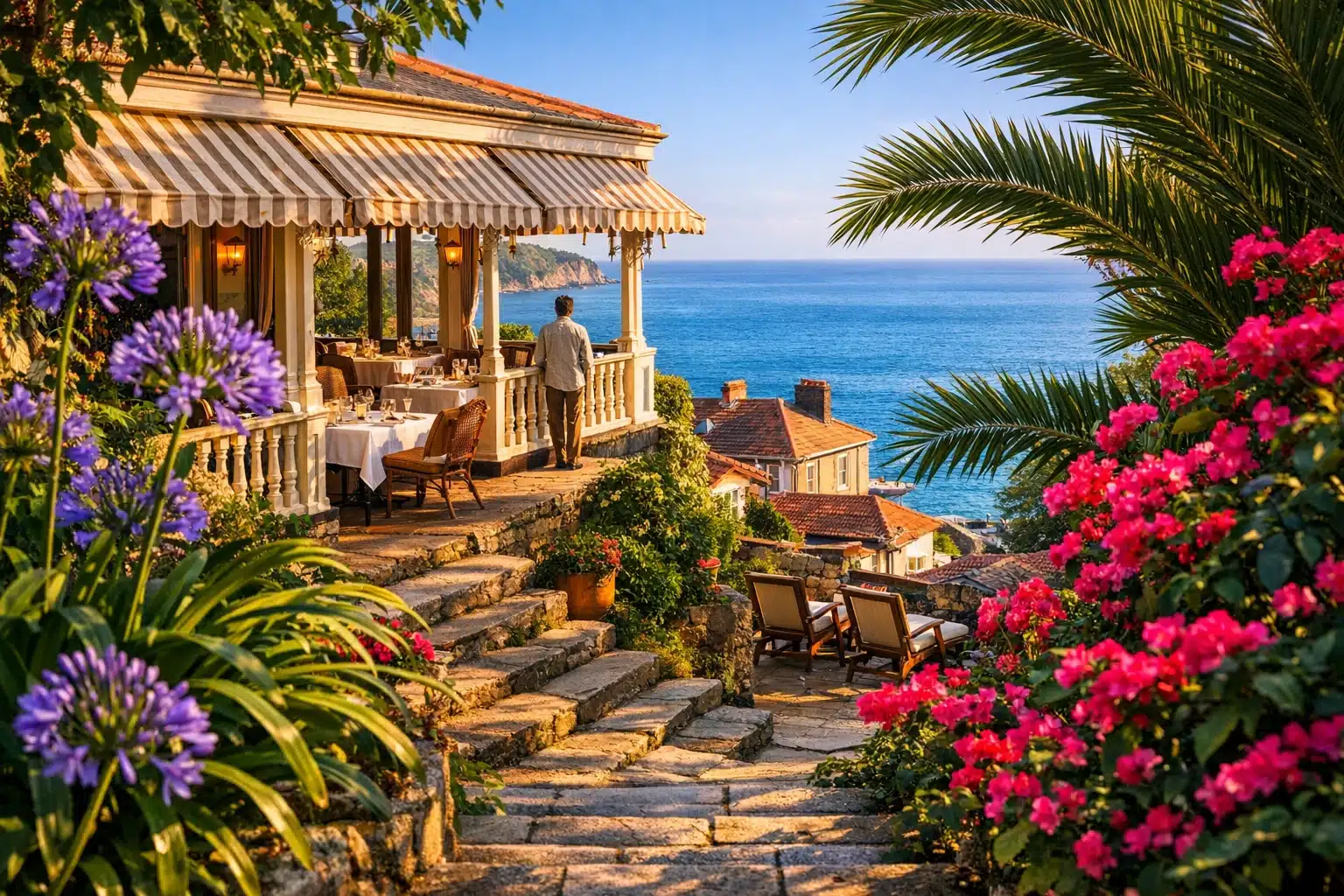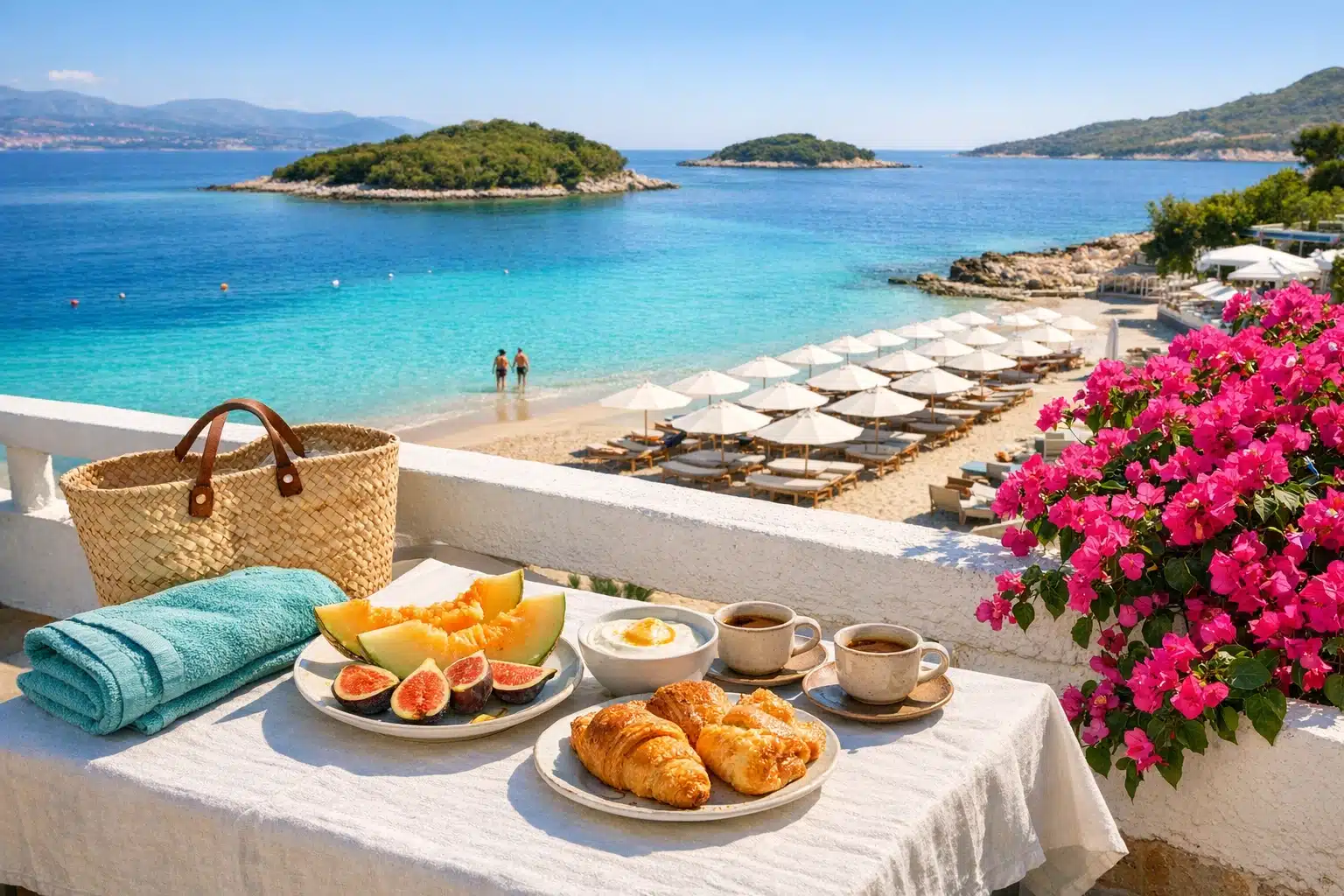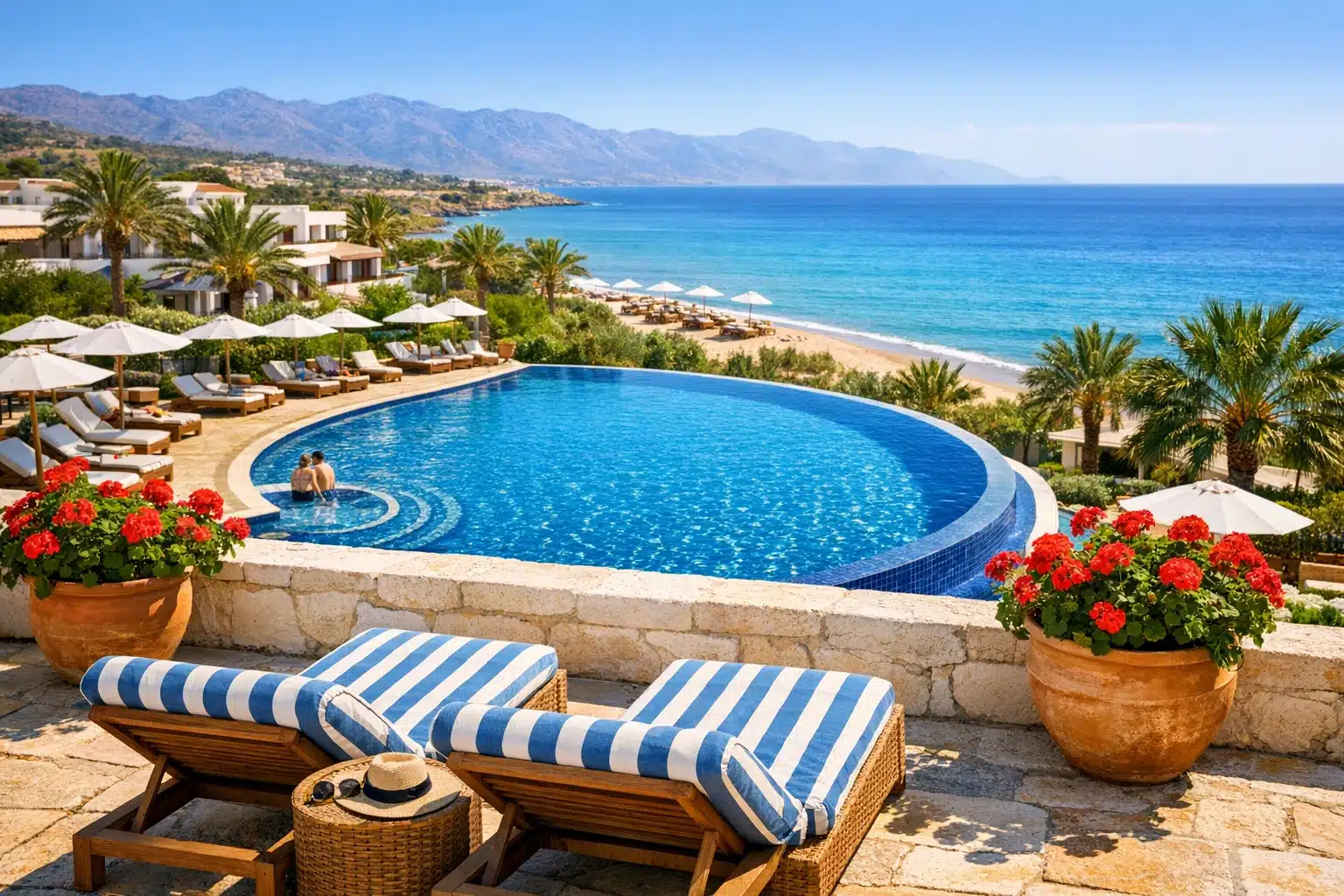
10-Night All-Inclusive Resort Stay in Crete: A Practical Travel Guide
Crete suits a 10-night all-inclusive holiday because the island is large enough to reward a longer stay, yet straightforward enough for travelers who want an easy resort rhythm. A shorter break can feel compressed, while ten nights gives you time to settle in, enjoy the hotel properly, and still explore beyond the gates. With lively resort towns, quieter coastal pockets, archaeological sites, and warm Mediterranean weather for much of the year, the island offers both comfort and variety.
1. Trip Outline and Why Crete Works So Well for Ten Nights
Before booking anything, it helps to see the shape of the trip. A practical 10-night stay in Crete usually revolves around five decisions: when to travel, which coast to stay on, what type of resort fits your style, how many excursions you actually want, and how much convenience matters compared with price. This article follows that same structure, so you can move from broad planning to day-by-day choices without getting lost in details too early.
A useful outline for a 10-night Crete holiday looks like this:
- Choose the season based on weather, crowds, and cost.
- Select a resort area that matches your interests and transfer tolerance.
- Compare all-inclusive packages carefully, not just room rates.
- Plan a loose rhythm for beaches, rest days, and excursions.
- Budget for the extras that all-inclusive holidays still do not cover.
Crete is Greece’s largest island, stretching roughly 260 kilometers from east to west, and that scale is exactly why ten nights make sense. On smaller islands, an all-inclusive stay can become static after four or five days. Crete has enough range to prevent that. You can spend one day near Venetian streets in Chania, another on a long sandy beach near Rethymno, another visiting Knossos or Heraklion’s museums, and still return to your resort in time for dinner.
Ten nights also create a more forgiving pace. If your flight arrives late, or you lose a day to wind, heat, or simple holiday laziness, the trip does not feel disrupted. That matters in summer, when many travelers discover that “doing everything” under strong sun quickly becomes tiring. A longer stay lets you enjoy the real strength of an all-inclusive break: you do not need to earn your relaxation by rushing through an itinerary.
Season matters as much as destination. April and May tend to suit travelers who like milder temperatures, greener landscapes, and lower early-season prices. June and September often strike the best balance between warm sea temperatures and manageable crowds. July and August are classic peak months, usually hottest and busiest, with daytime highs often landing around 30 to 33 degrees Celsius in many coastal areas. For families tied to school holidays, that may be the obvious choice. For couples or quieter travelers, the shoulder season often feels more spacious.
Think of Crete as an island with more than one personality. The north coast, where most large resorts sit, is convenient and better connected. The south feels wilder and slower but usually requires more effort. A ten-night trip gives you room to choose comfort without sacrificing curiosity. That balance is what makes Crete such a dependable option for travelers who want a holiday that is easy to manage and still rich enough to remember.
2. Choosing the Right Resort Area and Understanding What All-Inclusive Really Means
Not all all-inclusive stays in Crete deliver the same experience, even when photos look broadly similar. The first major choice is geography. Most visitors stay along the north coast because that is where the island’s main airports, larger roads, and biggest resort clusters are found. In practical terms, that means easier transfers and more excursion options. The main zones travelers compare are Chania, Rethymno, Heraklion-area resorts such as Hersonissos and Gouves, and the eastern side around Agios Nikolaos and Elounda.
Each area attracts a slightly different kind of guest. Chania combines resort access with one of the island’s most atmospheric old towns, making it attractive if you want evenings with more than hotel entertainment. Rethymno sits in a sweet spot for travelers who want a handsome historic center and a long beach, often with a calmer rhythm than some of the busier party-oriented bases. The Heraklion region is practical for short airport transfers, large family resorts, waterparks, and easy access to Knossos. Elounda and nearby eastern resorts often feel more polished and quiet, though prices can be higher.
A simple comparison helps:
- Chania area: strong scenery, character, longer airport transfer depending on where you stay.
- Rethymno area: balanced base, good for couples and mixed-interest groups.
- Heraklion coast: convenience, family facilities, lively resort infrastructure.
- Elounda and Agios Nikolaos: scenic, quieter, often more upscale.
The second big issue is the phrase all-inclusive itself. Travelers often assume it means everything is covered equally everywhere. In reality, resort packages vary sharply. Some include three buffet meals, local drinks, snacks at set hours, and a few sports. Others add branded beverages, themed restaurants, children’s clubs, beach service, or spa access. A cheaper rate can become less attractive if it limits drinks to certain bars, excludes fresh juices, charges for room safes, or requires reservations for better dining options.
When comparing resorts, check these details carefully:
- Are premium or imported drinks included, or only local house options?
- How many a la carte dinners are part of a 10-night stay?
- Is there direct beach access, or do you cross a road?
- Are sunbeds included on the beach as well as by the pool?
- Does the room category affect restaurant access or amenities?
- Are airport transfers included or extra?
This is where honesty matters more than glossy marketing. Families may value splash zones, connecting rooms, and child-friendly meal times more than a stylish cocktail bar. Couples may prefer adults-only properties, quieter pools, and better evening dining even if the room is smaller. Some resorts work brilliantly for guests who want to stay on-site nearly all day. Others are better as a comfortable base for travelers who plan to rent a car or join excursions.
One final point: read location descriptions with care. “Near Chania” or “close to Heraklion” can still mean a 25- to 45-minute drive. On an island as large as Crete, that matters. The right resort is not the one with the most dramatic drone footage. It is the one whose setting, meal plan, transfer time, and guest profile match the way you actually travel once the holiday begins.
3. How to Structure Ten Nights Without Wasting the Island or Exhausting Yourself
A 10-night all-inclusive holiday works best when you resist two opposite mistakes: doing too little and doing too much. Some travelers book a resort in Crete and never leave the property, then realize later they could have gone almost anywhere in the Mediterranean for the same experience. Others treat the island like a checklist, turning a restful break into a sequence of early alarms, long drives, and rushed lunches. The smartest plan sits in the middle.
A practical rhythm for ten nights is to divide the stay into three modes: arrival and settling in, two or three excursion days, and several true rest days. That gives the holiday shape without turning it rigid. For example, your first full day can stay deliberately empty. Swim, learn the layout of the resort, understand meal hours, and recover from travel. By day two or three, you will know whether you want an organized coach tour, a rental car, or simply a taxi into town for dinner outside the hotel.
A balanced sample structure might look like this:
- Day 1: arrival and relaxed evening at the resort.
- Day 2: pool, beach, and orientation day.
- Day 3: nearby town visit or half-day excursion.
- Day 4: full resort day.
- Day 5: major sightseeing trip such as Knossos, Chania Old Town, or a boat excursion.
- Day 6: slow day with no commitments.
- Day 7: beach exploration or scenic drive.
- Day 8: another resort-focused day.
- Day 9: optional excursion depending on energy and weather.
- Day 10: final full day kept light.
- Day 11: departure.
The right excursions depend heavily on your base. From Heraklion-area resorts, Knossos and the Archaeological Museum are straightforward and useful for adding historical depth to a beach holiday. From western resorts, Chania’s harbor and old lanes offer one of the island’s most rewarding urban outings. Rethymno works well as both a destination and a practical launch point. Boat trips are popular too, though they can be weather-dependent. If you are considering famous beaches such as Balos or Elafonissi, check transfer times honestly. They are beautiful, but in peak season they can consume much of a day.
Families often benefit from shorter outings with clear reward points: an aquarium, a waterpark, an evening walk in a historic town, or a beach with shallow entry. Couples may enjoy vineyard visits, mountain villages, or a sunset dinner away from the resort. Older travelers or anyone who values comfort should pay close attention to walking surfaces, heat, and coach-tour duration. Crete is scenic, but scenic does not always mean effortless.
There is also a subtle advantage to staying all-inclusive for ten nights: your resort can absorb changes in mood. If the wind picks up, if a child gets tired, or if everyone suddenly prefers another lazy day by the pool, the holiday still works. That flexibility is one of the strongest reasons to choose an all-inclusive format on a large island. You have a reliable base, but the island remains available when curiosity wins.
4. Budget, Transfers, Dining, and Other Practical Details That Shape the Experience
The phrase all-inclusive can make a holiday sound financially sealed, but a realistic budget for Crete should still include several moving parts. Flights can vary sharply depending on departure city, school holiday dates, and whether you fly into Heraklion or Chania. Resort rates usually rise with sea-view rooms, private pools, larger family units, and premium drink packages. Airport transfers may be included in package holidays but are often separate in independent bookings, and on Crete transfer time has real value. Saving a small amount on room price can feel less clever after a late-night 90-minute coach drop-off.
Travelers should plan for extra spending in four main categories:
- Private transfers, taxis, or car hire.
- Excursions, boat trips, or museum entry fees.
- Upgraded dining, premium drinks, or spa treatments.
- Small daily costs such as tips, beach items, and snacks outside the resort.
Car hire can be worth it for one or two days rather than the full trip, especially if you mainly want to relax on-site. Crete’s road network is usable, but mountain routes can be slow and local driving styles may feel brisk to visitors. If your goal is one famous beach and one old town, a selective rental period can be more efficient than keeping a car parked at the hotel all week. Organized excursions are easier, though they trade flexibility for convenience.
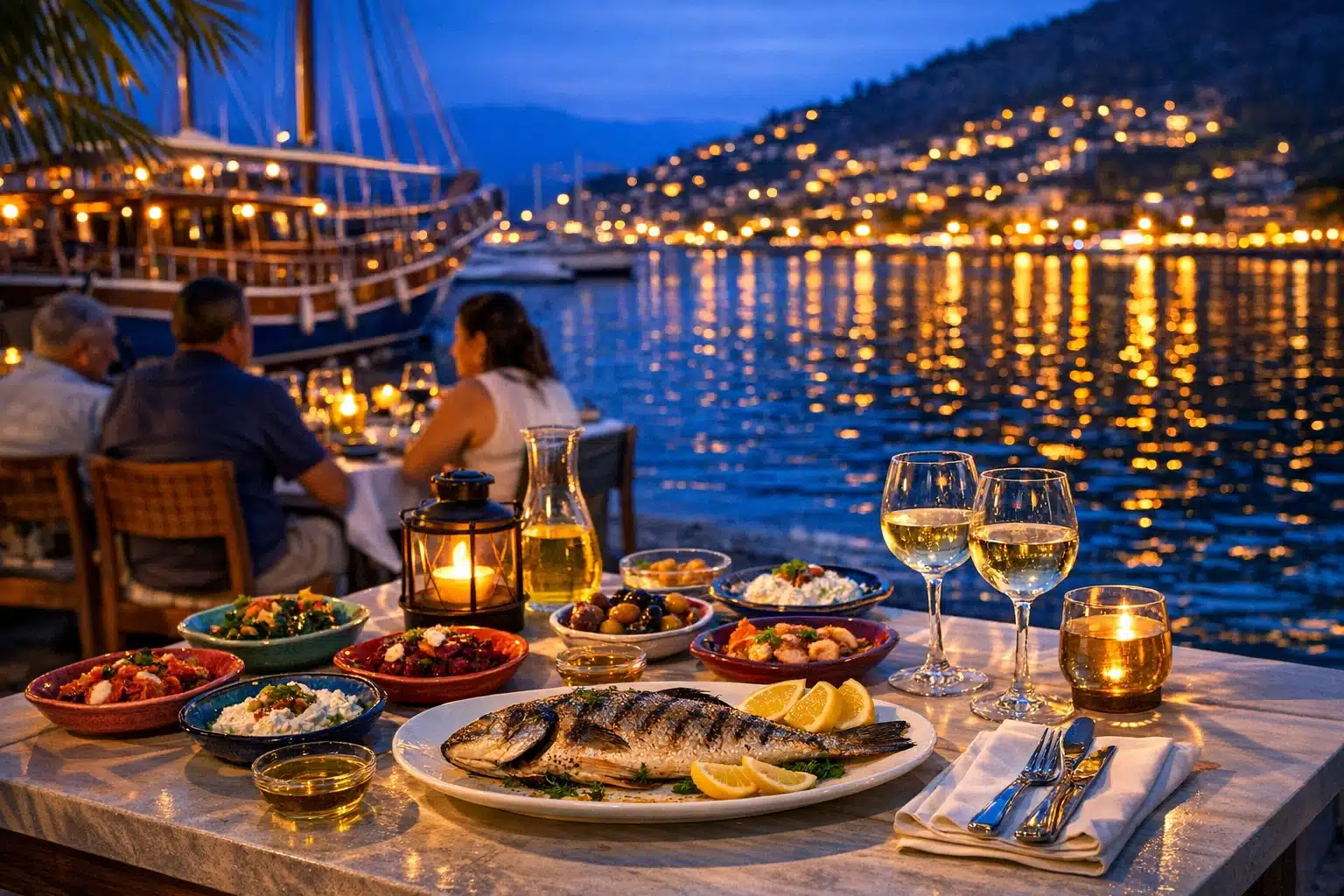
Dining is another area where expectations matter. Large all-inclusive resorts in Crete often do buffets very competently, especially at breakfast and lunch, but dinner quality varies. The best properties use local ingredients well: Cretan olive oil, tomatoes, yogurt, cheeses, grilled fish, and simple cooked vegetables can be excellent when handled properly. Yet even good buffets can feel repetitive after ten nights. That is why it helps if your package includes one or two a la carte meals or if your location allows a couple of easy dinners out.
Cretan cuisine deserves at least a little attention beyond the resort. You may come across dishes such as dakos, lamb with herbs, fresh seafood, stuffed vegetables, honey pastries, and local cheeses. This is not about rejecting the convenience of all-inclusive dining; it is about using the island’s food culture to add texture to the holiday. One meal in a small taverna can sometimes tell you more about a place than three evenings at a themed buffet.
Packing should reflect the island rather than a fantasy version of it. Lightweight clothes, solid sandals or trainers for old towns and archaeological sites, reef-friendly sun protection, a hat, and a reusable water bottle are more useful than overcomplicated evening wear. Summer sun can be strong, and even shoulder-season travelers should plan for brightness and wind. If you hope to visit churches or monasteries, modest clothing is sensible. If you are traveling with children, small conveniences such as pool shoes, familiar snacks for travel days, and compact entertainment for transfers can improve the trip more than expensive gear.
In short, the best Crete budget is not the cheapest one. It is the one that leaves room for comfort, a few memorable extras, and the practical details that keep a 10-night stay feeling smooth rather than negotiated.
5. Conclusion: Who This Kind of Crete Holiday Suits Best and How to Make It Feel Worthwhile
A 10-night all-inclusive resort stay in Crete is especially well suited to travelers who want ease without total isolation from the destination. Families benefit from predictable meals, pools, children’s activities, and the breathing room that comes with a longer trip. Couples often appreciate the same structure for different reasons: less decision fatigue, more time to enjoy the room and setting, and enough days to include a few thoughtful outings. Multi-generational groups can also do well here because Crete offers a broad range of resort styles and enough sightseeing variety to satisfy different energy levels.
The value of the trip depends less on luxury labels and more on alignment. The right season, the right region, and the right expectations will shape the holiday far more than a dramatic lobby or an oversized dessert station. If you love wandering historic towns, staying within reach of Chania or Rethymno may matter more than a larger pool complex. If you are traveling with young children, a shorter transfer and family-oriented facilities may be the smartest trade. If you mainly want quiet, sea views, and a slower atmosphere, paying a little more for an eastern or adults-focused property can make sense.
The most common regret with this style of holiday is not usually choosing the wrong island. It is booking too quickly and assuming that all-inclusive automatically answers every practical question. It does not. Travelers still need to compare airport access, beach quality, room type, food structure, and what the package excludes. Once those details are handled, however, Crete becomes an unusually forgiving place to holiday. You can spend a morning among ruins older than many European capitals, return to the hotel for lunch, drift into the pool by late afternoon, and end the day listening to wind move through palms and parasols.
If you are planning this trip now, a sensible final checklist is simple:
- Match the resort area to your interests, not just the lowest rate.
- Read the all-inclusive terms line by line.
- Leave space for two or three excursions, not seven.
- Budget for a few upgrades and one or two meals outside the hotel.
- Use the extra nights to slow down instead of trying to maximize every hour.
For travelers who want a holiday that feels organized, comfortable, and still connected to a real place, Crete is a strong choice. Ten nights is long enough to enjoy the resort properly, long enough to discover parts of the island beyond it, and long enough to come home feeling that you had a break rather than merely a change of location. That is the practical charm of Crete: it can be simple without being shallow, and restful without becoming dull.