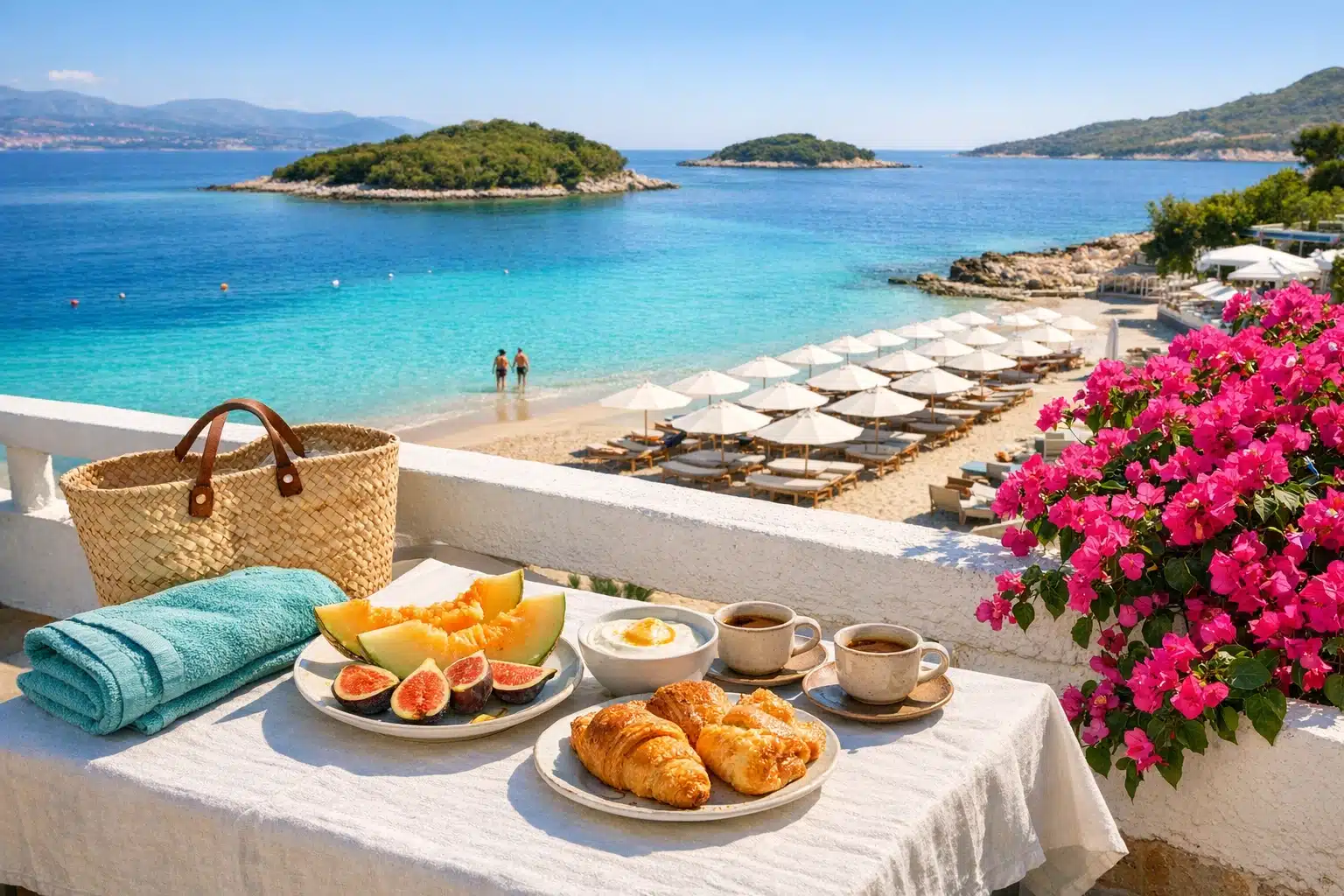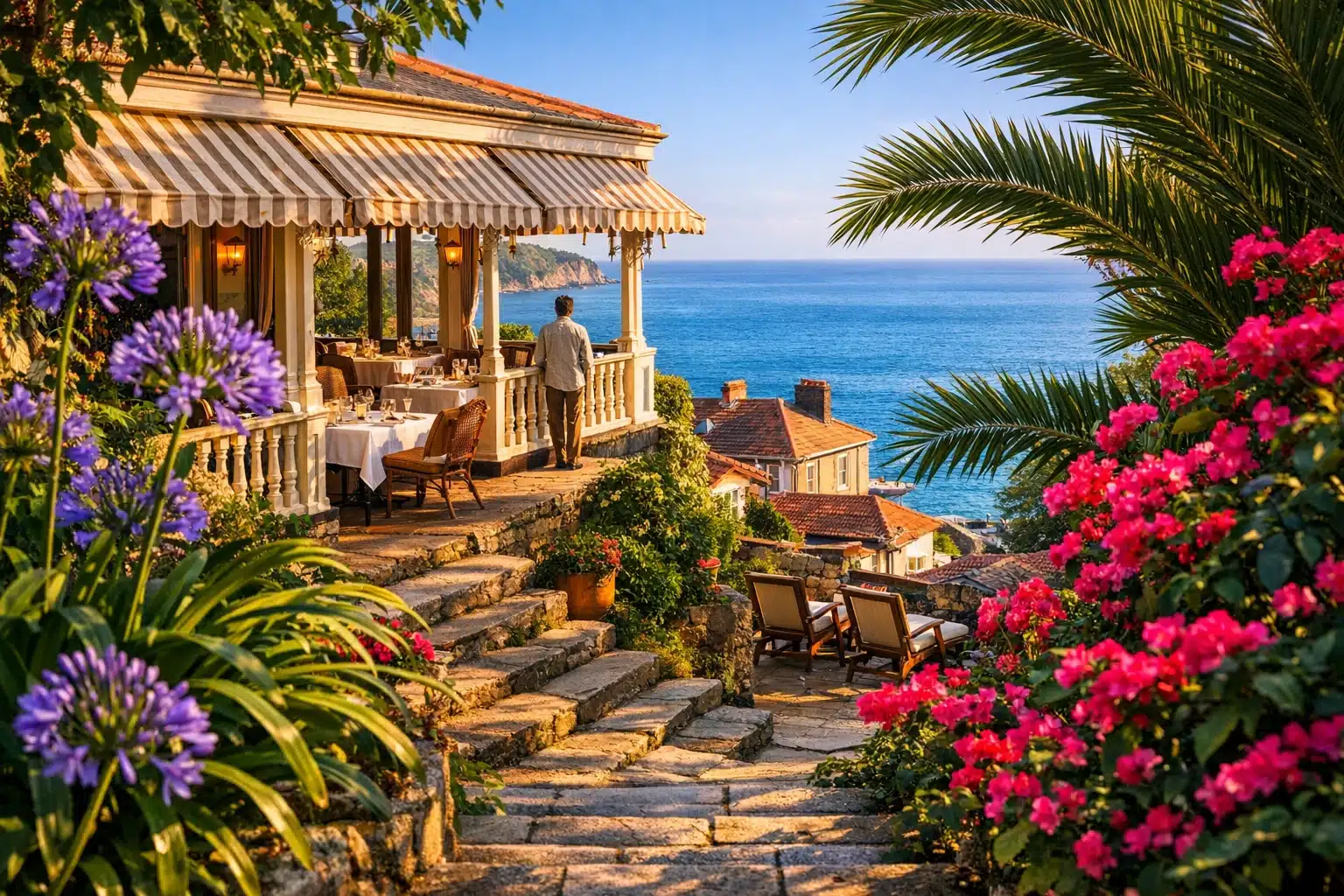
4-Night All-Inclusive Resort Stay in the Isle of Wight
The Isle of Wight suits a four-night escape because it compresses a surprising variety of landscapes and attractions into a compact, easy-to-navigate island. In less than a week, travellers can move from sandy bays and cliff walks to stately homes, old villages, and waterfront dining without the fatigue that often comes with larger destinations. An all-inclusive or near-all-inclusive stay adds another advantage: simpler budgeting. When meals, leisure access, and selected extras are bundled, the holiday becomes less about logistics and more about enjoying the sea air.
Outline:
• Why a four-night break works especially well on the island
• What “all-inclusive” usually means in an Isle of Wight resort context
• Which areas and hotel styles suit different travellers
• A realistic sample itinerary for four nights and five days
• Costs, comparisons, booking tips, and who gets the best value
Why a 4-Night Isle of Wight Break Is Practical, Relaxing, and Surprisingly Rich in Variety
A four-night stay hits a useful middle ground between a rushed weekend and a full week that may not fit every budget or diary. The Isle of Wight is only around 23 miles from east to west and roughly 13 miles from north to south, so you can cover a lot without constantly packing, unpacking, or sitting in the car. That compact scale is a serious advantage. On bigger islands or mainland coastal regions, travel time can quietly steal half a holiday. Here, many journeys between popular towns and sights are manageable within 20 to 40 minutes, traffic permitting.
This matters because the island offers more variety than many first-time visitors expect. You have traditional seaside appeal in Shanklin and Sandown, a slightly softer and more Mediterranean mood in Ventnor, sailing culture around Cowes, and heritage landmarks such as Osborne House and Carisbrooke Castle. Add walking routes, beaches, gardens, small museums, pubs, and family attractions, and four nights starts to look less like a compromise and more like the ideal sample size. It gives enough time for a proper arrival day, two or three substantial outings, and at least one unhurried afternoon when the only plan is to sit outside with a drink and listen to the gulls argue overhead.
An all-inclusive stay is relevant here for another reason: domestic breaks can appear affordable at first glance, then become noticeably more expensive once meals, parking, ferry crossings, drinks, and entertainment are added. Bundling part of that spending into a package creates clarity. You know more of the cost upfront, which helps couples, families, and multigenerational groups set a realistic budget before leaving home. That predictability is valuable on an island where some extras, especially transport-linked ones, can shift by season and demand.
The target audience is broad. Couples looking for a low-stress coastal escape, parents wanting to reduce daily decision-making, walkers who appreciate a comfortable base, and older travellers who prefer a gentler pace can all benefit. Four nights also suits people travelling from London, the South East, or the Midlands, because the journey is long enough to feel like a holiday but short enough to avoid the exhaustion that sometimes shadows longer domestic road trips. In simple terms, this format works because it keeps the pleasure high and the friction low.
What “All-Inclusive” Usually Means on the Isle of Wight, and How Resort Packages Compare
One of the most important things to understand is that an all-inclusive resort stay on the Isle of Wight often differs from the classic overseas model. In Spain, Greece, or Turkey, travellers may expect unlimited buffet service, branded drinks, multiple pools, entertainment teams, and near-constant on-site activity. On the Isle of Wight, the phrase is more likely to describe a package that includes accommodation, breakfast and dinner, selected drinks or dining credits, access to leisure facilities, and sometimes ferry travel or attraction discounts. In other words, it is frequently a British interpretation of all-inclusive rather than a carbon copy of a Mediterranean beach resort.
That is not a drawback if you book with the right expectations. In fact, it can be a better fit for travellers who want convenience without feeling locked inside a self-contained complex. Many visitors choose the island precisely because they want a mix of resort comfort and local exploration. A good package therefore acts as a soft safety net: meals are covered, your room is ready, leisure areas are available, and some extras are wrapped in, yet you still have every reason to leave the property and see the cliffs, coves, gardens, and historic houses that make the destination special.
Common package styles include:
• Full-board hotel stays with breakfast, lunch, and dinner, usually in one main restaurant
• Half-board packages with breakfast and dinner plus spa, pool, or entertainment access
• Family-focused stays that bundle children’s activities, evening entertainment, or play facilities
• Travel-inclusive offers that combine room cost with ferry crossings through operators such as Wightlink or Red Funnel
Location changes the feel of the holiday. Shanklin and Sandown tend to suit traditional beach breaks, especially for families who want easy access to promenades, amusements, and broad sandy stretches. Ventnor feels more tucked away and often appeals to couples because of its terraced streets, dining options, and dramatic south-coast scenery. Cowes and East Cowes have stronger links to sailing and short-stay sophistication, while Ryde offers a lively seafront and good arrival convenience from the mainland. If your priority is walking rather than resort atmosphere, a base near the west side of the island can place you closer to Tennyson Down, Freshwater Bay, and the Needles area.
When comparing packages, read the detail carefully. The strongest value usually appears when three things align: the meal plan matches your habits, the location reduces transport costs, and the included facilities are ones you will genuinely use. A spa credit has little value if you plan to spend each day outdoors, just as a generous dinner package may be less helpful if you prefer to eat in different towns every evening. The best booking is not always the cheapest one; it is the one with the fewest expensive surprises.
A Sample 4-Night Itinerary: How to Balance Resort Comfort with Island Exploration
A four-night stay works best when you avoid trying to conquer the island in military fashion. The charm of the Isle of Wight lies in rhythm as much as sightseeing. There is pleasure in arriving by ferry, watching the mainland recede, and feeling the holiday begin before you even reach reception. With that in mind, a balanced itinerary should combine one or two headline sights, one coastal day, a slower local wander, and enough time at the resort to justify paying for included meals and facilities.
Day 1 can be about settling in rather than racing around. If your package includes ferry travel, aim for a crossing that gets you to the hotel by early afternoon. After check-in, spend the rest of the day close to your base. In Shanklin, that might mean a walk through the Old Village and down to the esplanade. In Ventnor, it could be a seafront stroll followed by a long dinner with sea views if your hotel offers them. Use the first evening to understand what is included: restaurant timings, bar limits, pool hours, entertainment, and any reservation requirements. This small bit of housekeeping pays off.
Day 2 is ideal for one of the island’s major heritage highlights. Osborne House, Queen Victoria’s former seaside retreat, is one of the strongest choices because it combines architecture, gardens, royal history, and coastal setting. You can spend several hours there without strain. If your resort package covers dinner, return by late afternoon for a swim, spa session, or simply an hour on the terrace before eating. That combination of excursion and recovery is where the format shines.
Day 3 can lean into scenery. Head west for the Needles, Alum Bay, or Freshwater Bay, where chalk stacks, open downland, and sweeping sea views create a more dramatic mood. Walk a manageable section of Tennyson Down if the weather is clear. Families may prefer chairlift views and short scenic stops, while active travellers may give the entire day to coastal walking. Carry a light lunch if your resort’s meal plan allows it, or plan a café break and keep dinner for later.
Day 4 should be gentler. Consider Ventnor Botanic Garden, Godshill, or a beach day depending on season and energy levels. This is the moment to use the facilities you have already paid for. Enjoy the pool, order dessert without calculating the price in your head, and let the evening stretch. Day 5, the departure morning, is best left mostly free. Have breakfast, take a final shoreline walk, and leave the island with the feeling that you saw enough to be satisfied, but not so much that you need a second holiday to recover.
Typical Costs, Package Value, and How an Isle of Wight Resort Stay Compares with Other Holiday Options
Cost is where a four-night all-inclusive stay becomes either a smart buy or an expensive misunderstanding, depending on how carefully you compare the details. As a broad guide, mid-range four-night packages for two adults on the Isle of Wight can land anywhere from roughly £700 to £1,400, with lower prices more likely in quieter periods and higher rates appearing in school holidays, summer weekends, or premium sea-view properties. Add children, larger rooms, or spa-oriented hotels, and the total climbs accordingly. These are indicative ranges rather than fixed market prices, but they show why line-by-line comparison matters.
The largest variables are usually:
• Season and school holiday timing
• Ferry inclusion or exclusion
• Room category and sea-view supplements
• Meal plan depth, from breakfast only to full board
• Leisure access, entertainment, parking, and flexible cancellation terms
Ferry costs alone can reshape the value equation. For guests bringing a car, return crossings on popular dates may be significant enough to alter which hotel appears cheapest. A package that looks slightly more expensive at first may become the better deal once ferry travel, parking, and evening meals are counted honestly. On the other hand, a room-only rate can still be the stronger choice if you plan to spend every day out exploring and want maximum freedom over where you eat.
Compared with self-catering, all-inclusive or near-all-inclusive stays trade flexibility for convenience. Self-catering often works well for longer holidays, larger family groups, or travellers with strict dietary routines who prefer shopping locally. For four nights, however, the economics are not always as favourable as people expect. Grocery shopping takes time, restaurant meals can still creep in, and short stays do not always use the kitchen efficiently. A resort package reduces that friction.
Compared with overseas all-inclusive holidays, the Isle of Wight will not always win on pure volume-for-money. You are unlikely to get the same scale of facilities, weather reliability, or round-the-clock service that some Mediterranean destinations offer. Yet the domestic option has advantages that are easy to overlook: no airport queues, no passport anxiety, shorter travel time for many UK residents, and a distinctly local atmosphere. It feels more like a real place than a sealed holiday zone.
The smartest approach is to compare total trip cost, not headline room rate. Include transport, meals, snacks, drinks, parking, attraction tickets, and the value of your own time. When you do that, a four-night resort stay on the Isle of Wight can make solid financial sense, especially for travellers who want calm organisation rather than constant decision-making.
Booking Tips, Best-Fit Travellers, and a Final Word for Planning a Better Island Escape
Booking well is less about finding a magical secret discount and more about matching the package to your travel habits. Start with the season. Late spring and early autumn often offer one of the best balances of price, scenery, and comfort. The island is green, the sea air still has bite, and popular areas are usually less pressured than they are in peak summer. July and August bring the classic bucket-and-spade atmosphere, but also higher rates, busier ferries, and greater dependence on advance reservations. Winter can be appealing for quiet coastal walks and cosy hotel stays, though some attractions and facilities may run on reduced schedules.
Transport choice matters too. Bringing a car gives flexibility, especially if you want to explore the west side or move easily between beaches and inland villages. Yet a car-free break is perfectly possible, particularly if you stay in Ryde, Shanklin, or another well-connected town and build the holiday around rail, bus, taxi, and walking. The island’s public transport network is practical for many visitors, though it naturally demands more planning than having your own vehicle. For some couples, that slower pace is part of the appeal rather than a compromise.
Before confirming a booking, check a few practical points:
• Are ferry timings and reservations included, or merely discounted?
• Does “all-inclusive” cover all meals, only selected meals, or meal credit?
• Are drinks included throughout the day or only with dinner?
• Is parking free, charged separately, or limited?
• Are facilities such as pools, spas, and entertainment available every day of your stay?
This type of break tends to suit travellers who value ease over excess. Families benefit because meal planning becomes simpler. Couples benefit because the holiday feels contained but not cramped. Older travellers often appreciate the shorter journey and manageable scale. Even keen walkers can enjoy the format if they choose a location that lets them spend the day outside and return to a comfortable dinner without any extra effort.
For the right guest, the Isle of Wight offers something that many modern holidays quietly fail to deliver: enough structure to feel restful, enough character to feel memorable, and enough flexibility to avoid boredom. A four-night all-inclusive resort stay will not mimic a giant international resort, and it does not need to. Its real strength lies in balance. If you want coastal scenery, heritage, decent food, and a holiday budget that is easier to understand before you arrive, this is a thoughtful, realistic option worth considering.