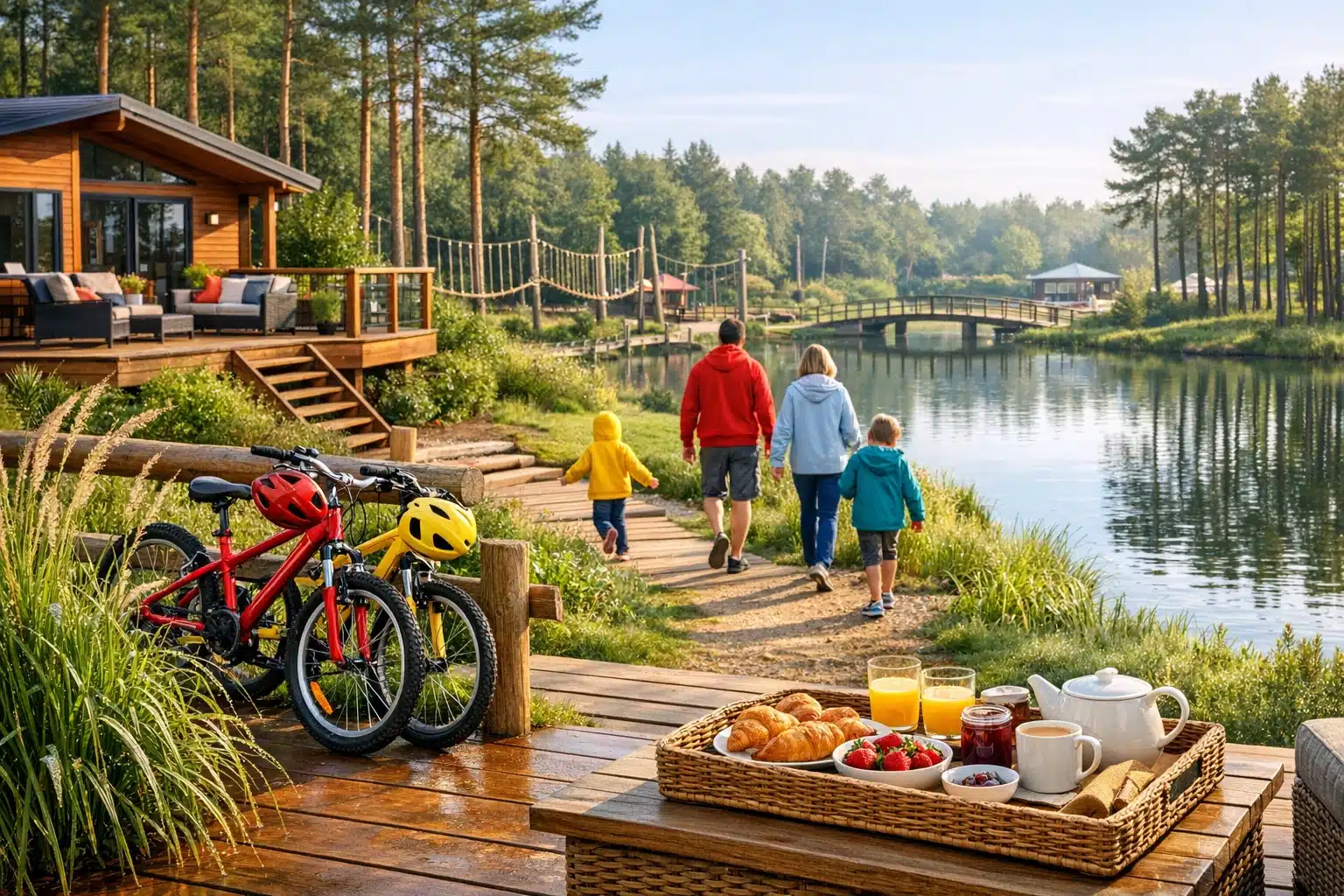
Family Short Breaks & Wonder Park Holidays
Family short breaks have become one of the smartest ways to turn limited time into genuine rest, especially for parents who want easy fun without the planning load of a long holiday. Wonder Park holidays add another layer of appeal by bundling rides, pools, play zones, and simple dining into one compact trip. For many households, that means fewer logistics, more shared moments, and less time spent asking what to do next. This guide explains how to choose, compare, and enjoy them well.
Outline: This article begins with why short breaks suit modern family life, then looks at what makes a Wonder Park holiday different from other getaways. It moves on to choosing the right accommodation, activities, and setting for different ages and budgets. After that, it covers planning, packing, and booking strategies that reduce stress. It ends with a practical conclusion designed to help families match the right trip to their own routine, energy level, and expectations.
Why Family Short Breaks Matter More Than Ever
A family short break is not simply a smaller holiday. It is a different kind of travel choice, shaped by time, energy, budget, and attention span. For many households, taking two to four nights away can be easier to manage than committing to a full week or more. Parents may have limited annual leave, children may have sports, school events, or different sleep routines, and grandparents or friends joining the trip may prefer something manageable. In that context, the short break becomes less of a compromise and more of a smart design: compact, memorable, and flexible.
One reason short breaks work so well for families is that they reduce the “holiday drag” that often arrives before the fun starts. Long-distance travel, airport transfers, complicated check-ins, and full-day itineraries can exhaust children before the first real activity begins. A shorter journey to a family-focused destination often means the holiday starts on the day you leave, not the day after. That matters more than many people expect. A three-night trip with a two-hour drive can feel fuller and calmer than a seven-night trip padded with long travel days and constant decision-making.
Short breaks also fit the way children experience time. Younger kids often do not measure value by the number of days away; they measure it by the density of exciting moments. A splash park in the morning, mini rides after lunch, and hot chocolate before bed can feel like a complete adventure. Older children and teens tend to appreciate freedom, variety, and social spaces, so a park with activities, arcades, sports zones, or evening entertainment can hold their attention without needing a detailed minute-by-minute plan.
Families often choose short breaks for practical reasons such as:
• reducing travel costs and school-time disruption
• testing a destination before booking a longer stay
• celebrating birthdays, half-term windows, or seasonal events
• taking grandparents or mixed-age groups on a lower-pressure trip
There is also an emotional value that should not be underestimated. A short break can reset the atmosphere at home. Shared meals feel less rushed, children see parents in a lighter mood, and everyday routines loosen just enough to make room for laughter. When the school bags land in the hallway and the week has felt longer than it was, a short holiday can feel like opening a window in a stuffy room. That is why these breaks remain relevant: they are realistic, accessible, and surprisingly effective at turning a small gap in the calendar into a meaningful family memory.
What Makes a Wonder Park Holiday Different
The phrase “Wonder Park holiday” usually points to a family-first resort or holiday park where entertainment is built into the stay. Instead of travelling from one attraction to another, families arrive at a place designed to keep everything within reach: rides, pools, indoor play areas, live shows, bike hire, restaurants, playgrounds, and often themed seasonal events. That concentration of activity is the main difference. The holiday does not rely on a single beach, one museum, or a few day trips. The destination itself is the engine of the experience.
This model is especially attractive for families with children of different ages. In a city break, parents may spend half the trip balancing adult interests with child-friendly stops. On a classic countryside stay, the peace is lovely, but the entertainment often depends on the weather and how much driving everyone is willing to do. Wonder Park-style holidays solve that by offering multiple layers of engagement. A toddler can enjoy soft play or simple fairground rides, a seven-year-old may disappear happily into climbing frames and splash zones, while older children look for independence in sports courts, gaming spaces, or evening shows.
Compared with other types of family travel, these holidays typically offer:
• convenience, because accommodation and activities sit close together
• predictability, because there is usually a clear schedule and on-site support
• weather resilience, thanks to indoor pools, arcades, or entertainment venues
• built-in variety, which reduces the risk of children getting bored by day two
That said, not every park is the same. Some focus on thrill rides and theatrical atmosphere, while others lean toward woodland lodges, gentle adventure, and water-based fun. Some are ideal for preschoolers; others are better for pre-teens and mixed-age groups. The strongest choice depends on what your family means by “fun.” If your ideal break involves adrenaline, noise, and action from breakfast to bedtime, one type of park will suit you. If you want calm mornings, a few headline activities, and time to wander with coffee while the children cycle nearby, another style will feel better.
There is also a budget dimension. A park holiday can offer strong value when entertainment is included or easily bundled, but it can feel expensive if every extra comes as a separate paid add-on. That is why comparison matters. Families should look beyond the headline price and ask what is actually included. A destination with a slightly higher base cost may be more affordable overall if it cuts out daily transport, parking, attraction tickets, and constant snack spending elsewhere. In simple terms, the appeal of a Wonder Park holiday is not just excitement. It is the way excitement, ease, and structure are packaged together for people travelling with children.
Choosing the Right Location, Accommodation, and Activities
The most successful family break is rarely the one with the biggest brochure or the longest activity list. It is the one that matches your family’s real habits. Before choosing a Wonder Park holiday, it helps to think in layers: travel distance, accommodation style, age suitability, food options, and bad-weather backup. These factors shape comfort as much as any headline attraction.
Location comes first. For a short break, travel time matters more than many families expect. If you only have two or three nights away, spending five or six hours in the car can quietly erode the value of the trip. A general rule is simple: the shorter the stay, the more important it is to keep the journey reasonable. A nearby park with good facilities may deliver a better experience than a famous resort that requires a full travel day. Families with very young children often benefit from locations that can be reached before nap schedules unravel. Families with older children may accept a longer journey if the activities are strong enough to justify it.
Accommodation is the next major choice. Holiday parks often offer several formats, and each changes the feel of the stay:
• Lodges usually provide more space, stronger kitchen facilities, and a quieter atmosphere.
• Static caravans or compact cabins can be cost-effective and practical for active families who will spend most of the day outdoors.
• Hotel-style rooms or apartments may suit shorter stays where cooking is less important and convenience matters more.
Then there is the question of activities. A long list is not enough; the mix must fit your children’s ages and confidence levels. For toddlers, look for playgrounds, splash pads, indoor soft play, buggy-friendly paths, and early mealtimes. For primary-age children, variety is the magic ingredient: rides, pools, craft sessions, mini golf, bike trails, and evening entertainment often work well. For older children and teenagers, the key is autonomy. They tend to enjoy destinations where they can safely move between activities, meet other families, and avoid feeling trapped in a “baby” environment.
Food is another underrated factor. Self-catering saves money and helps with fussy eaters, allergies, or unpredictable appetites. On-site restaurants save time and reduce washing up. Many families do best with a hybrid approach: breakfast in the accommodation, one main meal out, and flexible snacks during the day.
A final practical filter is weather resilience. Ask yourself three questions:
• If it rains all day, what can we still do?
• If the children are tired, is there easy entertainment nearby?
• If one parent needs a quiet hour, does the park still function well?
When the answers are clear, the right choice usually reveals itself. The best family break is not the one that promises everything. It is the one that removes friction and leaves room for genuine enjoyment.
Budgeting, Booking, and Packing Without the Stress
Family holidays are often judged by the booking price, but experienced travellers know that the real cost appears in layers. On a short break, budgeting well is less about chasing the cheapest possible stay and more about understanding the full picture. Accommodation, travel, food, parking, activity passes, swimming sessions, bike hire, convenience-store purchases, and last-minute treats can reshape the total quickly. A good plan does not remove spontaneity; it protects it.
Start with a simple cost framework. Divide the trip into five headings: transport, stay, meals, activities, and extras. This helps families compare options honestly. A park that looks inexpensive may require paid entry for its best attractions or several car journeys each day. Another may seem pricier at first glance but include entertainment, pool access, playgrounds, and evening shows. When everything is in one place, savings can appear in less visible forms such as lower fuel use, fewer snack stops, and less pressure to buy “something special” every time children get restless.
Useful budgeting habits include:
• booking shoulder-season dates when possible, as weekday or off-peak breaks are often more affordable
• checking whether bed linen, towels, parking, or activity slots are included
• setting a daily food plan so convenience spending does not drift upward
• pre-booking must-do activities early, especially during school holidays
• leaving a small flex fund for arcade tokens, dessert, or an unexpected extra
Packing also has a direct effect on cost and comfort. Families who prepare well avoid emergency purchases and reduce the chance of small problems becoming large ones. For park holidays, practical items usually beat fashionable ones. Swimwear, layers, waterproofs, comfortable shoes, refillable water bottles, chargers, simple medicines, and a few familiar bedtime items make a noticeable difference. If the park has evening entertainment, one slightly smarter outfit per person may be enough; there is rarely a need to pack as if every night were a formal event.
Booking strategy matters too. Some families prefer reserving early for the best accommodation choice and clearer budgeting. Others wait for late deals, but that approach works best when dates are flexible and expectations are moderate. If you need adjoining rooms, specific accessibility features, travel cots, or popular activity slots, earlier booking usually reduces disappointment.
Above all, avoid over-scheduling. A short break can lose its charm when every hour has been turned into a spreadsheet. Leave space for the unexpected: a second visit to the splash park, a slow breakfast after a late night, or that odd little moment children remember for months, such as feeding ducks in drizzle while wearing oversized hoodies. Smart planning should make the trip lighter, not tighter.
Conclusion: Finding the Right Break for Your Family
For families deciding between staying home, taking a traditional holiday, or fitting in something shorter, the strongest argument for a family short break is simple: it respects real life. Not every household has the time, budget, energy, or calendar space for a long trip, but that does not mean travel has to wait for a perfect season that never arrives. A well-chosen Wonder Park holiday can provide enough novelty to feel exciting, enough structure to feel easy, and enough flexibility to suit children who never behave exactly as the itinerary imagined.
The key is not to chase the most dramatic option. It is to choose the version of fun your family can genuinely enjoy. If your children thrive on motion and noise, look for a park with rides, pools, and busy entertainment. If they prefer open space, gentler activities, and room to roam, choose a quieter resort-style setting with nature trails, play areas, and simple comforts. If food routines, naps, or sensory needs are a major part of family life, prioritise accommodation layout and on-site convenience over flashy extras.
As a final guide, families can ask:
• How much travel time can we handle without losing the first day?
• Which activities will suit all ages, not just one child?
• What costs are included, and what will be added later?
• Will this place still work if the weather turns?
• Can we imagine ourselves enjoying the pace, not just the pictures?
When those questions are answered honestly, the right trip becomes much easier to spot. The best short break is not measured only by ticket counts or photo opportunities. It is measured by how smoothly the days unfold, how often the family relaxes into shared time, and how little energy is wasted on avoidable friction. That is the quiet brilliance of these holidays. They do not need to be grand to be memorable. Sometimes all a family really needs is a few days away, a place designed for togetherness, and enough wonder packed into the hours to make everyone come home lighter than they left.