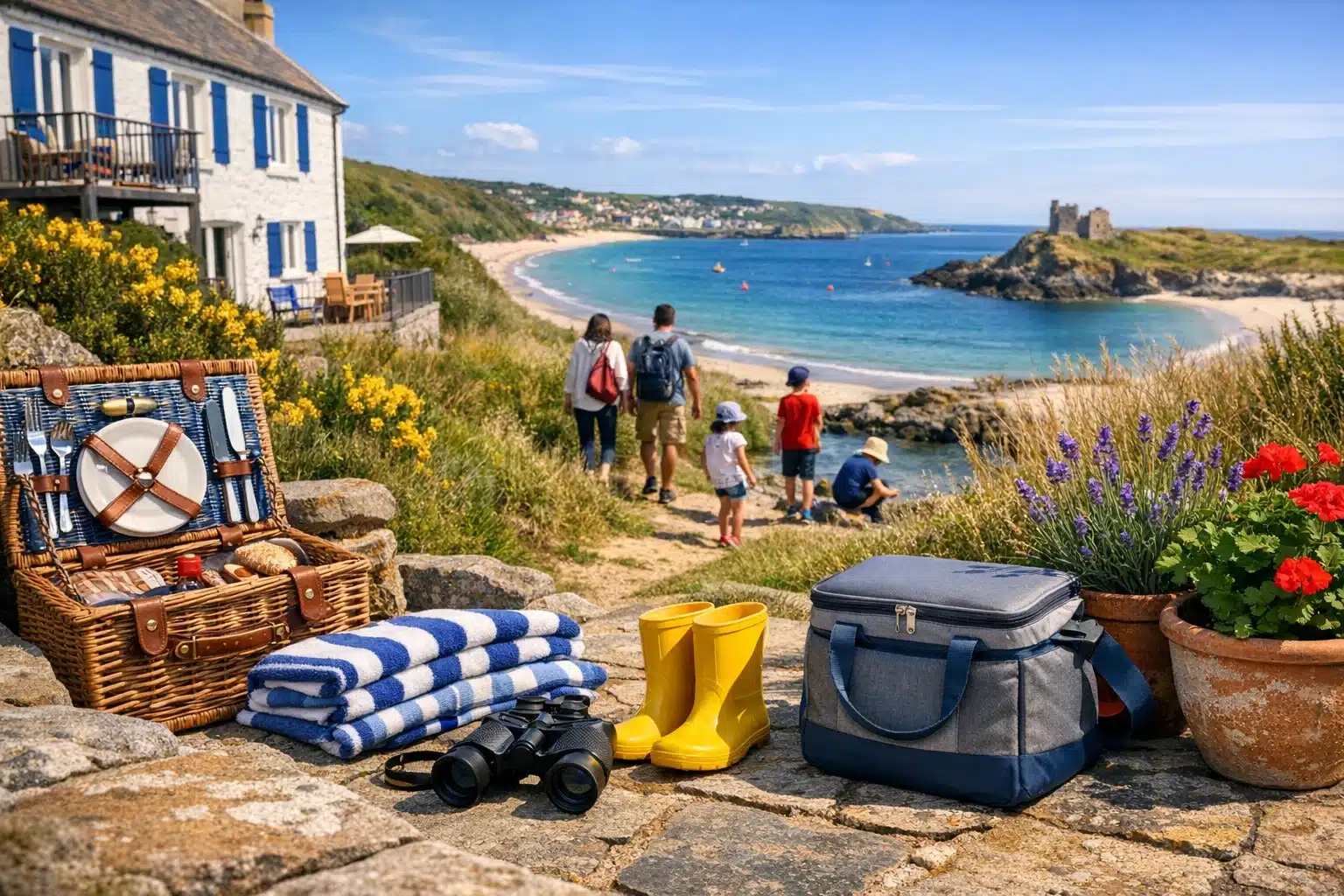
Family Short Breaks & Adventure Park Holidays
Family short breaks and adventure park holidays sit in a sweet spot between a full-scale vacation and a quick weekend escape. They give parents a manageable way to reset, let children burn off energy, and create shared memories without the heavy planning that longer trips often demand. With travel costs rising and school calendars staying crowded, shorter stays have become a smart option for many households. The real value comes from choosing the right format, budget, and pace for your family.
Outline
This guide is organized into five practical parts. First, it explains why short family breaks have become such a popular travel choice and how to match the trip style to your household. Next, it compares adventure park holidays with more traditional family getaways, looking at convenience, atmosphere, cost, and flexibility. It then explores budgeting and booking strategies, followed by a section on age-appropriate planning, safety, and packing. Finally, it looks at how to make a short stay feel meaningful rather than rushed, before closing with a focused takeaway for parents planning their next escape.
Why Family Short Breaks Appeal to Modern Households
Family short breaks work because they fit real life. A week away sounds wonderful in theory, but for many parents the practical barriers are obvious: school timetables, limited annual leave, sports fixtures, childcare logistics for younger siblings, and the rising price of longer stays. A two- or three-night trip, by contrast, feels achievable. It can be tucked into a bank holiday, a teacher training day, or a long weekend without turning the family calendar upside down. That flexibility is one of the biggest reasons short breaks continue to grow in popularity across domestic travel markets.
There is also a psychological advantage. Short breaks often feel lighter because they reduce decision fatigue. Parents do not need a suitcase for every weather possibility or a ten-day itinerary filled with backup plans. Children, meanwhile, tend to enjoy the sense of excitement that builds quickly. The journey is shorter, the destination is close enough to feel accessible, and the holiday starts before anyone has time to become overtired. In that sense, a short break can act like a pressure valve: not a grand escape from everyday life, but a well-timed pause that helps family life feel more balanced again.
Choosing the right type of short break is where the real planning begins. Families usually do best when they focus on three filters: travel time, activity level, and accommodation style. A ninety-minute drive can feel easy with older children and very long with a toddler who has rejected both snacks and reason. Likewise, a lodge with self-catering space may suit families who want slow mornings, while a hotel with breakfast included may better serve those who want less work. Useful questions include:
• How much travel can your children realistically handle?
• Do you want built-in entertainment or freedom to explore?
• Will you cook, dine out, or mix both?
• Are naps, early bedtimes, or quiet time still important?
Another reason short breaks matter is value. They let families test a destination without committing to a major budget. A nearby coastal town, a countryside lodge, or an activity resort can all deliver a genuine change of scene. Sometimes the biggest win is not the destination at all, but the shift in rhythm: breakfast without clock-watching, an afternoon in the pool, and the kind of unhurried conversation that often gets lost during normal weeks. Even a brief escape can create strong memories when it is designed around what a family actually enjoys, rather than what sounds impressive on paper.
Adventure Park Holidays Compared with Traditional Family Getaways
Adventure park holidays have a clear appeal: they simplify family travel by placing entertainment, accommodation, food options, and often swimming or indoor play under one umbrella. For parents, that means less research and fewer transport decisions once they arrive. For children, it can feel like stepping into a live-action storybook where the next activity is always just around the corner. Traditional short breaks, such as a hotel in a city, a cottage near the coast, or a village stay in the countryside, offer a different kind of freedom. They usually require more planning, but they can deliver greater variety and a stronger sense of place.
The main advantage of an adventure park holiday is convenience. On-site attractions reduce the need to drive every day, which matters when children are tired or weather conditions are unreliable. Many parks also offer a wide mix of activities, from gentle play zones to roller coasters, water slides, climbing courses, animal experiences, bike hire, and evening shows. This concentration of entertainment can make a short stay feel full without becoming logistically complicated. However, that convenience comes with trade-offs. Adventure parks can be busy during school holidays, queue times can shape the day, and height or age restrictions may limit what younger children can do. A family with a baby and a thrill-seeking ten-year-old may discover that one child is delighted while the other is mostly waiting.
Traditional family breaks often win on flexibility. A coastal apartment or countryside cottage allows the family to set its own pace and choose activities according to mood, weather, and budget. One day might involve a beach walk and fish and chips; the next could be a museum, a castle, or a farm visit. This kind of trip can also be easier for families who prefer quieter spaces, need more control over meals, or travel with children who are sensitive to noise and crowds. The downside is that every outing must be planned, paid for, and reached, which can make a short stay feel more fragmented.
In practical terms, the best option depends on what the family values most. Adventure park holidays tend to suit:
• families with children who enjoy constant activity
• parents who want entertainment included or close at hand
• short stays where convenience matters more than local exploration
Traditional breaks often suit:
• families who prefer slower, more customizable days
• mixed-age groups with different routines
• travelers who care about destination character as much as attractions
Neither style is automatically better. One offers intensity and ease; the other offers flexibility and atmosphere. The smartest choice is the one that matches your children’s energy, your tolerance for structure, and the experience you want to remember once the bags are unpacked.
Budgeting, Booking, and the Hidden Costs Families Often Miss
Short breaks are often described as budget-friendly, and they can be, but only when families look beyond the headline price. The accommodation cost is just the starting point. Transport, parking, attraction entry, food, snacks, activity upgrades, equipment hire, and even a last-minute waterproof jacket can change the final number quickly. A two-night deal may look affordable until breakfast, evening meals, ride passes, and fuel are added. That does not mean these trips are poor value. It simply means the smartest families build a realistic holiday budget before clicking the booking button.
One helpful way to compare options is to divide the budget into categories rather than focusing on the total alone. For example, a self-catering lodge may appear more expensive than a basic hotel room, but if it allows you to prepare breakfast, store drinks, and avoid restaurant meals for every sitting, the overall spend can end up lower. On the other hand, a park resort with entertainment included may cost more upfront yet reduce the need for extra tickets or day trips. Weekend pricing is another major factor. Friday-to-Sunday stays often carry a premium, while Monday-to-Friday dates outside peak school holidays can be noticeably cheaper, sometimes by 20 to 40 percent depending on destination and demand.
Booking strategy matters as much as destination choice. Families who book early often get the best pick of room types, ride packages, and meal options, especially for school breaks. Those who can travel in shoulder seasons, such as late spring or early autumn, may find a better balance between price and crowd levels. It is also wise to compare what is actually included. A cheaper room without pool access, parking, or evening entertainment may not be the bargain it first appears to be. Before booking, check:
• cancellation terms and date-change policies
• whether tickets are included or sold separately
• parking, resort, or cleaning fees
• meal plan details and children’s dining options
• height restrictions for key rides or activities
Transport deserves special attention. A self-drive break within two or three hours of home can reduce costs compared with flights once baggage fees, airport parking, transfers, and food in transit are counted. At the same time, a direct train to a city with walkable attractions may be cheaper than a fuel-heavy trip with multiple day drives. The goal is not to chase the lowest possible price. It is to get the best value for the kind of break your family will actually enjoy. When parents budget with honesty rather than optimism, they give themselves something more useful than a deal: peace of mind.
Planning for Different Ages, Safety Needs, and a Smoother Experience
A good family break feels as if it has been designed for everyone, not just for the loudest opinion in the car. That is why age-appropriate planning matters so much, especially with adventure park holidays. A preschool child may be thrilled by soft play, splash zones, mini rides, and open space to run. A child in primary school often wants a mix of rides, games, swimming, and small freedoms. Teenagers may look for bigger thrills, social spaces, Wi-Fi, or activities that feel less obviously child-focused. When a destination leans too heavily toward one age band, the imbalance shows quickly. One person is overstimulated, another is bored, and parents become full-time negotiators.
Safety planning is not the glamorous part of travel, but it is one of the reasons a break feels relaxed instead of chaotic. Ride restrictions should be checked before booking, especially height rules. Many families assume that a park marketed broadly to children will suit all ages equally, only to find that key attractions are inaccessible to younger siblings. Pool rules also matter: some resorts require adult supervision at all times, limit access during certain hours, or separate play zones by age. Families with allergies, mobility needs, sensory sensitivities, or medication schedules should look beyond glossy photos and read accessibility information carefully. A beautiful resort is less helpful if it turns every practical need into a daily obstacle.
Packing well can prevent a surprising number of problems. The ideal short-break bag is not huge; it is strategic. Useful items often include:
• a small first-aid pouch
• refillable water bottles
• spare clothes for wet rides or messy play
• one comfort item for bedtime
• portable chargers and headphones
• snacks for queues, travel delays, and late afternoons
It also helps to protect routines where possible. A short break does not need a military schedule, but younger children usually cope better when sleep, meals, and downtime remain somewhat familiar. That might mean booking accommodation with separate sleeping space, choosing an early dinner, or returning to the room before everyone reaches the stage of dramatic collapse. Parents sometimes feel pressure to squeeze maximum value from every ticket and every hour. In reality, the most successful family breaks often include pauses: a slow breakfast, an hour in the room, a walk after dinner. Think of the trip like a campfire rather than fireworks. It does not have to explode with activity every minute to feel warm, bright, and memorable.
How to Make a Short Break Feel Rich, Memorable, and Worth Repeating
The biggest mistake families make on short breaks is trying to treat forty-eight hours like a full week. That usually leads to overscheduling, rushed meals, tired children, and parents who return home needing a recovery day. A better approach is to decide early what kind of memory you want the trip to create. Do you want laughter and high energy? Rest and easy connection? A mix of exploration and downtime? Once that answer is clear, decisions become simpler. You stop trying to do everything and start choosing what fits the tone of the break.
Adventure park holidays benefit from this mindset especially well. It is tempting to chase every ride, show, or activity because they are right there, bright as confetti and difficult to ignore. Yet children often remember one or two standout moments more vividly than a packed schedule. That could be the first big roller coaster, a late swim, toasted marshmallows outside a lodge, or the triumph of finally winning a giant soft toy after a determined game. Parents can shape these memories by building the day around peaks and pauses. A strong rhythm often looks like this: one major activity in the morning, a proper break in the middle, and a lighter, flexible plan later on.
Short breaks also become richer when families use small rituals. These do not need to be expensive. They simply give the trip its own identity. Examples include:
• letting each child choose one activity
• taking the same family photo each morning
• having a special first-night meal
• ending the day by sharing the funniest moment
• buying one practical souvenir, such as a mug or postcard, instead of many throwaway items
Weather planning is another quiet hero. Rain can flatten a poorly prepared trip, but it does not have to. Indoor pools, arcades, soft play areas, science centers, local cinemas, and covered farm attractions can all rescue the mood. Even simple backup plans matter: card games, downloaded films, books, and dry socks have saved more family evenings than glossy brochures ever admit. In the end, the value of a short break is not measured by distance or bragging rights. It is measured by whether the family returns feeling closer, lighter, and genuinely glad they went. When that happens, even a brief escape can echo in family conversation long after the suitcases disappear back into the cupboard.
A Practical Takeaway for Families Planning Their Next Break
If you are choosing between a general family getaway and an adventure park holiday, start with your family’s real habits rather than an idealized version of travel. Think about energy levels, budget limits, travel tolerance, and how much structure helps your children thrive. For some households, an activity-packed resort will be the easiest path to fun; for others, a quieter base with room to wander will create a better balance. The best short break is not the one with the loudest promise, but the one that makes life feel easier for a few days while still leaving space for delight. Plan honestly, pace the trip well, and even a short escape can deliver the kind of family memory that feels much bigger than the calendar suggests.