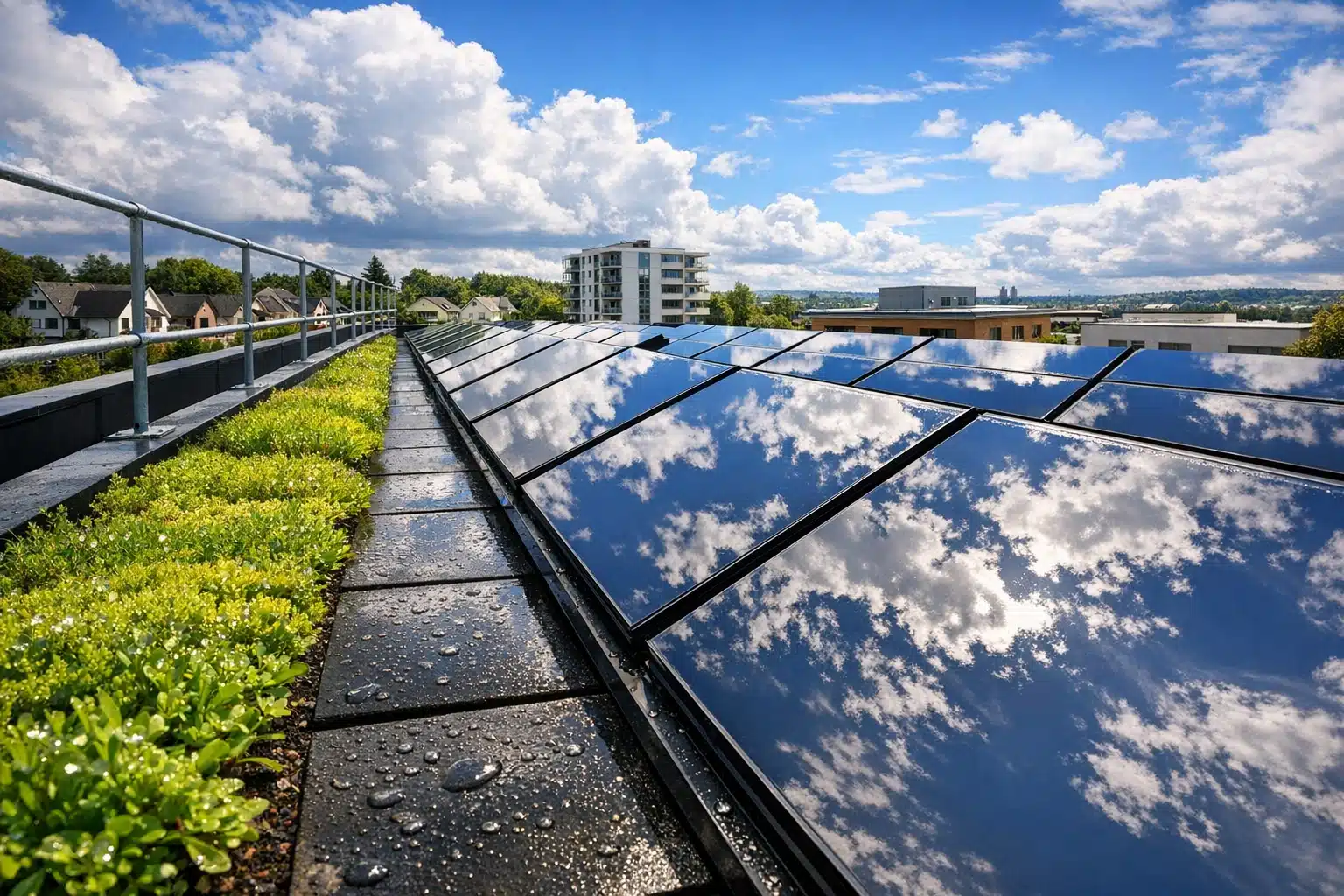
Upgrade Your Property with Solar Rooftop Technology
Solar rooftop technology has moved from a niche upgrade to a practical property strategy for owners who want lower energy bills, better resilience, and a more modern asset. A well-planned system can turn unused roof space into a small power station that works quietly every day. Just as important, it can improve how a building is perceived in a market that increasingly values efficiency. This guide breaks down what matters before you invest, from roof readiness to long-term returns.
1. Why Solar Rooftop Technology Deserves a Place in Your Property Plan
Before diving into equipment, permits, and financial models, it helps to see the whole map. This article is structured in five parts so readers can move from curiosity to practical action. The outline is simple: first, why rooftop solar matters right now; second, how to judge whether a building is actually suitable; third, which technologies and system designs make sense; fourth, how costs, incentives, and returns compare; and fifth, what installation, maintenance, and long-term ownership really look like. That sequence matters because solar is not just a product purchase. It is a building decision, an energy decision, and often a property-value decision all at once.
The relevance of rooftop solar has grown because energy is no longer viewed as an invisible background expense. Rising electricity prices in many regions, stronger interest in efficient buildings, and more accessible financing have changed the conversation. A roof used to be a protective shell, full stop. Now it can also be a productive surface. That shift is one reason solar has become attractive not only to environmentally motivated buyers, but also to landlords, commercial owners, and families trying to control monthly costs. In practical terms, a correctly sized rooftop system can offset a meaningful share of daytime electricity use, especially in homes or businesses that consume power while the sun is up.
There is also a market perception angle that is easy to overlook. Properties with visible efficiency upgrades often signal better operating discipline. Buyers and tenants may read solar panels as a sign that the building is modern, cost-aware, and designed with the future in mind. That does not mean every installation adds the same resale premium, because market response varies by location, utility prices, and buyer preferences. Still, efficiency features can strengthen a property’s story, and stories often matter when two similar listings compete.
Solar rooftops are compelling for several reasons:
• They can reduce purchased electricity from the grid.
• They may improve resilience when paired with battery storage.
• They can lower operational costs for owners who plan to hold property over time.
• They align with growing demand for lower-carbon building upgrades.
Perhaps the most engaging aspect is how ordinary the technology has become. Solar no longer feels like science fiction mounted on steel rails. It is increasingly a familiar part of streetscapes, industrial buildings, apartment blocks, and suburban homes. When designed well, the system does not need to dominate the architecture to add value. It simply goes to work overhead, quietly harvesting sunlight while daily life continues below. That mix of practicality and understated ambition is exactly why rooftop solar has earned serious attention from property owners today.
2. Is Your Property Ready for Solar? The Checks That Matter Most
Not every roof is a good roof for solar, and that is where many smart decisions begin. A careful site assessment can prevent disappointment, overspending, or underperformance later. The first factor is roof condition. If a roof will need replacement in a few years, installing panels beforehand can create avoidable labor costs because the system may need to be removed and reinstalled. As a rule of thumb, owners often prefer to pair solar with a roof that has enough remaining life to match the system’s expected service period, which is commonly 25 years or more for modern panels.
Next comes sun exposure. In the northern hemisphere, south-facing roofs often produce the most electricity, but east- and west-facing arrays can still be worthwhile, especially if local electricity pricing rewards morning or late-afternoon generation. Shade is another major variable. Trees, neighboring buildings, chimneys, and roof features can reduce output. Even partial shading can matter, depending on how the system is designed. This is where a professional shade analysis becomes useful. It translates what looks like a minor shadow in winter into actual production estimates across the year.
Structural strength matters too. Solar panels, mounting hardware, and in some cases snow loads add weight. A qualified installer or engineer may need to verify that the building can safely support the proposed setup. For flat roofs, ballast-mounted systems may avoid some penetrations, but they can increase load. For pitched roofs, attachment details and waterproofing quality are critical. A cheap shortcut on the roof is one of the worst places to discover false savings.
Key readiness checkpoints usually include:
• Roof age and material condition
• Orientation, pitch, and available surface area
• Seasonal or year-round shading
• Electrical panel capacity and wiring condition
• Local permitting rules and utility interconnection requirements
Property type also influences the answer. A detached house with simple geometry is very different from a multi-unit building, a warehouse, or a retail site. Commercial owners often have large flat roofs and substantial daytime consumption, which can make the numbers attractive. Residential owners may care more about aesthetics, battery backup, or future resale. In both cases, the lesson is the same: start with the building you have, not the brochure you saw. A realistic solar plan should fit roof shape, usage patterns, climate, and local rules. When those pieces line up, a project moves from hopeful idea to credible upgrade.
3. Choosing the Right Solar Rooftop System: Panels, Inverters, Batteries, and Design
Once a property passes the readiness test, the next question is not simply “How many panels can fit?” It is “Which system design matches the building’s goals?” Solar equipment comes in several forms, and the best choice depends on budget, roof complexity, energy habits, and whether backup power is important. Modern residential and small commercial projects often use monocrystalline panels because they are efficient and space-saving. Many current products fall roughly in the high-teens to low-twenties for efficiency, with premium models sometimes pushing higher. Polycrystalline panels used to be a common lower-cost alternative, though they are less dominant now. Thin-film technologies have niche uses, especially where weight, flexibility, or unusual surfaces matter, but they are less common on standard homes.
Inverter choice is equally important because panels generate direct current, while buildings use alternating current. A string inverter connects multiple panels in series and is often cost-effective for simple roofs with minimal shading. Microinverters are installed at each panel, allowing more independent performance and easier monitoring of individual modules. They usually cost more upfront but can make sense for roofs with multiple orientations or intermittent shade. Power optimizers sit somewhere in the middle, improving panel-level performance while still using a central inverter. There is no universal winner; each setup solves a different problem.
Batteries add another layer of strategy. A standard grid-tied system without storage is often the most affordable way to begin. It lowers electricity purchases when the sun is shining, but it usually does not provide backup during outages unless designed to do so. A hybrid system with batteries can store excess generation for evening use or emergency support. That can be highly appealing in places with unstable grids, time-of-use pricing, or homeowners who value resilience. The trade-off is cost. Storage can materially increase project budgets, so it should be included for a reason, not just because it sounds futuristic.
Here is a practical comparison:
• Grid-tied only: lower initial cost, strong for bill reduction, limited outage protection
• Hybrid with batteries: higher cost, better resilience, more control over self-consumption
• Off-grid: specialized and complex, usually suitable only where grid access is impractical
Design details also deserve attention. Aesthetic preferences may favor all-black panels on visible roof planes. Monitoring apps can help owners spot underperformance early. Some systems integrate with electric vehicle charging or smart home controls, turning the roof into one piece of a broader energy setup. Think of it like building a team: panels are the players, inverters are the translators, batteries are the bench strength, and software is the coach quietly calling the game. The most effective system is not always the largest one. It is the one that fits the roof, the budget, and the way the property actually uses electricity.
4. Costs, Savings, Incentives, and Property Value: Understanding the Financial Picture
Solar becomes much easier to evaluate when the numbers are placed on the table plainly. Most rooftop systems are priced by installed wattage, and in many markets residential projects are often quoted within a broad range rather than a single universal rate. In the United States, for example, installed residential costs before incentives commonly fall somewhere around $2.50 to $4.50 per watt, though roof complexity, labor rates, equipment tier, and electrical upgrades can move that figure. A 6-kilowatt system might therefore cost very roughly $15,000 to $27,000 before incentives, while a larger or battery-equipped system can rise significantly beyond that. In other countries, the pricing structure and support mechanisms differ, but the same logic applies: system size alone does not tell the whole story.
Savings depend on four core inputs: local sunlight, electricity tariffs, system performance, and how much of the generated electricity the property can use or export. This is why two nearly identical homes can get different outcomes. A household paying high utility rates and using substantial daytime power may see a stronger return than one with low rates and limited daytime consumption. Policies matter as well. Some regions still offer favorable net metering or export credits; others compensate exported electricity at lower rates, which makes self-consumption and storage more relevant.
Financial analysis should include:
• Upfront equipment and installation cost
• Incentives such as tax credits, rebates, or accelerated depreciation where available
• Expected annual generation
• Utility bill offset and export compensation
• Maintenance, insurance considerations, and inverter replacement over time
Payback periods often fall into a broad multi-year range rather than a neat promise. In some favorable settings, owners may recover costs in roughly 6 to 10 years. In less favorable ones, the timeline can stretch longer. That is why guaranteed savings language should be treated with caution. A credible installer will model assumptions transparently rather than present solar as a magic machine that prints money. Real value comes from durable, measurable reduction in operating expense, not from oversized claims.
There is also the property value question. Research in several housing markets has suggested that owned solar systems can support resale appeal and sometimes sale price, especially where buyers understand energy costs well. Yet leased systems or power purchase agreements may complicate transactions if contract transfer is awkward. For commercial property, solar can improve net operating income by lowering utility expenses, which can matter to investors. In simple terms, rooftop solar is not just about chasing a lower bill next month. It is about shaping the economics of the property over years, sometimes decades, with an upgrade that works every sunny day whether anyone is watching or not.
5. Installation, Maintenance, and Conclusion: How to Make Solar Work for Your Property Over Time
Once you have confirmed suitability and understood the numbers, the final stage is execution. This is where a sensible project can still go wrong if contractor selection is rushed. Start by comparing detailed proposals rather than headline prices alone. Good proposals should show system size, estimated annual production, panel and inverter brands, roof layout, warranty terms, monitoring options, and assumptions about shading or export rates. Ask whether the installer handles permits, utility interconnection, structural review, and post-installation support. A slightly higher quote can be the better value if it includes stronger workmanship, clearer documentation, and more responsive service.
The installation process itself is usually less dramatic than owners expect. After design approval and permitting, crews mount the racking, install the panels and inverter equipment, connect the electrical components, and coordinate inspection and utility approval. For many homes, physical installation may take only a few days, though the full project timeline can be longer because permitting and utility steps often move at their own pace. Commercial projects can take longer depending on scale, roof access, and electrical complexity. The visible part is quick; the administrative part is often the slow march.
Maintenance is generally modest, which is one reason solar appeals to busy owners. Panels have no fuel deliveries and few moving parts. Still, “low maintenance” does not mean “ignore forever.” Monitoring software should be checked regularly for unexpected drops in output. Debris, heavy dust, pollen buildup, or localized shading from newly grown trees can affect performance. In snowy climates, seasonal conditions influence production patterns. In some regions, occasional cleaning helps; in others, rain does most of the work. Inverters may need replacement sooner than panels, so lifecycle planning matters.
Useful ownership habits include:
• Review system production monthly or quarterly
• Keep records of warranties, permits, and installer contacts
• Inspect roof and mounting areas after severe weather
• Trim vegetation before shading becomes a serious issue
• Reassess insurance coverage if required by your policy or lender
For the target audience, the real takeaway is simple. Solar rooftop technology is most effective when treated as a property upgrade with technical, financial, and practical dimensions, not as a trend to copy blindly. Homeowners should look for bill stability, comfort, and long-term livability. Landlords should focus on operating costs, tenant appeal, and contract simplicity. Commercial owners should weigh energy use profiles, roof durability, and return on capital. If the roof is suitable, the design is appropriate, and the numbers are honest, solar can transform idle space into a reliable asset. That is the quiet elegance of the technology: your building keeps doing what it always did, while the roof starts pulling a little extra weight in the smartest possible way.