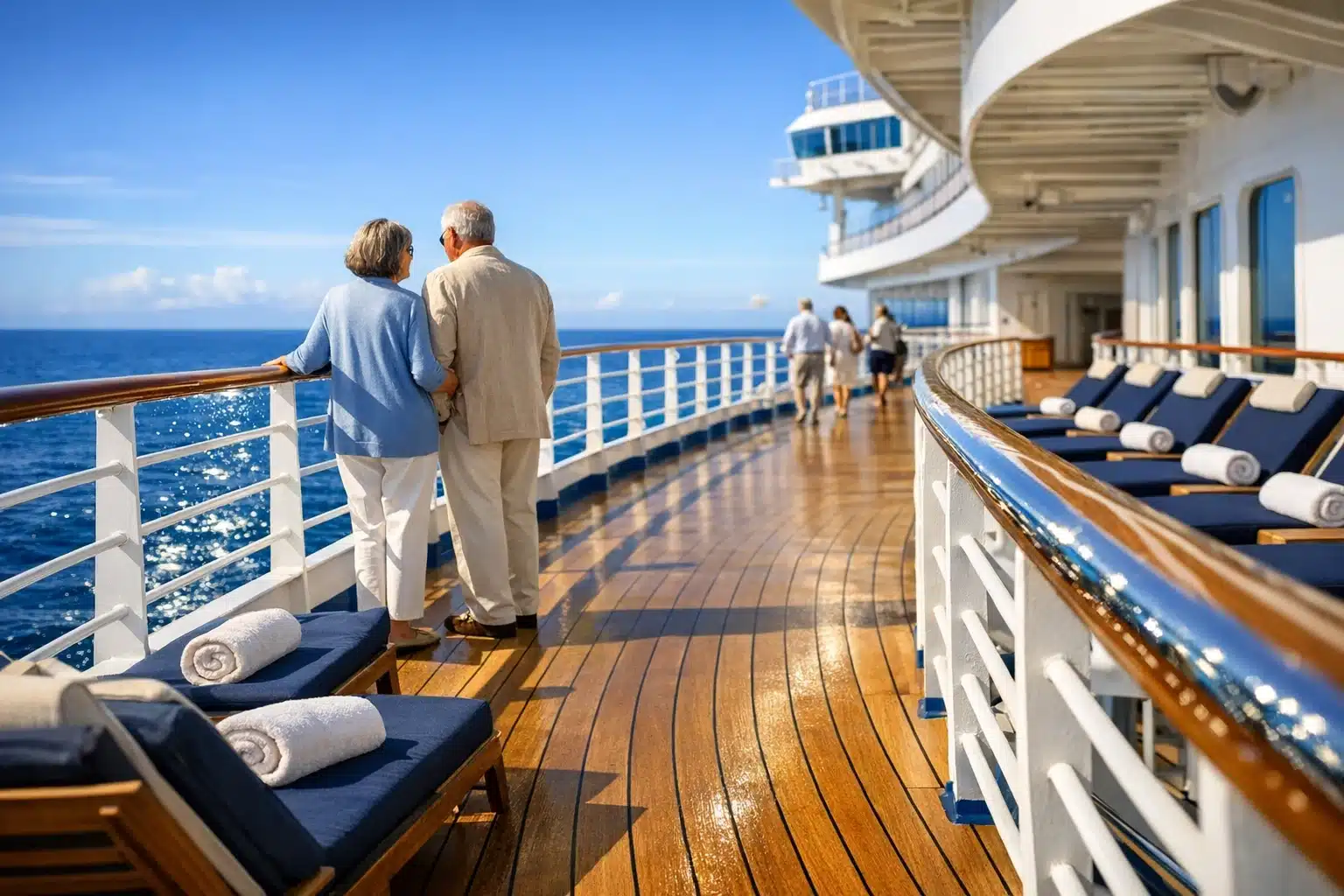
A Guide to Comfortable and Social Cruises for Seniors
Cruising later in life can blend ease, scenery, and companionship in a way few holidays manage, which is why many older travelers return to the water again and again. A well-chosen voyage can remove much of the strain of traditional trip planning while still leaving room for discovery. Yet comfort at sea is not automatic; ship size, itinerary, cabin layout, mobility support, and onboard culture all shape the experience. This guide explains how seniors can choose cruises that feel relaxed, sociable, and genuinely enjoyable from embarkation to the final port.
Outline:
- Why cruising often suits older travelers and what makes the experience especially appealing.
- How to compare ocean cruises, river cruises, ship sizes, itineraries, and cabin choices.
- What to look for in accessibility, health support, pacing, and practical onboard comfort.
- Ways to enjoy the social side of cruising without feeling pressured or overwhelmed.
- How to budget wisely, choose the right season, and finish planning with confidence.
Why Cruises Can Be an Excellent Travel Choice for Seniors
For many seniors, the appeal of a cruise begins with one simple promise: unpack once, settle in, and let the journey come to you. That convenience matters. Traditional multi-city travel often involves repeated hotel changes, long transfers, luggage handling, and unfamiliar transport systems. A cruise reduces much of that friction. Your room stays the same, meals are close at hand, and entertainment, scenery, and transportation are bundled into one moving experience. There is a quiet pleasure in waking up, opening the curtains, and finding that the world has rearranged itself outside your window.
Comfort, however, is only one part of the story. Cruises can also be strongly social in ways that suit mature travelers. Shared dining, guided excursions, music nights, enrichment talks, hobby classes, and lounge seating all create natural openings for conversation. Unlike some land vacations, where every day requires independent planning, cruises place people in the same rhythm. Breakfast at a similar hour, a morning port visit, afternoon tea, and evening entertainment can make meeting others feel easy rather than forced.
There are also practical reasons cruises appeal to older adults. Many ships offer elevators, railings, step-free routes in major public areas, and staff support during boarding and dining. River cruises, which often carry fewer than 200 guests, can feel intimate and calm. Large ocean ships may carry several thousand passengers, but they also offer more choice in restaurants, activities, and cabin categories. Neither style is automatically better. The best option depends on your pace, interests, and comfort with crowds.
That said, not every cruise is ideal for every senior traveler. Some itineraries involve long walking tours, tender boat transfers, or tightly scheduled days in port. Others feel wonderfully relaxed, with scenic sailing, shorter excursions, and plenty of quiet corners to read or chat. The key is to avoid treating “a cruise” as one single product. A seven-night river cruise on the Danube, a Caribbean ocean voyage with multiple sea days, and a small-ship coastal itinerary can feel like entirely different holidays.
When chosen well, cruising can offer a rare balance of ease and stimulation. It can be peaceful without being dull, social without being noisy, and active without being exhausting. That is exactly why it remains one of the most adaptable travel formats for seniors who want comfort, companionship, and a bit of adventure without unnecessary strain.
Choosing the Right Ship, Itinerary, and Cabin for a More Relaxed Experience
The most comfortable cruise for a senior traveler is usually the one that fits personal habits rather than glossy marketing. Start with the broadest decision first: ocean cruise or river cruise. River cruises usually emphasize culture, scenery, and easy access to town centers. Ships are smaller, the atmosphere is quieter, and fellow passengers often mingle naturally because public spaces are more intimate. Ocean cruises offer broader entertainment, more cabin choices, and a wider range of prices, but they can involve longer walks, larger crowds, and more complex embarkation days.
Ship size shapes daily life more than many first-time cruisers expect. Large ships can feel like floating resorts, with theaters, multiple dining rooms, pools, and a packed calendar. That sounds appealing, but it can also mean more noise, longer elevator waits, and longer distances between cabin, dining room, and activity spaces. Smaller ships may have fewer venues, yet they often feel calmer and easier to navigate. For travelers who value simplicity, that can be a major advantage.
The itinerary matters just as much as the ship. Some routes are port-heavy, meaning you may stop somewhere almost every day. Others include several sea days, which many seniors appreciate because the pace becomes more restful. If mobility or stamina is a concern, look closely at the excursion notes. A beautiful port loses its charm if the only featured tour involves steep cobblestones, several hours on foot, or repeated bus transfers.
Cabin choice is another place where comfort is won or lost. Midship cabins on lower or middle decks often feel more stable in rougher seas. Balcony cabins can be lovely for private quiet time, especially for travelers who enjoy morning coffee outdoors, but they are not essential for everyone. Some seniors prefer an ocean-view cabin with a larger indoor sitting area, while others value an accessible cabin with wider doorways and a roll-in shower. Accessible rooms are usually limited in number, so early booking is especially important.
Before booking, it helps to compare your options using a simple checklist:
- How much walking does the ship require in a normal day?
- Are many ports reached by tender boats instead of docking directly?
- Does the itinerary include enough sea days or rest time?
- Is the cabin close to elevators but not directly beside noisy public areas?
- Do excursions offer gentle, panoramic, or coach-based alternatives?
A good cruise should feel like it was designed around your energy, not around someone else’s idea of what travel ought to be. When the ship, cabin, and route align with your preferences, the whole trip begins to feel lighter before you even leave home.
Accessibility, Health Support, and Everyday Comfort Onboard
Comfort on a cruise is not only about soft bedding and good food. For seniors, real comfort often means predictability, accessibility, and the confidence that everyday needs can be handled smoothly. This is where careful pre-trip research pays off. Most modern cruise ships provide elevators, handrails, accessible restrooms in public areas, and staff assistance during embarkation, but the degree of accessibility varies. Older ships, smaller vessels, and certain river ships may have tighter corridors, fewer lifts, or more steps between decks.
Mobility deserves honest attention during planning. Even travelers who manage well at home may find that long gangways, moving decks, and busy terminals are more tiring than expected. Ports can present the biggest challenge. Some itineraries require tendering, where passengers transfer from the ship to shore using smaller boats. This process can be awkward for anyone with balance issues, walkers, or limited stamina. Docking directly at a pier is generally simpler. It is worth checking that detail in advance rather than discovering it when the sea is rolling.
Health support is another important factor. Most large cruise ships have onboard medical centers staffed to handle common urgent issues, minor injuries, and basic treatment. They are helpful, but they are not a replacement for a hospital, especially in serious emergencies. That is why travel insurance that covers medical care, evacuation, and trip interruption is often a sensible part of cruise planning for older adults. Carrying an updated medication list, keeping prescriptions in original containers, and packing extra doses in hand luggage are also practical safeguards.
Small choices can improve daily comfort more than travelers expect:
- Choose a cabin away from late-night venues if light sleep is an issue.
- Request dining times that suit your normal routine.
- Bring supportive shoes for decks, terminals, and excursions.
- Pack a light sweater or jacket because indoor spaces can feel cool.
- Review dietary needs with the cruise line before departure.
Sleep quality matters too. A comfortable schedule is often better than an ambitious one. You do not need to attend every show, every trivia session, and every shore activity to feel that the trip was worthwhile. One of cruising’s strengths is that the essentials are nearby: a place to sit, a meal, a view, and a route back to your cabin. That built-in ease can be especially reassuring for seniors who want to travel well without turning each day into a test of endurance.
The best cruises for older travelers are not necessarily the fanciest. They are the ones that reduce stress, respect physical limits, and create enough structure that the holiday feels smooth. When accessibility and health planning are treated as part of the pleasure rather than an afterthought, the trip becomes freer, not more restrictive.
Making a Cruise Social Without Letting It Become Overwhelming
One reason cruises remain popular with seniors is that they make social contact feel natural. You are not arriving at a restaurant alone in a strange city each night, and you are not trying to build conversation from scratch in unfamiliar surroundings. On a ship, people tend to cross paths repeatedly. You may see the same couple at breakfast, the same card players in the lounge, or the same friendly faces on a walking tour. These gentle repetitions can turn strangers into companions by the second or third day.
For travelers who enjoy company, shared dining is often the simplest starting point. Some cruises offer fixed seating, while others provide open dining or communal tables. Neither system is perfect for everyone. Fixed seating can create continuity and easy conversation because you meet the same group nightly. Open dining offers more flexibility, which many independent travelers prefer. Solo seniors often find that hosted meetups, enrichment lectures, dance classes, craft sessions, and shore excursions offer even more relaxed ways to connect because the activity itself gives people something to talk about.
There is also a useful difference between being social and being busy. A good cruise allows room for both conversation and quiet. Many seniors enjoy the middle ground: a morning lecture, lunch with new acquaintances, a peaceful hour on deck, then a music performance in the evening. Socializing works best when it is woven into the day rather than forced into every hour. On a well-run ship, companionship can feel as casual as a smile over coffee.
If you want a richer social experience, these strategies often help:
- Join at least one small-group excursion early in the trip.
- Attend welcome events or hosted solo traveler gatherings.
- Choose a dining format that encourages conversation.
- Take part in low-pressure activities such as quizzes, lectures, or workshops.
- Return to the same lounge or café at similar times if you enjoy familiar faces.
At the same time, it is perfectly reasonable to protect your energy. Large ships can be lively, and not every event will suit your taste. Some travelers prefer a book and a window seat to a crowded atrium performance, and that is not a lesser way to cruise. In fact, many older adults value the freedom to adjust their level of engagement from day to day. You can chat over breakfast, skip the afternoon bustle, and still feel part of the ship’s small floating community.
The social side of cruising is at its best when it feels unforced. You do not have to become the loudest person at trivia night or join every dance lesson. Sometimes the most memorable moments are quieter: a conversation during sail-away, shared laughter on a coach ride, or a familiar nod from someone you met two ports ago. Those small connections often become the thread that holds the whole trip together.
Budgeting, Timing, and Final Advice for Senior Travelers
A comfortable cruise is not always the cheapest one, but it does need to feel like good value. For seniors, value often comes from reducing hassle as much as from lowering price. A lower fare can lose its appeal if it requires exhausting flights, inconvenient hotel stays, extra transfer costs, or an itinerary that feels too demanding. When comparing cruises, look beyond the advertised fare and estimate the full cost: gratuities, shore excursions, travel insurance, drinks, specialty dining, airport transfers, internet access, and pre-cruise overnight stays if needed.
Timing also affects comfort. Shoulder seasons, often spring and fall, can offer milder weather, lower crowd levels, and sometimes better prices than peak holiday periods. These sailings may suit seniors who prefer steadier temperatures and a calmer atmosphere. At the same time, weather patterns matter. Some regions have rougher seas in certain months, and that can influence comfort significantly. A bargain is less attractive if motion becomes the main memory of the trip.
Booking strategy matters too. Accessible cabins, popular midship rooms, and gentler itineraries tend to fill early. On the other hand, some travelers are flexible enough to benefit from later discounts. There is no single correct approach. If you have specific mobility needs, a preferred dining time, or a strong cabin preference, booking earlier is usually wiser. If your priorities are price and spontaneity, waiting can sometimes work, though choice will be more limited.
As you plan, keep a realistic checklist:
- Choose convenience over unnecessary complexity.
- Allow recovery time before and after long flights.
- Read excursion descriptions carefully, not just destination names.
- Set a budget for onboard spending before departure.
- Prioritize the experiences you will actually enjoy rather than paying for everything available.
For many seniors, the best cruise is not the most famous route or the newest ship. It is the one that supports your pace, your interests, and your comfort. Perhaps that means a river sailing with museum visits and short walks. Perhaps it means an ocean voyage with sea days, good lectures, and a balcony for private sunsets. Perhaps it means traveling with a spouse, a friend, a sibling, or entirely on your own.
In the end, cruising can be wonderfully kind to older travelers when it is chosen thoughtfully. It allows you to see multiple places without repacking, meet people without awkward effort, and enjoy structure without losing freedom. If you match the ship and itinerary to your real needs, not an idealized version of yourself, the experience is far more likely to feel restful, social, and deeply satisfying. That is the real goal: not simply to take a cruise, but to take one that feels comfortably yours from the first boarding step to the final farewell.