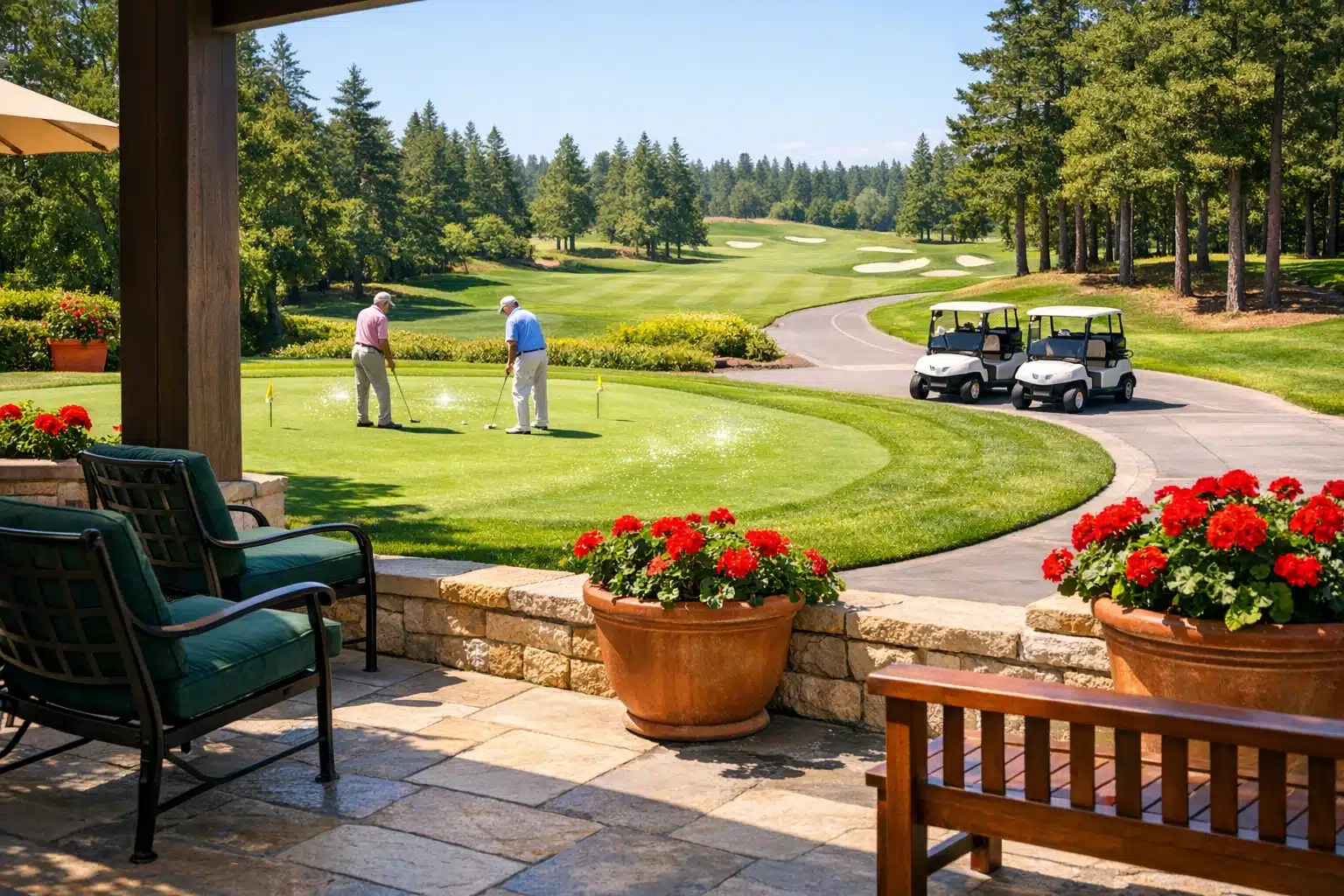
A Guide to Public Golf Courses with Senior Rates
Public golf courses with senior rates can make the game more accessible, social, and affordable without turning every round into a budget debate. For many older golfers, lower green fees mean more chances to play, practice, and explore new layouts close to home. This guide explains how senior pricing works, which features matter most, and how to compare courses with clear eyes. You will also find practical tips for spotting value beyond the posted rate. If you enjoy golf and prefer smart choices over guesswork, keep reading.
This article follows a clear outline: how senior rates are structured, what makes a course senior-friendly, how to judge value instead of chasing the lowest number, where to find dependable pricing, and how to choose a public course that suits your schedule, comfort, and playing style.
Understanding How Senior Rates Work at Public Golf Courses
Senior rates are discounted green fees offered by many public golf courses to older players, but the phrase sounds simpler than it really is. In practice, these rates vary widely by city, county, region, season, and ownership model. A municipal course run by a parks department may post one clearly labeled senior fee all week, while a daily-fee course may only apply the discount on weekdays before noon. Some courses include a cart in the rate, some price walking and riding separately, and others bundle senior discounts into loyalty cards or resident programs rather than a standalone line on the tee sheet.
Eligibility rules also differ. One course may define a senior golfer as 55 and older, another may use 60, 62, or 65. That matters more than many players expect, especially for couples or regular foursomes where one person qualifies and another does not. It is always worth checking the exact age policy instead of assuming it matches the course across town. In many markets, the discount may be modest, perhaps a few dollars off the standard fee, while elsewhere it can be more substantial, especially during quieter weekday windows.
Common pricing patterns include: • weekday-only senior rates • discounted 9-hole rounds • morning or midday pricing • resident senior rates for local taxpayers • seasonal specials during hot summers or cooler shoulder months • annual passes for frequent players. These details shape the real cost of a round far more than the headline number on the website.
It also helps to understand the difference between public course types. Municipal and county courses often emphasize affordability and community access, so their senior rates can be predictable and easy to find. Semi-public or privately owned daily-fee courses may offer more variable pricing, using dynamic tee-time software that changes rates by demand. In that setting, the senior price might be best on slower days and less attractive when the tee sheet is full. Resort-adjacent public courses sometimes offer senior play too, but the savings may be smaller because the base rate starts higher.
The practical lesson is simple: senior rates are not just about age, they are about timing, format, and local policy. A golfer who likes walking nine holes on Tuesday mornings may unlock very different value than someone who prefers riding eighteen on Saturday. Reading the fine print can feel less exciting than watching a ball rise against a blue sky, but it often saves enough money to fund the next round.
What Makes a Public Golf Course Truly Senior-Friendly
A discounted tee time is useful, but a genuinely senior-friendly course offers more than a lower fee. The experience begins with design and ends with comfort. Many older golfers prefer layouts that reward placement and decision-making rather than punishing every missed fairway with a forced carry over marshland or a bunker the size of a small apartment. A course does not need to be short to be enjoyable, yet playable forward tees, sensible landing areas, and clear sightlines can make a round feel inviting instead of exhausting.
Walking versus riding is another major factor. Some senior players still enjoy carrying or pushing for nine holes, while others prefer a cart to conserve energy for the swing itself. A good public facility accommodates both. Gentle terrain, well-maintained paths, benches near tees, and conveniently placed restrooms can shape the day as much as the scorecard. If the course is hilly, a cart-inclusive senior rate may be more valuable than a cheaper walking option at a flatter but poorly maintained property.
Course conditioning matters too, though not always in the flashy way advertisements suggest. Senior golfers often appreciate fairways that provide decent lies, greens that roll true rather than merely fast, and bunkers with consistent sand depth. Reliable conditions support confidence. When the bounce is fair and the putting surface is honest, the game feels like a conversation instead of an argument.
Other senior-friendly features are easy to overlook until they are missing: • clear signage from hole to hole • a friendly starter who explains pace expectations • accessible parking close to the clubhouse • staff willing to help with clubs • practice greens near the first tee • reasonably spaced tee times that reduce pressure from groups behind. These small details can turn a stressful outing into a relaxed, repeatable routine.
Social environment should not be underestimated either. Many public courses with strong senior participation also host weekday leagues, casual mixers, and instructional clinics. That matters because golf is often as much about companionship as competition. A welcoming environment encourages newer senior players, returning golfers, and those recovering confidence after a break from the game. When a course creates space for conversation, manageable pace, and steady play, the fairway starts to feel less like a test and more like an old friend waiting at the gate.
Comparing Value Beyond the Posted Senior Rate
The lowest price on the screen is not always the best deal. This is one of the most useful truths for golfers comparing public courses with senior rates. A course charging 28 dollars to walk may look like the obvious winner until you discover that the greens are patchy, the pace crawls past five hours, and the range is closed. Meanwhile, another course at 38 dollars may include a cart, a small bucket of balls, and smoother conditions that make the round both easier and more enjoyable. Value lives in the full experience, not just the first number you see.
A smart comparison starts with the total round cost. Ask what is included and what is extra. Some courses separate green fee, cart fee, booking fee, and tax. Others roll them together. A senior special that sounds generous can lose its shine when a cart adds another 18 dollars or when online booking platforms tack on service charges. It is also worth checking whether the rate applies to 18 holes, 9 holes, or a limited replay window later in the day.
Think in practical categories when comparing options: • condition of greens and fairways • pace of play • cart availability and path access • practice facilities • quality of customer service • convenience of location • flexibility of tee-time windows • cancellation policies. A slightly higher fee at a nearby course may save fuel, travel time, and physical effort. Over a season, that convenience can matter more than a few dollars per round.
Frequent-player programs deserve close attention. Many public courses offer punch cards, local resident cards, or annual passes that quietly outperform single-round senior rates. For example, a golfer playing twice a week might spend less with a seasonal pass, while a lighter player may benefit more from occasional weekday specials. Some facilities also offer reduced twilight rates that can stack well with senior pricing, though not always. A quick phone call can clarify whether discounts can be combined.
There is also a quality-of-life element that numbers do not fully capture. Good drainage after rain, an efficient check-in process, and staff who treat regulars with respect all add value. Golf has a way of magnifying little irritations. A poorly managed course can make a bargain feel expensive. On the other hand, a fair price at a well-run public course often feels like money sensibly spent, especially when the round ends with the pleasant thought that you would gladly come back next week.
How to Find and Book Public Golf Courses with Senior Rates
Finding senior rates is easier than it used to be, but the best options are not always the most visible ones. Large booking platforms can help you scan prices quickly, yet they do not always show local rules, resident discounts, or special senior windows accurately. The most reliable search usually combines digital research with old-fashioned conversation. In other words, use the internet for the map and the clubhouse for the truth.
Start with official course websites, especially for municipal and county-run facilities. These sites often list rate sheets, senior age thresholds, and whether the discount applies on weekdays only. Public systems operated by cities or park districts can be particularly transparent because they publish resident and nonresident pricing in simple tables. If the website is vague, call the pro shop and ask direct questions: What age qualifies for the senior rate? Does it apply to walking and riding? Are there better prices for 9 holes, twilight, or shoulder-season play? Can residents or passholders stack additional savings?
Useful places to check include: • city parks and recreation websites • county golf systems • state park golf pages • local golf association directories • regional review sites • senior recreation newsletters • email lists from nearby courses. These sources can reveal offers that third-party booking engines miss, such as winter cards, weekday leagues, or replay discounts after a morning round.
Timing matters as much as location. Many courses release tee times several days in advance, and senior-friendly slots can disappear quickly, especially on calm weekday mornings. Booking early can secure the better value, but flexibility helps too. Midday rounds in spring or fall often offer a sweet spot between price and comfort. In hotter climates, early tee times may be the prize. In colder regions, shoulder months can bring excellent rates if you do not mind a little extra breeze and a quieter clubhouse.
When traveling, public golf with senior rates requires another layer of comparison. Some destinations advertise resort golf, but local municipal courses may provide a more relaxed pace and a more reasonable fee. Read reviews with care. Focus less on dramatic praise and more on consistent themes such as condition, friendliness, and difficulty. A practical golfer knows that the perfect booking method is not glamorous. It is simply the one that gets you to the first tee informed, on budget, and free from surprises.
Conclusion: Choosing the Right Course for Your Game, Budget, and Routine
For senior golfers, public courses with discounted rates are not just a nice extra. They can be the difference between playing occasionally and playing often enough to stay sharp, social, and fully connected to the game. The key is to look beyond the phrase senior rate and focus on the full picture: eligibility rules, scheduling limits, course design, walking comfort, cart policies, and the everyday quality of the experience. A smart choice is rarely about finding the absolute cheapest round. It is about finding the round you will actually enjoy repeating.
If you are comparing several local options, make the process simple. Pick three public courses within a comfortable drive and review them using the same checklist. Compare the senior fee, what it includes, when it applies, and whether the layout suits your current game. Notice practical details such as pace of play, access to forward tees, parking convenience, and how easy it is to book without hassle. A course that respects your time often earns its place in your weekly rotation.
A useful decision guide might look like this: • best low-cost option for practice rounds • best all-around value for regular play • best conditioned course for guests or special outings • best 9-hole choice for shorter days • best social course for leagues and repeat pairings. Once you think in categories rather than one winner, the search becomes easier and more realistic.
There is also something quietly appealing about this stage of golf. Many senior players know their strengths, accept their limits, and care more about rhythm than bravado. A good public course meets that mindset halfway. It offers playable design, fair pricing, and enough welcome to make the day feel settled before the first shot is struck. The sound of a clean iron, the slow roll of a putt tracking home, the familiar nod from the starter, all of it matters.
If you want the best result, start local, ask clear questions, and play one exploratory round before committing to passes or packages. Keep notes on value, comfort, and enjoyment. Over time, the right course tends to reveal itself. It is the place where the numbers make sense, the layout fits your eye, and the round leaves you thinking not about what it cost, but about when you can go back.