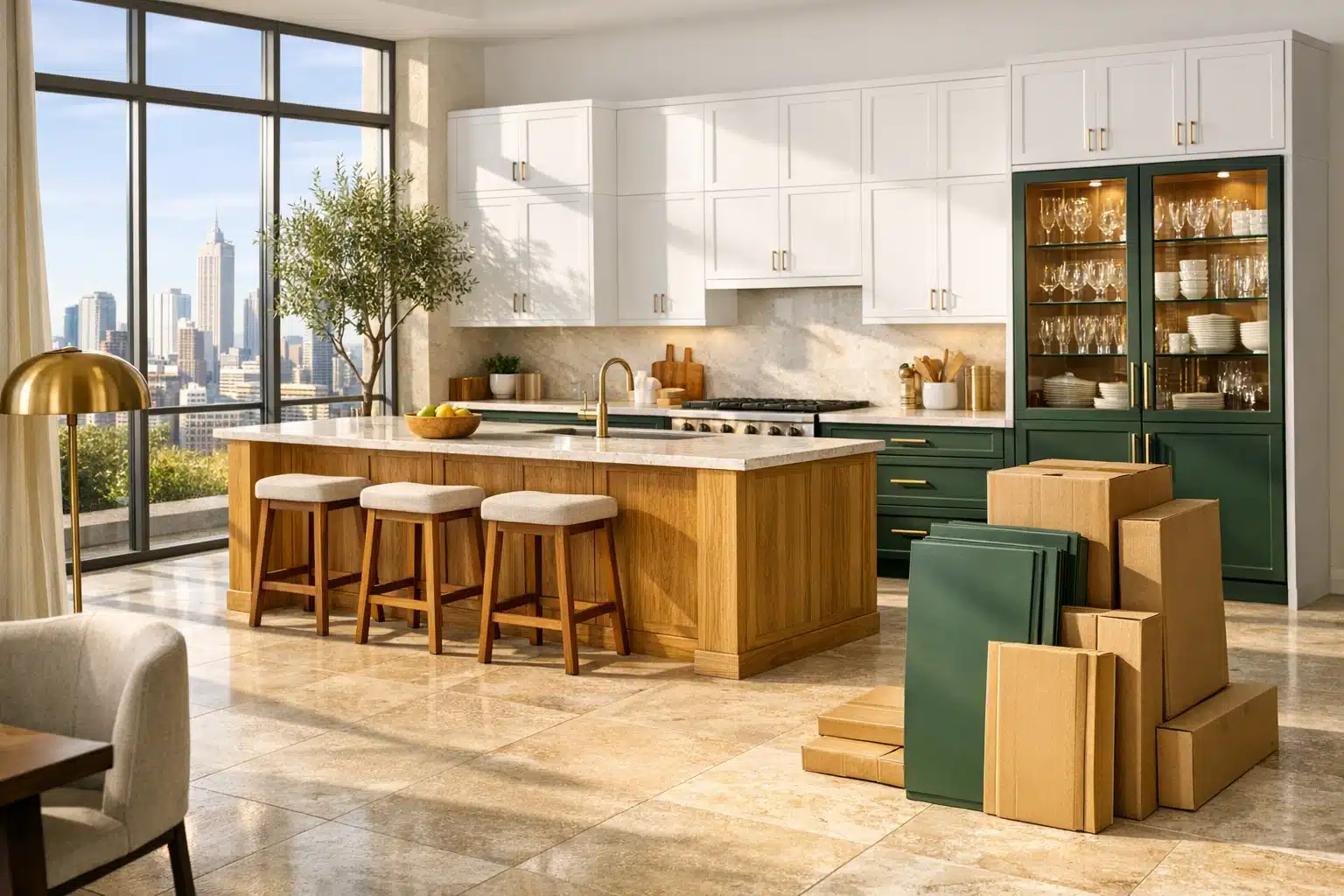
Best Places to Find Unsold Kitchen Cabinets
Kitchen cabinets are often the single biggest line item in a remodel, which is why unsold inventory deserves a serious look. These cabinets may come from canceled orders, showroom resets, overstock, or discontinued collections, and they can cost far less than made-to-order sets. The real challenge is separating a smart opportunity from a pile of mismatched parts. With the right approach, buyers can find attractive, durable cabinets that fit both their layout and their budget.
Outline
- How unsold cabinets enter the market and why they can offer strong value
- The best local sources, from showrooms to salvage centers and contractor surplus
- The most useful online channels and how to compare listings safely
- What to inspect before buying, including materials, measurements, and missing components
- A practical buying strategy for homeowners, landlords, flippers, and remodelers
Where Unsold Cabinets Come From and Why They Can Be a Smart Buy
Before hunting for bargains, it helps to understand what “unsold” really means. In most cases, these cabinets are not defective leftovers. They are products that missed their original destination for ordinary business reasons: a customer changed plans, a builder overordered, a showroom updated its display wall, or a supplier discontinued a finish that still has perfectly usable stock. In other words, the cabinet itself may be perfectly sound even though its first sales path came to a halt.
This matters because the origin of the inventory affects both price and risk. Showroom displays are often assembled and lightly handled, but they may include higher-end finishes, glass inserts, or premium hardware. Canceled orders may be nearly new and still boxed, though they are usually locked into very specific dimensions and colors. Builder surplus can offer quantity, which is valuable if you need several matching bases and wall units. Discontinued lines may be the cheapest of all, but replacement pieces later can be difficult to source. A bargain, then, is not simply about paying less. It is about matching the cabinet’s story to your project.
Compared with fully custom cabinetry, unsold stock can reduce costs dramatically. Buyers commonly see discounts in the range of 20% to 60%, and sometimes more when a seller wants the inventory gone quickly. That discount becomes even more meaningful in kitchens, where multiple cabinets, trim pieces, fillers, panels, and drawer upgrades can push pricing upward fast. There is a quiet thrill in spotting a cabinet set that once belonged in a glossy showroom and realizing it now fits your renovation budget better than a flat-pack alternative.
Still, unsold cabinets are different from used cabinets, and that distinction is worth keeping clear. Used cabinets have already served in another kitchen, so they may show water wear, screw holes, hinge fatigue, or cutouts. Unsold cabinets are more likely to be clean, structurally consistent, and easier to integrate. They also differ from ready-to-assemble budget cabinets sold in bulk online. Flat-pack options can be inexpensive, but material quality and hardware durability vary widely. An unsold all-plywood cabinet from a showroom clearance may outperform a brand-new low-cost import, even if the sticker price looks similar.
- Best value: canceled orders and display kitchens with complete matching sets
- Best for flexibility: builder surplus with multiple box sizes
- Best for dramatic discounts: discontinued lines and end-of-season warehouse clearances
- Highest caution: odd-lot leftovers with missing fillers, toe kicks, or trim
The main lesson is simple: unsold cabinets are not one category but several overlapping ones. Buyers who understand the difference can save real money without compromising function. Those who rush in because the phrase “liquidation” sounds magical may discover too late that a cheap cabinet becomes costly when matching doors, crown molding, or replacement drawers no longer exist. The market rewards patience, measurements, and a willingness to ask detailed questions.
Best Local Places to Search for Unsold Kitchen Cabinets
If you prefer to see before you spend, local sources are often the strongest place to begin. A cabinet purchase is physical, dimensional, and surprisingly tactile. You want to open drawers, examine joints, and check whether doors align properly. Local inventory gives you that chance. It also saves one of the biggest hidden costs in the category: freight. Shipping large cabinets can eat into savings quickly, and returns are rarely simple when an item weighs more than a small refrigerator.
One of the best places to look is independent kitchen and bath showrooms. These businesses refresh their floor models more often than many buyers realize. When a new door style, color trend, or vendor line comes in, old displays have to leave. Display kitchens may include premium construction details such as soft-close hinges, dovetail drawers, plywood boxes, interior organizers, and upgraded finishes. The catch is that layouts are fixed. A glamorous display island means little if your room only needs a run of wall cabinets. Still, if you are flexible, showroom clearance sales can be a gold mine.
Liquidation warehouses and building surplus outlets are another excellent source. These businesses often buy mixed lots from store closures, canceled developments, and excess distributor inventory. Their advantage is variety. You may find shaker doors in one aisle, raised-panel maple in another, and unopened cabinet cartons stacked near the loading bay. Prices are frequently negotiable, especially when you buy several units together. The downside is that inventory turns fast and organization can be uneven. Going in with a tape measure, a cabinet list, and a calm eye helps more than going in with vague optimism.
Reuse centers, architectural salvage yards, and Habitat-style home improvement resale stores deserve special attention too. They may not always have full matching kitchens, but when they do, the price can be remarkably attractive. These venues also suit buyers hunting for laundry room cabinets, garage storage, workshop bases, or a pantry wall where exact matching matters less. Think of them as treasure rooms with fluorescent lights: not always glamorous, but occasionally brilliant.
- Showrooms: best for quality and premium features
- Liquidation outlets: best for mixed inventory and bundle pricing
- Reuse centers: best for deep discounts and secondary spaces
- Contractors and builders: best for surplus from active or recently finished projects
Do not overlook local contractors, cabinet installers, and small developers. They often know about canceled jobs, overordered units, or client-approved changes that leave useful inventory behind. Some will sell directly; others will point you to a warehouse or contact. A polite phone call can open doors that never appear in public listings. In local buying, relationships matter almost as much as timing. The person who checks in once a week and can pick up quickly often gets the first call when a desirable set becomes available.
Best Online Sources and How to Compare Them Without Getting Burned
Online searching expands your reach dramatically, which is valuable when local stock is thin or your project needs specific sizes. The internet is where canceled inventory, showroom pullouts, estate sale leftovers, and closeout batches often resurface. Yet digital convenience has a price: you cannot judge cabinet quality from a flattering photo alone. To use online channels well, buyers need a slightly skeptical mindset and a firm process for verifying what is being sold.
General marketplaces such as Facebook Marketplace, Craigslist, OfferUp, and local classified sites are usually the first stop because they are easy to browse and often allow nearby pickup. Their strengths are speed and price. Sellers who are moving, clearing storage, or finishing a remodel sometimes list cabinets at aggressive rates simply to regain space. You may also find homeowners selling unopened cabinets left over from a redesign. The challenge is inconsistency. Photos can be incomplete, terminology can be sloppy, and measurements are sometimes missing or wrong. A listing that says “full kitchen set” may turn out to mean three base cabinets, two doors, and a lot of confidence.
Online auction platforms and commercial liquidation sites can offer bigger lots, especially from retailers, distributors, or business closures. These sources are useful for investors, landlords, and experienced renovators who can buy in volume. The prices can be impressive, but you need to read the lot descriptions carefully. Some auctions are sold as-is, where-is, with limited ability to inspect beforehand. That works better for buyers who already know how to identify cabinet construction details from manufacturer labels, hinge systems, and box specifications.
There is also a middle ground: retailer clearance pages, manufacturer outlet channels, and regional dealer websites. These tend to be more reliable than peer-to-peer marketplaces because model numbers, finish names, and dimensions are clearer. In exchange, prices may be less dramatic than a private fire sale. Still, reliability itself has value. A complete list of SKUs, matching end panels, and available fillers can save hours of guesswork later.
- Best for local bargains: peer-to-peer marketplaces with pickup
- Best for volume buyers: online liquidation auctions
- Best for clearer specs: dealer clearance pages and outlet inventory
- Best safety habit: ask for cabinet dimensions, condition notes, and photos of labels before traveling
When comparing online options, request more than glamour shots. Ask for interior photos, close-ups of drawer slides, box construction, door style names, and a count of every included piece. Confirm whether toe kicks, fillers, panels, crown molding, shelves, and hardware are included. Also ask where the cabinets are stored. A boxed cabinet kept in a dry warehouse is very different from one that spent a season in a damp garage. The web can deliver excellent opportunities, but it rewards buyers who verify details early and avoid emotional purchases made after seeing a price that seems almost too perfect.
How to Inspect Quality, Fit, and the Hidden Costs Before You Buy
Finding inventory is only half the job. The other half is making sure the cabinets actually work in your space and remain a bargain after all the extras are counted. This is where many buyers lose the advantage. A low sticker price feels exciting, but kitchens are systems, not isolated boxes. One missing pantry side panel or one incompatible sink base can change the economics of the whole purchase.
Start with measurements, and then measure again in the spirit of healthy suspicion. You need your room dimensions, appliance widths, plumbing and electrical locations, ceiling height, soffit depth if present, and the exact size of any windows or door swings. Then compare those numbers with the full cabinet list. Note the width, height, and depth of every unit. Be especially careful with blind corner cabinets, tall pantry units, and islands, because they tend to create layout problems when a room is tight. A beautiful cabinet that blocks a dishwasher door is not a bargain; it is a lesson.
Next, inspect construction. Solid wood doors are nice, but the cabinet box often matters more. Plywood tends to resist moisture and movement better than low-grade particleboard, though not all engineered wood is bad. Look for sturdy back panels, decent shelf thickness, secure joinery, and drawer hardware that opens smoothly without wobble. Soft-close hardware is a bonus, not a requirement. More important is whether the cabinet feels square, stable, and well assembled. If a seller allows it, remove a drawer and inspect the slide system directly. Open every door. Check alignment. Smell the cabinet as well; a musty odor can signal poor storage conditions.
- Verify if shelves, hinges, and drawer slides are included
- Check for fillers, end panels, crown, light rail, and toe kicks
- Confirm if left- and right-hinged doors suit the layout
- Look for water damage, edge swelling, scratches, and sun fading
- Ask whether replacement doors or accessories are still available
Hidden costs deserve a full line on your budget. Transport can require a box truck, padding, straps, and several sets of hands. Storage matters if installation will not happen right away. Touch-up paint, hardware swaps, replacement shelves, trim additions, and custom modifications can narrow the savings gap between discounted stock and a simpler new order. Even installation labor may rise if the set includes odd sizes that require fillers or creative trimming. The smartest buyers compare total project cost, not just the headline deal.
If the cabinets are sold as a mixed lot, create a simple worksheet before paying. List each piece, its condition, where it fits, and what else is needed to complete the kitchen. That single habit turns a warehouse scavenger hunt into a rational purchase. Unsold inventory pays off best when the buyer treats it like a planning exercise rather than a treasure grab.
A Practical Buying Strategy for Homeowners, Landlords, and Remodelers
The best place to find unsold kitchen cabinets depends less on a universal ranking and more on who you are as a buyer. A homeowner renovating a forever kitchen may prioritize construction quality, finish consistency, and the ability to source matching trim later. A landlord may care more about durability, fast pickup, and easy-to-clean surfaces. A house flipper often values speed, visual appeal, and acceptable quality at a price point that protects the project margin. Knowing your own priorities makes the search shorter and the decisions clearer.
For homeowners, showroom clearance sales and reputable local dealers usually offer the strongest balance between savings and reliability. You are more likely to get better specs, cleaner inventory, and some guidance on what pieces are included. For landlords and property managers, liquidation warehouses and surplus sellers can be especially useful because the focus is often practical function rather than highly customized design. For flippers and DIY remodelers, a hybrid strategy often works best: search local showrooms first for quality, then supplement missing pieces through local marketplaces or dealer closeouts.
A useful buying plan looks like this:
- Measure the room carefully and create a cabinet wish list by size and type
- Call or visit local showrooms, liquidation centers, and reuse stores on a regular schedule
- Set alerts on online marketplaces using door style, finish, and cabinet width terms
- Ask sellers for complete inventories, labels, and condition photos before arranging pickup
- Compare the full project cost, including transport, trim, missing parts, and installation
- Negotiate when buying multiple units, especially if you can remove them quickly
There is a certain pleasure in buying smart rather than merely buying new. Unsold cabinets sit at the intersection of thrift and design, where practicality wears a better jacket. The winning approach is not to chase the cheapest listing with the loudest discount. It is to find the source that matches your budget, your timeline, and your tolerance for work. Sometimes that will be a polished showroom display sold at a fair markdown. Other times it will be a dusty but promising stack in a surplus warehouse that rewards patience and a good measuring tape.
For the target audience of this topic, the takeaway is straightforward. If you want better value in a kitchen project, start with the places where excess inventory naturally lands: showrooms, liquidation outlets, reuse centers, contractors, and carefully screened online listings. Then slow down long enough to verify dimensions, condition, and completeness. That combination of curiosity and discipline is what turns unsold cabinets from a gamble into a genuinely useful buying strategy.