Customized Jewelry for Her: Meaningful Gift Ideas and Buying Tips
Customized jewelry has a way of turning a small object into a lasting message, because every detail can carry a memory, a milestone, or a private joke. Unlike off-the-shelf pieces, a personalized necklace, ring, or bracelet feels chosen with intention rather than picked in haste. That makes it especially relevant for birthdays, anniversaries, graduations, and everyday gestures that deserve more thought. If you want a gift that feels stylish and personal at once, this guide will help you choose wisely.
1. Article Outline and Why Customized Jewelry Matters
Before getting into materials, styles, and shopping advice, it helps to see the road map. This article moves through five practical stages: understanding why customized jewelry feels meaningful, comparing the most popular personalized formats, evaluating quality and craftsmanship, learning how to buy with fewer mistakes, and finally thinking about presentation, care, and long-term value. That outline matters because many buyers rush toward a design they find attractive, only to realize later that they missed the basics such as chain length, ring sizing, metal sensitivity, or engraving limits.
Customized jewelry stands apart from standard gifting because it combines adornment with identity. A ready-made bracelet can be beautiful, but a bracelet engraved with a date, initials, handwriting sample, or birthstone carries a second layer of meaning. In practical terms, that emotional dimension is one reason personalized products continue to perform strongly during major gift seasons. Retail trend reports across the gift and accessories market regularly show that buyers gravitate toward items that feel unique, memorable, and easy to connect to a life event. Jewelry naturally fits that demand because it is worn close to the body and often kept for years.
There is also a useful psychological reason this category remains popular. People tend to value gifts more highly when they signal observation. A customized piece suggests that the giver paid attention to preferences, family stories, favorite symbols, or significant dates. That can turn even a modestly priced item into something cherished. A simple silver pendant with a child’s initials may outlast the memory of a much costlier but impersonal purchase.
When considering meaning, think beyond romance. Customized jewelry for her can suit many relationships and moments:
• a mother receiving a necklace with children’s birthstones
• a graduate wearing coordinates from her university town
• a friend getting a charm that references an inside joke
• a partner receiving a ring engraved with a line from a shared letter
That range is what makes this topic so relevant. It is not only about taste; it is about translation. Jewelry becomes a compact language for affection, gratitude, celebration, remembrance, and identity. The best personalized piece does not shout. It simply says, with quiet confidence, I know who you are, and I chose this with care.
2. Popular Types of Customized Jewelry for Her and How They Compare
Not every type of personalized jewelry communicates the same mood, and choosing the right format is often more important than choosing the fanciest one. Necklaces, rings, bracelets, earrings, lockets, and charm-based designs each solve a different gifting problem. The most suitable option depends on how she dresses, what she already wears, and how visible or subtle you want the personalization to be.
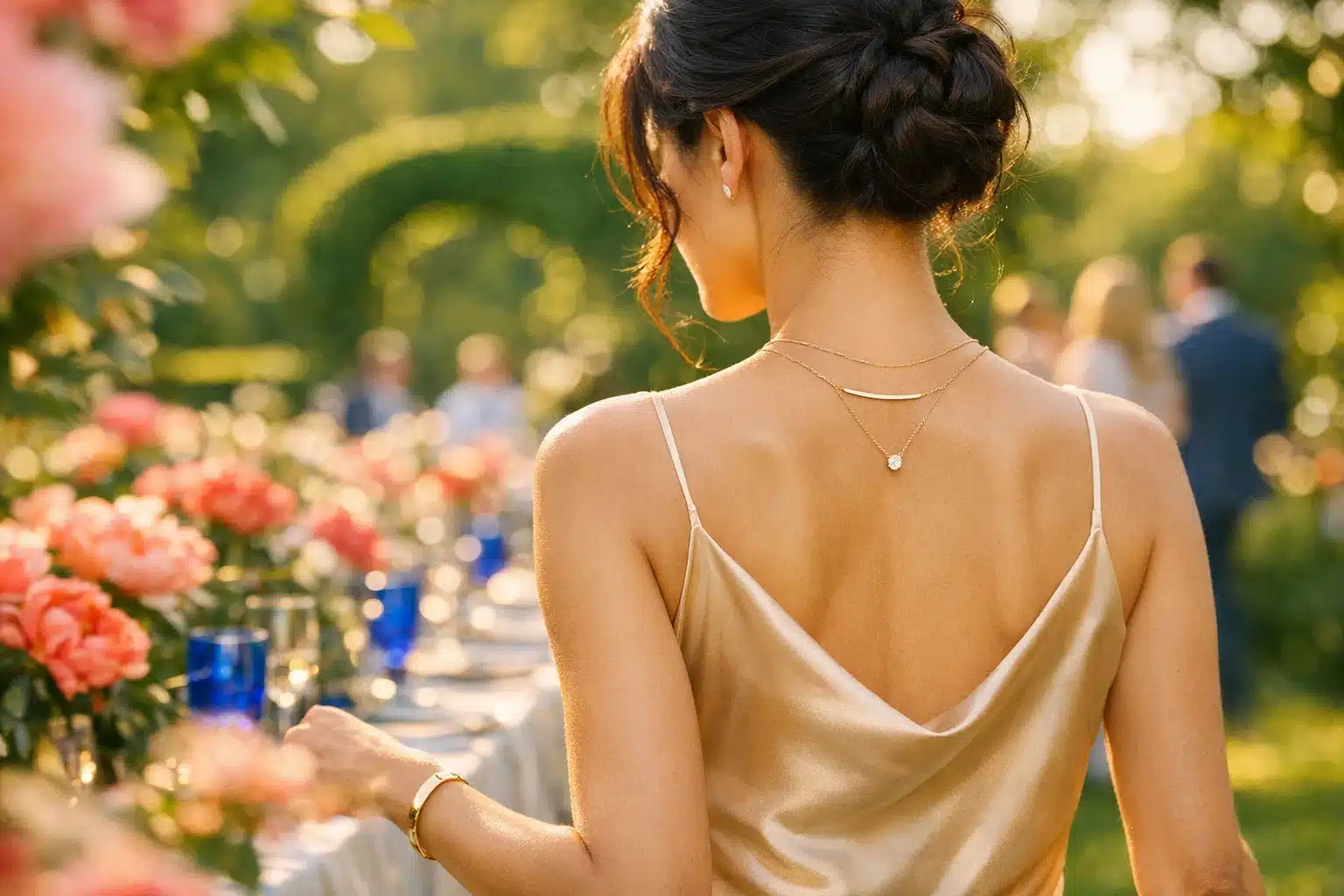
Necklaces are usually the easiest starting point. They are widely wearable, relatively simple to size, and available in many personalized forms. Nameplate necklaces are bold and contemporary, while bar pendants, disc necklaces, and engraved lockets feel more restrained. If you are unsure about ring size or wrist measurement, a necklace lowers the risk of error. It also creates room for many custom details, such as initials, zodiac symbols, fingerprints, dates, handwriting, or geographic coordinates.
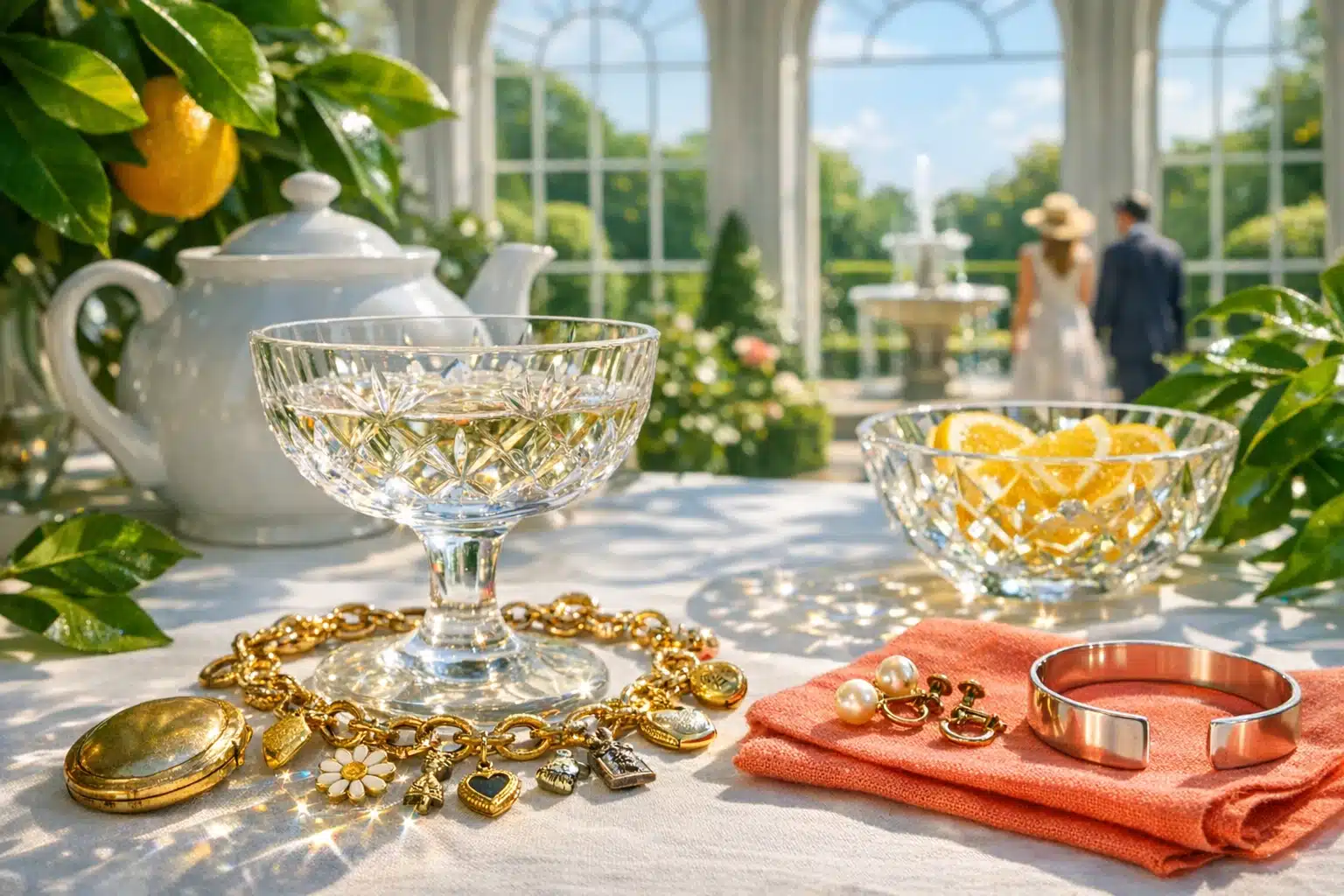
Bracelets offer a softer and often more casual feel. Cuff bracelets can hold short quotes, while chain bracelets work well with charms or tiny engraved tags. They are ideal for milestone gifts because each charm can mark a moment over time. That said, bracelets require closer attention to fit. Too loose and they slide awkwardly; too tight and they become uncomfortable. Adjustable designs are often the safest choice when sizing is uncertain.
Rings feel especially intimate, but they demand precision. A personalized ring might feature engraving on the inside, stacked birthstones, or a sculptural design based on initials. Compared with necklaces, rings carry stronger symbolic weight. They can suggest commitment, memory, heritage, or family connection. Because of that emotional charge, they are powerful gifts, but they also deserve careful thought about context and intent.
Earrings are a more style-specific option. They can be customized with birthstones, meaningful shapes, or bespoke metalwork, yet they usually allow less space for text-based personalization. For buyers who know her taste well, custom earrings can be elegant. For those with limited information, they can be trickier because preferences in size, drop length, and overall drama vary widely.
A useful comparison looks like this:
• Necklaces: easiest to size, versatile, strong gift-safe choice
• Bracelets: expressive and layered, but fit matters
• Rings: highly personal and symbolic, yet sizing is critical
• Earrings: stylish and polished, though more dependent on her fashion habits
• Lockets and charms: sentimental, expandable, and story-driven
Imagine the difference in tone. A sleek gold initial pendant feels like modern everyday luxury. A locket with a tiny photograph feels nostalgic and intimate. A birthstone ring can signal family, legacy, or celebration. The format shapes the message. Instead of asking only “What looks pretty?” a better question is “What form best carries the memory I want this gift to hold?”
3. Materials, Gemstones, and Craftsmanship: What Quality Really Looks Like
A customized design only feels special for the long run if the underlying quality supports daily wear. This is where many shoppers make a common mistake: they focus so heavily on the engraving, name, or stone color that they overlook the metal, finish, clasp, setting, and production method. Personalization adds meaning, but craftsmanship decides whether that meaning survives regular use.
The first comparison most buyers face is metal choice. Sterling silver is popular because it balances affordability and appearance. It offers a bright look and works well for engraved pendants, stackable rings, and charm bracelets. The tradeoff is maintenance. Silver can tarnish over time, especially if exposed to moisture, lotions, or air pollution. Gold-filled and solid gold options cost more, but they tend to wear better and suit buyers who want a piece that may stay in circulation for decades. Gold vermeil can offer a middle ground, though plating thickness and care habits matter. If she has sensitive skin, hypoallergenic metals such as solid gold, platinum, or high-quality surgical steel deserve extra attention.
Gemstones introduce another layer of decision-making. Birthstones are common because they personalize a piece without needing words. However, not all stones have the same hardness or durability. For frequent wear, harder stones generally hold up better against scratches than softer alternatives. That does not mean softer stones are poor choices; it simply means they are better suited to gentler use or protective settings. Lab-created gemstones are also worth considering. They often provide excellent visual appeal and consistency at lower prices, making them practical for buyers who want beauty without stretching the budget.
Craftsmanship shows up in details people often miss at first glance:
• soldered links instead of flimsy jump rings
• secure clasps that close smoothly
• clear and legible engraving with even depth
• stone settings that do not snag fabrics
• polished edges that feel comfortable against the skin
Production method matters too. Hand-finished pieces may show slightly more individuality, while machine-assisted production can produce clean repetition and lower pricing. Neither approach is automatically better. What matters is execution. A well-made custom piece should feel intentional from every angle. Letters should be aligned, spacing should be balanced, and engraved surfaces should not look shallow or rushed.
There is also a value question. Higher price does not always equal higher quality, especially when branding, packaging, or trend appeal inflates cost. A sensible shopper compares metal purity, weight, warranty, customization method, and return policy. For example, a lightweight plated necklace at a premium price may offer less lasting value than a simpler but solidly made sterling silver pendant from a reputable independent jeweler.
If customized jewelry is the poem, craftsmanship is the paper it is written on. One carries meaning, the other determines whether the words stay readable. When both are chosen well, the result is a gift that feels lovely on day one and dependable long after the celebration ends.
4. How to Choose the Right Personalized Piece for Her Style, Budget, and Occasion
Buying customized jewelry becomes much easier when you stop treating it as a generic category and start treating it like a profile match. The right choice depends on three practical filters: her personal style, the occasion, and the budget you can spend comfortably. If one of those filters is ignored, the gift may still be attractive, but it may not feel quite right.
Start with style observation. Does she wear jewelry every day, or only on special occasions? Are her usual pieces delicate and minimal, or bold and layered? Does she prefer warm-toned metals like yellow gold, cooler tones like silver, or mixed metals? Even a week of casual observation can reveal a lot. If her collection is mostly fine chains and tiny studs, a large statement nameplate may feel out of character. If she loves stacking rings and textured pieces, an ultra-simple pendant might feel too quiet.
Occasion also shapes the best design. A romantic anniversary gift can support a more intimate message, such as coordinates of where you met, a shared phrase, or a gemstone linked to a significant month. A graduation gift often works better with initials, a motivational word, or a date marking achievement. A mother’s gift may center on family names or birthstones. Friendship pieces can lean into humor, symbols, or matching motifs without becoming overly formal.
Budget deserves honesty, not guesswork. Personalized jewelry exists across a broad range, from affordable silver engraving pieces to high-end custom gold work with precious stones. Setting a realistic budget early helps you decide where the money should go. In some cases, it is wiser to choose a smaller solid gold pendant than a larger plated piece with flashier decoration. In other cases, a beautifully engraved sterling silver bracelet may be the ideal balance of sentiment and price.
Use this decision framework:
• Under a modest budget: sterling silver, simple engraving, single birthstone, adjustable bracelet or pendant
• Mid-range budget: gold vermeil, multiple initials, better chain quality, more refined stone settings
• Higher budget: solid gold, heirloom-grade construction, custom sketches, premium gemstones, hand-finishing
There are also important buying tips that prevent disappointment. Double-check spelling before placing any custom order. Confirm measurements for chains and wrists. Read the return policy, since many customized items are final sale unless damaged or incorrect. Ask about production and shipping times, especially near holidays. Review photos of engraving fonts and finished examples so the final look matches your expectations.
The strongest purchases feel personal without becoming cluttered. Too many names, dates, symbols, and stones can make a piece look crowded. Restraint often reads as sophistication. A single date in Roman numerals, a slim bar with handwriting, or one birthstone beside a tiny initial can say more than an overloaded design. Great customization is less about adding everything possible and more about choosing the one detail that matters most.
5. Presentation, Care, and Long-Term Enjoyment: Making the Gift Last
A customized piece does not end with checkout. The presentation, aftercare, and emotional framing of the gift can shape how it is remembered. In many cases, these final details are what elevate the experience from “nice jewelry” to “a story she keeps.” Thoughtful presentation does not require extravagance. It requires coherence between the piece, the message, and the moment.
Presentation starts with context. If the personalization references a memory, tell that story when giving it. A short handwritten note can explain why you chose a date, phrase, symbol, or stone. That explanation turns visual details into emotional clarity. For example, a bracelet engraved with coordinates becomes more meaningful when she learns they point to the place of your first trip together. A birthstone necklace becomes richer when paired with a note about family connection rather than simply handed over in a box.
Packaging matters too, though not because it must be luxurious. A clean jewelry box, soft pouch, and care card make the gift feel deliberate. If the piece is delicate, include storage advice so it does not become tangled or scratched. If it is an heirloom-style item, mention that you chose something intended to last. That subtle framing can influence how carefully it is worn and kept.
Care is where long-term enjoyment really begins. Different materials need different routines, and buyers should know them before gifting:
• sterling silver benefits from dry storage and occasional polishing
• gold vermeil should be kept away from harsh chemicals and abrasive cleaning
• gemstone pieces should be protected from impact and rough surfaces
• fine chains should be clasped before storage to reduce tangling
• pieces worn during exercise, swimming, or showering may wear faster
Another practical issue is repair and maintenance. Ask whether the jeweler offers resizing, chain replacement, re-plating, stone tightening, or re-engraving services. This is especially useful for gifts expected to be worn often. A repair-friendly seller can add meaningful value over time. For family jewelry, expandable formats such as charm bracelets or stacking rings can also grow with future milestones, allowing the original gift to evolve instead of being replaced.
There is something quietly powerful about a personalized piece aging well. Tiny scratches may appear, metal may soften in shine, and the clasp may become familiar to her fingers, yet those signs can deepen attachment rather than reduce it. Good jewelry does not merely survive use; it gathers life. That is the lasting appeal of customization. The piece begins as a gift, then becomes part of her routine, then eventually part of her history.
Conclusion: Choosing Customized Jewelry with Confidence
If you are shopping for customized jewelry for her, the smartest approach is to balance emotion with practical judgment. Start by identifying the story you want the gift to express, then match that story to the right jewelry type, the right material, and the right level of personalization. Pay attention to fit, craftsmanship, care needs, and seller policies so the final piece is wearable as well as meaningful. When those elements come together, customized jewelry stops being a simple accessory and becomes a thoughtful object she can return to for years, whether the occasion is joyful, commemorative, or beautifully ordinary.