Devon Luxury Holiday Resorts: An All-Inclusive Guide
Choosing a luxury resort in Devon is less about finding a single standard formula and more about matching the county’s varied landscapes with the kind of break you genuinely want. Clifftop spa hotels, refined manor houses, and upscale holiday villages each bundle meals, leisure, and service in their own way. That variety makes Devon especially appealing to travellers who want comfort, scenery, and simplicity without committing to a long-haul trip.
Outline:
- This article first explains what all-inclusive usually means in Devon and why local package design differs from the classic overseas model.
- It then compares Devon’s main luxury stay regions, from Atlantic beaches to sheltered estuaries and inland country estates.
- The guide also looks at resort styles, showing how spa hotels, estate properties, and activity-led villages suit different guests.
- After that, it breaks down value, pricing, and the small print that often separates a good deal from an expensive misunderstanding.
- Finally, it closes with practical advice for couples, families, and special-occasion travellers who want a polished escape that feels worth the spend.
What “All-Inclusive” Really Means in Devon
The first thing to understand is that Devon rarely follows the classic Caribbean or Mediterranean all-inclusive template of unlimited drinks, buffet access from morning to night, and a long menu of included entertainment. In southwest England, the phrase is more likely to describe a package built around accommodation plus selected extras. That may mean breakfast and dinner, afternoon tea, spa access, use of a pool, supervised children’s activities, or credits toward treatments and on-site experiences. For luxury travellers, this distinction matters because two stays can use similar language while offering very different levels of value.
At the higher end of the market, Devon resorts often prefer curated dining over volume. Instead of several casual restaurants under one wristband system, a hotel may include a multi-course dinner in a fine-dining room, breakfast featuring local produce, and access to a wellness area. That feels more personal, but it also means you should read package details closely. Drinks are commonly excluded, premium dishes may carry supplements, and some facilities operate on timed reservations. A stay can still feel wonderfully seamless, yet it is not always “all you can consume” in the way many travellers picture.
A practical way to think about Devon’s packages is to sort them into four broad models:
- Bed and breakfast with luxury facilities, where the room and service are the real focus.
- Half-board packages, which usually include breakfast and dinner.
- Full-board style breaks, more common in family resorts or activity-led properties.
- Experience bundles, where meals are combined with spa access, classes, or outdoor pursuits.
This layered approach reflects the region itself. Devon is not a purpose-built resort strip. It is a county of fishing towns, moorland estates, cliff-backed beaches, and villages where hospitality grew around place rather than formula. That is part of its charm. A Devon luxury escape can feel richer than a standard package holiday because it connects food, scenery, and downtime to the local setting. Picture breakfast with sea mist lifting over a bay, or an evening meal after a windswept walk on Dartmoor. The best stays do not simply remove planning; they shape the rhythm of the day.
For anyone comparing options, the key lesson is simple: in Devon, “all-inclusive” often means “thoughtfully bundled,” not “everything without limits.” Travellers who approach the market with that expectation usually make better choices and avoid disappointment.
Choosing the Right Part of Devon for a Luxury Resort Escape
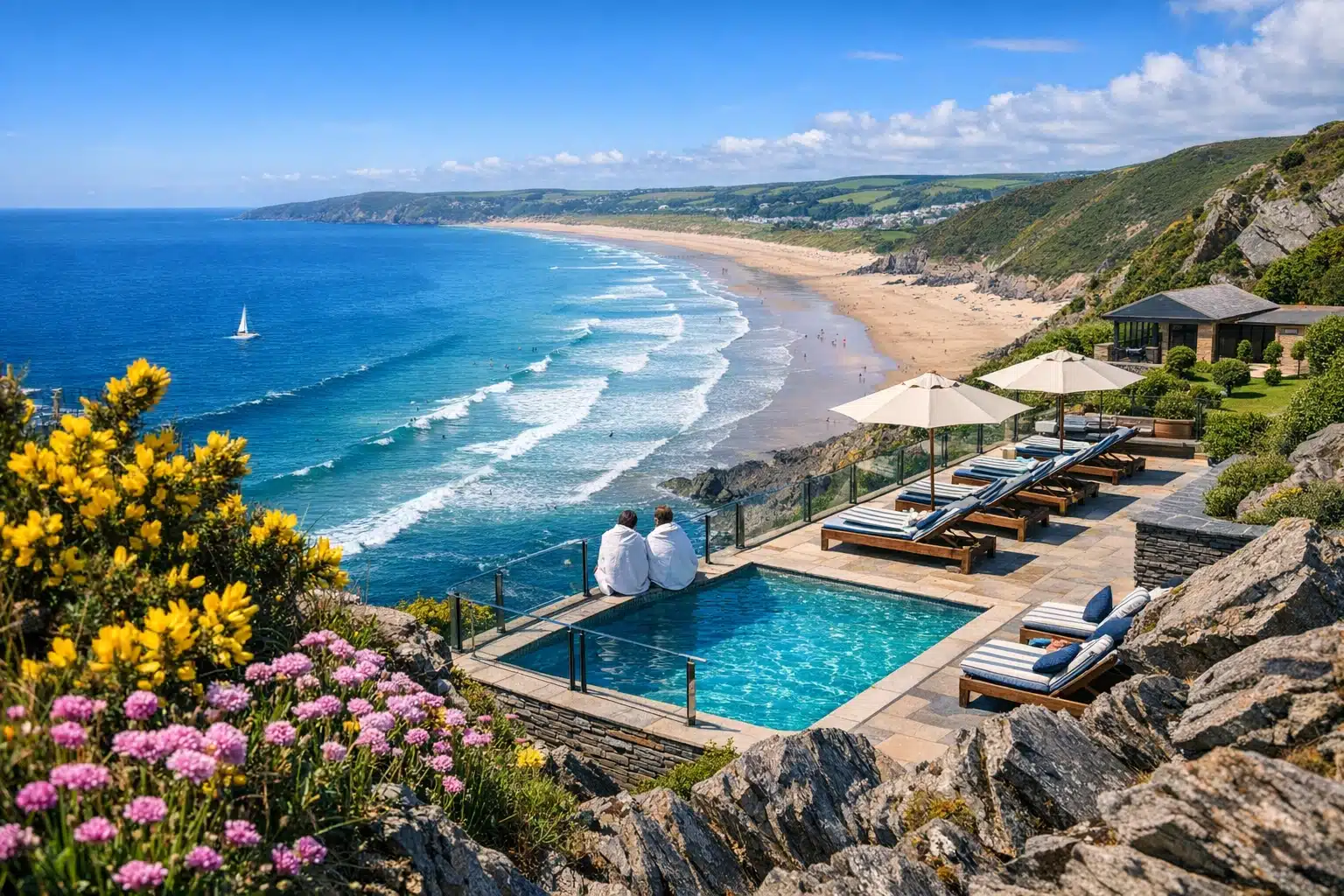
Devon’s strongest advantage is variety. The county gives you two contrasting coastlines and a dramatic inland landscape, so the region you choose will heavily influence the mood of your holiday. If you want big skies, surf energy, and broad beaches, North Devon stands out. Areas around Saunton, Croyde, and Woolacombe are known for sweeping Atlantic views, powerful sea air, and long stretches of sand that feel cinematic when the tide pulls back. Luxury stays here often suit active couples, beach-loving families, and anyone who likes the idea of spa time paired with coastal walks. The trade-off is exposure: weather on the north coast can feel wilder, and road journeys can be slower than the map suggests.
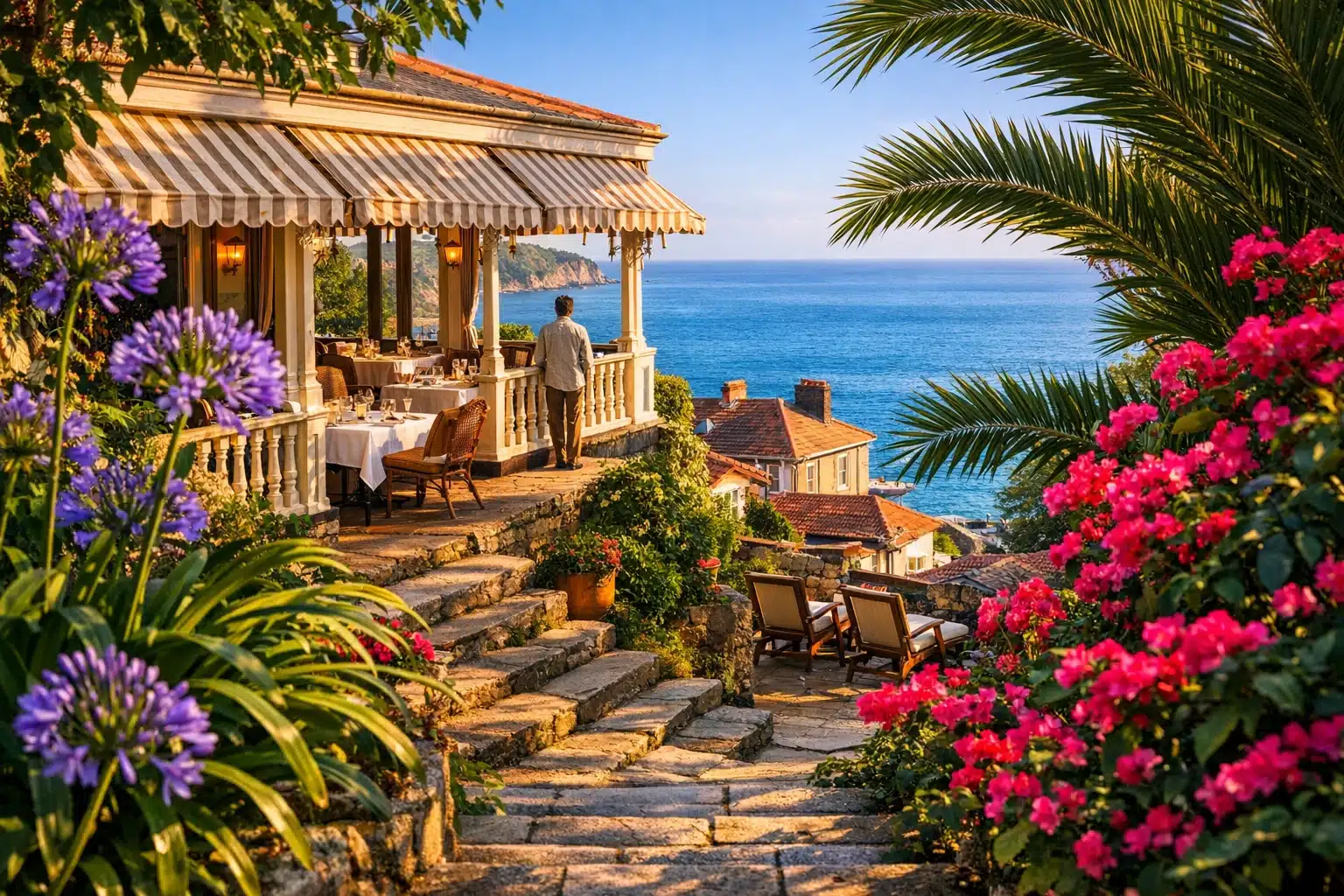
South Devon offers a softer, more polished atmosphere. Salcombe, Dartmouth, and the wider South Hams are associated with sailing, estuary views, and boutique-style indulgence. The sea can appear calmer, the towns feel more dressed for leisurely lunches, and dining often plays a larger role in the overall experience. This is a strong choice for travellers who care about elegant settings, waterside terraces, and a sense of understated affluence. If your idea of luxury includes a chilled glass in hand, boats moving quietly across the water, and a refined room waiting back at the hotel, South Devon is an easy contender.
East Devon adds another dimension. Towns such as Sidmouth attract guests looking for heritage, gentler pacing, and convenient access to the Jurassic Coast, a UNESCO World Heritage Site. Resort-style luxury here tends to lean classic rather than flashy. Expect terrace views, tidy promenades, and an audience that values comfort, walking routes, and less crowded surroundings. East Devon can work particularly well for mature travellers or short breaks where calm matters more than nightlife.
Then there is Dartmoor and inland Devon, which replace salt air with deep quiet and a stronger sense of retreat. Country house hotels and estate properties in this setting appeal to guests who want privacy, spa time, expansive grounds, and activities that continue even when the weather turns. A rainy afternoon feels less like a setback when there is a fireplace, a treatment room, or a well-run lounge waiting nearby.
In practical terms, Exeter acts as a useful gateway by rail and road, while travel times grow longer as you move toward the most remote coasts. That means the “best” region is not only about scenery. It is also about how much journeying you want after arrival, what weather you enjoy, and whether your ideal luxury break is barefoot and beachy or hushed and country-led.
Comparing Devon’s Main Luxury Resort Styles
Once you have chosen a part of the county, the next step is picking the style of stay that matches your travel priorities. Devon’s luxury market is broad enough to confuse first-time bookers, because a grand estate hotel, a coastal spa property, and an upscale holiday village may all promise comfort while delivering very different experiences. Looking at these categories side by side makes the decision far easier.
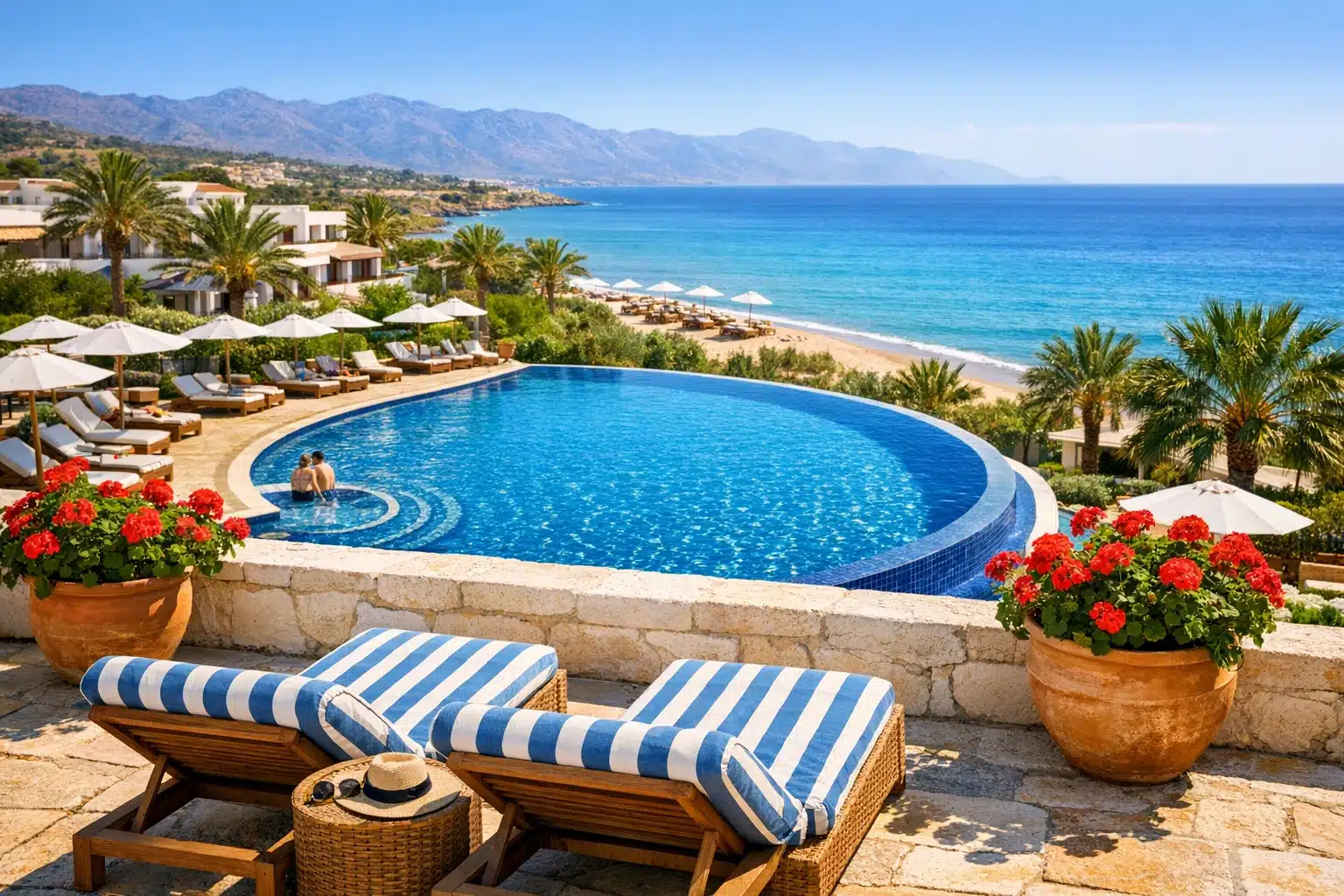
Coastal spa hotels are often the most visually seductive option. They trade on sea views, indoor pools, treatment rooms, and easy beach access. Properties in this category can feel ideal for couples, anniversary trips, and short restorative breaks where the goal is to slow down. The atmosphere is usually polished but relaxed rather than formal. Dining may focus on regional seafood, seasonal tasting menus, or generous breakfasts that justify lingering. Hotels around Salcombe, Babbacombe, or the north coast illustrate this model well, even when they are sold as package stays rather than true all-inclusive resorts.
Country estate resorts bring a different kind of luxury. These properties lean into land, scale, and heritage. A place such as Bovey Castle is often cited because it represents the estate-style end of Devon hospitality: large grounds, a sense of occasion, activity programming, and rooms that feel designed for escape rather than overnight necessity. This model suits travellers who want a self-contained environment with more than one way to spend the day. Golf, falconry, guided walks, children’s programming, and spa facilities frequently appear in some combination, though not always inside the base rate.
Then there are family-focused holiday villages and lodge resorts. These are not always the first places travellers imagine when they hear “luxury,” yet the upper end of the category can offer excellent value for households that need space, flexible dining, indoor entertainment, and weather-proof options. The appeal lies in convenience. Parents can solve accommodation, activities, meals, and downtime in one booking. For multi-generational groups, this format often works better than a traditional hotel because everyone has more room to spread out.
A helpful comparison looks like this:
- Choose a coastal spa hotel if scenery, wellness, and romantic atmosphere matter most.
- Choose an estate resort if you want grounds, activities, and a stronger sense of occasion.
- Choose a luxury holiday village or lodge resort if your group needs flexibility and built-in entertainment.
The key is not chasing the most expensive label. It is finding the property format that supports the holiday you actually want. A sea-view suite can feel wasted on a family that spends all day searching for soft play and child-friendly meal times, just as an activity-packed resort may feel noisy to a couple craving silence. In Devon, the right fit often matters more than the fanciest brochure language.
How to Judge Value, Inclusions, and Hidden Costs
Luxury in Devon can be worth the premium, but only when the package matches your habits. One of the most common booking mistakes is comparing headline prices without checking what each stay includes. A room-only rate at an elegant coastal hotel may appear competitive until you add breakfast, dinner, parking, spa access, and children’s entertainment. By contrast, a package that looks pricey at first glance may turn out to be the smarter option once those extras are bundled in from the start.
Seasonality shapes value more than many first-time visitors expect. Summer school holidays, bank holiday weekends, and warm-weather Saturdays push rates upward across the county, especially in beach areas where supply is naturally limited. Shoulder seasons, particularly late spring and early autumn, often deliver the best balance of scenery, service, and price. The sea may still look inviting, walking conditions are often excellent, and popular restaurants are easier to book. For spa-heavy or countryside breaks, winter can also be surprisingly attractive, because the indoor side of the resort becomes part of the appeal rather than a backup plan.
When reviewing a luxury package, check the following details carefully:
- Which meals are included, and whether any dishes carry supplements.
- Whether drinks are part of the package or billed separately.
- If spa access is included, and whether treatments require extra payment.
- Whether children’s clubs, equipment hire, or classes cost more.
- Parking, EV charging, pet fees, and service charges.
- Cancellation terms, especially for longer lead-time bookings.
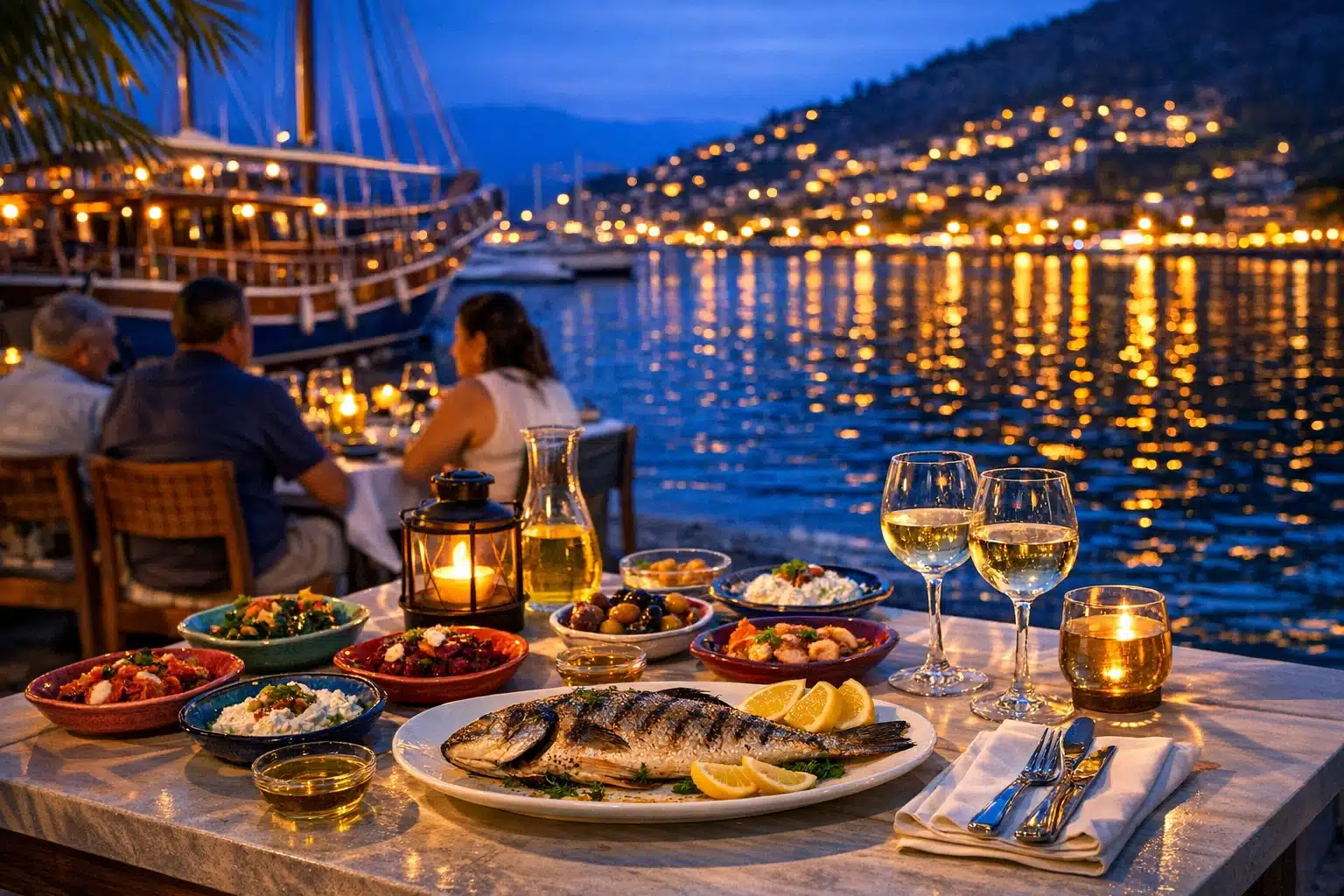
Dining deserves special attention because it often defines the perceived value of a Devon resort stay. The county has a strong food identity built around seafood, dairy, local beef and lamb, orchard produce, and excellent baked goods. A hotel that includes a high-quality breakfast and a genuinely thoughtful dinner can save both money and planning effort, particularly in remote areas where off-site alternatives are limited. On the other hand, if you love trying independent restaurants in Salcombe, Dartmouth, or Exeter, half-board may feel restrictive.
Good value, then, is not always the lowest rate. It is the package that reduces friction while preserving choice. Families often benefit most from bundled meals and activities because the day becomes easier to manage. Couples on a short celebratory break may prefer a package with spa access and breakfast, leaving evenings open for spontaneous dining. Luxury works best when the extras you pay for are the ones you would genuinely use. Devon rewards that kind of careful matching.
Who Devon Luxury Resort Escapes Suit Best: Final Thoughts
Devon is especially well suited to travellers who want a UK break that feels layered rather than rushed. Couples looking for romance will often do best with a coastal spa hotel or a country estate where the stay itself becomes the event. A two- or three-night break can work beautifully here: arrive in time for a late lunch, spend the afternoon in a pool or treatment suite, take a sea-path walk or a garden stroll, and let dinner carry the evening. The county’s visual richness does a lot of quiet work in this kind of trip. Light on the estuary, waves folding into a long beach, mist hanging over moorland fields at dawn; these details create atmosphere without needing elaborate planning.
Families, meanwhile, should focus less on the word “luxury” and more on operational ease. The most satisfying resort stays for parents usually include some mix of spacious rooms or lodges, reliable meal options, indoor activities for bad weather, and easy access to beaches or countryside. Devon is a strong choice because it can accommodate both high-energy and low-key days. One morning might be spent bodyboarding or rock pooling, while the afternoon shifts toward swimming, games, or an early family dinner back on site. That balance is often more valuable than formal grandeur.
Multi-generational groups can find Devon particularly rewarding when they choose resort-style properties with flexible room types and on-site facilities. Grandparents may want comfort and quiet spaces, children may want pools and activity schedules, and parents may want everyone entertained without endless driving. A well-chosen estate or upscale holiday village can handle those competing needs better than a standard hotel.
For wellness-minded travellers, off-peak Devon has a distinctive charm. Autumn and winter breaks turn inward in the best way. Steam rooms feel warmer, lounges feel softer, and the drama outside the window becomes part of the experience. A stormy coastline viewed from a calm interior can be more memorable than a perfect summer postcard.
So who should book a Devon luxury all-inclusive-style escape? Anyone who values comfort, place, and a holiday rhythm that feels intentional. The smartest approach is to ignore generic labels, compare inclusions carefully, and choose a property that reflects your version of ease. Do that, and Devon can deliver something many destinations struggle to offer: a refined break that feels both indulgent and grounded in its surroundings.