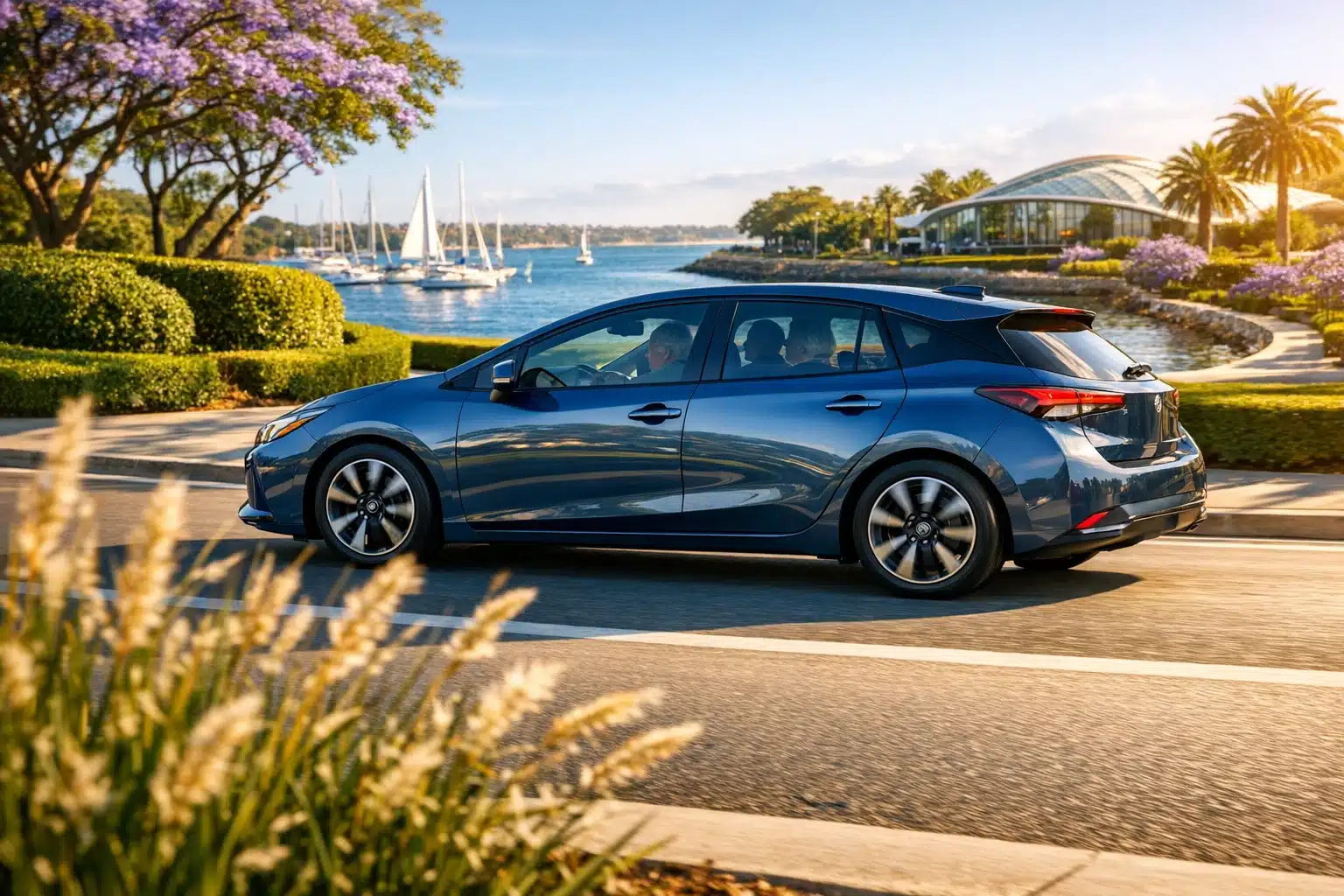
Driving Into the Future: How Electric Cars Can Benefit Seniors
Electric cars are no longer a futuristic curiosity; they are becoming realistic options for older drivers who value comfort, simplicity, and control. For many seniors, a quieter cabin, smooth acceleration, and fewer maintenance appointments can turn routine trips into a less tiring part of the day. As fuel costs shift and vehicle technology becomes more advanced, understanding how EVs fit retirement lifestyles is practical, timely, and increasingly important.
Outline of the article:
- Why electric cars often fit senior lifestyles
- Safety, comfort, and confidence behind the wheel
- The real cost of ownership and long-term savings
- Charging, range, and everyday convenience
- A senior-focused conclusion on choosing the right EV
Why Electric Cars Often Fit Senior Lifestyles
For many seniors, the appeal of an electric car begins with something simple: the drive itself feels easier. There is no engine vibration at stoplights, no gear hunting in traffic, and no rumble under the hood demanding attention. An EV moves away from a curb with smooth, immediate power, and that calm response can make city driving feel less hectic. What once sounded futuristic now feels surprisingly practical, especially for people who want transportation to be dependable rather than dramatic.
Electric cars also match the way many older adults actually use their vehicles. A large share of senior driving consists of local trips such as grocery runs, medical appointments, family visits, community events, and errands around town. Since many modern EVs offer well over 200 miles of range on a full charge, they can often cover several days of moderate driving before needing to recharge. For retirees who are no longer commuting long distances every weekday, that range can be more than enough. In plain terms, an EV may spend more time ready in the driveway than waiting at a gas station.
Another strong advantage is reduced maintenance. Gasoline cars require oil changes, spark plugs, exhaust work, and more complicated engine-related service over time. Electric cars do not need many of those items because they have fewer moving parts in the drivetrain. Owners still need tire rotations, brake service, cabin air filters, and periodic checks, but routine upkeep can be simpler. That matters for seniors who prefer fewer service appointments or who want more predictable vehicle care.
Everyday benefits often include:
- Quiet cabins that reduce fatigue on longer drives
- Smoother acceleration that feels controlled rather than jerky
- Less routine engine maintenance compared with gasoline vehicles
- The convenience of charging at home instead of stopping for fuel
Of course, electric cars are not automatically ideal for every senior. Someone who frequently drives long rural distances, tows heavy loads, or lives in a place with limited charging access may find the transition less convenient. But for many older drivers, the basic strengths of an EV line up well with daily life. A vehicle that is easier to live with, quieter to drive, and simpler to maintain can feel less like a technological leap and more like a sensible next step.
Safety, Comfort, and Confidence Behind the Wheel
Safety is often one of the first questions seniors ask when considering any new vehicle, and rightly so. Electric cars bring some meaningful advantages in this area, though the details vary by model. Because the battery pack is usually placed low in the vehicle floor, many EVs have a lower center of gravity than comparable gasoline cars. That can improve stability in corners and during sudden maneuvers. In everyday driving, the result may be a planted, balanced feel that inspires confidence rather than tension.
Modern EVs also tend to include advanced driver-assistance features, sometimes as standard equipment and sometimes in optional packages. These systems can help older drivers manage common challenges such as reduced neck mobility, difficulty judging blind spots, or stress in crowded parking lots. Features like automatic emergency braking, blind-spot monitoring, rear cross-traffic alerts, parking sensors, and clear backup cameras can make a real difference. A good system does not replace attention, but it can provide a second layer of awareness during moments when traffic gets busy or unexpected.
Comfort matters just as much as safety, especially for drivers who deal with stiff joints, limited flexibility, or back pain. Many electric cars have roomy interiors because they do not need the same transmission tunnel or engine packaging found in traditional vehicles. Flat floors, wide door openings, and supportive seats can make entry and exit easier. One-pedal driving, available in many EVs through stronger regenerative braking, can also reduce how often a driver moves between the accelerator and brake pedal. Some people love that feature once they get used to it because it makes stop-and-go traffic less tiring.
Still, seniors should be selective. Not every EV is easy to use. Some rely heavily on touchscreens, small icons, or layered menus that can distract drivers who prefer physical buttons. A technology-rich cabin is not automatically a user-friendly cabin. During a test drive, seniors should pay close attention to how natural the controls feel.
A helpful test-drive checklist includes:
- Is the seat height comfortable for getting in and out?
- Are the climate controls easy to find without hunting through menus?
- Can the driver clearly read the screen and dashboard in bright daylight?
- Do mirrors, cameras, and alerts genuinely help rather than overwhelm?
In the end, the best EV for a senior is not the one with the flashiest software. It is the one that makes everyday driving feel calmer, safer, and more manageable. Confidence behind the wheel is not a luxury feature; for many older adults, it is the feature that matters most.
The Real Cost of Ownership: Purchase Price, Savings, and Trade-Offs
Cost is often the deciding factor when seniors think about changing vehicles, especially for those living on a fixed income. Electric cars have a mixed reputation here because the sticker price can still be higher than that of many comparable gasoline models. That concern is real. However, the full financial picture is broader than the purchase price alone. Fuel, maintenance, incentives, resale patterns, charging equipment, and insurance all shape the actual cost of ownership.
One of the clearest advantages is energy cost. In many areas, charging an EV at home costs less per mile than buying gasoline, particularly if the owner can charge overnight during off-peak hours. Savings vary by local electricity prices, but many drivers find that electricity offers more predictable monthly costs than fuel. For seniors who like budgeting with fewer surprises, that predictability can be reassuring. Instead of watching gas prices rise and fall, they may simply plug in at home and start each day with a fuller battery.
Maintenance can also tilt the numbers in favor of an EV over time. Electric drivetrains do not need oil changes, and they eliminate several parts that commonly require service in gasoline cars. Various industry analyses and consumer studies have found that EV owners often spend less on maintenance and repairs over the life of the vehicle, though savings depend on the model and driving conditions. Regenerative braking can also reduce wear on brake pads because the motor helps slow the car.
That said, there are trade-offs that should not be ignored:
- Upfront prices may still be higher for some EV models
- Home charger installation can add cost if a driver wants faster charging
- Insurance premiums may be higher depending on the vehicle and region
- Tire wear can increase on some heavier EVs with strong acceleration
Government incentives may help reduce the initial price in some markets, and used EVs have expanded buyer options. Seniors should check local and national programs carefully because rules differ by location, income, and vehicle eligibility. The used market can be especially interesting for retirees who want the advantages of electric driving without paying for a brand-new model.
The wisest approach is to think in terms of total ownership rather than showroom price alone. A more expensive car that is cheaper to run, easier to maintain, and better suited to daily habits may be the stronger value over several years. For seniors, the goal is usually not to chase the newest trend. It is to find transportation that remains affordable, reliable, and low-stress well into the future.
Charging, Range, and Everyday Convenience
Ask most first-time EV shoppers what worries them most, and the answer is usually charging. For seniors, that concern often comes with practical questions: Will I have to plan my whole week around a battery? What happens on longer trips? Is charging complicated? The good news is that for many retirees, charging is less disruptive than expected because daily driving patterns are often modest. If most trips are local, an EV can behave less like a gadget that needs constant attention and more like an appliance that quietly takes care of itself overnight.
Home charging is the biggest convenience advantage. A standard household outlet can add range slowly, while a Level 2 charger installed at home can recharge much faster. For seniors with a garage or driveway, plugging in at night can be easier than making a separate stop for fuel. There is no standing at a pump in cold wind, no late-night detour, and no smell of gasoline on your hands. The routine becomes almost invisible: park, plug in, go inside, and wake up to a replenished battery.
Range anxiety is real, but it often fades once drivers understand their actual mileage needs. In the United States and many other countries, everyday driving for most households is far below the full range of modern EVs. A car with 250 or 300 miles of range may cover several normal days before recharging is necessary. Long-distance travel requires more planning, especially in regions with sparse infrastructure, but route-planning apps and built-in navigation systems have improved significantly.
Still, seniors should think honestly about their living situation and travel habits. Charging is easiest for homeowners with dedicated parking. Apartment residents or those in older condo communities may face more obstacles if charging access is limited. Weather matters too. Cold temperatures can reduce range, and heavy highway driving uses energy faster than slower local travel.
Before buying, it helps to answer a few plain questions:
- Can I reliably charge at home or nearby?
- How far do I usually drive in a normal week?
- Do I take frequent road trips that require fast charging on the way?
- Am I comfortable learning a new routine for charging and trip planning?
Modern EV batteries are generally designed to last many years, and in many markets they are covered by long battery warranties. That does not make them worry-free, but it does mean the technology is more mature than many people assume. For seniors who value convenience, charging can become one of the strongest arguments for switching, provided the home and travel setup makes sense.
A Practical Roadmap for Seniors Considering the Switch
For seniors, choosing an electric car should be less about novelty and more about fit. The right EV can reduce maintenance, simplify local travel, and add modern safety features that support confidence on the road. The wrong one can feel expensive, overly digital, or awkward to charge. That is why the most useful conclusion is not a blanket recommendation. It is a roadmap for deciding whether an electric car matches an individual lifestyle.
Start with the daily routine. If most driving is local, if home charging is available, and if the idea of fewer service appointments sounds appealing, an EV deserves serious consideration. Older drivers often benefit from the very qualities electric cars emphasize: quiet cabins, smooth performance, and technology that can assist without demanding constant mechanical attention. For someone who wants transportation to feel calm and predictable, that combination can be genuinely attractive.
Next, look at usability in the real world. Seniors should sit in several models, not just read specifications. The best car on paper may be the least comfortable when getting in and out. Touchscreens should be tested. Seats should be adjusted. Mirrors and cameras should be evaluated in daylight and at night. A good EV for an older driver should feel intuitive in the first ten minutes, not only impressive in a brochure.
A practical final checklist may help:
- Choose comfort and visibility over flashy design
- Compare total ownership cost, not only purchase price
- Confirm charging access before committing
- Test safety features to see whether they are useful or distracting
- Think about future needs, including mobility changes over time
It is also perfectly reasonable for a senior to decide that now is not the right moment. Some drivers need more charging access in their area. Others may want prices in the used market to fall further. Waiting is not failure; it is good judgment. But for many older adults, the shift to electric driving is no longer a distant experiment. It is a practical option that can support independence, reduce routine hassles, and make everyday travel feel a little lighter.
In that sense, electric cars offer more than a different power source. They offer a different driving rhythm, one built around quiet starts, fewer interruptions, and a bit more ease in the ordinary moments that make up most of life. For seniors thinking ahead, that may be the most meaningful benefit of all.