Effective Ways to Remove Dog Urine Odor from Carpets and Restore Your Home’s Freshness
Why Dog Urine Odor Lingers + Outline of This Guide
Few household nuisances are as stubborn—or as surprising—as dog urine odor that “returns” days or even weeks after you’ve cleaned. The reason is chemistry and carpet structure. Fresh urine starts mildly acidic, but as bacteria metabolize urea into ammonia, the pH climbs and the scent sharpens. Uric acid forms needle-like crystals that embed deep in carpet fibers and, more problematically, in the porous pad beneath. Those crystals are hydrophobic and slow to dissolve, so when humidity rises, trapped odor compounds volatilize and the smell reappears. Regular detergents may lift surface dirt but leave the crystal source untouched, which is why the fragrance you sprayed last week can fade while the odor sneaks back during a rainy afternoon.
Fiber type matters, too. Nylon is resilient but can hold onto acidic residues; polyester repels liquids a bit better but still allows seepage along the backing; wool is protein-based and sensitive to high-pH or oxidizing chemistries. The pad can act like a sponge, and the subfloor—especially unfinished wood—can absorb and retain odor molecules. That is why a solution designed for the surface only sometimes fails; true odor control means treating down to the level that was contaminated. Because warmth and moisture speed diffusion, even a well-meaning “steam” pass can set stains or drive contamination deeper if performed incorrectly.
Before we dive in, here’s the roadmap you can follow (and revisit as needed):
– Section 1: Why odor lingers and what makes carpets uniquely challenging.
– Section 2: Rapid-response tactics for fresh accidents that protect fibers and stop odors early.
– Section 3: Evidence-based methods for old stains and stubborn smells, with careful chemistry choices.
– Section 4: Deep cleaning, extraction, pad/subfloor repairs, and when to bring in a professional.
– Section 5: Conclusion and a long-term prevention plan to keep rooms consistently fresh.
Think of this article as both a playbook and a safety net. You’ll get practical steps that work in real homes, comparisons of common methods, and caution notes so you don’t trade one problem for another. With a little science and a calm approach, your carpet can smell like a living room again—not a locker room.
Fresh Accidents: Rapid Response That Protects Fibers
Speed is your ally with fresh accidents. The goal is to lift liquid before it spreads laterally across the backing or downward into the pad. Start by blotting—not rubbing—with plain, absorbent, colorfast cloths or unprinted paper towels. Apply firm, even pressure from the outer edge of the spot toward the center to prevent wicking. Stand on a stack of towels for 30–60 seconds, switch to dry ones, and repeat until little to no moisture transfers. If you have a wet/dry vacuum or a carpet spot extractor, use it on the lowest-pressure setting to pull liquid without over-wetting.
After blotting, gently flush the area with a small amount of cool water to dilute residues. A practical rhythm is: apply 2–4 tablespoons of water, let it sit 1–2 minutes, then blot or extract thoroughly. Avoid hot water at this stage; heat can accelerate odor release and set protein-based residues, making later treatment harder. If you choose to add a mild detergent, keep it very dilute to minimize residue that could attract soil after drying. Thorough rinsing and extraction are more important than strong soap.
Next, apply an enzyme-based urine treatment designed for carpets. Enzymes such as urease and protease help break down urea and protein components, while certain formulations also target uric acid complexes. Generously wet the spill zone so the product reaches the backing; allow a dwell time recommended by the label—often 10–30 minutes for fresh accidents. To prevent premature drying, you can lightly cover the area with a piece of plastic film during dwell time, then remove and extract. Proper dwell time is a major lever; too short, and crystals remain.
Encourage quick drying: increase airflow with a fan, open windows if humidity is moderate, or run a dehumidifier to keep relative humidity near 40–50%. Final touches that help:
– Sprinkle a light layer of baking soda after the area is only slightly damp to absorb residual odors; vacuum it once fully dry.
– Place a clean, dry towel over the spot and weigh it with a book for 30 minutes to wick up remaining moisture.
– Keep pets away from the area until completely dry to avoid remarking.
Handled promptly with careful dilution, enzyme dwell, and fast drying, a fresh accident can become a non-event—saving you from chasing odors later.
Old Stains and Stubborn Smells: Science-Backed Tactics
Set-in urine is different from fresh. By the time you notice the lingering odor, bacteria have already converted urea to ammonia, and uric acid crystals may be anchored in fibers, backing, and pad. The fix is to rehydrate, solubilize, and then extract. Begin by mapping the affected area. At night, use a 365–395 nm UV flashlight to reveal dull yellow-green fluorescence on many carpets; outline the glow perimeter so treatment fully covers the contamination. This step prevents “cleaning the bullseye while missing the ring,” a common reason smells persist.
Pre-wet the stained zone with cool water to loosen residues, then apply an enzyme cleaner generously—enough to penetrate to the pad without flooding adjacent areas. Cover with plastic film to maintain moisture and allow extended dwell time (1–4 hours for old stains; in severe cases, overnight). Periodically lift a corner to check moisture and gently agitate fibers with a soft brush to distribute the product. Follow with thorough extraction until the recovered liquid appears clear and the odor drops significantly.
For discoloration or persistent scent after enzymatic treatment, a mild oxidizing step can help. Many homeowners use 3% hydrogen peroxide applied sparingly, optionally with a drop of mild, dye-free dish detergent to improve wetting. Always patch-test in a hidden area first, especially on wool, silk, or rugs with unstable dyes. Let it sit 5–10 minutes, then rinse with cool water and extract. Oxidation can neutralize odor compounds that enzymes miss, but overuse may lighten some fibers; moderation and testing are key.
What about vinegar and baking soda? A 1:1 vinegar-water solution can help neutralize ammonia smell and loosen residues, but it does not fully dissolve uric acid crystals in the pad. Baking soda absorbs odors and buffers pH at the surface; it’s a finishing touch, not a standalone cure. A combined, staged approach works better: rehydrate, enzyme with long dwell, extract, and then—if needed—spot oxidize and finish with baking soda once nearly dry.
To improve outcomes, remember these points:
– Avoid ammonia-based cleaners; they can confuse scent cues and encourage remarking.
– Skip high heat on old stains; heat risks setting color and pushing contamination deeper.
– Keep treatment moist during dwell; dry enzymes can’t work.
– Extract more than you think; lingering moisture in the pad is a frequent source of “ghost odors.”
With patience and methodical steps, even long-standing smells can be tamed without damaging carpet or compromising indoor air quality.
Deep Cleaning, Extraction, and When to Call a Professional
Sometimes the pad and even the subfloor are involved, especially if a dog has revisited the same spot. In those cases, surface-only methods won’t fully solve the problem. A carpet extractor allows you to saturate and recover solution repeatedly, drawing contaminants from fiber, backing, and the upper pad. Use multiple light flushes rather than a single heavy soak: apply solution, allow 5–10 minutes of contact, then extract thoroughly. Repeat until the recovered liquid is nearly clear and odor markedly declines. Limit total moisture to avoid wicking and long dry times.
“Steam cleaning” is often shorthand for hot water extraction, but true steam is rarely used on residential carpet. Moderate temperatures can help, but excessive heat risks setting stains on wool and can accelerate dye instability. If you’re working on natural fibers, favor cool-to-lukewarm solutions and rely on chemistry (enzyme first, oxidizer second if needed) rather than heat. After extraction, an optional neutral rinse helps remove surfactant residues that attract soil, keeping the treated zone cleaner over time.
When the pad is saturated or there’s a chronic odor ring, partial restoration may be necessary: gently disengage the carpet from the tack strip, fold it back, and replace the contaminated pad section. Treat the carpet backing and face fibers from the backside with enzyme solution, then allow dwell and rinse. Inspect the subfloor; if stained or odorous, clean it and, once dry, seal with a stain- and odor-blocking primer compatible with flooring. Let the sealer cure fully before reinstalling a new pad piece and re-stretching the carpet.
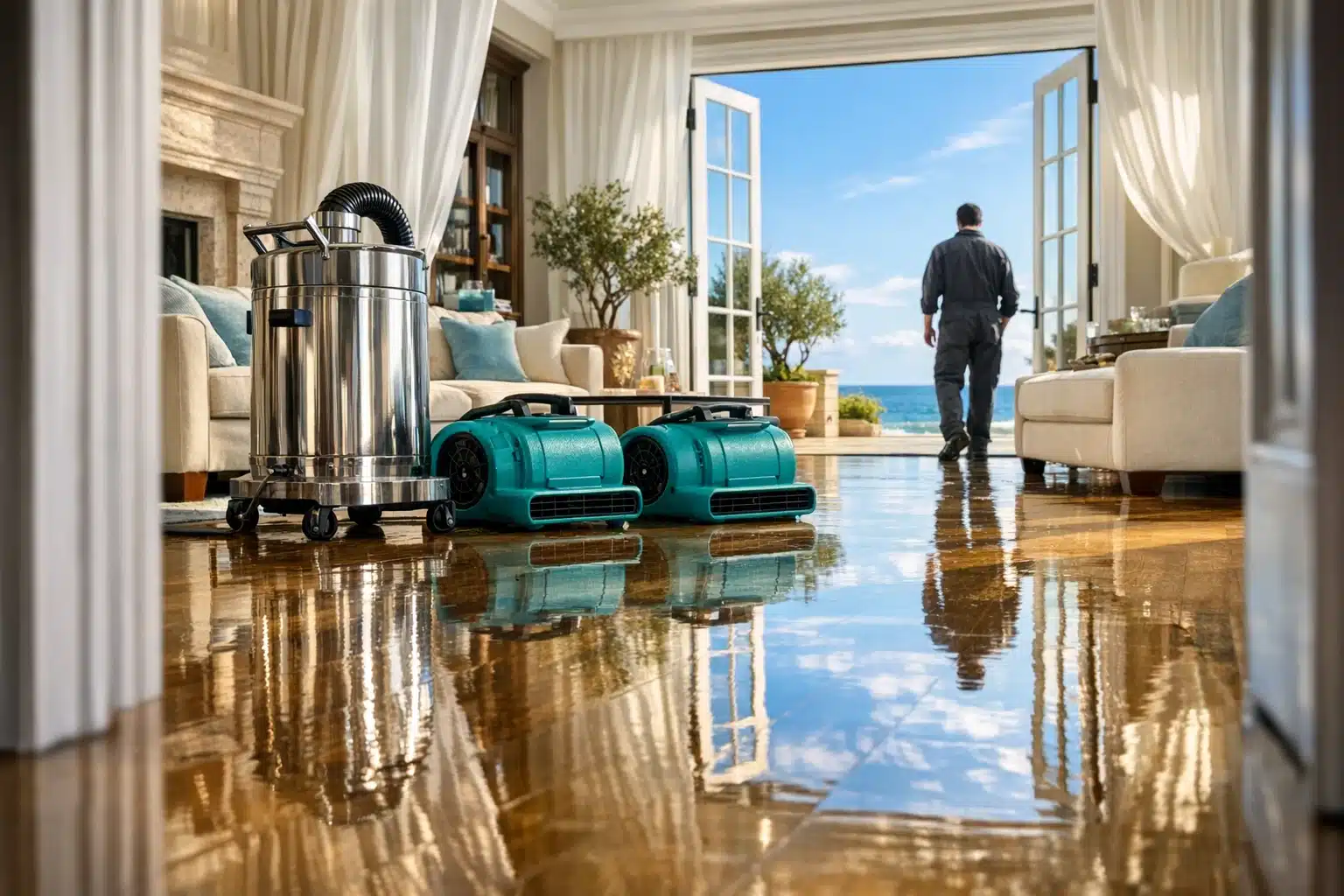
Drying is essential for success. Promote evaporation with cross-ventilation, fans, and a dehumidifier to maintain relative humidity near 40–50%. Aim for 12–24 hours of dry time after deep extraction and 24–48 hours after pad replacement or subfloor sealing. A moisture meter can help you avoid closing up damp layers that would reawaken odors later.
How do you decide between DIY and pro help? Consider these guidelines:
– Area larger than a dinner plate or repeatedly re-soaked spots suggest pad involvement.
– Odor persists after thorough enzyme treatment and extraction.
– Natural fiber rugs, heirloom pieces, or complex installations warrant expert handling.
– Time, equipment access, and comfort level point toward hiring out.
As rough benchmarks, renting an extractor may cost the price of a modest daily fee, while professional odor remediation can range from a simple room treatment to more comprehensive services if pad and subfloor work are needed. Choose the path that restores indoor air quality reliably without risking fiber damage or hidden moisture.
Conclusion and Long-Term Prevention Plan
The most reliable odor solution pairs smart cleanup with habits that keep accidents rare and minor. Start by making a simple “rapid response kit” easy to grab: colorfast towels, a spray bottle of cool water, enzyme cleaner, a plastic scraper, a roll of plastic film, and a small fan or access to a dehumidifier. The faster you blot, dilute, and apply enzymes, the less chance urine has to migrate into the pad. For households with puppies or seniors, build a routine: consistent outdoor breaks, a water schedule recommended by your veterinarian, and close supervision after meals or naps to preempt surprises.
Indoors, maintenance plays a quiet but powerful role. Vacuum traffic lanes two to three times weekly with slow, overlapping passes; dry soil is abrasive and, left in place, can hinder deep cleaning later. Keep humidity around 40–50% to discourage odor reactivation. Refresh air gently: open windows when conditions allow, and consider passive odor absorbers like activated charcoal or zeolite in problem rooms. Rotate washable area rugs in high-risk zones; many are designed to be laundered, which takes the anxiety out of occasional mishaps.
Because dogs are guided by scent, banish remarking cues. After each cleanup, ensure generous enzyme coverage beyond the visible spot and let it dwell under plastic long enough to dismantle the scent map. Avoid ammonia-based agents that can mislead your dog’s nose. If accidents increase suddenly, consult a veterinarian to screen for urinary tract issues or changes in mobility; health-led prevention is often more effective than any cleaner. For multi-pet homes, focus on predictable routines and clear access to outdoor areas to minimize competition and stress-related marking.
To bring it all together, remember this flow:
– Fresh spill: blot, cool-water flush, enzyme dwell, extract, dry fast.
– Old stain: rehydrate, extended enzyme dwell under plastic, extract, selective oxidation, finish dry.
– Deep problem: consider pad replacement and subfloor sealing, then thorough drying.
– Ongoing: manage humidity, vacuum regularly, use odor absorbers, and keep a kit ready.
Carpets give a room warmth and softness; with a measured approach and a few well-chosen tools, you can preserve both while keeping pet companionship front and center. The result is a home that smells like itself again—welcoming, calm, and unmistakably yours.