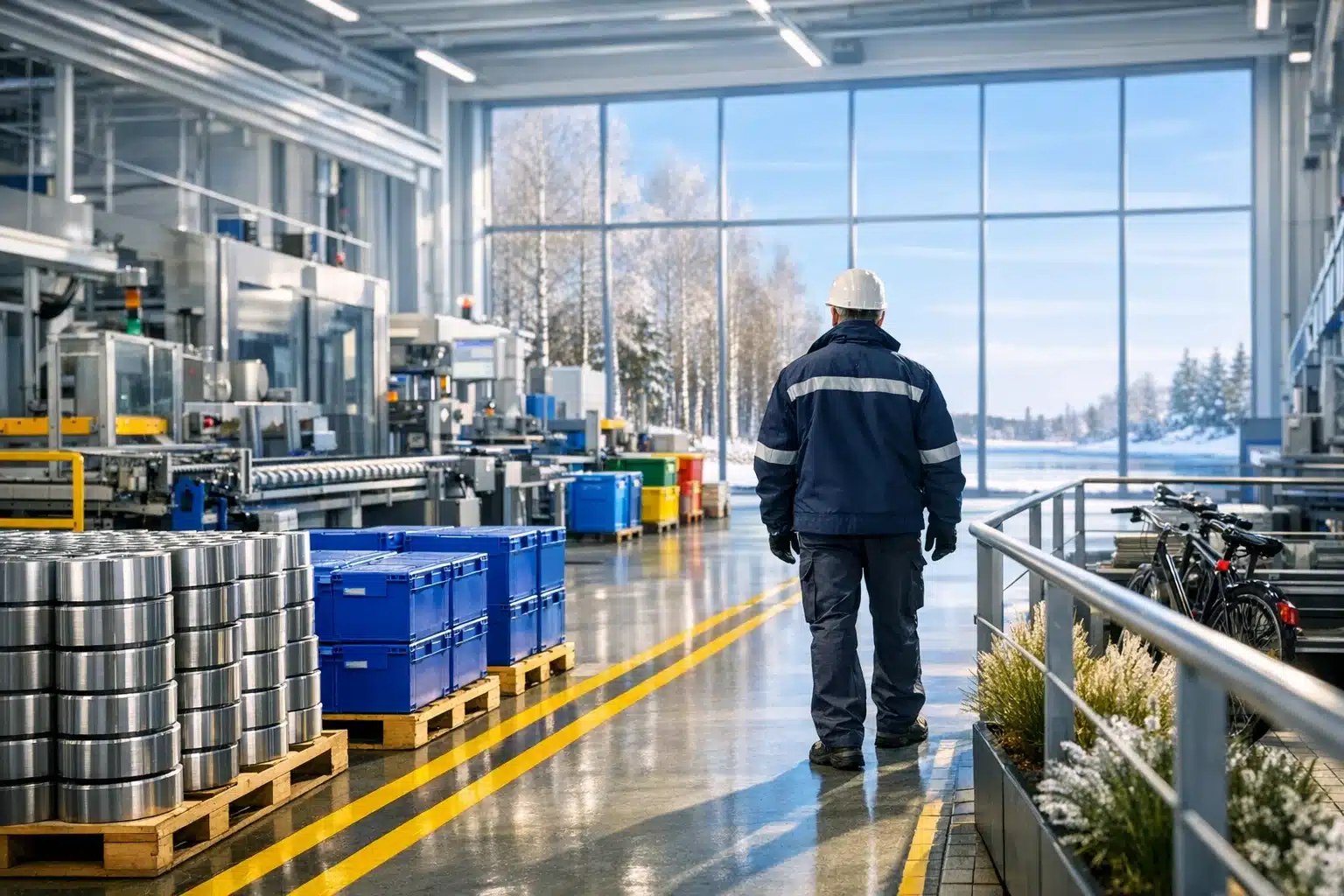
Guide to Working as a Factory Worker in Finland
Factory work in Finland attracts people who want steady employment, modern workplaces, and a chance to build a life in a well-organized country. For newcomers, the topic is relevant because success depends on more than finding an open vacancy; it also involves permits, practical skills, workplace culture, and everyday costs. This guide maps the path clearly, so readers can judge whether the move fits their goals before they send a single application.
Outline:
- The structure of Finland’s factory job market and where openings are usually found
- The qualifications, permits, language ability, and documents workers may need
- Pay, shifts, safety standards, and employee rights on the factory floor
- How to search for jobs, prepare applications, and perform well in interviews
- Housing, budgeting, integration, and long-term career options after arrival
Understanding Finland’s Factory Job Market
Before sending applications, it helps to understand what factory work in Finland actually looks like. The image some people carry is old-fashioned: loud machines, repetitive tasks, and little room to grow. In reality, many Finnish factories combine physical work with process monitoring, digital systems, quality checks, and strict safety routines. A production line may still move with the rhythm of a conveyor belt, but the jobs around it often require attention, discipline, and the ability to follow procedures precisely.
Finland’s industrial base is diverse. Common sectors that hire factory workers include metal production, machinery, electronics, food processing, packaging, wood products, chemicals, and pharmaceutical manufacturing. Some facilities focus on large export orders, while others serve domestic supply chains. This matters because the type of employer influences your daily routine. A large export-oriented plant may run several shifts, rely on detailed production targets, and offer structured training. A smaller subcontractor may expect broader hands-on flexibility, where one worker moves between assembly, packing, and machine support during the same day.
Location also shapes the job market. Industrial opportunities are often found in and around regions such as Uusimaa, Pirkanmaa, Southwest Finland, Satakunta, Kymenlaakso, Ostrobothnia, and Northern Ostrobothnia. Major cities can offer more vacancies and better public transport, but competition may be stronger and housing costs higher. Smaller industrial towns sometimes provide a different trade-off: fewer services, yet more affordable rent and easier commutes. For many workers, choosing a factory job in Finland is not only about the company. It is also about whether the surrounding town fits their budget and lifestyle.
Employers typically hire for several types of roles:
- Production operator
- Assembler
- Machine operator
- Packer or warehouse-linked production worker
- Food production employee
- Quality control assistant
- Forklift or materials handling worker
Another important distinction is between temporary agency work and direct employment. Agency roles can provide a faster path into the labour market, especially for newcomers who need local experience. Direct contracts may offer greater stability, clearer benefits, and a stronger route to advancement. Neither option is automatically better; the right choice depends on your financial cushion, immigration status, and willingness to start with a short-term assignment.
In short, factory work in Finland is broad rather than uniform. Some jobs are physically demanding, some are highly routine, and others blend manual work with digital oversight. The better you understand the landscape, the easier it becomes to target positions that match your strengths instead of applying blindly and hoping for luck.
Who Can Work, What Skills Matter, and Which Documents Are Needed
Once you understand the market, the next question is practical: can you legally and realistically work as a factory worker in Finland? The answer depends on your nationality, experience, and the kind of job you are pursuing. Citizens of EU and EEA countries generally have a simpler route to employment because they do not usually need the same type of work permit as non-EU applicants. People from outside the EU often need a residence permit for employment before starting work. The exact permit category can vary, so it is essential to check the current rules through official sources such as the Finnish Immigration Service, often known as Migri, rather than relying on social media advice.
Legal permission is only one part of the picture. Employers also want to see that a candidate can function safely and reliably in an industrial setting. For entry-level roles, companies may not require advanced academic qualifications, but they often value practical experience in production, warehousing, machine operation, or logistics. If you already have industry-specific training, that can improve your position. A worker with welding certificates, forklift competence, food hygiene knowledge, or experience with automated machinery will often stand out more than someone who only writes “hardworking” on a CV.
Language is another important factor, and this area deserves a realistic comparison. In some factories, especially multinational or export-focused companies, basic to intermediate English may be enough for daily work. In others, especially smaller workplaces or roles involving safety instructions, reporting, or teamwork with mainly Finnish-speaking staff, employers may strongly prefer Finnish. This does not mean you must be fluent before applying, but it does mean you should be honest about your current level. Overstating language skills can lead to trouble on the job, particularly when safety or machine instructions are involved.
Many employers also look for soft skills that are easy to underestimate:
- Punctuality and consistency
- Ability to follow written and verbal instructions
- Comfort with shift work
- Basic physical stamina
- Willingness to use protective equipment properly
- Teamwork without constant supervision
After hiring, you may need to handle several administrative steps. These often include obtaining a Finnish personal identity code if you do not already have one, getting a tax card, opening a bank account, and registering your address. Depending on the job, you may also need occupational health clearance, training certificates, or safety onboarding before your first shift. It can feel like paperwork piled on a loading pallet, but each document serves a purpose in Finland’s highly organized employment system.
The key lesson is simple: factory jobs can be accessible, but they are not casual. Employers want workers who are legally authorized, practically capable, and ready to learn routines quickly. If you prepare your documents early and present your skills clearly, the hiring process becomes far less intimidating.
Pay, Working Hours, Safety, and Worker Rights on the Factory Floor
For most job seekers, this is the section that matters most: what does factory work in Finland actually give you in return for your time and effort? The honest answer is that pay and conditions vary by sector, region, and collective agreement, but Finland is widely known for structured labour standards rather than informal arrangements. In many factory roles, wages are influenced by industry-wide collective agreements that set baseline terms for pay, overtime, shift supplements, holiday accrual, and other conditions. That system does not make every workplace identical, yet it does create a framework that is usually more predictable than in loosely regulated labour markets.
Entry-level factory workers may often see hourly pay in the low-to-mid teens in euros, while more technical tasks, night work, or specialized production roles may pay more. Exact figures depend on the agreement and the company, so applicants should treat online wage anecdotes cautiously. A food production worker, a machine operator in heavy industry, and an electronics assembler may all have different pay structures. Shift supplements can make a noticeable difference, especially in factories that run evenings, nights, or weekends. As a result, the base hourly rate is only part of the financial story.
Working hours also vary, though full-time arrangements commonly sit around 37.5 to 40 hours per week. Some factories use two-shift or three-shift systems. Others operate on rotating schedules that include early mornings, late evenings, or night shifts. Compared with a standard daytime office job, factory work can offer more earning potential through supplements, but it may also demand stronger sleep discipline and a greater ability to adjust your routine. If you dislike irregular hours, a warehouse-linked daytime production role may suit you better than a continuous-process plant.
Safety is taken seriously in Finland, and this is one of the strongest features of the working environment. Employers are expected to provide training, protective equipment, and clear procedures. Workers are expected to follow them. Typical safety measures include:
- Mandatory onboarding before independent work
- Use of gloves, helmets, hearing protection, safety shoes, or protective clothing
- Machine-specific operating instructions
- Reporting systems for hazards and near misses
- Occupational health support linked to the employer
Your employment contract should clearly state your role, pay basis, working time, and key terms. If something is vague, ask before signing. Finland also has legal protections related to annual leave, non-discrimination, and occupational safety. Trade unions play a visible role in many sectors, and some workers choose to join for advice, bargaining support, or unemployment fund access, though membership decisions are personal.
One useful comparison is this: in informal labour markets, a worker may depend heavily on the goodwill of a supervisor; in Finland, systems matter more. That does not mean every workplace is perfect, but it does mean you usually have a clearer structure for wages, complaints, leave, and safety. For anyone considering factory work abroad, that predictability is a major advantage.
How to Find a Factory Job and Build a Strong Application
Finding a factory job in Finland is rarely about sending the same generic application to fifty companies and hoping one reply arrives. A more effective strategy is targeted, practical, and patient. Good vacancies can be found through official employment portals, company career pages, staffing agencies, LinkedIn, and local recruitment platforms. Sources such as Work in Finland and TE Services are especially useful for understanding the labour market and identifying legitimate openings. If you already know the region where you want to live, checking local employers directly can save time.
Recruitment agencies deserve special attention because many factories use them to fill urgent or seasonal needs. For a newcomer, agency work can be a gateway into the Finnish labour market. It may lead to a direct contract after a trial period, especially if the employer is satisfied with attendance, performance, and safety awareness. That said, applicants should compare offers carefully. A short-term assignment may help you gain experience, but it may not give the same stability as a permanent role. Ask clear questions about contract length, expected hours, overtime, and who is responsible for training.
Your CV should be simple, honest, and easy to scan. Finnish employers often appreciate clarity over decoration. List your work history in reverse chronological order, include dates, describe your actual tasks, and highlight anything relevant to industrial work. Good details include machine types you used, safety routines you followed, shift schedules you handled, packaging targets you met, or quality checks you performed. A short cover letter should explain why you fit the role, not repeat the full CV. Think of the application as a clean workbench: only the tools you need should be visible.
Useful items to include are:
- Experience in manufacturing, logistics, warehousing, or maintenance
- Forklift licenses or machinery certifications where relevant
- Language level in English and Finnish
- Availability for shifts, weekends, or fast start dates
- Residence permit status or EU citizenship where applicable
- Evidence of reliability, such as long tenures or strong references
Interviews for factory roles are often straightforward. Employers may ask about physical readiness, previous shift work, safety habits, teamwork, and why you want the job. Some companies add practical tests, especially for machine operation, measurement, assembly, or warehouse-related tasks. Compared with corporate interviews, these conversations are usually less about polished self-promotion and more about whether you can do the work consistently. Be direct. If you do not know something, say you are willing to learn.
Finally, stay alert to scams. Real employers do not normally ask for suspicious advance payments, vague document fees, or private financial data unrelated to hiring. Verify agency names, use official communication channels, and read contracts carefully. A careful job search may feel slower, but it protects you from expensive mistakes and improves the odds of landing a role that genuinely matches your abilities.
Settling In: Housing, Daily Life, Integration, and Career Growth
Getting hired is a milestone, not the finish line. Once the contract is signed, the next challenge begins: building a workable life around the job. Finland can be rewarding for factory workers who value order, safety, and routine, but daily life may still surprise newcomers. Winters are long, daylight can be limited, and social interaction is often more reserved than in many other countries. None of this makes integration impossible. It simply means that adaptation is practical rather than cinematic. Progress often comes through small habits: learning transport routes, understanding workplace etiquette, registering with local services, and picking up useful Finnish phrases one week at a time.
Housing is usually the first major budget issue. In larger cities, rent can take a significant share of income, especially if you live alone near the center. Smaller industrial towns may offer more affordable apartments, though public transport options can be narrower. This creates a common comparison for workers: city life may provide more services and job mobility, while smaller towns may give you lower monthly costs and shorter commutes. If your factory is outside a city, ask early whether a car is helpful or necessary. In some locations, public transport works well. In others, a missed bus can mean a missed shift.
Monthly costs vary, but workers should plan for rent, food, transport, phone service, clothing for cold weather, and possible union or unemployment fund fees. If you are moving from a warmer country, winter gear is not optional spending. Good boots, insulated clothing, and proper layers are part of functioning well, not luxury shopping. A freezing walk to the morning shift can feel much longer than the map suggests.
Integration also affects long-term success. Even when English is enough at work, learning Finnish improves independence and can open more roles over time. It helps with supervisors, public services, training courses, and everyday tasks like reading local notices or speaking with landlords. Useful long-term steps include:
- Joining a language course or online Finnish program
- Learning key workplace vocabulary first
- Understanding payslips, tax cards, and shift schedules
- Building a local reference network through work and community contacts
- Exploring internal training at your company
Career growth is possible in factory environments, especially for reliable workers who improve their language skills and technical competence. A production worker may move into machine operation, quality assurance, team coordination, warehouse systems, maintenance support, or supervisory roles. Some employers offer internal training; others value external vocational courses. The path is rarely dramatic, but it can be steady and durable, which is exactly what many workers want.
For the right person, Finland offers more than a payslip. It offers a system where planning matters, rules are visible, and improvement is possible. If you arrive prepared, stay realistic about costs, and invest in language and routine, factory work can become a stable foundation rather than a short-lived stop.
Conclusion for Aspiring Factory Workers in Finland
If you are considering factory work in Finland, the smartest approach is to treat the move as a full project, not just a job hunt. Look at the industry, confirm your permit route, prepare a truthful application, and understand how pay, shifts, and living costs fit together. Finland can be a strong option for workers who value structure, safety, and steady progression, but it rewards preparation more than guesswork. For job seekers willing to learn the system and adapt to a new environment, factory work can offer a realistic entry point into Finnish working life and a practical base for future growth.