Important Steps to Take After a Car Accident and When Legal Guidance May Help
One moment you are watching traffic flow and planning the rest of your day; the next, a crash leaves you sorting through shock, paperwork, and practical decisions. The steps taken in the first minutes and days can shape medical recovery, insurance results, repair costs, and the strength of any later claim. This guide turns a chaotic event into a workable checklist, helping drivers, passengers, and families understand what matters most and when extra legal support may be worth considering.
Outline:
1. Protect everyone at the scene and get urgent help when needed.
2. Gather records, photos, and witness details before memories blur.
3. Report the accident carefully and understand how insurance decisions are made.
4. Recognize the situations where legal guidance may help level the field.
5. Review the smartest next steps for drivers and families once the immediate crisis has passed.
1. The First Minutes Matter: Safety, Medical Attention, and Calm Decisions
The first job after a car accident is not proving who was right. It is protecting life and preventing the situation from becoming worse. Even a low-speed crash can leave people dazed, and adrenaline has a tricky habit of disguising pain. Someone may insist they are fine, only to notice neck stiffness, dizziness, or back pain hours later. That is why the immediate response should be orderly and safety-focused rather than emotional.
If the vehicles can be moved safely and local law allows it, getting them out of an active lane may reduce the chance of a second collision. Turn on hazard lights, check on passengers, and call emergency services if anyone is hurt, trapped, bleeding, or complaining of serious symptoms. If the road is blocked, there is smoke, fuel leakage, or the crash happened in poor visibility, calling for help quickly becomes even more important. In general, do not move a person with possible head, neck, or spinal injuries unless staying put creates a greater danger, such as fire or oncoming traffic.
A useful rule is to shrink the moment into a short checklist:
• Check for injuries.
• Move to safety if possible.
• Call 911 or the local emergency number when injuries, hazards, or reporting laws require it.
• Stay calm and avoid roadside arguments.
• Wait for police or emergency responders if they are on the way.
Police involvement can be valuable even when the accident looks straightforward. An officer’s report may include the time, location, visible damage, statements from the scene, road conditions, and the identities of those involved. That report is not always the final word on fault, but it often becomes an important reference for insurers and, in some cases, attorneys. States and countries differ on when a crash must be reported, yet many require reporting when injuries, death, or damage above a certain threshold is involved.
The emotional tone of the scene matters too. A car accident can feel like a pressure cooker, with fear turning quickly into blame. It helps to speak in simple, factual sentences and avoid guessing about fault. Saying “I did not see you” or “I am sorry” may sound polite, but after a collision those words can be interpreted in ways you never intended. Think of the roadside as a place for safety and facts, not debate. Calm, measured action in these first minutes often prevents bigger complications later.
2. Building the Record: Photos, Witnesses, Notes, and the Details People Forget
Once everyone is safe and urgent medical needs are addressed, documentation becomes the quiet hero of the entire process. Memories fade faster than most people expect. A lane position that seems obvious at the scene can become fuzzy by evening. A weather detail that felt minor can later explain why braking distances changed. Good records do not merely support a claim; they help rebuild an event with fewer gaps and fewer arguments.
Start by exchanging the core information required after a crash. In most places, that includes:
• Full name and contact details
• Driver’s license number
• License plate number
• Insurance company and policy information
• Vehicle make, model, and color
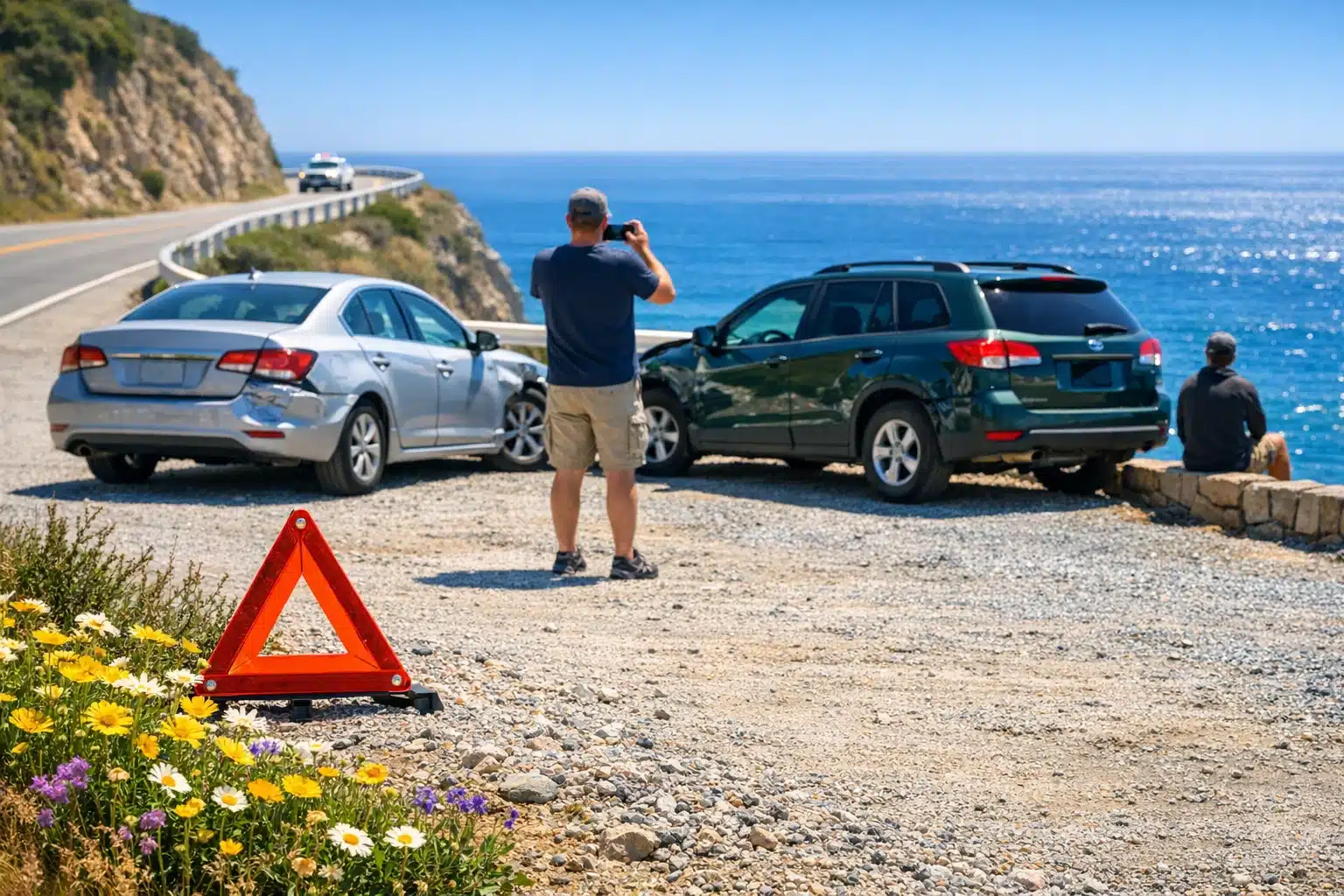
If police respond, ask how to obtain the report number and later request a copy. Then document the scene with your phone if it is safe to do so. Take wide shots that show vehicle positions, lanes, traffic signs, signals, debris, and skid marks. Add close-up photos of visible damage, broken glass, deployed airbags, tire marks, and injuries if appropriate. Include the surrounding environment: weather, potholes, construction zones, obstructed views, and lighting conditions. If there are witnesses, politely ask for names and phone numbers. Neutral witnesses can be especially helpful when drivers tell different stories.
Your own notes matter more than many people realize. Write down the time, direction of travel, estimated speed, what you saw immediately before impact, and anything the other driver said. A voice memo recorded soon afterward can be useful if your hands are full or you are shaken. If a commercial truck, delivery van, rideshare vehicle, or company car is involved, note any logos, unit numbers, and employer information visible on the vehicle. Those details can matter later because commercial claims may involve different insurance layers and additional records.
There is a sharp difference between a claim supported by evidence and a claim held together by memory alone. The first feels like a timeline. The second often turns into a tug-of-war. For that reason, preserve repair estimates, towing receipts, rental car bills, medical discharge papers, prescriptions, and time missed from work. Also be careful online. A casual social media post or joking comment about the accident can be pulled out of context. If the scene is a puzzle scattered across the pavement, documentation is how you keep the pieces from blowing away.
3. Insurance After the Crash: Reporting the Claim, Understanding Coverage, and Avoiding Costly Missteps
After the scene is cleared, the accident usually moves from the roadway into the world of insurance. This stage can feel less dramatic than the collision itself, but it often determines how repair bills, medical expenses, and lost income are handled. Prompt reporting is important because most auto policies require notice within a reasonable time. Waiting too long can create suspicion, delay payment, or complicate coverage decisions. Contact your insurer, provide basic facts, and keep a record of the claim number, adjuster name, and dates of communication.
Insurance claims are often simpler in theory than in practice. A straightforward property-damage case might involve an estimate, a rental car discussion, and payment for repairs or total loss value. Injury claims usually go further. Insurers may examine liability, medical records, treatment timelines, prior injuries, coverage limits, and whether the claimed harm matches the nature of the crash. In no-fault states or countries with similar systems, some initial benefits may come from your own coverage regardless of who caused the accident. In fault-based systems, the at-fault driver’s insurer may be the primary target for recovery.
Depending on the policy and the law where the crash occurred, compensation may involve:
• Vehicle repair or replacement
• Towing and storage
• Rental transportation
• Medical bills
• Lost wages or lost earning capacity
• Out-of-pocket costs related to treatment
• In some cases, compensation for pain, suffering, or long-term impairment
This is also the point where many people meet unfamiliar terms such as deductible, actual cash value, subrogation, uninsured motorist coverage, underinsured motorist coverage, MedPay, or personal injury protection. Each can affect who pays first and how much is available. For example, if the other driver has little or no insurance, your own policy may become far more important than you expected. If the car is financed, the lender’s interest may shape how total-loss payments are handled. If medical bills are paid by health insurance, reimbursement claims may arise later.
Be accurate and cooperative, but do not feel pressured to guess. If you do not know an answer, say so. Review settlement documents carefully, especially if an insurer offers a fast payment in exchange for a release. Quick money can be helpful in a tight month, yet signing away future claims before the medical picture is clear can be risky. A minor ache today may become weeks of treatment tomorrow. The difference between a manageable claim and a frustrating one often comes down to organization, patience, and an understanding of how coverage really works behind the scenes.
4. When Legal Guidance May Help: Recognizing Complexity Before It Becomes Expensive
Not every accident requires a lawyer. That point is worth stating clearly. If the crash was minor, fault is obvious, no one was injured, and the insurer is paying fair property damage without delay, many people can manage the process themselves. Still, there are moments when a claim stops behaving like a routine administrative matter and starts acting more like a layered dispute. That is where legal guidance may help, not because it guarantees success, but because it may clarify rights, preserve deadlines, and improve the quality of the response.
Legal help is often worth considering when injuries are significant or long-lasting. A broken bone, surgery, head injury, spinal injury, permanent limitation, or extended inability to work changes the stakes immediately. So does a fatal accident. In those situations, damages can be broader, medical evidence more important, and future losses harder to estimate. Another red flag appears when liability is disputed. If each driver blames the other, witnesses disagree, or a multi-vehicle collision creates a chain reaction, the case may involve comparative fault rules that reduce recovery depending on each party’s share of responsibility.
Some accidents are legally complicated because of who or what was involved. Examples include:
• Commercial trucks, delivery vehicles, and employer-owned cars
• Rideshare vehicles active on an app
• Government vehicles or road maintenance issues
• Uninsured or underinsured drivers
• Pedestrians, cyclists, or child passengers
• Hit-and-run crashes
• Accidents involving defective parts or vehicle recalls
Another reason to seek guidance is when the insurer denies the claim, delays communication, asks for extensive recorded statements, or makes a settlement offer that does not seem to match the harm suffered. A claim may also become difficult when medical providers, health insurers, or workers’ compensation carriers assert reimbursement rights. Deadlines matter too. Statutes of limitation, notice requirements for claims against public entities, and preservation of evidence rules can all affect what options remain available later. Missing a deadline can close a door completely.
If you decide to consult an attorney, treat that conversation like an interview, not a leap of faith. Ask who will handle the file day to day, how fees are structured, what experience the office has with similar cases, and how often updates will be provided. Good guidance should make the process clearer, not murkier. In a simple claim, you may only need a short consultation. In a high-stakes case, full representation may make more sense. When a collision grows from a repair issue into a chessboard of medical records, policy language, and disputed facts, informed legal help can bring structure back to the table.
5. Final Takeaways for Drivers and Families: A Practical Roadmap After the Dust Settles
For most people, a car accident is not a legal theory or an insurance file. It is a stressful interruption to ordinary life. The car may be in the shop, your schedule may be upside down, your body may feel different, and every phone call can seem to come with a new form or question. That is exactly why a steady plan matters. The goal is not to become an expert overnight. It is to make enough sound decisions that the situation remains manageable.
The smartest response usually follows a simple sequence. First, protect safety and seek medical care when needed. Second, document the scene and preserve every useful record. Third, report the claim promptly and keep communication organized. Fourth, track the real impact of the accident over time, including appointments, bills, missed work, and symptoms that appear later. Finally, step back and assess whether the claim still looks routine or whether it has grown teeth. That moment of honest assessment can save a person from months of avoidable frustration.
A practical post-accident file can include:
• The police report number
• Contact and insurance details for all parties
• Photos and witness information
• Repair estimates and towing bills
• Medical records and receipts
• Notes about pain, limitations, and missed work
• A log of calls, emails, and claim decisions
Drivers and families can also prepare before an accident ever happens. Keep proof of insurance accessible, store emergency contacts in your phone, carry a small notepad if you prefer writing things down, and review what your policy actually covers. Many people discover the meaning of collision coverage, rental reimbursement, or uninsured motorist protection only after a crash, which is a little like learning where the lifeboats are after the ship has listed. A short review today can make tomorrow far less chaotic.
The central lesson is reassuring rather than dramatic: careful action beats panic. You do not need perfect words at the roadside or instant answers from memory. You need safety, facts, records, and a willingness to ask for help when the situation becomes more complex than a normal claim. For drivers, passengers, and families facing the aftermath of a collision, that approach offers something valuable in a tense moment: a clear next step, and then another one after that.