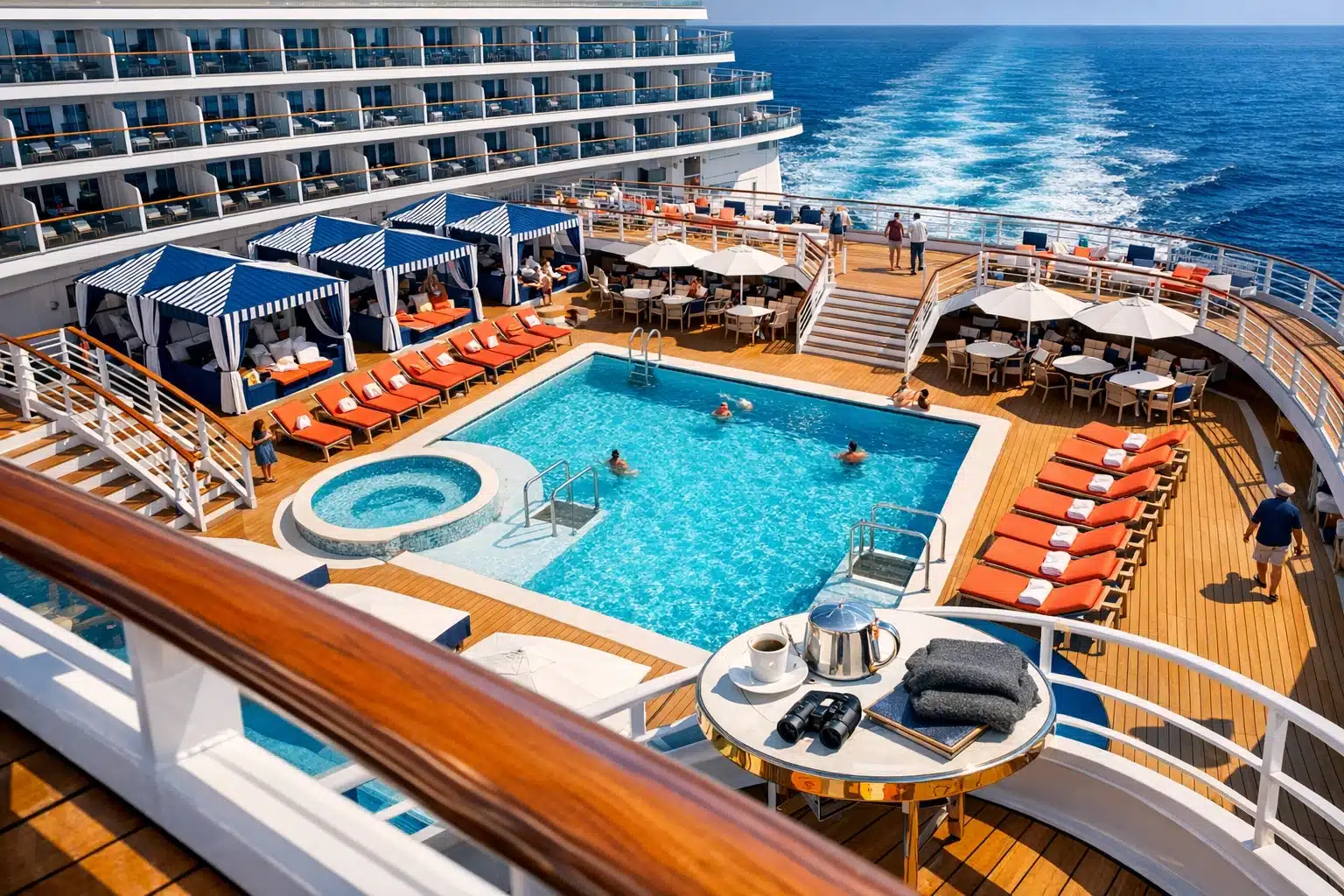
MSC Cruises Deals 2026: Complete Viewing Guide
Introduction and Article Outline: Why a Viewing Guide Matters
Planning a 2026 cruise can feel like standing on a pier before sunrise: the route is visible, but the details sharpen only when the light arrives. That is exactly why a viewing guide matters. Cruise fares shift with seasonality, cabin supply, and package design, so the headline deal rarely tells the whole story. Travelers who learn how to read the offer, not just admire it, usually make calmer and more cost-effective choices.
This article begins with a practical outline, then expands each topic into a detailed decision guide. The structure is simple:
• how MSC Cruises deals are typically presented
• when prices and promotions are often most attractive
• how to compare value beyond the base fare
• how ship choice, cabin type, and itinerary affect the real experience
• how to track offers and book with confidence before 2026 sailings fill up
MSC Cruises has built a large international presence with itineraries across the Mediterranean, Caribbean, Northern Europe, the Middle East, and other regions depending on season and deployment. That broad reach is useful for travelers, but it also creates a more complicated shopping process. A deal for a seven-night Mediterranean sailing may look excellent on paper yet become less compelling once flights, port transfers, gratuities, or beverage costs are added. By contrast, a fare that appears slightly higher at first glance may include enough extras to deliver better overall value.
The key idea of this guide is that “viewing” a cruise deal is not the same as scanning a price banner. It means understanding what the fare includes, what kind of traveler the offer suits, and what trade-offs hide behind the promotional language. A family looking for school-holiday travel will judge value differently from a couple seeking a shoulder-season itinerary, and a first-time cruiser will weigh convenience differently from a veteran chasing a specific cabin category.
Think of this as the binocular view rather than the postcard view. The postcard is pretty, polished, and very selective. The binocular view lets you inspect timing, cost structure, ship features, route quality, and booking rules before you commit. For anyone researching MSC Cruises deals for 2026, that broader perspective is often what separates an impulsive booking from a smart one.
When to Look for MSC Cruises Deals in 2026
Timing is one of the most important parts of cruise pricing, and it often matters as much as the ship itself. MSC Cruises, like most major cruise lines, tends to use a mix of early-booking incentives, seasonal promotions, limited-time sales, and occasional last-minute pricing adjustments. That does not mean there is one perfect month to book every voyage. Instead, there are several windows that suit different traveler types, and each comes with its own advantages and compromises.
For planners, the early-booking phase is often the clearest place to start. Booking well ahead of departure can provide broader cabin availability, more choice in dining times, and stronger odds of securing family cabins, connecting rooms, or preferred deck locations. Travelers looking at school breaks, summer Mediterranean departures, or holiday sailings usually benefit from beginning early because high-demand dates often lose their best-value categories first. The cheapest price is not always available first, but the best selection usually is.
Useful timing windows often include:
• 9 to 15 months before sailing for strong cabin choice
• January through March, often called wave season, when cruise lines promote booking activity
• shoulder periods such as spring and autumn for better pricing than peak summer
• 30 to 90 days before departure for flexible travelers who can accept limited options
Wave season deserves special attention because it often brings packaged offers rather than simple fare cuts. Instead of reducing the base price dramatically, promotions may add onboard credit, drinks, Wi-Fi, kids-sail offers, or discounted deposits. For some travelers, those extras are more useful than a small reduction in the advertised fare. For others, especially those who do not drink alcohol or plan to stay offline, the added items may not be worth much at all. The lesson is simple: the best sales are not universal; they are personal.
Last-minute deals can still appear, but they are not a strategy for everyone. If you live near a departure port, travel with flexible dates, and do not mind choosing from leftover cabins, waiting can work. If you need flights, a visa, school-holiday dates, or a particular room type, late booking is often risky. Airfare alone can erase any onboard savings. There is also the issue of itinerary choice; the sailing you want may never receive a meaningful discount if demand stays steady.
For 2026, the safest approach is to match your booking window to your travel style. Plan early if your dates are fixed, compare heavily during promotional periods, and only chase late deals if you can genuinely stay flexible. A good calendar is often a better shopping tool than a flashy banner.
How to Compare an MSC Cruises Deal Beyond the Advertised Fare
The advertised cruise fare is the beginning of the calculation, not the end. This is where many travelers lose clarity. A deal may look sharp because the base number is low, yet the final cost can rise quickly after taxes, gratuities, beverage plans, specialty dining, Wi-Fi, excursions, and travel to the port are added. To compare MSC Cruises deals effectively for 2026, it helps to build a simple habit: always examine the complete trip cost before deciding whether an offer is strong.
One of the most useful ways to compare value is to create a short checklist for each fare you view. Ask:
• What is included in the quoted price?
• Are taxes and port charges already shown?
• Is gratuity prepaid or billed later?
• Does the promotion add drinks, Wi-Fi, or onboard credit?
• Is the fare refundable or more restrictive?
• What will transportation to the embarkation port cost?
A hypothetical example makes this clearer. Imagine Fare A is priced at 999 dollars per person for a seven-night sailing. Fare B is 1,149 dollars per person for the same voyage. At first, Fare A looks like the obvious winner. But if Fare A requires separate purchase of drinks and internet, while Fare B includes both and offers onboard credit, the second option may be better for travelers who would buy those extras anyway. On the other hand, a light-packing traveler who mainly drinks water and spends little time online could still come out ahead with Fare A. Value is not a universal truth; it is a traveler-specific equation.
Cabin category also distorts comparisons. Inside cabins often lead the pricing table and can be excellent for budget-focused travelers who mostly sleep in the room. Balcony cabins feel more attractive in screenshots and marketing images, but the extra cost only pays off if you will actually use the outdoor space. Ocean-view cabins sometimes sit in a useful middle ground, especially on scenic routes where natural light matters but the balcony premium feels too steep.
Another issue is occupancy. Some fares are designed around double occupancy, and solo travelers may face a supplement that changes the math dramatically. Families need to check whether the quoted rate already reflects child pricing, third and fourth guest discounts, or cabin arrangements that reduce space. A deal is only fair when it matches the actual people taking the trip.
Always compare the total journey, not the teaser number. A smart cruise shopper reads the details with the same attention a traveler gives a passport date. Small print may not be glamorous, but it often protects your budget better than the boldest sale headline.
Choosing the Right Ship, Cabin, and Itinerary for Real Value
A strong deal is not only about price. It is also about whether the ship, route, and cabin fit the kind of holiday you actually want. MSC Cruises operates ships of different sizes, designs, and amenity levels, which means two offers with similar pricing can feel completely different once you step onboard. This is where many travelers improve their booking decisions: they stop asking, “What is the cheapest sailing?” and start asking, “Which sailing gives me the right experience for the money?”
Ship choice matters because onboard life shapes the cruise as much as the ports do. Larger and newer ships often offer more entertainment venues, family facilities, water attractions, and dining variety. They can be excellent for multi-generational groups or travelers who want a lively resort atmosphere at sea. Smaller or less flashy ships may appeal to travelers who prefer a calmer environment, simpler navigation, or itineraries that feel more destination-focused. There is no universal winner here. A family with children may see high value in broad activity options, while a couple celebrating an anniversary may prioritize atmosphere and quiet corners.
Itinerary design is just as important. Mediterranean sailings often attract travelers interested in culture-heavy port days, Northern Europe appeals to those seeking scenery and longer daylight in season, and Caribbean routes usually suit beach-focused holidays with warm-weather ease. Even when fares look similar, the surrounding costs may differ sharply. A departure from a nearby port can save a significant amount on flights and pre-cruise hotel nights. That saving may make a slightly higher cruise fare the smarter option overall.
Cabin selection deserves more thought than many first-time cruisers expect. Here is a practical way to frame it:
• Inside cabin: best for budget control and travelers who spend little time in the room
• Ocean-view cabin: useful if you want daylight without paying for a balcony
• Balcony cabin: often worthwhile for sea days, scenic itineraries, or travelers who value private outdoor space
• Premium suites or exclusive areas: better for travelers prioritizing privacy, upgraded service, and additional amenities
Families should look carefully at room layout, pullman beds, sofa beds, and storage, not just the label of the cabin category. Couples may care more about location and noise. Light sleepers should avoid cabins directly below busy deck areas, near elevators, or close to late-night venues where possible. A low fare loses some of its charm if the room does not suit your habits.
Real value comes from alignment. When ship style, route, and room type match your travel personality, the deal feels better long after the booking confirmation arrives. That is the difference between buying a cruise and choosing one well.
Conclusion: A Smarter Way to Track and Book MSC Cruises Deals for 2026
If you are seriously considering MSC Cruises deals for 2026, the most useful habit is to build a comparison system before you fall in love with any single promotion. Start with a shortlist of sailings that genuinely fit your dates, region, and budget range. Then track them over time rather than refreshing random sale pages in hope of magic. This approach gives you context, and context is what turns browsing into decision-making.
A practical tracking routine can include several steps:
• set fare alerts where available
• check promotions during major sale periods rather than only on one day
• compare the cruise line’s public pricing with offers from reputable travel agencies
• note whether perks are included or added later
• read deposit, cancellation, and change rules before paying
• calculate airfare and hotel costs alongside the cruise fare
It is also wise to keep your priorities ranked. For example, if your top goal is a balcony cabin on a Mediterranean itinerary in summer, you may need to accept that flexibility on price will be smaller. If your main goal is simply to cruise with MSC in 2026 at the lowest realistic cost, then off-peak months, inside cabins, and less in-demand sailing dates can open more possibilities. Travelers who know their non-negotiables make faster and better decisions because they are not distracted by offers that were never right for them in the first place.
Another good strategy is to document what you see. A small spreadsheet or notes app can track date, ship, itinerary, cabin category, fare type, included extras, and final estimated total. Over time, patterns become obvious. You may notice that one sailing repeatedly appears in promotions, or that a supposedly generous deal is only average once mandatory costs are included. The numbers often speak more honestly than the sales graphics.
For first-time cruisers, the biggest takeaway is this: do not judge a deal only by its starting price. For returning travelers, the reminder is slightly different: do not assume your old booking habits will always produce the best result in a new market year. Cruise pricing is dynamic, and 2026 offers will likely reward preparation, not guesswork.
The ideal reader for this guide is someone who wants confidence before commitment. Whether you are planning a family holiday, a couples’ escape, or a first cruise to test the waters, the smartest MSC Cruises deal is the one that fits your timing, your travel style, and your full budget from day one. When you view offers with that wider lens, the path to booking becomes far clearer.