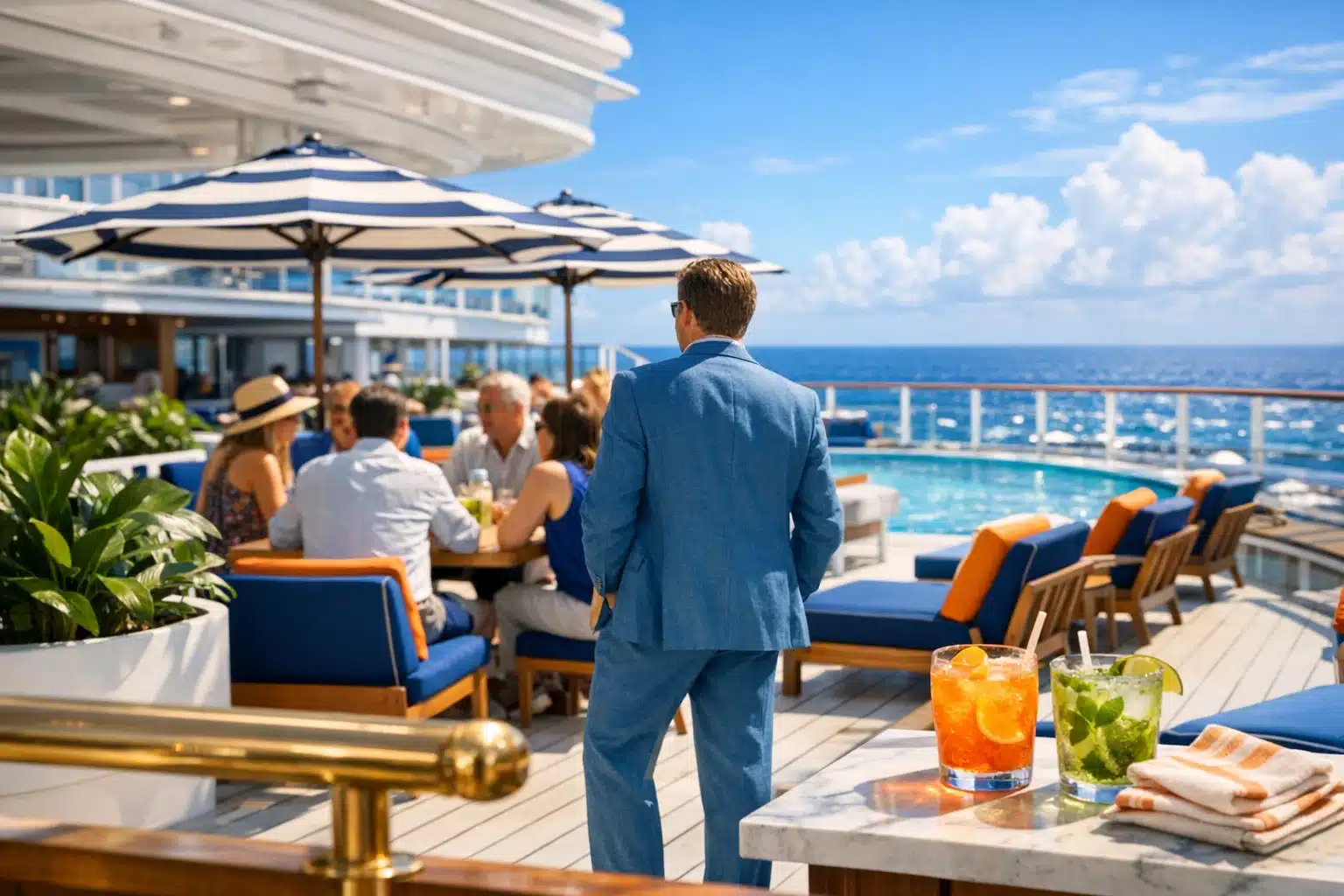
Solo Cruises for Single Adults: What to Know Before You Book
Solo cruising has moved from a niche travel idea to a practical and appealing option for independent adults who want structure without sacrificing freedom. Cruise lines now offer more single cabins, hosted meetups, flexible dining, and activity-rich itineraries that make it easier to travel alone with confidence. For first-time solo cruisers, however, the excitement often arrives with big questions about cost, safety, social life, and cabin choices. Understanding how the experience works before booking can turn uncertainty into anticipation and help you choose a trip that actually fits your style.
Article outline:
- Why solo cruises appeal to single adults and how the experience differs from other kinds of travel.
- How to compare cruise lines, ship sizes, itineraries, and cabins when traveling alone.
- What solo travelers should know about pricing, solo supplements, and overall value.
- How to balance safety, privacy, and social opportunities on board and during shore excursions.
- How to decide whether a solo cruise fits your personality, budget, and travel goals before you book.
Why Solo Cruises Appeal to Single Adults
For many single adults, the biggest attraction of a solo cruise is simple: it removes friction from travel. You book one room, unpack once, and move between cities or islands without worrying about trains, rental cars, hotel changes, or restaurant reservations every night. That convenience matters. A cruise can deliver the variety of a multi-stop trip with the rhythm of a floating hotel, which is especially appealing if you want adventure without constant logistics. Instead of spending half your vacation coordinating details, you can wake up in a new port and decide whether the day will be active, social, restful, or some mix of all three.
Solo cruises also work well because they offer a rare blend of privacy and built-in company. On a land trip, traveling alone can sometimes mean eating every meal alone unless you actively plan around it. On a ship, there are more natural ways to connect. Shared tables, hosted solo traveler gatherings, trivia, fitness classes, cooking demos, shore excursions, and lounge events create easy conversation starters. At the same time, nobody expects you to be constantly social. You can read on deck, watch the ocean slide by like a long silver ribbon, and enjoy your own pace without explanation.
Compared with all-inclusive resorts, cruises often provide more variety in both scenery and social environment. Compared with escorted group tours, they usually feel less rigid because you can choose how much structure you want. That makes them attractive to a wide range of travelers, including:
- Professionals who want a low-stress vacation with minimal planning
- Recently divorced or widowed adults easing back into travel
- Independent travelers who like meeting people in small doses
- First-time solo travelers who want a more controlled environment
The industry has noticed this demand. Several cruise lines now offer solo cabins on select ships, and others organize dedicated meetups for passengers traveling alone. That does not mean every cruise is equally solo-friendly, but it does mean the experience is no longer unusual. A single adult boarding alone today is not an oddity; it is part of a growing travel pattern. If the old image of cruising felt designed mainly for couples and families, that picture is changing. Modern solo cruising is less about being alone in a crowd and more about choosing when to connect and when to disappear into your own horizon.
Choosing the Right Cruise Line, Ship, and Cabin
Not all solo cruises feel the same, and this is where many first-time bookers make their biggest mistake. They focus on destination first and overlook the personality of the ship. In reality, the right cruise line can shape your trip more than the map does. A Caribbean itinerary on a huge mainstream ship may feel energetic and entertainment-heavy, while a smaller premium ship on a similar route may feel calmer, more service-oriented, and more adult-focused. If you are traveling alone, that difference matters because the atmosphere around dining, activities, and social mixing will affect how comfortable you feel from day one.
Large ships often suit solo travelers who want options. They usually have more restaurants, more entertainment venues, larger fitness centers, more organized events, and greater anonymity. If you like the idea of blending in, then joining activities only when the mood strikes, a big ship can work beautifully. Smaller ships, by contrast, can make it easier to recognize people and form casual familiarity. You may see the same passengers at breakfast, on excursions, and at evening shows, which can make conversation feel more organic. River cruises and expedition cruises tend to be even more intimate, though they can also be more expensive and may draw an older or more niche crowd depending on the itinerary.
Cabin choice deserves special attention. Solo travelers should compare:
- Dedicated solo cabins, which are designed for one passenger and often avoid or reduce the solo supplement
- Standard inside cabins, which may be cheaper overall even with a supplement
- Balcony cabins, which cost more but offer private outdoor space that many solo travelers value highly
- Cabin location, since rooms near elevators are convenient while midship locations can feel more stable in rougher seas
Some lines are especially known for solo-friendly features on select ships, such as studio staterooms, solo lounges, or hosted gatherings. Others may not have single cabins but still attract independent travelers because dining is flexible and the onboard culture feels social rather than formal. This is why reading current ship-specific reviews can be so useful. A cruise brand may have one vessel that is excellent for solos and another that feels geared more toward families or large groups.
When comparing options, ask practical questions. Do you want nightlife or quiet evenings? Structured activities or more destination time? Formal dinners or casual dining? A sea day packed with classes and shows, or a slower schedule with books, coffee, and ocean views? The best solo cruise is not the one with the most features on paper. It is the one whose daily rhythm matches your real habits. Choose that well, and the whole trip starts to feel less like a gamble and more like a well-cut key.
Understanding Costs, Solo Supplements, and Value
The most common concern among single adults considering a cruise is cost, and for good reason. Cruise pricing can be confusing even for experienced travelers. The headline fare may look attractive, but solo travelers need to dig deeper because the final price is shaped by supplements, taxes, gratuities, drink costs, Wi-Fi, specialty dining, excursions, and travel insurance. A cruise can still offer strong value, but only if you understand what you are paying for and which extras you will actually use.
The term most solo travelers encounter quickly is the solo supplement. Cruise cabins are typically priced with double occupancy in mind, so one person may pay more than half the total cabin rate. In some cases, the supplement can be close to 100 percent of the second fare, though promotions sometimes reduce it significantly. Dedicated solo cabins help solve this issue because they are built and priced for one traveler. Still, they are limited in number and often sell out early, especially on newer ships or popular itineraries.
It helps to separate cruise costs into layers:
- Base fare: the cabin price shown in the booking
- Taxes and port fees: mandatory charges added separately
- Daily gratuities: often around the mid-teens to mid-twenties in US dollars per day on many mainstream lines
- Optional extras: beverage packages, specialty restaurants, spa treatments, Wi-Fi, and laundry
- Off-ship spending: flights, hotels before embarkation, transfers, and excursions
Value is not always about paying the lowest number. A slightly higher fare on a cruise that includes Wi-Fi, drinks, or better dining flexibility may be a smarter choice than a cheap base rate that leads to constant add-on charges. Solo travelers often benefit from looking at the total trip cost, not just the initial fare. Premium and luxury lines can sometimes compare more favorably than expected because more services are bundled into the price.
There are also practical ways to improve value. Shoulder season sailings can be cheaper than peak holiday periods. Repositioning cruises sometimes offer lower daily rates, though they include more sea days. Booking early can help secure solo cabins, while last-minute deals may work if you are flexible and sailing from a nearby port. Travel agents who specialize in cruises can occasionally access group pricing, onboard credit, or reduced supplements that are not obvious online.
Think of the budget as a travel map, not a trap. If you want quiet mornings on your balcony and one well-chosen excursion in each port, budget for that. If your dream is to sample specialty restaurants and spend freely on entertainment, build that into the total from the start. Solo cruising feels much more relaxing when the financial side is honest, visible, and tailored to how you actually travel.
Safety, Social Life, and the Reality of Traveling Alone at Sea
Safety is one of the reasons solo adults choose cruises in the first place. Ships are controlled environments with staffed public spaces, keycard access to cabins, onboard security, medical facilities, and clearly structured embarkation and excursion procedures. That does not mean risk disappears, but it does mean you are generally traveling within a framework that is easier to manage than navigating unfamiliar cities alone every day. For many first-time solo travelers, that built-in structure lowers anxiety and makes independent travel feel more accessible.
Practical safety habits still matter. Avoid posting your live cabin details publicly. Use the in-room safe for passports, extra cash, and valuables. Let someone at home know your itinerary. In port, stay aware of time so you do not miss the ship’s all-aboard deadline. Book excursions through reputable operators, and if you choose independent touring, research transport and neighborhood safety in advance. A cruise can simplify movement, but smart habits remain your best travel companion.
The social side is more nuanced than cruise marketing often suggests. You will not automatically make instant friends, and you do not need to. What solo travelers usually find instead is a steady stream of low-pressure opportunities. Many ships host meetups for passengers traveling alone. Dining arrangements may allow shared tables or flexible seating. Shore excursions naturally create conversation because people are seeing the same sights together. Even small routines, such as morning coffee in the same café or attending the same trivia sessions, can lead to familiar faces by day three.
If you are worried about feeling awkward, these strategies help:
- Attend one solo meetup early, even if you are unsure whether you will return
- Choose at least one group excursion in the first port to create easy social momentum
- Sit at a bar, café counter, or communal table if you want casual conversation
- Keep one or two private rituals, such as sunrise walks or evening reading, to recharge
Introverts often do better on cruises than they expect because the social environment is optional rather than constant. Extroverts usually appreciate the number of activities and venues. The key is setting your own pace. You can join a wine tasting at six, chat with new people over dinner, then retreat to your cabin and listen to the sea drum softly against the hull. That flexibility is one of solo cruising’s greatest strengths.
There is also emotional safety to consider. Some travelers book solo cruises after major life changes, and travel can stir unexpected feelings. A bustling deck party might feel liberating one evening and lonely the next. That is normal. Give yourself room for both reactions. A good solo cruise is not successful because every moment is social or perfectly serene. It is successful because it gives you enough freedom to shape the trip around who you are, not who you are expected to be.
Conclusion: How to Decide If a Solo Cruise Is Right for You
A solo cruise is a particularly strong fit for single adults who want independence without carrying the full weight of travel logistics. If you like the idea of visiting multiple destinations while sleeping in the same bed each night, it offers a compelling balance of convenience and variety. If you want moments of company without the obligation of constant togetherness, it can be even better. For many travelers, that is the sweet spot: enough structure to feel secure, enough freedom to feel fully their own.
Before booking, the smartest move is to be honest about your travel style. Ask yourself whether you want a ship buzzing with nightlife or one that leans quieter and more destination-focused. Decide whether you would actually use a balcony, drink package, specialty dining, or premium Wi-Fi. Think about your comfort with shared social spaces and whether organized meetups appeal to you. A cruise becomes more satisfying when it reflects your habits, not an imagined version of yourself who suddenly becomes ultra-social, highly active, or endlessly indulgent at sea.
For a practical final check, review these points:
- Compare total cost, not just the advertised fare
- Look specifically for solo cabins or reduced solo supplement promotions
- Read recent reviews for the exact ship, not just the cruise brand
- Choose an itinerary that matches your energy level and interests
- Plan one or two social opportunities, but do not overschedule every day
- Arrive at the departure city early if flights are involved, especially for international sailings
Single adults are not one travel category with one set of needs. A 32-year-old professional taking a first post-burnout holiday, a 48-year-old traveler celebrating a milestone, and a 67-year-old retiree eager to explore new ports alone may all want very different things from the same ship. That is why the real question is not whether solo cruises are good or bad. It is whether a particular cruise matches your priorities in the real world.
If you are curious but hesitant, start with a shorter itinerary on a ship known for solo-friendly features. Treat the first cruise as a well-informed experiment, not a lifelong commitment to one travel style. You may discover that solo cruising gives you something rare: a vacation where companionship is available, solitude is respected, and the journey itself feels beautifully organized. For the right traveler, that combination is not just convenient. It is quietly transformative.