The Ultimate Guide to Thrilling Family Short Break Holidays
Family short breaks have become one of the smartest ways to recharge without the cost, planning pressure, or long travel days of a full holiday. A well-chosen mini escape can give children excitement, give parents breathing room, and turn an ordinary weekend into a vivid shared memory. From coastlines and countryside lodges to city adventures and activity resorts, the options are broader than ever. This guide shows how to pick, plan, budget, and enjoy a short break that feels big in all the right ways.
Outline: this article moves through five practical areas so families can plan with confidence rather than guesswork.
- How to define a thrilling short break and choose the right pace for your family
- How popular short-break formats compare, including coast, countryside, cities, and activity resorts
- How to budget, book, and pack so a brief holiday still feels good value
- How to keep children engaged and stress levels low from departure to bedtime
- How to turn all of that planning into a short break that genuinely works for modern family life
1. What Makes a Family Short Break Truly Thrilling?
A family short break is usually short in length but not necessarily small in impact. On most booking platforms and travel sites, the term often covers stays of two to four nights. That sounds simple, yet the difference between a great mini holiday and an exhausting one often comes down to one question: what does thrilling mean for your family? For some households, thrill means roller coasters, climbing walls, and packed itineraries. For others, it means waking up near the sea, eating breakfast slowly, and letting children run themselves tired on a beach before bedtime. The best short breaks do not try to imitate a two-week holiday. They focus on intensity of enjoyment, not quantity of days.
This matters because time is the scarcest travel resource for most families. A three-hour journey each way may be manageable for a week-long trip, but on a two-night getaway it can swallow a large share of the experience. In practical terms, six total travel hours can consume much of the family’s best energy. That is why many successful short breaks happen within a comfortable travel radius. Parents arrive less frazzled, children spend less time asking, “Are we nearly there yet?” and the first evening still feels like part of the holiday instead of an extension of the drive.
Thrill also changes by age group. Toddlers often care more about freedom of movement, familiar snacks, and a stable sleep routine than about famous landmarks. Primary-school children usually respond well to novelty, hands-on activities, and places where they can be active without constant correction. Teenagers may prefer autonomy, Wi-Fi, sporty experiences, or a destination with enough identity to feel worth posting about. That means a perfect family break is rarely about chasing the most talked-about location. It is about aligning the destination with the people actually going.
A strong short break usually scores well in a few key areas:
- Manageable travel time relative to the length of the stay
- At least one clear highlight for each age group
- Flexible food options, especially for picky or tired eaters
- Weather-proof alternatives if plans change
- Enough comfort that adults are not doing unpaid shift work in a new postcode
That last point is easy to overlook. A holiday is not thrilling if one parent spends the entire time hauling bags, negotiating meals, and improvising entertainment. The sweet spot is a break with a little spark and a little structure. Think of it as controlled adventure: enough surprise to feel special, enough predictability to keep everyone functioning. When that balance is right, even a single long weekend can feel wonderfully expansive.
2. Comparing the Best Types of Family Short Break Holidays
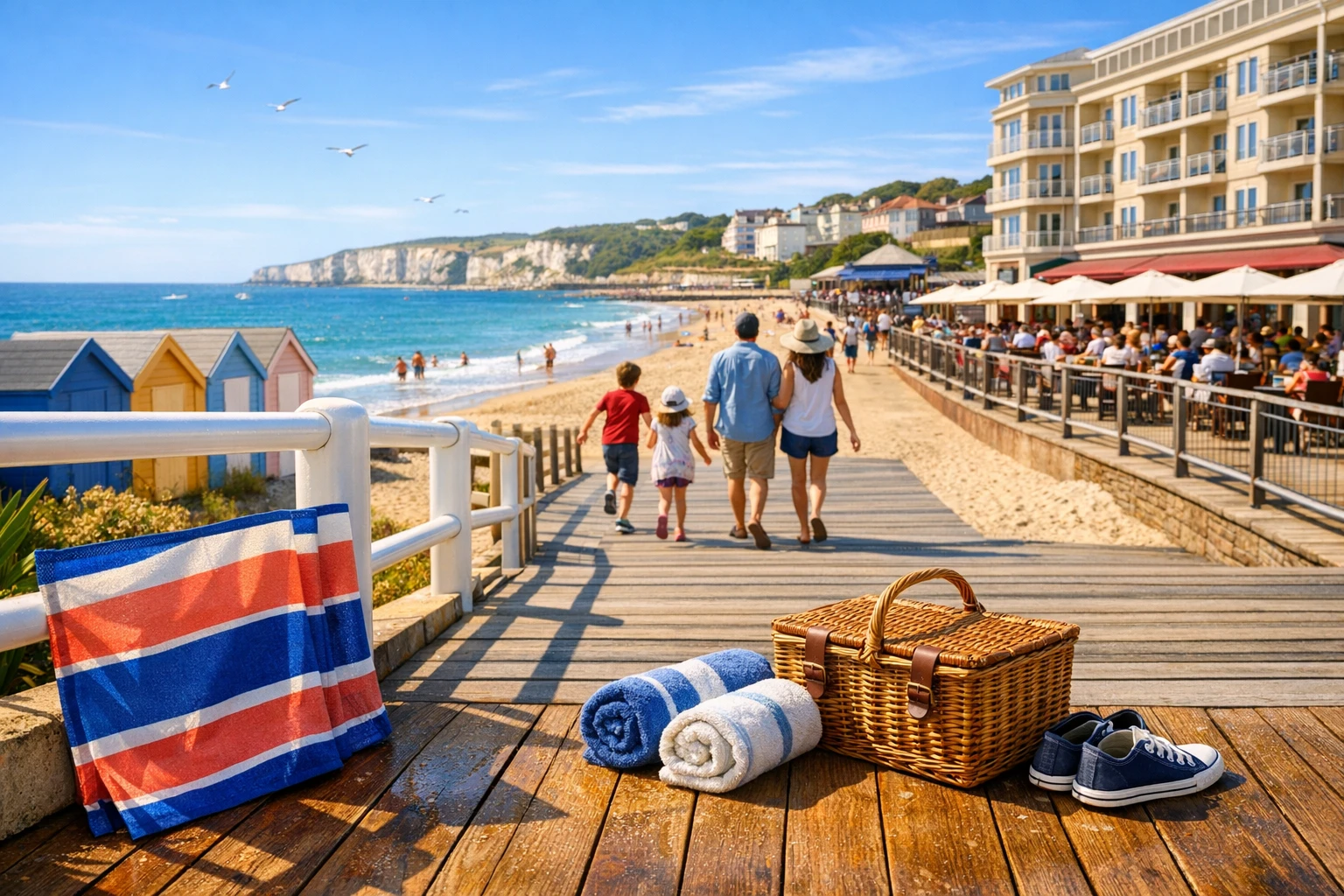
Not every destination style delivers the same kind of energy, and comparing them clearly can save a lot of disappointment. The coast is a classic for good reason. Beaches create built-in entertainment, and families often need less formal planning when sand, water, and open space are doing the heavy lifting. Coastal breaks can feel instantly restorative, especially when children can move freely after spending much of the year in classrooms and cars. The drawback is obvious: weather matters. A bright seaside town in sunshine feels joyful; the same place in relentless rain can become a battle against damp coats and melting moods unless there are strong indoor options nearby.
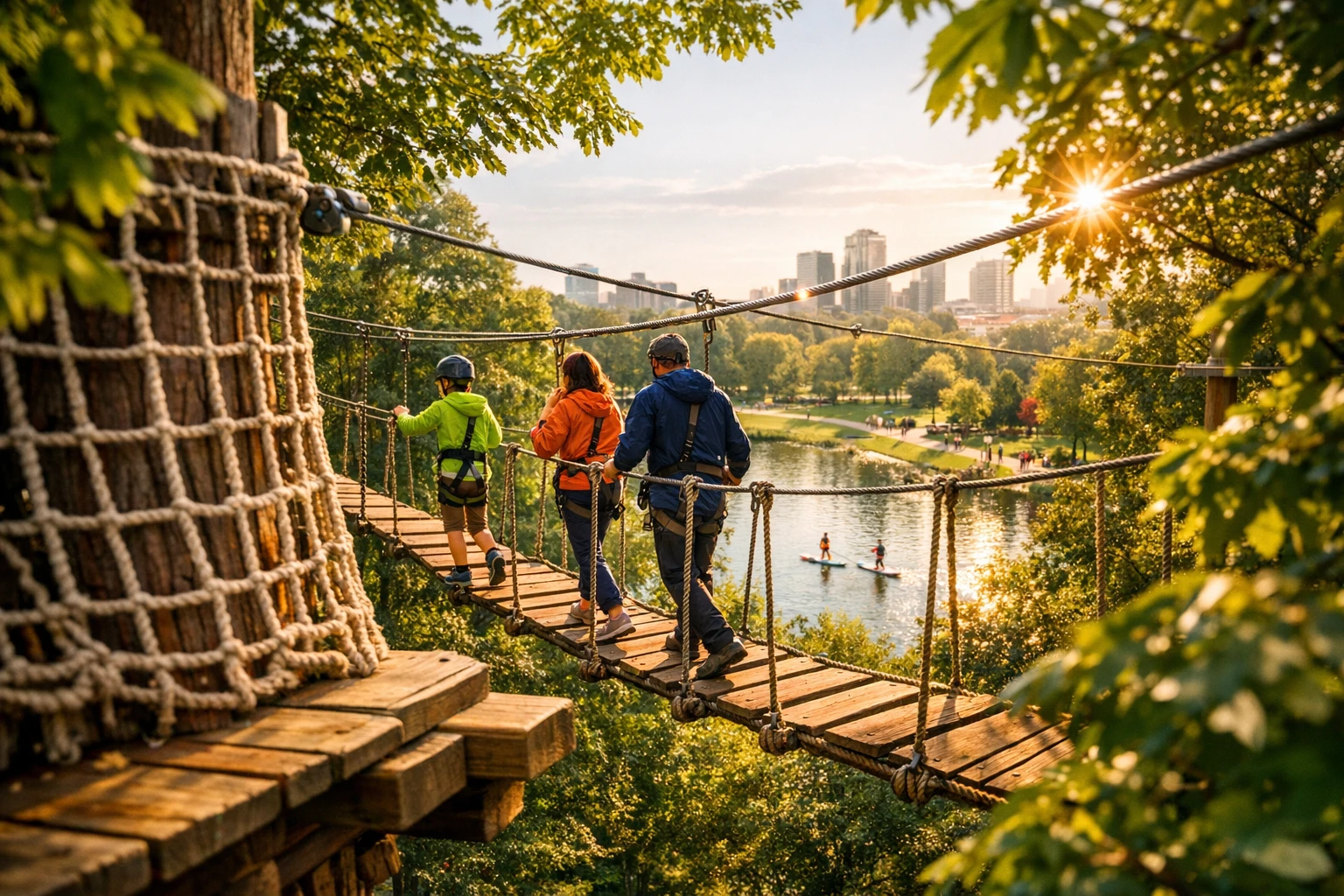
Countryside holidays offer a different kind of thrill. Cabins, farm stays, woodland lodges, and rural cottage parks tend to work well for families who want room to breathe. These breaks are often strongest for younger children, who are usually delighted by animals, trails, playgrounds, and the simple novelty of sleeping somewhere that smells faintly of pine or fresh grass. They can also suit parents craving quiet. The comparison point, however, is convenience. Rural destinations may require more driving, fewer dining options, and more self-organization. If you love flexibility and outdoor time, that can feel liberating. If you prefer everything within walking distance, it may feel like more effort than rest.
City breaks are sometimes underestimated for families, yet they can be excellent in short doses. A compact city stay can pack in museums, river walks, food markets, theatres, interactive exhibitions, public transport adventures, and memorable skyline views. For older children and teenagers, cities can feel exciting in a grown-up way. There is movement, choice, and a sense that something is always happening. Still, cities often demand better pacing. Queueing, noise, and overstimulation can wear down younger children quickly. A city break works best when you choose one or two anchors each day rather than trying to “do everything.”
Then there are activity resorts, holiday parks, and theme-led stays, which are built for convenience and momentum. These can be ideal when parents want entertainment close at hand and children want action from morning onward. Swimming pools, bike hire, soft play, zip lines, family shows, and scheduled activities reduce the need to invent fun from scratch. The trade-off is cost and sensory load. On-site spending can rise quickly, and some families find the constant buzz tiring after the first burst of excitement.
A simple comparison can help:
-
Coastal breaks: best for open-air play, simple pleasures, and relaxed family time
-
Countryside stays: best for space, nature, and slower rhythms
-
City trips: best for culture, variety, and older kids who enjoy stimulation
-
Activity resorts: best for convenience, built-in fun, and weather backup
The strongest choice depends less on what is objectively “best” and more on which environment gives your family the fewest friction points and the most natural enjoyment. A muddy woodland path can be magical for one family and mildly disastrous for another. The right break is the one your crew can actually enjoy without needing to become different people first.
3. How to Budget, Book, and Pack for Maximum Value
A short break can be excellent value, but only when families look beyond the headline room price. Because the trip is brief, hidden costs matter more. Parking fees, last-minute attraction tickets, restaurant meals, luggage extras, resort activity passes, and emergency purchases can quietly reshape the budget. The common mistake is assuming that fewer nights automatically means low cost. In reality, a two-night holiday can become expensive if every convenience is bought separately and every decision is left until arrival.
The first budgeting win usually comes from choosing the right timing. Shoulder-season weekends or midweek breaks outside major school holiday peaks often offer stronger prices and lighter crowds. If your school calendar and work patterns allow it, this can make a noticeable difference. Booking in advance is helpful for high-demand family periods, but flexibility can also pay off if you are targeting less obvious dates. A short break thrives on smart compromise. You may not need a premium sea-view suite if the family will spend most daylight hours outside. Equally, it can be worth paying more for accommodation with a kitchenette, separate sleeping space, or on-site laundry access, because those features reduce stress and spending later.
Transport choice also shapes value. Driving gives families control over departure times, snack supplies, and packing space, which is especially useful with younger children. Train travel can be more relaxing and turns the journey itself into part of the adventure, but fares rise quickly on busy routes. Flying may make sense for certain regional breaks, yet airport transfers, baggage fees, and security queues can eat into both time and budget. For a short holiday, convenience is often as important as price. Saving a small amount is not always worth adding a layer of hassle.
A practical budget usually includes these lines:
- Accommodation
- Transport and parking
- Food, snacks, and drinks
- One or two paid activities
- Weather backup plan
- A buffer for surprises
Packing smartly is another money saver disguised as organization. A few basics prevent annoying purchases at tourist prices: refillable water bottles, spare socks, swimwear even if the forecast looks doubtful, a compact first-aid kit, chargers, wipes, and one comfort item for each child. If you are travelling with babies or toddlers, bringing familiar bedtime pieces can protect sleep, which in turn protects the whole trip. It is astonishing how much emotional stability can be generated by one known blanket and the right snack at the right moment.
Finally, spend where it changes the experience, not where it simply looks nice in a booking ad. Families often get more real value from location, flexible check-in, breakfast included, or a larger room than from decorative extras. A short break feels luxurious when logistics are easy. That is the kind of value people actually remember.
4. Keeping Children Engaged and Stress Low During the Trip
The success of a family short break rarely depends on one big attraction alone. More often, it depends on dozens of small choices that protect mood, energy, and momentum. Travel day is the first test. Children usually cope better when they know what is happening next, so even a loose plan helps. Tell them when you are leaving, what the journey will look like, when food is coming, and what the first fun moment will be after arrival. That “first fun moment” matters more than many parents realize. It could be a playground stop, a paddle in the sea, hot chocolate in a café, or simply letting them jump onto a hotel bed for five reckless minutes. It signals that the holiday has begun.
Once you arrive, resist the temptation to overfill every hour. A short break can create pressure to maximize every minute, but children are not conference delegates. They need pauses, snacks, toilet breaks, transitions, and occasional randomness. The most enjoyable rhythm for many families is one main activity plus one lighter supporting activity each day. For example, you might visit an aquarium in the morning, then spend the afternoon at a nearby beach or park. That leaves room for the trip to breathe. It also reduces the chance of an afternoon collapse triggered by queues, hunger, and tired feet.
Weather is another major factor, especially on brief holidays where there is less time to recover from a washed-out day. The smartest families build a “rain plan” before departure rather than improvising under pressure. Indoor pools, soft play centres, family-friendly museums, cinemas, science centres, and cafés with board games can save the atmosphere. In the same way, an “energy dip plan” helps when children suddenly stop being charming. Sometimes the answer is not another activity but a quiet hour back at the accommodation, a cartoon, and a plate of chips. Travel ideals are lovely; timing is what keeps the wheels on.
A useful family toolkit often includes:
- Snacks that are easy to carry and not too messy
- One small bag of travel games or colouring supplies
- Layers for changing weather
- A backup outfit for each child
- Portable chargers and downloaded entertainment
- A simple evening routine, even away from home
Involving children in the trip can also reduce friction. Let them choose between two activities, pick a lunch spot, or be in charge of a simple job like map-checking or carrying the picnic blanket. These tiny responsibilities create investment. A child who helped shape the day is often more willing to move through it with good humour.
Above all, protect the adults’ energy too. Parents who are under-rested, hungry, or trying to manage everything silently are far less able to enjoy the family moments they worked hard to create. The best short breaks include a little ease for everyone. That is when the ordinary pieces click together and the trip begins to feel less like a logistical exercise and more like a story your family will retell with a smile.
5. Conclusion: Turning a Mini Holiday Into a Big Family Win
For families balancing school schedules, work deadlines, budgets, and everyday exhaustion, the short break is not a lesser version of a “real” holiday. In many cases, it is the most realistic and rewarding form of travel available. A well-designed two- or three-night trip can offer novelty, connection, and rest without requiring months of preparation or a heroic level of stamina. That is why family short breaks matter so much today. They fit into modern life while still creating the feeling that life has briefly opened up.
If you are planning one soon, keep the decision-making simple. Start with travel tolerance, not dream imagery. Ask how long your family can travel before moods drop. Then match the destination style to the age mix in your group. After that, choose accommodation that removes pressure instead of adding it. A room with sensible sleeping arrangements, nearby food, and easy access to activities can outperform a more glamorous option that creates daily friction. The goal is not to impress the internet. The goal is to enjoy the people you are travelling with.
A practical final checklist looks like this:
- Pick a destination that suits your available time
- Choose one main reason for going, such as beach time, nature, city fun, or activities
- Budget for the full experience, not just the room rate
- Build in a weather backup and a low-energy backup
- Keep the daily plan light enough for real life to fit inside it
Families often remember the texture of a break more than the schedule. They remember chips eaten on a windy promenade, the squeal from a first swimming pool slide, the train ride that felt like an expedition, the silly card game played in a cabin while rain tapped the window. Those details are not minor. They are the holiday. A thrilling family short break is not about squeezing in the maximum number of attractions. It is about creating the right conditions for shared delight.
So if you have been waiting for the perfect week, the perfect budget, or the perfect season, it may be worth rethinking the target. A shorter holiday can still be rich, restorative, and exciting when it is planned with honesty about your family’s needs. Choose the break that gives you space to laugh, explore, eat well, and return home a little lighter. For busy parents and energetic children alike, that is often more than enough. It is exactly the kind of escape that makes family life feel larger, warmer, and more memorable.