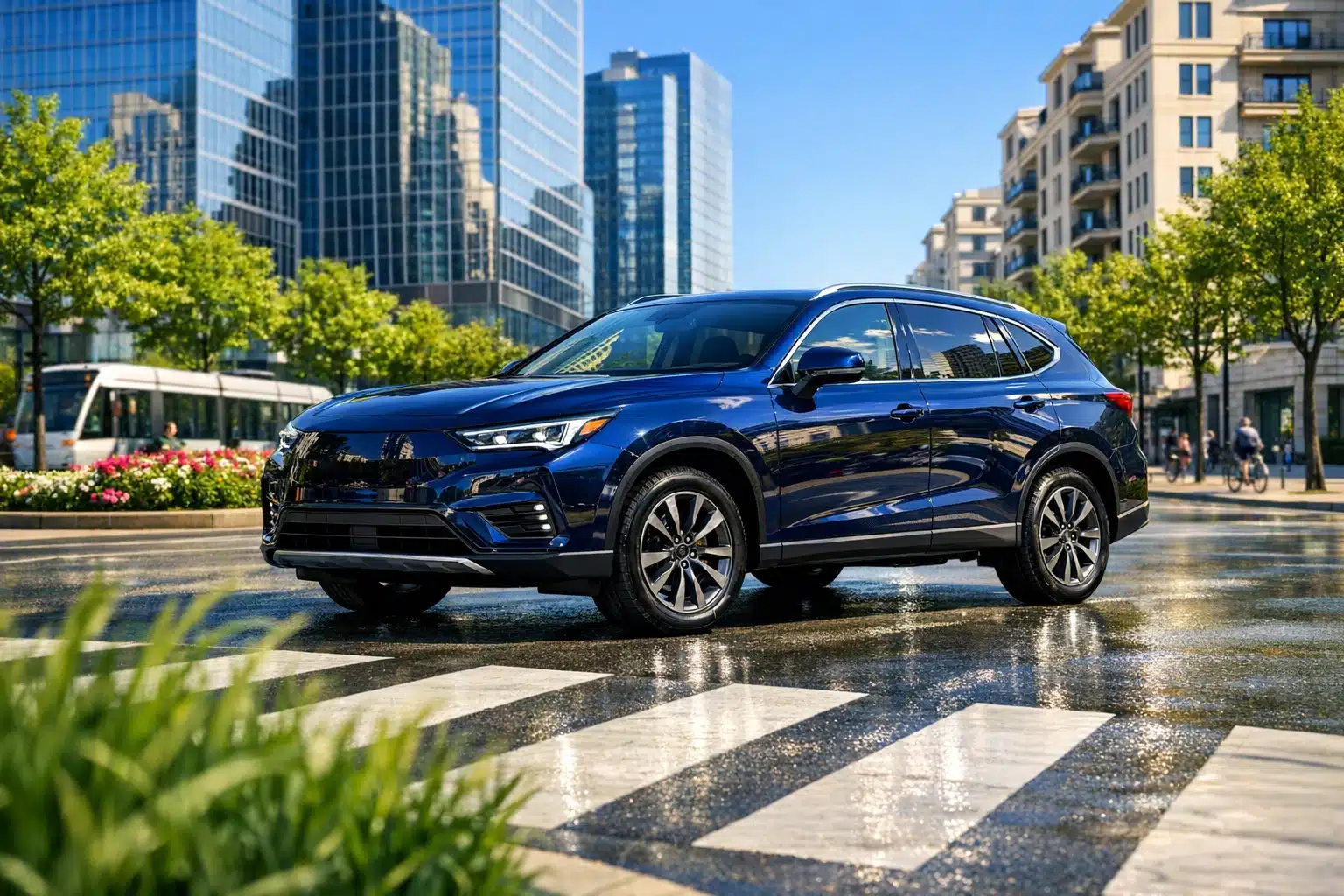
Understanding Hybrid SUV Technology: A Guide Before Comparing Models
Hybrid SUVs sit at the crossroads of practicality, efficiency, and fast-moving automotive technology, which is why they can be tricky to compare at first glance. Two vehicles may wear the same hybrid badge yet behave very differently in traffic, on highways, and over years of ownership. Understanding the engineering behind the label helps buyers look past marketing language and focus on the details that affect daily use. Once the basics are clear, comparing models becomes sharper, faster, and far more meaningful.
Article Outline
Before comparing brochures, trim levels, and price tags, it helps to follow a clear roadmap. This article first explains how hybrid SUV systems work, then separates the major hybrid types, examines real-world efficiency and performance, and finally looks at batteries, maintenance, and ownership costs. It ends with a practical conclusion aimed at drivers who want a reliable way to shortlist the right model rather than simply chase the highest headline fuel-economy number.
- How a hybrid SUV combines an engine, electric motor, battery, and control software
- What separates mild hybrids, full hybrids, and plug-in hybrids
- Why city driving, highway speed, weather, cargo, and towing change the results
- What to know about charging, battery life, maintenance, and long-term value
- How to compare models according to your routine, budget, and expectations
1. How Hybrid SUV Systems Actually Work
At its core, a hybrid SUV blends two power sources: a conventional internal combustion engine and one or more electric motors. The battery stores electrical energy, the inverter manages the flow of electricity, and the control software decides when each component should work. That sounds technical, but the goal is simple: reduce wasted energy and improve efficiency without giving up the range and flexibility that SUV buyers often want. In everyday driving, the system may switch between gas power, electric power, or a combination of both, often without much drama from the driver’s seat.
A useful way to picture a hybrid system is to imagine a relay team rather than a single runner. In stop-and-go traffic, where gasoline engines are least efficient, the electric motor can help move the vehicle from rest or carry it at low speed. During harder acceleration, the motor adds instant torque, which can make a hybrid SUV feel smoother and more responsive than its output numbers alone suggest. When cruising steadily, the engine may take over because it is more efficient in that condition. And when the vehicle slows down, regenerative braking captures some of the energy that would otherwise be lost as heat and sends it back to the battery.
Not all hybrid layouts are identical. Some systems are primarily parallel hybrids, meaning the engine and motor can both drive the wheels. Others use power-split designs that continuously balance the roles of engine and motor through a planetary gearset or similar mechanism. A few lean toward a series-style setup in certain situations, where the engine acts more like a generator than a direct driver. This is one reason two hybrid SUVs with similar horsepower and size can feel very different on the road.
Several components matter when you compare how refined or capable a hybrid SUV may be:
-
The electric motor affects low-speed smoothness and launch feel.
-
The battery size influences how much electric assistance is available and for how long.
-
The transmission or power-management design shapes responsiveness and engine noise.
-
The software calibration determines when the engine starts, how braking feels, and how efficiently energy is recovered.
SUVs add another layer to the story because they are heavier and taller than many sedans. That extra mass means the hybrid system has more work to do, especially under acceleration, on steep grades, or while carrying passengers and luggage. Yet the same weight also gives regenerative braking more opportunities to recover energy in urban driving. In other words, a hybrid SUV is not just a gas SUV with a battery attached. It is a carefully balanced machine, designed to juggle torque, efficiency, packaging, and comfort. Understanding that balancing act is the first step to making sense of the spec sheet that comes later.
2. Mild Hybrid, Full Hybrid, and Plug-in Hybrid: The Differences That Matter
One of the biggest sources of confusion in the market is the word hybrid itself. Manufacturers use it across several technologies that differ in a meaningful way. If you compare models without separating these categories first, you may end up weighing very different machines as if they were direct rivals. Mild hybrids, full hybrids, and plug-in hybrids all combine gasoline and electricity, but they do so with different hardware, capabilities, and ownership expectations.
A mild hybrid typically uses a small battery and a 48-volt electrical system or a similar setup. The electric motor in a mild hybrid usually cannot drive the vehicle on its own for normal distances. Instead, it supports the engine by assisting during acceleration, smoothing stop-start operation, and recovering a bit of energy during braking. Mild hybrids can improve efficiency and refinement, but they tend to offer the smallest jump in electric capability. They are often best understood as gas vehicles with smart electrical assistance.
A full hybrid goes further. It usually has a larger battery, often around the low single-digit kilowatt-hour range, and a more capable motor system. This allows the SUV to move on electric power alone in certain low-speed or light-load situations. In city traffic, that ability can make a visible difference because the engine is free to shut off more often. Full hybrids do not need to be plugged in; they recharge through regenerative braking and the engine’s operation. For many buyers, this is the easiest hybrid type to live with because it asks for no change in fueling habits.
A plug-in hybrid, or PHEV, pushes the electric side much further. These SUVs usually have much larger batteries, often in the 10 to 25-plus kWh range, though exact sizes vary widely. A PHEV can often cover a meaningful distance on electricity alone before switching into hybrid mode. For commuters with home charging, that can sharply reduce fuel use. But the benefit depends on behavior. A plug-in hybrid that is rarely plugged in can carry extra battery weight without delivering its main advantage.
-
Mild hybrid: lowest complexity for the driver, modest efficiency gains, no plug
-
Full hybrid: stronger city efficiency, can drive electrically at times, no plug
-
Plug-in hybrid: largest battery, shortest fuel bills for regular charging users, needs charging discipline
This is where a little skepticism helps. Two SUVs might both be marketed as electrified, yet one is designed mainly to trim fuel use while another is designed to replace many gasoline miles with electric miles. A full hybrid suits drivers who want convenience above all. A plug-in hybrid can be brilliant for short daily commutes and home charging. A mild hybrid often appeals to shoppers who want some efficiency improvement without changing habits or paying for a more complex system. Once you know which category matches your lifestyle, comparing individual models becomes far more logical.
3. Efficiency, Performance, and Real-World Driving: Why the Numbers Can Mislead
Official fuel-economy figures are useful, but they are only the opening chapter. Hybrid SUVs often shine brightest in conditions that allow frequent braking, gentle acceleration, and low-speed electric assistance. That is why many of them perform especially well in urban traffic, where regenerative braking can recover energy and the engine can shut off at stoplights. In contrast, steady high-speed highway driving gives the electric system fewer chances to help, so the advantage over a comparable gasoline SUV may narrow.
This city-versus-highway split explains why some owners rave about savings while others feel underwhelmed. A driver who spends an hour each day in stop-and-go commuting may see a substantial benefit from a full hybrid. Depending on the vehicle and the gas-only alternative being used as a benchmark, city fuel consumption improvements can sometimes land in the 20 to 40 percent range, though results vary by model, weather, and driving style. On a long motorway trip at high speed, the gap can be much smaller. A plug-in hybrid may deliver outstanding efficiency on paper, yet once its battery is depleted, it behaves more like a heavier hybrid or gasoline SUV.
Performance is another area where numbers need context. Horsepower matters, but torque delivery matters too. Electric motors provide peak torque quickly, which often makes hybrid SUVs feel eager from a stop. They can be smooth and surprisingly brisk in everyday traffic. On the other hand, some hybrid systems use transmissions or engine-management strategies that cause the engine to rise in revs under strong acceleration, which not every driver enjoys. The result can be effective but acoustically busy, like a talented worker humming a little too loudly while finishing the job.
Real-world results also change with use case:
-
Cold weather can reduce battery efficiency and increase engine running time for cabin heat.
-
All-wheel drive systems may improve traction but can add weight and complexity.
-
Heavy cargo or frequent towing can reduce the efficiency advantage.
-
Larger wheels and grippier tires often hurt economy compared with lower trims.
-
Driving style still matters; sharp acceleration drains the battery buffer quickly.
When you test-drive or compare reviews, watch for more than acceleration times. Notice how the transition between electric and gasoline power feels. Pay attention to brake pedal response, because regenerative braking can make some systems feel different from traditional brakes. Check whether the SUV maintains calm refinement in normal traffic and whether the powertrain stays composed on hills. The smartest comparison is not “Which one has the biggest mpg number?” but “Which one fits the roads, speeds, and loads I actually deal with?” That question turns a marketing comparison into a practical one, which is where better buying decisions usually begin.
4. Batteries, Charging, Maintenance, and Long-Term Ownership
For many shoppers, the battery is the mysterious heart of the hybrid SUV. It is also the component most likely to attract both curiosity and anxiety. In reality, modern hybrid systems are designed with extensive battery management, cooling strategies, and software safeguards. Battery chemistry, thermal control, charging behavior, and packaging all affect long-term performance, but reliability is not a matter of battery size alone. A well-managed battery in a properly designed system can deliver years of service, while poor usage patterns or extreme heat can accelerate wear.
Full hybrids and mild hybrids are relatively simple from the driver’s perspective because they do not require plugging in. The vehicle manages charging automatically through regenerative braking and engine operation. Plug-in hybrids are different. To get the most from a PHEV, regular charging is essential. A household outlet may be enough for overnight charging in some cases, but a Level 2 home charger can be more convenient and better matched to daily use. Charging power varies by model, so one PHEV may refill significantly faster than another. If a buyer lives in an apartment without dependable charging access, a full hybrid can often make more sense than a plug-in hybrid with unrealized potential.
Maintenance is another area where hybrid ownership is often misunderstood. Hybrids still need conventional service items such as tires, filters, fluids, and suspension checks. However, regenerative braking can reduce wear on brake pads because the electric motor handles part of the slowing work. At the same time, hybrid systems add components such as high-voltage cables, power electronics, and cooling circuits, so technician familiarity matters. It is wise to check local service support before choosing a less common model.
When comparing long-term costs, keep these factors in view:
-
Battery and hybrid component warranties often extend beyond standard vehicle coverage, but terms vary by region and manufacturer.
-
Insurance costs may differ based on repair complexity and replacement-part pricing.
-
PHEV savings depend heavily on electricity rates, fuel prices, and charging habits.
-
Resale value can be influenced by brand reputation, battery confidence, and local demand for electrified vehicles.
There is also the matter of space and weight. Larger batteries can reduce cargo flexibility or add mass, even if packaging is clever. For some families, that trade-off is negligible. For others, especially those who travel with bulky gear, it deserves a close look. In short, hybrid SUV ownership is not just about the pump. It is about the whole relationship: how you charge, how you drive, where you service, and what you expect the vehicle to feel like three, five, or eight years down the road. Think of it less as a gadget purchase and more as a household system that should fit neatly into your routine.
5. Conclusion: How to Compare Hybrid SUVs with Confidence
If you are the kind of buyer who has opened ten browser tabs and still feels no closer to a decision, the good news is that hybrid SUV shopping becomes much clearer when you compare the right things in the right order. Start with your daily pattern, not the brochure. Ask how far you drive, where you drive, whether you can charge at home, how often you carry passengers or cargo, and whether towing matters. Those answers will eliminate some options before price even enters the picture, and that is a very useful kind of progress.
For urban commuters, a full hybrid often makes strong sense because it captures the benefit of traffic rather than simply enduring it. For drivers with short daily routes and reliable home charging, a plug-in hybrid can turn many trips into mostly electric ones. For buyers who want familiar habits with a touch of added efficiency, a mild hybrid may be enough. Families who take frequent highway vacations should compare depleted-battery efficiency on PHEVs, not just their electric range. Drivers in cold climates should pay extra attention to winter performance and heating-related energy use.
A practical comparison checklist can keep the process grounded:
-
Identify the hybrid type before comparing mileage claims.
-
Match the powertrain to your route mix: city, highway, hills, towing, weather.
-
Look at cargo space, spare tire availability, and battery packaging.
-
Check charging access and charging time if the SUV is a plug-in hybrid.
-
Read real-world owner feedback on smoothness, braking feel, and winter behavior.
-
Review warranty coverage, dealer support, and likely ownership costs.
Perhaps the most important takeaway is this: hybrid technology is not one thing. It is a family of solutions aimed at different driving patterns. Comparing models without understanding the underlying system is like judging shoes by color before checking the fit. Some will look convincing on the shelf, yet disappoint where it counts. The best hybrid SUV for you is not the one with the flashiest claim or the biggest battery. It is the one whose technology quietly serves your routine, lowers your running costs in realistic conditions, and makes everyday driving easier instead of more complicated.
For shoppers, that mindset changes everything. You stop asking, “Which model is supposed to be best?” and start asking, “Which system makes the most sense for my life?” That is a better question, and it usually leads to a better vehicle.