Working in the Netherlands as a Warehouse Assistant: Complete Guide
Why the Netherlands Attracts Warehouse Workers and What This Guide Covers
The Netherlands may look compact on a map, yet it plays an outsized role in European logistics. From the constant movement around Rotterdam and Schiphol to the fast pace of e-commerce fulfillment centers, warehouse assistants keep goods flowing every day. For job seekers, the role can be a realistic path into stable work, but it helps to understand contracts, schedules, safety standards, and everyday Dutch workplace culture before you apply.
There is a clear reason this kind of work is so visible in the Dutch labor market. The country has one of the strongest logistics networks in Europe, supported by major ports, airports, inland transport routes, and a dense web of warehouses serving retail, food distribution, pharmaceuticals, manufacturing, and online shopping. Rotterdam is widely known as Europe’s largest seaport, while Schiphol has long been a major cargo gateway. That combination creates constant demand for people who can receive, sort, pick, scan, pack, and move products safely and accurately.
For many international workers, warehouse work is appealing because entry barriers are often lower than in office-based jobs. In some workplaces, English is enough to get started, especially in international teams. At the same time, this is not effortless work. It can involve long shifts, physical tasks, cold environments, rotating schedules, and strict productivity targets. A calm understanding of the role is far more useful than a glossy image of “easy work abroad.”
This guide is organized around five practical questions:
– Why is the Netherlands a strong destination for warehouse jobs?
– What does a warehouse assistant actually do during a normal shift?
– Which documents, skills, and legal steps matter before you start?
– How do wages, contracts, and worker protections usually work?
– What helps you find a good job and settle into daily life successfully?
If you are comparing countries, thinking about your first job in the Netherlands, or simply trying to avoid unpleasant surprises, this article is meant for you. It does not assume you already know Dutch labor law or the local hiring system. Instead, it gives a clear map of the terrain, so when you step onto the warehouse floor, it feels less like jumping into the unknown and more like walking in with the lights on.
What a Warehouse Assistant Does Day to Day
The title sounds simple, but warehouse assistant work covers a surprisingly wide range of tasks. In one company, you may spend most of the day picking online orders with a handheld scanner. In another, you may unload trucks, label pallets, check incoming goods against delivery notes, and help prepare outbound shipments. The common thread is straightforward: you help goods move through the building accurately, efficiently, and safely.
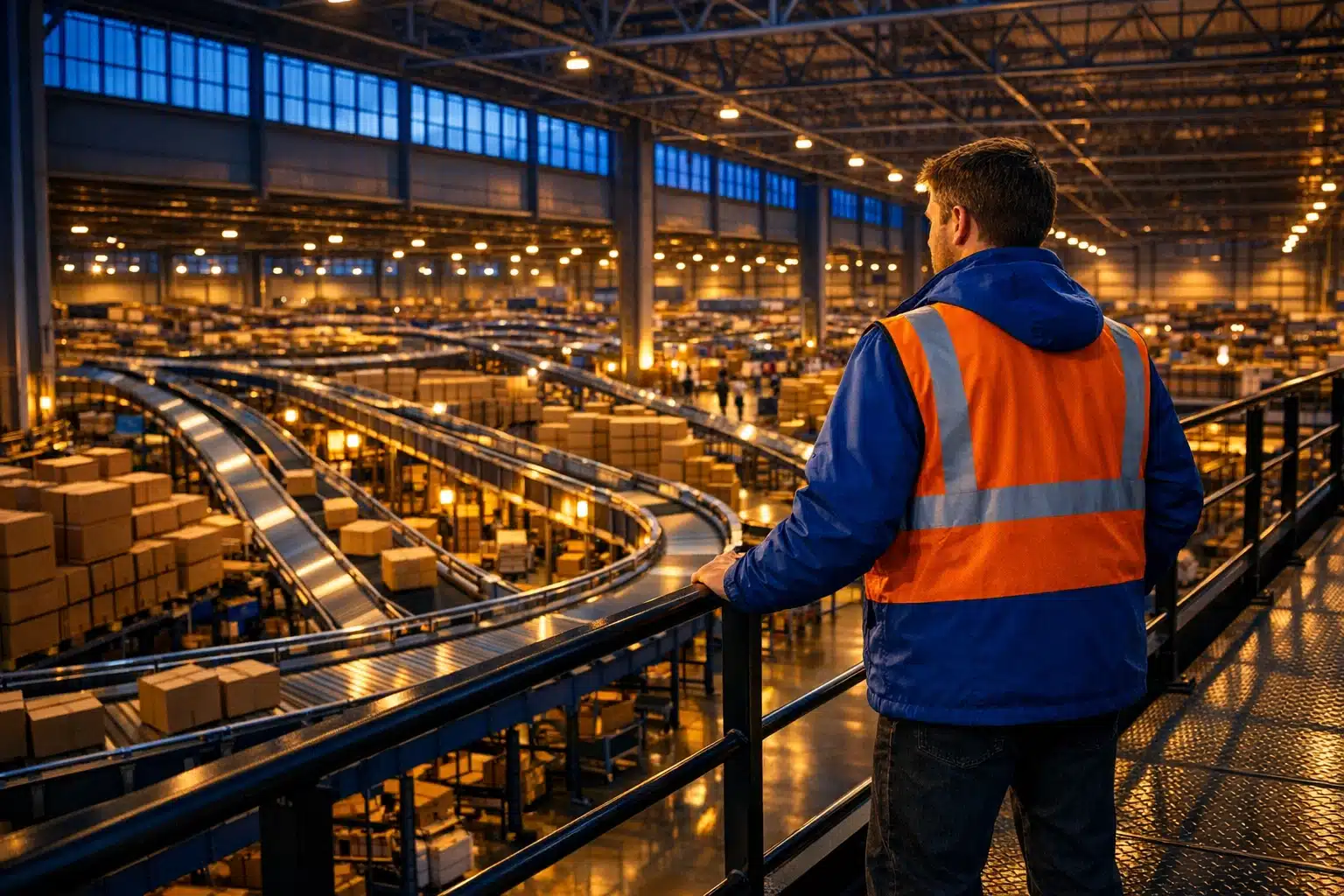
A typical shift often begins with a team briefing. Supervisors may explain the day’s order volume, any delayed deliveries, safety reminders, or special priorities. Then the rhythm begins. Pallet jacks start rolling, scanners beep in short bursts, conveyor belts hum, and workers spread through aisles that can feel as neat as a library or as busy as a train station at rush hour. Your tasks may include:
– receiving goods and checking quantities
– scanning barcodes into the stock system
– order picking by item, location, or batch number
– packing goods securely for shipping
– labeling cartons and pallets
– counting stock during cycle checks
– keeping the work area clean and hazard-free
Different warehouse types create very different working conditions. In e-commerce fulfillment, speed and accuracy are critical because individual customer orders must be processed quickly. In food logistics, temperature control matters, and some zones may be chilled or frozen. In manufacturing warehouses, the work may involve components, spare parts, or timed supply for production lines. In pharmaceutical or medical settings, traceability and compliance rules can be stricter than in standard retail operations. A candidate who enjoys repetition and clear routines may thrive in a picking role, while someone more comfortable with varied movement and physical handling may prefer inbound or loading tasks.
The job is also more technical than some people expect. Many warehouses use warehouse management systems, scanning devices, voice-picking tools, and digital stock records. You do not need to be a software engineer, but you do need to be comfortable following digital instructions. Attention to detail matters because a single wrong item, incorrect label, or missed scan can affect inventory accuracy, customer delivery times, and return costs.
Physically, the role can be demanding. You may walk many kilometers in a shift, lift boxes repeatedly, stand for long periods, or work around moving equipment such as forklifts and reach trucks. Good employers provide training, protective gear where needed, and clear processes for safe lifting and reporting hazards. In short, the job is not glamorous, but it is essential. Every correctly packed order is a quiet success, and in logistics, quiet success is what keeps the whole machine running.
Requirements, Documents, and Skills You May Need Before Starting
Before applying, it helps to separate two questions: can you legally work in the Netherlands, and are you practically prepared for the job? These are related, but they are not the same. A candidate may be physically fit and motivated yet still be delayed by missing paperwork. Another may have the right to work but struggle because they underestimate the language, transport, or housing side of the move.
Your legal route depends largely on nationality. Citizens of EU and EEA countries and Swiss nationals generally have far fewer barriers when taking employment in the Netherlands than non-EU nationals. Many non-EU applicants need a valid residence status and work authorization linked to the type of employment they will perform. Because immigration rules can change, it is wise to check official Dutch government sources or the Immigration and Naturalisation Service before making plans. Warehouse employers and staffing agencies may ask early in the process whether you already hold the right to work.
Beyond immigration status, several practical items matter:
– a valid passport or national identity document
– a BSN, which is the Dutch citizen service number used for work and administration
– Dutch health insurance when required under local rules
– a bank account for salary payments
– proof of address or registration with the municipality when applicable
– a CV that shows relevant work history, even if brief
– safety shoes or other protective gear, depending on the employer
Language requirements vary. Some warehouses operate mainly in Dutch, while others use English on the floor because teams are international. Even when English is accepted, learning basic Dutch phrases can help with signs, instructions, and day-to-day integration. A few words can also change the social atmosphere. “Goedemorgen” may be a small greeting, but it often opens a larger door.
Formal qualifications are not always required for entry-level roles, but certain certificates can improve your options. A forklift or reach truck certificate can make you more employable in some settings. Experience with scanners, stock systems, or dispatch work can also help. Employers often value reliability above all: arriving on time, following procedure, and working steadily without cutting corners. If you are applying through an agency, ask clear questions about housing, transport, wages, deductions, overtime, and the exact nature of the job. If you are applying directly to a company, check whether the position is temporary, seasonal, or intended to lead to a longer contract. Good preparation does not eliminate every surprise, but it reduces the avoidable ones.
Pay, Contracts, Working Hours, and Your Rights on the Job
One of the biggest questions for job seekers is simple: what will I earn, and under what conditions? The answer depends on several factors, including age, shift pattern, employer type, experience, and whether you work directly for a company or through a staffing agency. The Netherlands has statutory minimum wage rules, and these are updated periodically, so it is important to check the current official rate rather than rely on outdated forum posts or advertisements shared online. In warehouse work, actual pay may sit at or above the legal minimum depending on the role and the collective labor agreement that applies.
Many warehouse assistants begin through temporary work agencies. This is common in logistics because companies need flexibility during peak periods, especially in e-commerce, food distribution, and seasonal retail. Agency work can be a faster way to enter the market, but it requires attention to detail. Ask for a written contract and read it closely. Important points include:
– hourly wage and when salary is paid
– shift allowances for evenings, nights, or weekends
– overtime rules
– holiday allowance, which is commonly paid separately and is often 8 percent of gross salary
– vacation days
– travel reimbursement, if any
– housing or transport deductions, if arranged by the agency
– notice periods and what happens if work volume drops
Direct contracts with employers may offer more predictability, though they can take longer to secure. In both agency and direct roles, workers in the Netherlands are protected by labor law and often by sector agreements known as CAOs. These agreements may set standards for wages, supplements, working hours, rest periods, pension arrangements, and other conditions. A warehouse employee should not feel embarrassed about asking which CAO applies. That single question can reveal a lot about how transparent the employer is.
Working hours are often organized in shifts. Early, late, and night schedules are common, particularly in larger logistics centers. Some people appreciate shift work because allowances can increase income, while others find it hard on sleep, family life, or commuting. Be realistic about your own rhythm. A higher hourly rate loses some shine if you are permanently exhausted.
You also have rights related to safety, illness, and fair treatment. Employers must provide a safe working environment, training for relevant tasks, and appropriate equipment. If you are sick, there are rules governing sick leave and pay continuation, though the exact arrangement can vary by contract and CAO. You should never be pressured to ignore unsafe conditions, hide an injury, or work without proper instruction on equipment. In a warehouse, productivity matters, but safety is not optional decoration. It is part of the job itself.
How to Find a Good Warehouse Job, Settle In, and Build a Strong Start
Finding a warehouse job in the Netherlands is often easier when you treat the search as a practical project rather than a hopeful scroll through random listings. Start by deciding what matters most to you: immediate placement, predictable hours, higher pay through shifts, location near affordable housing, or a chance to move into a longer-term contract. Once you know your priorities, comparing offers becomes much easier.
There are two main routes into this work. The first is through staffing agencies, which are very active in Dutch logistics. Agencies may help with faster placement and sometimes offer housing or transport arrangements, which can be useful for newcomers. The second route is applying directly to companies, including distribution centers, retailers, manufacturers, food suppliers, and third-party logistics firms. Direct applications may take more effort, but they can sometimes provide clearer career paths and stronger integration into the company team. Neither route is automatically better; the better choice depends on your situation, documentation, and tolerance for flexibility.
When applying, keep your CV clear and honest. Emphasize reliability, physical stamina, shift availability, safety awareness, and any past work involving stock, packing, loading, production, or retail backroom tasks. In interviews, be ready for practical questions rather than abstract ones. Employers may ask whether you can work cold shifts, lift regularly, travel early in the morning, or follow productivity targets. A simple, direct answer is usually better than polished overstatement.
Settling in also matters. Housing is a major challenge in parts of the Netherlands, especially near large cities and logistics hubs. If accommodation is offered through an agency, ask for the location, weekly cost, room type, transport time, and what happens if your assignment ends. For transport, many workers rely on bicycles, shared cars, company buses, or trains, depending on the warehouse location. Weather can turn a short ride into a test of character, so waterproof clothing is not a luxury. It is strategy.
For readers seriously considering this path, the final advice is simple. Warehouse work in the Netherlands can be a solid option if you enter with clear expectations, legal readiness, and a willingness to work carefully in a structured environment. It is not a shortcut to instant comfort, yet it can be a meaningful first step toward income, local experience, and broader opportunities in logistics. If you compare offers closely, ask smart questions, and protect your rights from the beginning, you give yourself a much better chance of building not just a job, but a steady foundation in a new country.