2 Night All Inclusive Bournemouth Beach Resort
Bournemouth remains one of the most practical seaside escapes in southern England because it combines broad sandy beaches, walkable central districts, and a varied hotel scene that stretches from grand older properties to polished spa-led stays. For travellers eyeing a two-night all-inclusive break, the attraction is clear: fewer decisions, tidier budgeting, and more time spent near the sea. The catch is that one package can look very different from the next, so understanding the small details matters before you book.
Article outline:
1. What a two-night all-inclusive stay in Bournemouth usually means.
2. How beachfront hotels, spa properties, and family-focused resorts compare.
3. Which dining and drinks packages offer the best practical value.
4. Why location can shape the entire feel of a short beach break.
5. Who this type of stay suits best, and how to choose with confidence.
What “All Inclusive” Usually Means in Bournemouth
A two-night all-inclusive stay in Bournemouth sounds simple, but in the UK seaside market the phrase often needs a closer look. Unlike the classic Mediterranean model, where meals, drinks, entertainment, and poolside snacks may run almost continuously, Bournemouth properties usually offer a more tailored version. In many cases, the package includes accommodation, breakfast, dinner, and access to selected facilities such as a pool, spa area, or fitness room. Some properties may add a welcome drink, afternoon tea, limited bar service, or bundled entertainment, while others use “all inclusive” more loosely to describe a short break with meals attached. That difference matters, especially if you are trying to compare value rather than simply scanning the headline rate.
The appeal of a two-night format is easy to understand. Bournemouth is well suited to short stays because the town is accessible, the seafront is a major draw year-round, and many attractions are close together. Trains from London often take around two hours, which means a Friday evening arrival or a midweek check-in can still leave enough time to enjoy the beach, the gardens, and a relaxed meal without feeling hurried. Bournemouth also benefits from a long stretch of sandy shoreline, with the wider bay area connecting scenic coastal spots that give a brief trip more room to breathe.
When comparing packages, the main question is not whether “all inclusive” is offered, but what kind of convenience it actually buys. A well-priced stay can make sense when it removes the need to hunt for breakfast each morning, reserve dinner elsewhere, or budget separately for spa access. At the same time, a room-only booking in a prime location may work better if you prefer eating independently or spending most of the day exploring. To judge the difference clearly, look for practical inclusions rather than vague language. Useful checks include:
– how many meals are covered
– whether drinks are included and during which hours
– whether spa access is unlimited or timed
– if parking, Wi-Fi, or late checkout are part of the rate
– whether children’s meals or family entertainment are bundled in
In short, Bournemouth can offer a very satisfying all-inclusive mini break, but only when the package matches your expectations. The best value comes from clarity, not from the label alone.
Comparing Resort Styles: Beachfront Charm, Spa Comfort, and Family Practicality
One of Bournemouth’s strengths is variety. A “beach resort” here may not resemble a sprawling overseas complex with multiple towers and endless dining stations. More often, it refers to a full-service hotel near the seafront, sometimes in a historic building, with on-site dining, leisure facilities, and quick access to the promenade. That distinction is important, because different travellers imagine different things when they hear the word resort. In Bournemouth, style, setting, and atmosphere usually matter more than scale.
Beachfront or clifftop properties tend to appeal to couples and short-break travellers who want sea views, an easy walk to the sand, and a classic coastal mood. Step outside, and the air often feels salt-clean and bright; even on a cool morning, the promenade has a way of making breakfast seem like part of the holiday rather than a pause before it. These hotels may offer lounges, terraces, or dining rooms with views, which can add genuine value during a short stay. However, some older seaside buildings have smaller lifts, more compact bathrooms, or room layouts shaped by architecture rather than modern uniformity. A sea-facing room can lift the experience considerably, but it may also raise the rate enough to change the value calculation.
Spa-oriented properties, by contrast, often focus on indoor comfort. For travellers who want a restorative weekend, a heated pool, treatment rooms, sauna access, and quieter communal spaces may matter more than direct beach frontage. This is especially relevant outside peak summer, when Bournemouth still has appeal but the weather may push guests toward indoor leisure. A spa-inclusive package can make a short trip feel surprisingly complete, because the resort itself becomes part of the destination rather than merely a place to sleep.
Family-friendly hotels usually work best when they combine practical room layouts with easy meal service and uncomplicated access to the beach. Parents may value:
– family rooms or adjoining rooms
– child-friendly dining times
– indoor pools for unpredictable weather
– nearby parking
– straightforward walking routes to the seafront
The key comparison, then, is not luxury versus budget in a simple sense. It is experience versus convenience. A stylish clifftop stay may feel memorable, a spa hotel may feel indulgent, and a family-focused property may simply make the weekend run smoothly. The right choice depends on whether you want scenic atmosphere, wellness-led comfort, or logistical ease.
Food, Drinks, and Package Value: Where an All-Inclusive Stay Earns Its Price
Food often determines whether a two-night all-inclusive break feels effortless or underwhelming. In Bournemouth, dining packages can vary from generous half-board arrangements to more structured offers with selected drinks and fixed service windows. This is why a smart booking decision requires more than checking whether meals are included. The real issue is quality, timing, and flexibility. On a short stay, badly timed or uninspiring dining can flatten the mood of the trip, while a strong restaurant offering can make the entire break feel polished and easy.
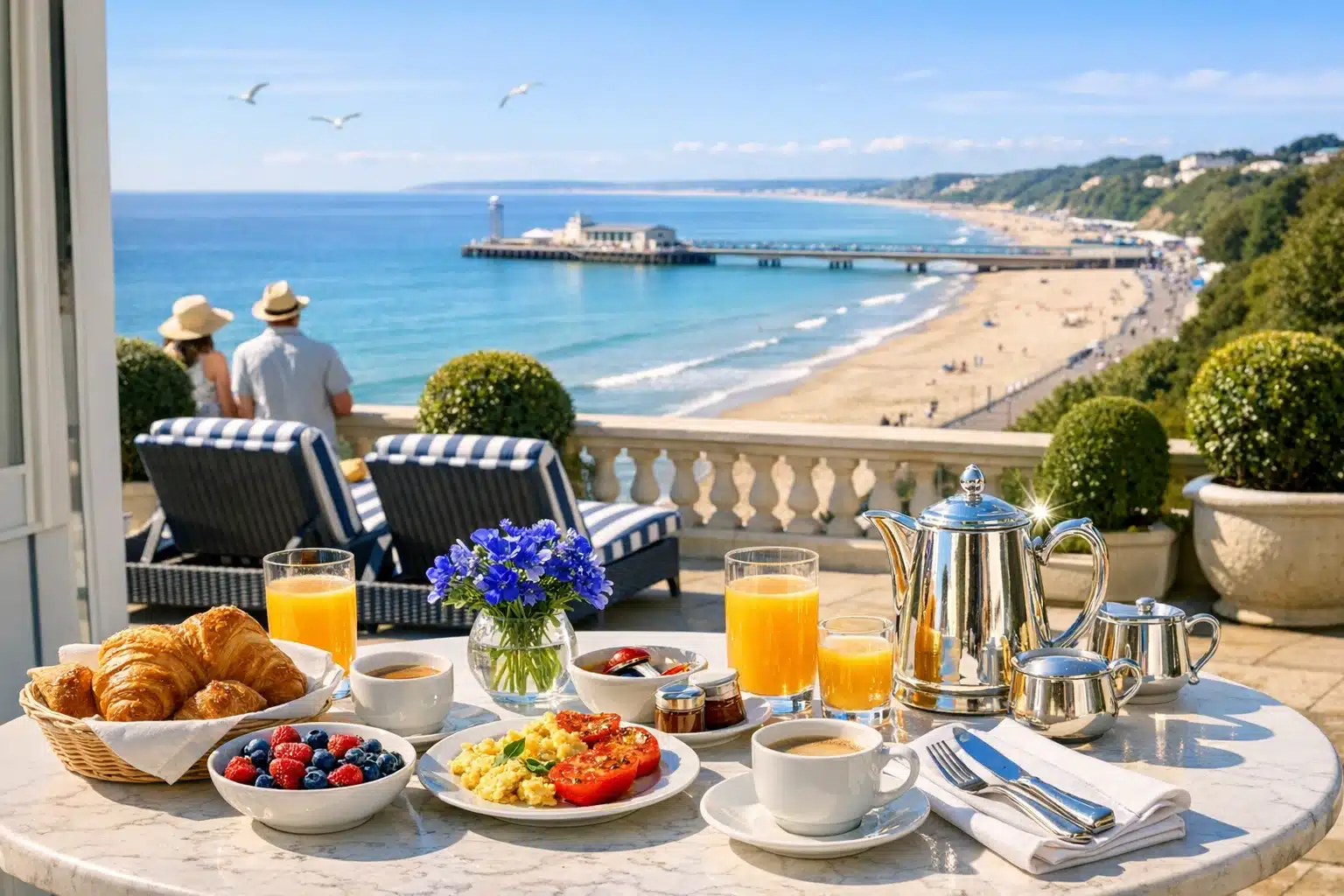
Breakfast is usually the most reliable part of the package. Many properties provide a buffet or a broad cooked breakfast menu, often paired with continental items, tea, coffee, fruit, and pastries. For a beach destination, that matters more than it might in a city break. A substantial breakfast supports a long walk on the promenade, a morning by the sea, or a late start after a quiet evening in the bar. Dinner is where packages start to separate themselves. Some hotels include a fixed menu or table d’hôte arrangement, which can work well if the food is prepared thoughtfully and the choices rotate. Others rely on buffet service, which suits families and larger groups but may feel less special for couples looking for a romantic short break.
Drinks are even more variable. In the Bournemouth market, “all inclusive” does not always mean unlimited branded alcoholic drinks throughout the day. It may mean house wine with dinner, a limited bar period, or selected beverages only. This is not necessarily a drawback, but it should be transparent. If a resort’s package includes afternoon tea, coffee service in the lounge, and a couple of drinks in the evening, that may still represent solid value for guests who are not looking for a heavy-drinking holiday. What matters is alignment between expectation and reality.
When assessing whether the package earns its price, ask a few grounded questions:
– Are meals substantial enough to reduce spending elsewhere?
– Do dietary needs receive proper attention?
– Is the dining room part of the resort atmosphere, or just functional?
– Are children, solo travellers, and couples all catered for sensibly?
– Does the package include anything memorable, such as sea-view dining or local produce?
Bournemouth’s better properties often gain an edge not through extravagance, but through smooth delivery. A good breakfast, a competent dinner, and a comfortable drink in the evening can turn a brief stay into a genuinely restful break. When those pieces line up, the package feels less like a bundle and more like a weekend that has already been thoughtfully arranged.
Location Matters: Beach Access, Walkability, and Making the Most of Two Nights
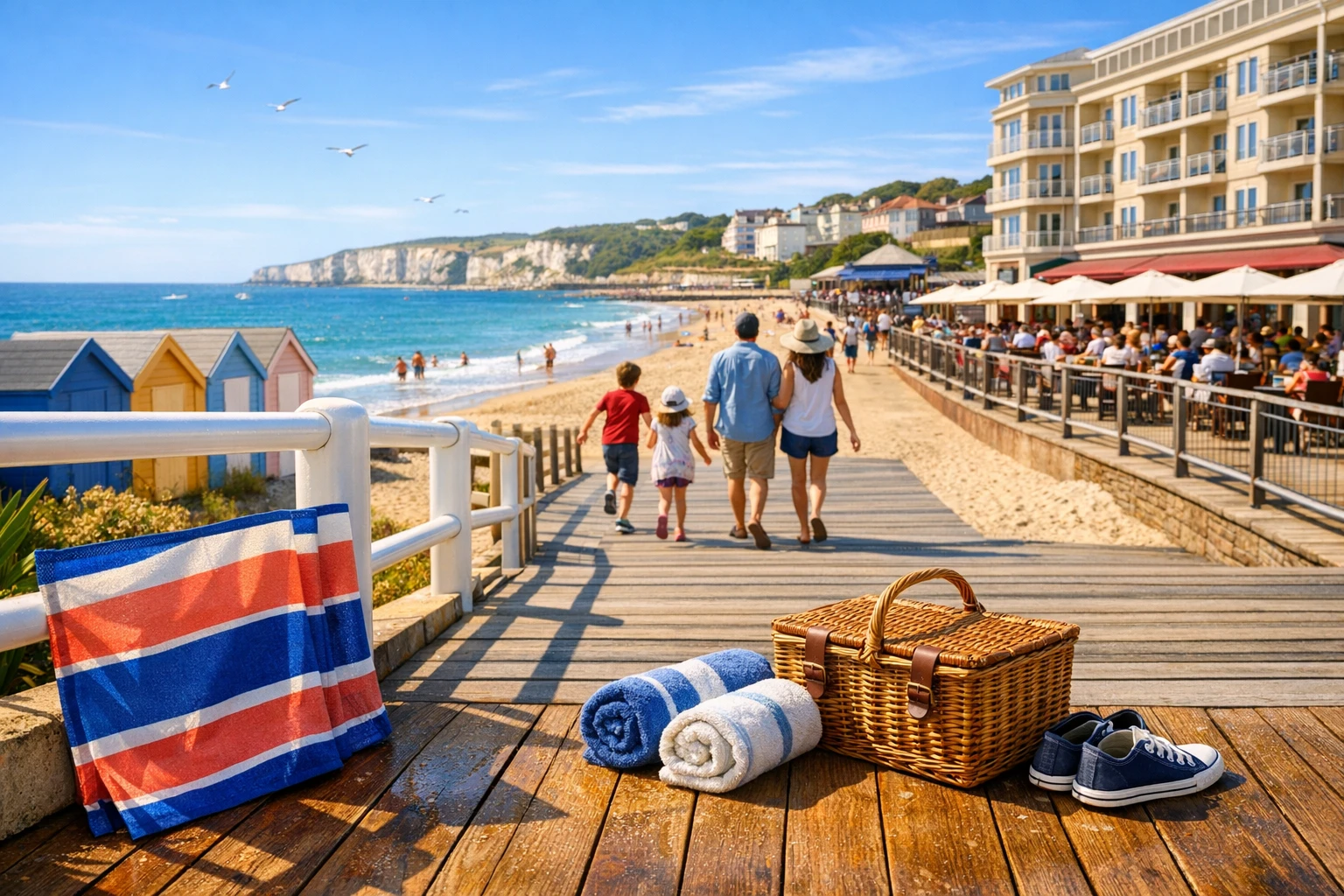
For a two-night stay, location can influence the entire rhythm of the trip more than room size or even meal plans. Bournemouth is not enormous, but its layout still changes the guest experience in noticeable ways. A property near the central beach and pier gives immediate access to the classic postcard version of the town: sweeping sand, busy promenades, amusements, cafés, and easy links to the Lower Gardens and central shopping streets. This works well for travellers who want energy, convenience, and the option to step out without planning much at all. You can arrive, drop your bag, and within minutes hear gulls overhead and see the water catching the light beyond the cliff.
West Cliff and East Cliff areas often offer a slightly different tone. Depending on the exact property, they can feel more residential, more scenic, or a touch calmer, especially once the busiest daytime crowds ease off. Clifftop locations may reward guests with attractive views, but they also raise a practical point: beach access. Some hotels are within easy walking distance of lifts, zig-zag paths, or direct routes to the promenade, while others look close on a map but involve steeper climbs. That matters for families with buggies, older travellers, or anyone carrying beach gear after a long day outdoors.
A short break becomes richer when the surrounding area offers more than sand alone. Bournemouth does well here. Beyond the beach itself, visitors can explore the pier, the Lower Gardens, the Russell-Cotes Art Gallery and Museum, seafront cafés, and seasonal events that add life to the town. Boscombe offers another side of the coast, often with a more laid-back atmosphere and a different seafront feel. If you want a slightly broader outing, nearby areas such as Poole can be reached without turning the trip into a transport puzzle. That flexibility matters on a two-night itinerary, where too much travel can eat into the pleasure of the stay.
A useful way to think about location is to match it with your ideal pace:
– Choose central if you want everything close and lively.
– Choose a clifftop or spa-led setting if you prefer a quieter, self-contained mood.
– Choose a family-oriented base with easy parking and flat routes if convenience comes first.
– Choose a scenic edge-of-town option if you value views and do not mind a little extra walking.
On a short coastal escape, time feels oddly precious. A better-located resort gives some of it back. Fewer transport decisions, quicker returns to the room, and simpler access to the beach can make the whole stay feel longer than it really is.
Conclusion for Travellers: Who Should Book a Two-Night All-Inclusive Bournemouth Break?
A two-night all-inclusive stay in Bournemouth is best understood as a convenience-led seaside package rather than a one-size-fits-all holiday formula. For the right traveller, it can be excellent. Couples often benefit when they want a compact escape with minimal planning, especially if the property offers sea views, a comfortable bar, and a decent dinner included in the rate. Parents with younger children may also find real value in the format, because pre-arranged meals, an indoor pool, and easy beach access can reduce the number of small decisions that usually fill family travel days. Friends celebrating a birthday or a low-key reunion may appreciate a package that keeps spending predictable while leaving enough freedom for a walk on the promenade or an evening drink.
Solo travellers can enjoy this setup too, though the value depends on personality and travel style. If you like a calm base, structured meals, and a bit of spa time, the model can work beautifully. If, however, you prefer sampling independent restaurants, exploring far beyond the hotel, or filling each day with activities, a room-only or breakfast-only booking may offer greater flexibility. The same logic applies to experienced travellers who dislike fixed meal times. Bournemouth has plenty of places to eat, so all-inclusive should be chosen for ease, not simply because it sounds more complete.
Before booking, focus on a short decision framework:
– Check exactly what the package covers.
– Compare the location against your real habits, not your idealised ones.
– Decide whether the hotel itself is part of the holiday or just a base.
– Look at parking, accessibility, and cancellation terms.
– Weigh weekend rates against midweek value, which can sometimes be noticeably better.
The strongest reason to choose this kind of break is not extravagance. It is simplicity. Bournemouth works well for short stays because the beach is central to the experience, the town is easy to navigate, and the best properties can combine comfort with coastline in a way that feels instantly restorative. If you want two nights that balance fresh sea air, practical inclusions, and a welcome pause from routine, an all-inclusive Bournemouth beach resort can be a very sensible choice. Pick carefully, read the package details with a cool head, and the weekend can feel less like a rushed getaway and more like a clean reset by the water.