3-Night Cruises From Glasgow (Greenock): What to Know Before You Book
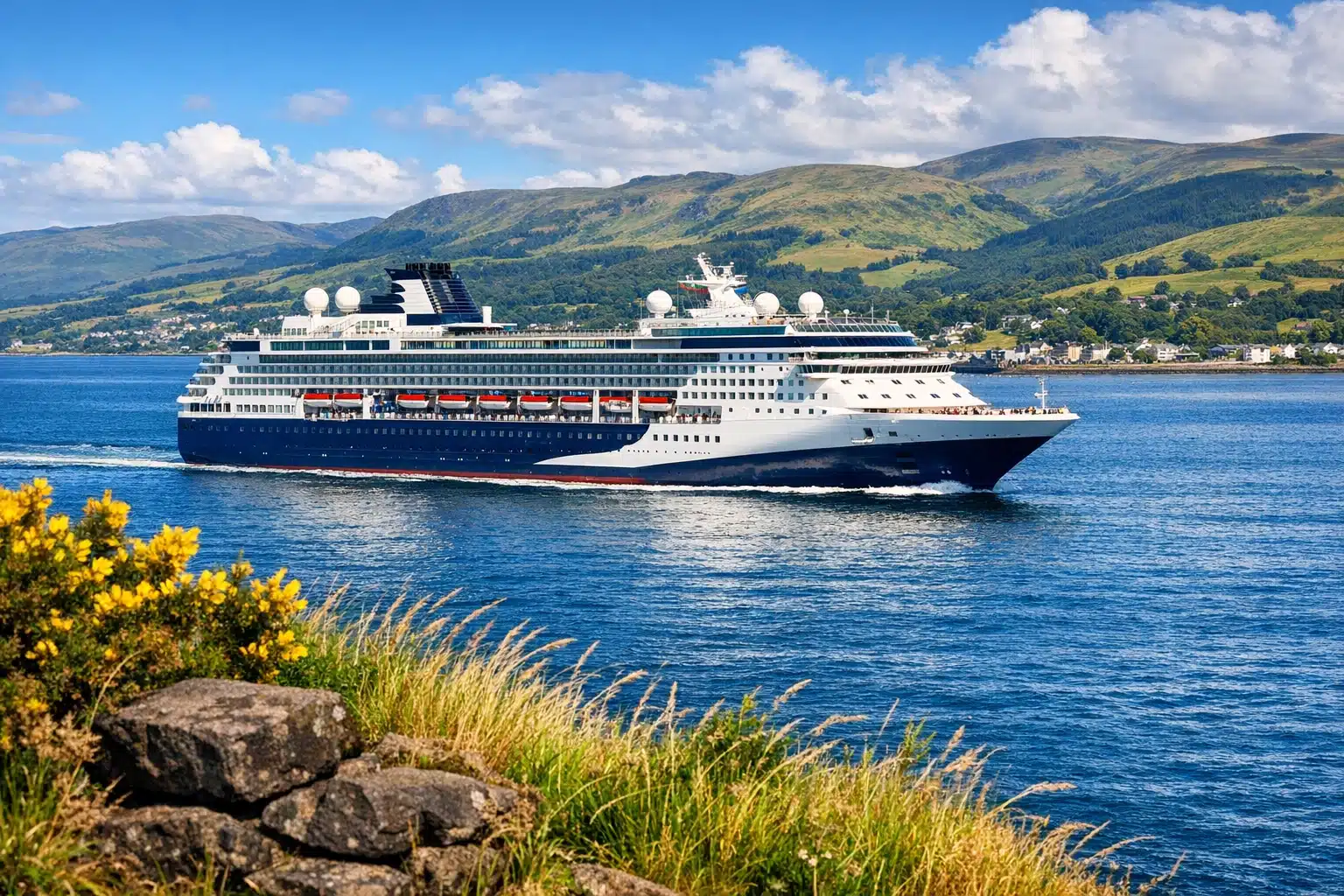
Short cruises from Greenock offer a tempting mix of convenience and escape: you can leave the Glasgow area after breakfast and be watching the Clyde widen into open water by afternoon. That apparent simplicity is exactly why these sailings deserve a closer look before you commit. A three-night trip moves fast, so itinerary shape, boarding logistics, cabin value, and onboard spending matter more than they do on a week-long voyage. Knowing those details early makes a brief break feel polished instead of rushed.
This guide is arranged as a practical outline for travellers who want the essentials before booking, not after the confirmation email lands.
- How a 3-night cruise differs from a longer holiday
- What routes from Greenock often look like and how to compare them
- How to reach the port and handle embarkation day smoothly
- What your fare may include, and what can increase the final bill
- How weather, packing, and traveller type affect overall value
Why a 3-Night Cruise From Greenock Feels Different From a Longer Sailing
A three-night cruise is often sold as an easy escape, and in one sense that is true. Greenock sits roughly 25 miles west of Glasgow on the River Clyde, which makes it a practical departure point for travellers living in central Scotland or arriving through Glasgow’s transport network. You do not need a week off work, a giant suitcase, or months of planning to step onboard. That convenience is the format’s biggest strength. It is also the reason expectations need adjusting, because a mini cruise is not simply a shorter version of a long voyage. It behaves differently.
On a seven-night itinerary, passengers usually have time to settle in, learn the ship, sample several restaurants, and recover from any minor booking mistake. On a three-night trip, the calendar is compressed. The first day includes travel to the terminal, security, check-in, cabin access, safety briefing, and departure. The final morning is largely devoted to breakfast, disembarkation, and the journey home. In practical terms, that leaves a surprisingly small window for pure leisure. If one evening is affected by rough weather, a delayed sailing, or a restaurant reservation you did not really want, you feel it more sharply because a third of the holiday has already gone by.
This is why short-cruise buyers should focus on a different set of priorities than long-cruise buyers. Instead of asking only, “Is the ship attractive?” ask questions such as:
- Does the itinerary include a port I genuinely want to visit?
- Will I spend enough time onboard to justify a balcony or premium cabin?
- How simple is it for me to reach Greenock without stress?
- Are drinks, gratuities, or specialty dining likely to inflate the budget?
- Do I want lively nightlife, or would I rather have a quiet, restorative break?
Another important distinction is pace. These sailings are often chosen by first-time cruisers, couples wanting a spontaneous break, groups celebrating birthdays, and experienced passengers who enjoy a quick change of scene between larger trips. That mixed audience can create a fun atmosphere, but it also means the ship may feel more socially energetic than a longer voyage. The mood can be part weekend city break, part floating hotel, part coastal journey. One moment you are sipping coffee under a grey Scottish sky; the next, a band is warming up for the evening and the whole vessel feels like it has decided to dress for dinner.
Book with that character in mind. A 3-night cruise from Greenock works best when you see it as a compact experience with selective pleasures: a few good meals, a dose of sea air, perhaps one interesting port, and a chance to disconnect without disappearing for a week. Expecting that measured rhythm usually leads to better choices and, just as importantly, fewer disappointments.
Typical Itineraries From Greenock and How to Compare Them Sensibly
The first thing many travellers notice is that “3-night cruise from Glasgow” is really shorthand. The ship departs from Greenock, and the route itself can vary significantly by season, operator, and vessel size. Some sailings are built around one featured port. Others lean into the onboard experience and include more sea time. A few function almost like sampler trips, giving new cruisers a chance to test ship life before booking a longer holiday. Understanding those differences is essential, because the itinerary determines whether the trip feels relaxing, busy, scenic, or slightly too brief.
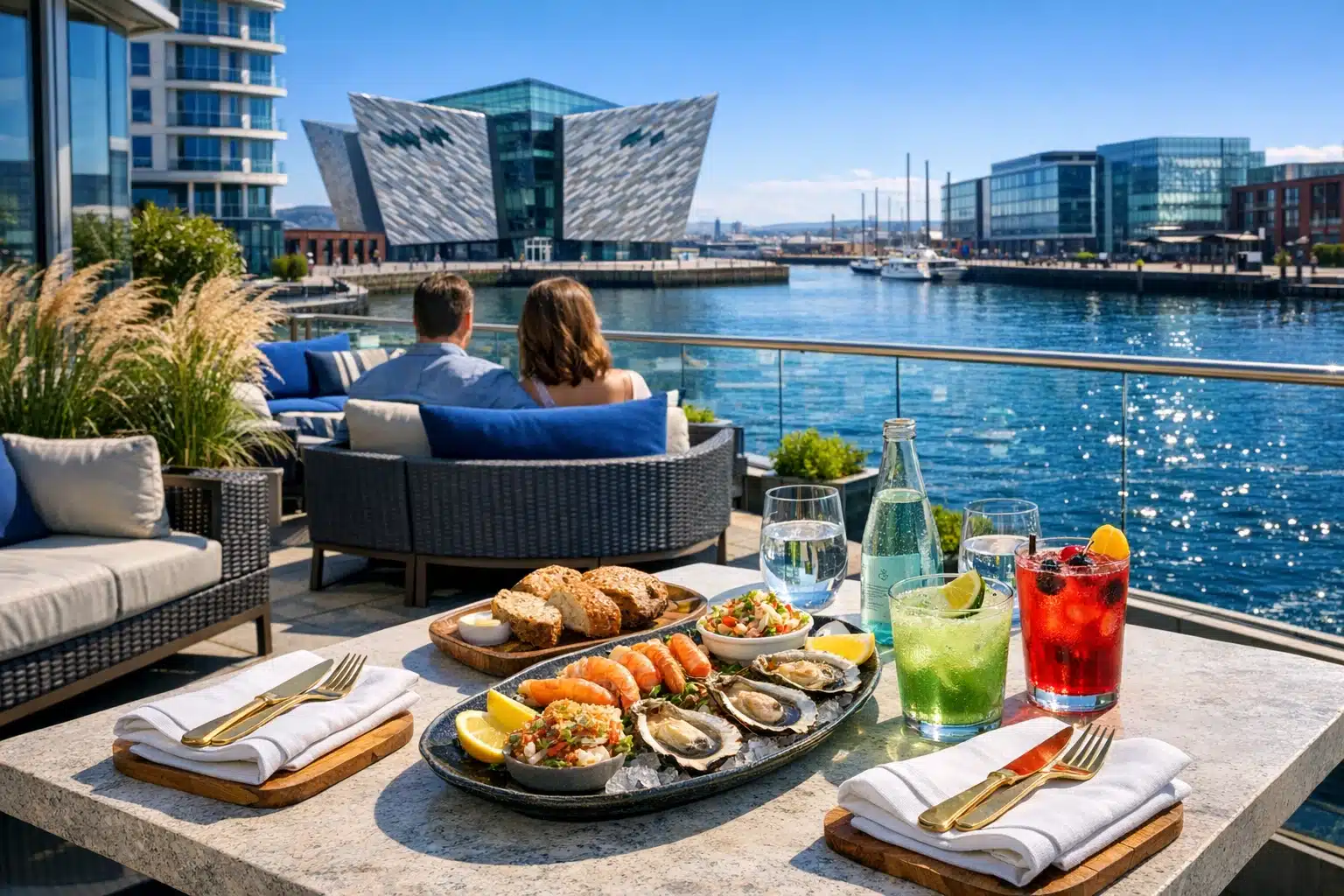
Possible calls on short cruises from Greenock can include nearby British and Irish destinations such as Belfast, Liverpool, Dublin, or another regional port, although exact schedules change and should always be checked on the cruise line’s official booking page. There are also sailings where the destination matters less than the motion of the journey itself: dinner at sea, entertainment at night, a slow arrival into port the next morning, and a return along the Clyde after a final evening onboard. For some travellers, that is perfect. For others, it creates a nagging feeling that they spent more time deciding what dessert to order than exploring somewhere new.
When comparing routes, it helps to think in terms of structure rather than brochure language. Ask whether the cruise is:
- Port-focused, with one meaningful stop and limited sea time
- Ship-focused, where the vessel is the main attraction
- Scenic, with value coming from the sailaway and coastal views
- Social, with entertainment and bars doing much of the heavy lifting
Timing matters as much as destination. A port call that begins late in the morning and ends by late afternoon offers a very different experience from a longer visit with evening departure. On a three-night schedule, you may have only a few usable hours ashore once disembarkation, local transport, and all-aboard deadlines are considered. That does not make the stop unworthy; it simply means expectations should be realistic. If your dream is a deep cultural visit with museums, multiple neighbourhoods, and a slow lunch, a short cruise stop may feel like reading only the first chapter of a good book.
Weather is another variable, particularly around Scotland and the Irish Sea. Conditions can affect outdoor deck time, visibility, and overall comfort. Summer generally brings milder temperatures, but wind and rain remain possible in any month. Spring and autumn can be atmospheric and beautiful, though cooler. If scenic sailing is a big part of the appeal, check seasonal daylight hours too. Long northern evenings can make departure and return especially memorable, while darker months shift more of the experience indoors.
The strongest comparison method is simple: choose the itinerary that matches the holiday you actually want, not the one whose headline sounds most glamorous. A short route with convenient timing and a port you truly care about will usually outperform a more ambitious schedule that leaves you overcommitted and under-rested.
Getting to Greenock, Boarding the Ship, and Avoiding Embarkation-Day Stress
Because these sailings are marketed as cruises from Glasgow, some travellers assume the port is in the city itself. In reality, embarkation takes place in Greenock, most commonly at Greenock Ocean Terminal. That detail is easy to manage, but it deserves attention, because arrival-day friction can drain energy from a very short holiday. On a week-long cruise, a slightly chaotic morning is annoying. On a three-night break, it can shape the mood of the entire trip.
From central Glasgow, Greenock is reachable by road in roughly 45 to 60 minutes in normal conditions, though traffic can add time. Rail is another practical option, with trains from Glasgow often taking around 40 to 50 minutes depending on route and station, followed by a short taxi ride or a walk that may feel longer than expected if you are managing luggage. Travellers arriving through Glasgow Airport can usually reach the port by car or taxi in well under an hour outside peak congestion. If you are flying in on the same day, caution is wise. A delay that would be manageable for a city hotel can become expensive when a ship has a firm departure time.
For that reason, many experienced cruisers use one of three strategies:
- Travel to the Glasgow area the day before and stay overnight
- Drive to Greenock with pre-booked parking if offered or arranged nearby
- Use rail or taxi from Glasgow while keeping a generous time buffer
Embarkation itself usually follows a set arrival window assigned by the cruise line. Online check-in is often required in advance, and passengers are commonly asked to upload travel documents, emergency contacts, and payment details before reaching the terminal. Bring the essentials in a day bag rather than burying them in checked luggage. That normally means your passport or accepted identification, boarding documents, medications, valuables, phone charger, and anything you may want before your suitcase reaches the cabin.
Document rules vary by operator and itinerary, so do not rely on assumptions. Even if the cruise remains within the British Isles, some lines still require a passport, while others may accept alternative photo identification for certain domestic routes. The correct answer is always the one published by your cruise line for your specific sailing. The same applies to mobility support, dietary needs, and medical equipment. Short cruises can have fast turnaround times, so advance notification matters.
It also helps to think about the first few onboard hours. Cabins may not be ready immediately, safety procedures usually take place before departure, and venues can become busy as everyone tries to do the same things at once. A little patience pays off here. If you board knowing that embarkation day is transitional rather than luxurious, you will handle the queues more calmly and start noticing the enjoyable details sooner: the first glimpse of open deck space, the sound of ropes releasing, and that satisfying moment when land begins to slide quietly away.
Fare Types, Cabin Choices, and the Real Cost of a Short Cruise
Mini cruises are often advertised with eye-catching lead-in fares, which is one reason they appeal to curious first-timers. Yet the headline price is only the starting point. To judge value properly, you need to separate what is included from what is optional, then decide which extras genuinely improve a very short trip. This is where many passengers overspend without noticing. They treat a three-night sailing like a bargain by default, even when added costs quietly push it beyond the price of a strong hotel break on land.
Most cruise fares include your cabin, main dining venues, core entertainment, and basic use of the ship’s public spaces. Beyond that, the picture varies. Drinks packages, specialty coffee, premium restaurants, spa treatments, Wi-Fi, shore excursions, parking, travel insurance, and gratuities or service charges may be additional. On some lines, gratuities are folded in; on others, they appear later in the booking path or onboard account. Always read the fare conditions carefully rather than assuming one operator prices the same way as another.
The most common cabin categories are inside, ocean-view, balcony, and suite. On a short sailing, each has a different logic:
- Inside cabins usually offer the lowest price and can make sense if you expect to spend most of your time in lounges, restaurants, and on deck.
- Ocean-view cabins give you daylight and a stronger sense of place without the jump in price that a balcony often brings.
- Balcony cabins can feel luxurious on scenic routes, especially during sailaway from the Clyde, but the premium only makes sense if you will actually use the space.
- Suites may deliver extra room and perks, though many travellers will not get full value from them on a three-night itinerary.
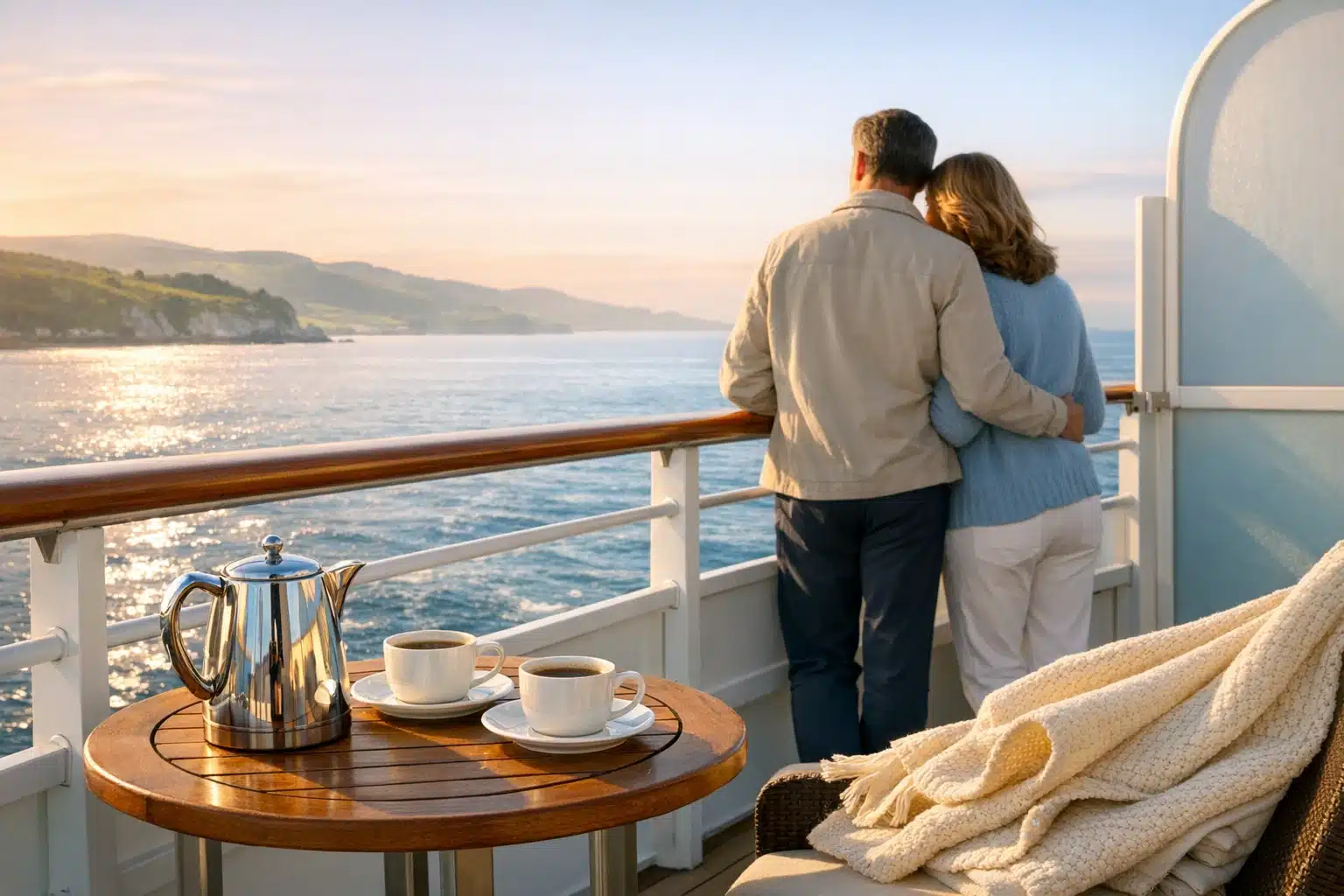
This is where honest self-knowledge matters. If your plan involves late dinners, live music, and sleeping soundly after midnight, paying heavily for a private outdoor area may be unnecessary. If, however, your ideal break includes coffee in a robe while the coast slips past in muted silver light, a balcony could be the one upgrade you remember fondly. Neither answer is more sophisticated; it simply depends on how you use time.
Watch for spending triggers that are easy to underestimate on short sailings:
- Drinks packages that cost more than you will realistically consume in three nights
- Specialty dining on multiple evenings when the included restaurants are already strong
- Excursions that leave too little independent time in port
- Roaming or Wi-Fi charges if you expect constant connectivity
- Last-minute transport and parking arranged without comparison
A useful comparison test is this: price the cruise as a complete door-to-door trip, not as a cabin fare. Add transport to Greenock, one or two likely extras, insurance, and anything you would reasonably spend onboard. Then compare that total with a land-based weekend in Glasgow, Edinburgh, Belfast, or another nearby city. If the cruise still wins on atmosphere, convenience, and enjoyment, you have probably found genuine value rather than a tempting but incomplete sticker price.
Weather, Packing, Traveller Fit, and Final Booking Advice
West of Scotland sailings have a personality of their own, and the weather helps write it. Even in summer, conditions can shift from bright and calm to windy and wet in a short span of time. Typical daytime temperatures around the Clyde and nearby waters may sit roughly in the low to high teens Celsius depending on month, but wind chill can make exposed decks feel cooler. That means packing for a three-night cruise is not about bringing more; it is about bringing smarter layers. A light waterproof jacket, comfortable walking shoes, a jumper or fleece, evening outfits that can be reworn with small changes, and any medicines you need immediately are more useful than an overloaded case stuffed with “just in case” clothing.
If you are prone to motion sensitivity, the short length of the voyage should not lead to complacency. Weather in the Irish Sea and surrounding waters can sometimes make movement noticeable, especially for first-time cruisers. Mid-ship cabins on lower or middle decks are often chosen by travellers who prefer greater stability, though no location eliminates motion entirely. Simple preparation helps: approved remedies, hydration, and a realistic attitude toward conditions. A ship in motion is not a design flaw; it is part of the experience.
These cruises tend to suit certain travellers especially well:
- First-time cruisers who want a low-commitment introduction
- Couples seeking a compact break without long-haul travel
- Friends celebrating an occasion with dining and entertainment built in
- Experienced cruise guests who enjoy a short reset between longer holidays
- Scottish or northern UK residents who value easy access to the port
They may be less ideal for people who want deep destination immersion, extensive time ashore, or a highly private retreat with minimal crowds. A three-night ship can be wonderfully relaxing, but it is still a shared environment with fixed schedules and a social rhythm. If your perfect break involves total flexibility, a cottage or boutique hotel may fit better. If you enjoy the idea of unpacking once, letting someone else handle dinner, and waking up somewhere new, the cruise format becomes far more persuasive.
The smartest final booking advice is straightforward. Choose the sailing for its overall fit, not for a flashy phrase or an unusually low starting fare. Confirm the departure port, check the transport plan, read the fare rules, verify identification requirements, and think honestly about how you spend money and downtime. On a short cruise, every decision is magnified because there is so little room for correction once the ship leaves Greenock.
For the right traveller, though, that compactness is exactly the charm. A 3-night cruise from Greenock can deliver sea air, changing views, comfortable routines, and a pleasing sense of escape without demanding a long holiday allowance. If you book with clear expectations, it can feel less like a rushed compromise and more like a well-timed pause from ordinary life.