3 Night Cruises From Newcastle: A Practical Guide
Introduction and Outline: Why a 3-Night Cruise From Newcastle Makes Sense
Short cruises from Newcastle appeal to travellers who want the feel of a proper holiday without using a full week of leave or dealing with airport routines. A three-night sailing can fit neatly into a long weekend, offer a taste of life at sea, and still keep planning manageable. For couples, friends, solo travellers, and curious first-time cruisers, it is one of the simplest ways to test whether cruising suits their pace and budget.
In practical terms, “from Newcastle” usually means departures from the Port of Tyne near North Shields, which serves the wider Newcastle area. That matters because the experience starts before you step on board. Compared with many airport-based breaks, a cruise departure can feel calmer: one check-in, luggage handed over early, and the oddly satisfying moment when the gangway becomes the front door to a few days of floating routine. You unpack once, settle into your cabin, and let the ship do the travelling.
A three-night itinerary is relevant because it sits in a sweet spot. It is longer than a simple overnight crossing and more relaxed than a rushed day trip, yet still short enough for people with limited time. It can work well for birthdays, anniversaries, a first cruise trial, or a winter escape when you want sea air and a change of scene without major planning.
This guide is organised around the questions most people actually ask before booking:
- What does a 3-night cruise from Newcastle usually include?
- Which destinations and route types are realistic on a short sailing?
- How much should you budget beyond the headline fare?
- Which cabin options offer the best value on a short break?
- Who is most likely to enjoy this style of trip, and how should they prepare?
The goal is not to sell a fantasy version of cruising. It is to help you understand what these short voyages do well, where the compromises sit, and how to choose a sailing that matches your expectations. Think of it as a harbour map before departure: not glamorous, perhaps, but very useful when you want smooth sailing rather than surprises.
What a 3-Night Cruise From Newcastle Usually Looks Like
Most 3-night cruises from Newcastle follow a simple rhythm. Day one is about arrival, check-in, safety procedures, and departure. Day two is often either a sea day or a partial sea day combined with a port call. Day three usually delivers the main destination experience, or on some itineraries a second onboard-focused stretch. Day four is generally disembarkation in the morning. Because the trip is short, time feels structured, and that is both the strength and the limitation of this kind of sailing.
The main advantage is efficiency. You board once, your room moves with you, and there is no need to repack between destinations. If you are travelling from northern England or southern Scotland, Newcastle can be a practical embarkation point because it may spare you a domestic flight or a long rail connection to a southern port. For many travellers, that convenience is a major part of the appeal. A short cruise is not only about where you go; it is also about how little friction there is in getting there.
On board, the experience is usually designed to feel complete even within a compressed schedule. You can expect some mix of restaurants, lounges, entertainment, bars, deck space, and organised activities. On a short sailing, people tend to use the ship differently than they would on a 10-night voyage. Rather than pacing themselves, they sample quickly. One evening may be for sailaway drinks, another for a theatre show or live music, and another for a late dinner after a port visit. The atmosphere can be lively because many passengers treat a mini cruise as a celebratory break.
That said, a short cruise requires realistic expectations:
- You may only get one meaningful port call.
- Weather can shape deck time, especially on North Sea routes.
- Embarkation and disembarkation take up a visible slice of the trip.
- Popular venues can feel busier because everyone is trying to make the most of limited time.
For first-timers, that does not make the experience worse; it simply makes it more concentrated. A three-night sailing is like watching a trailer for cruise life rather than the full film. You get the cabin, the dining rooms, the sea views, the gentle hum of the ship at night, and the odd pleasure of waking up somewhere else. What you do not get is much idle time. If your ideal break involves unstructured lounging for days, a longer itinerary may suit you better. If, however, you like a brisk pace and want your holiday to begin the moment you board, this format can be surprisingly satisfying.
Destinations and Itinerary Types: What You Might Actually Book
When people first search for 3-night cruises from Newcastle, they often imagine a menu of many destinations. In reality, short itineraries are usually shaped by geography, sailing time, port access, and seasonal scheduling. That does not make them boring; it simply means the range is narrower than on week-long cruises. Understanding the common patterns helps you book with clearer expectations.
One common type is the short North Sea city break. These itineraries may focus on a nearby mainland European port or a gateway port that connects passengers to a major city by coach or rail transfer. The destination is often only part of the story. The cruise itself is sold as a compact getaway: dinner on board, entertainment in the evening, a day ashore, and the pleasure of returning to the ship without changing hotels. For travellers who enjoy a blend of city energy and shipboard comfort, this format works well.
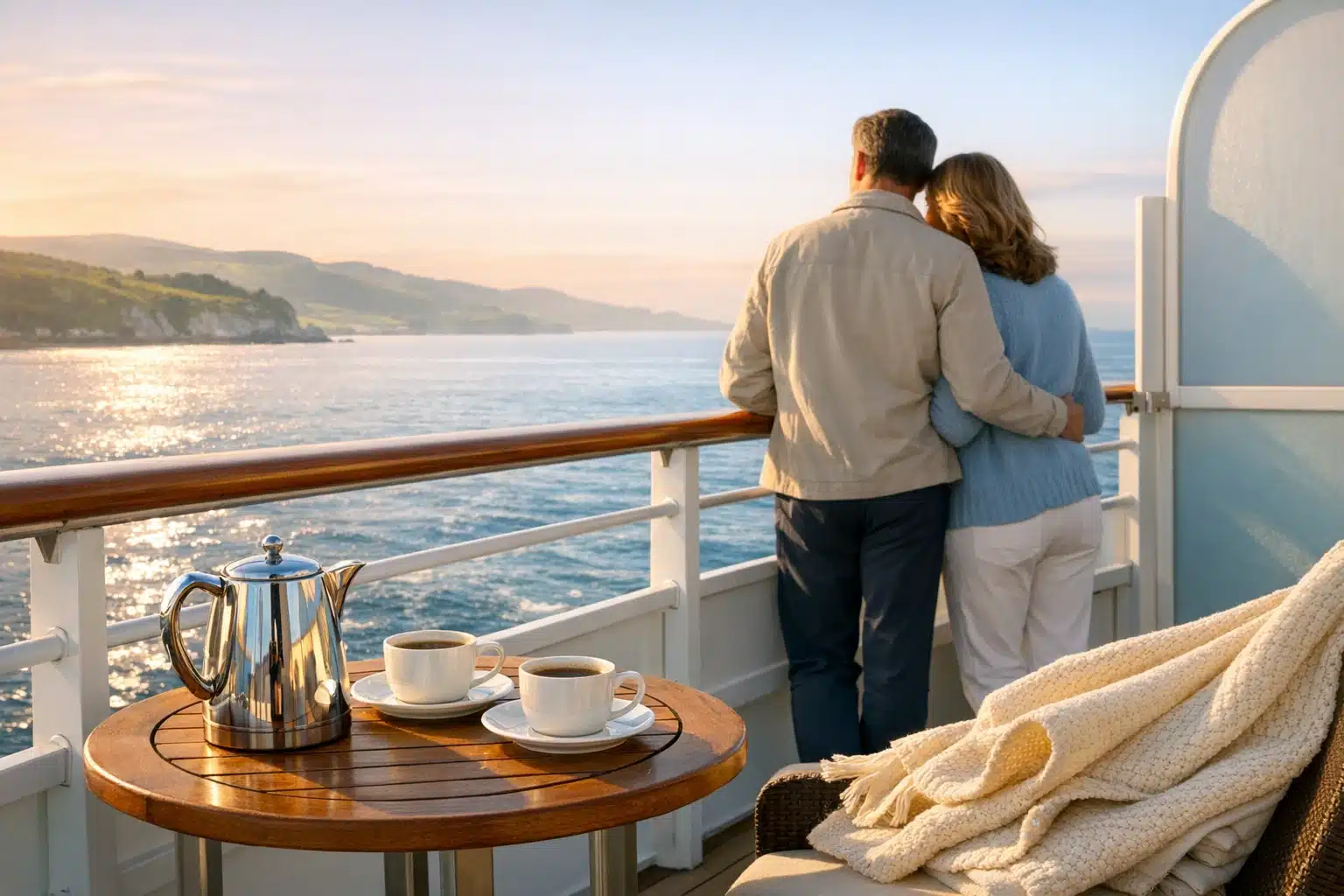
Another possibility is a scenic or sea-day-heavy mini cruise. These are less about ticking off a famous landmark and more about the onboard experience. That can suit passengers who mainly want rest, a change of atmosphere, or a trial run before committing to a longer voyage. The sea becomes part of the attraction. Grey water, low clouds, and a bright stripe of sunset over the horizon may not sound dramatic on paper, yet from an upper deck with a warm drink in hand, it can feel wonderfully cinematic.
You may also see occasional themed sailings or special-event departures. These can include seasonal entertainment, music-focused weekends, festive breaks, or short repositioning-style cruises. Availability varies a lot by year and operator, so flexibility helps. If you are open about dates and destination type, you may find options that would not appear if you only search for one exact route.
When comparing itineraries, look at these points rather than just the port name:
- How many usable hours do you actually get ashore?
- Is the arrival port close to the destination you want to see?
- Will you need to budget separately for transfers or excursions?
- Does the sailing include enough sea time for the onboard experience you want?
- Is the season likely to affect daylight, weather, or outdoor sightseeing?
Season matters more than many first-time bookers expect. Summer often brings longer daylight and easier walking conditions, while autumn and winter can deliver a cozier mood, festive markets, or rougher seas depending on the route. Spring can be a strong compromise, with improving weather and fewer school-holiday pressures in some weeks. If you care more about atmosphere than heat, Newcastle mini cruises can be especially appealing outside peak summer because the short format pairs well with cooler-weather city breaks and indoor ship life.
The most important takeaway is this: book the itinerary for what it truly offers, not for an imagined version of it. A three-night cruise is usually best when you value the complete package of departure port convenience, time at sea, and one well-chosen stop rather than a long checklist of attractions.
Costs, Cabins, and Value for Money on a Short Sailing
Price is often the deciding factor with a 3-night cruise, yet the advertised fare rarely tells the whole story. Short cruises can offer solid value, particularly when compared with a city break that includes hotel nights, meals out, transport, and entertainment. Still, the total budget depends on what is included and how you travel. A cheap headline fare can become less impressive once you add drinks, speciality dining, parking, excursions, travel insurance, and spending on board.
The first step is to separate essential costs from optional ones. Your base fare commonly covers the cabin, standard dining, and core entertainment. Beyond that, policies vary. Some passengers happily keep extras low by eating in included venues and treating the trip as a relaxed break. Others prefer to add premium dining, drinks packages, or spa time, which changes the budget quickly. Neither approach is wrong, but it helps to decide in advance which type of traveller you are.
Cabin choice matters too, though perhaps not in the way people expect. On a three-night voyage, you may spend less time in your room than on a longer cruise, especially if the sailing is port-focused. That often makes an inside cabin the value option. If you are sensitive to natural light, prone to feeling enclosed, or simply love watching the coastline slide by, an outside cabin or balcony can still be worth the upgrade. The trick is to match the cabin to your habits rather than to an idealised image of cruise life.
A simple way to think about cabin value is this:
- Inside cabin: usually best for price-conscious travellers who plan to stay busy on board.
- Ocean view cabin: a good middle ground if daylight matters to you.
- Balcony cabin: most appealing for couples or travellers who treat private sea views as part of the break itself.
Other budget items deserve attention before you book:
- Transport to the Port of Tyne, including fuel, parking, taxis, or rail fares
- Onboard internet, which may not be included
- Shore excursions or independent transport in port
- Service charges or gratuity policies, depending on operator
- Pre-cruise overnight stay if you want a less hurried embarkation day
Value for money depends on your goal. If you want to maximise destinations per pound, a short cruise may not beat every land-based trip. If you want convenience, onboard entertainment, and the experience of waking up with the sea outside your window, the equation changes. In that sense, mini cruises are often purchased not only for transport or accommodation, but for mood. You are paying for a few days in which the journey is part of the holiday, not dead time between two points on a map.
Who These Cruises Suit Best, Plus a Booking Checklist and Final Thoughts
A 3-night cruise from Newcastle is not a universal fit, but for the right traveller it can be a clever and enjoyable break. It suits people who like structured short trips, want to avoid flying, or are curious about cruising without committing to a full week. Couples often enjoy the ease of having dining, entertainment, and accommodation bundled into one trip. Groups of friends may like the social atmosphere. Solo travellers can find short cruises approachable because there is always something happening, though cabin pricing should be checked carefully. Older travellers may appreciate the reduced travel complexity, while younger travellers often like the mix of nightlife and novelty.
It may be less suitable for anyone seeking deep destination immersion, total quiet, or large amounts of independent time ashore. The short format compresses everything. You will likely have a good taste of cruising, but not a leisurely exploration of multiple places. Seen in the right light, that is not a flaw. It is the whole point: a bite-sized escape with very little logistical drag.
Before booking, work through a practical checklist:
- Check the embarkation port details and transport time, not just “Newcastle” as a broad label.
- Read what the fare includes so you can compare like with like.
- Look at actual hours in port rather than only destination names.
- Review passport or travel document requirements for the itinerary.
- Consider sea conditions if you are prone to motion sickness.
- Pack layers, even in warmer months, because deck temperatures can shift quickly.
- Arrive with enough time on embarkation day to avoid starting the trip stressed.
Packing for three nights is usually simple: comfortable daywear, one or two evening outfits depending on the ship’s dress expectations, practical shoes for port, a waterproof layer, medication, chargers, and a small day bag. If you tend to overpack, this is the perfect trip to resist. Short cruises reward light, sensible planning.
For first-time cruisers in particular, the smartest mindset is to treat the voyage as a sampler. Explore the ship. Try different public spaces. Notice whether you enjoy the motion, the dining rhythm, and the social pace. If you love it, you will book a longer cruise with more confidence. If you decide it is not your style, you have learned that in three nights rather than ten.
In summary, 3-night cruises from Newcastle work best for travellers who want convenience, variety, and a refreshing break from routine without a complicated travel plan. They are especially appealing if you live within easy reach of the port and value the holiday feeling that begins the moment the ship leaves the quay. Choose the itinerary with realistic expectations, budget beyond the fare, and pick a cabin that matches how you actually travel. Do that, and a short sailing can deliver exactly what many people want from a modern getaway: a manageable adventure with just enough salt in the air to make everyday life feel pleasantly far away.