10-Night All-Inclusive Resort Stay in Crete
Introduction and Article Outline: Why a 10-Night Stay in Crete Makes Sense
Choosing a 10-night all-inclusive resort stay in Crete is not only about booking a room with meals attached; it is about shaping the rhythm of an entire holiday. Crete is large enough to offer distinct coastlines, historic towns, mountain villages, and beaches with very different moods, so a longer stay gives the island room to unfold. For travelers weighing value, comfort, and flexibility, this kind of trip can balance relaxation with discovery in a way shorter breaks rarely manage.
Crete, the largest Greek island, works particularly well for a longer resort holiday because it is more than a postcard beach destination. A week can feel satisfying here, but ten nights creates a better pace. You have time to recover from travel, learn the layout of your resort, enjoy the pool or sea without guilt, and still devote several days to places beyond the hotel gates. That matters on an island where Chania’s Venetian charm, Rethymno’s walkable old quarter, Heraklion’s archaeological relevance, and eastern Crete’s quieter luxury enclaves can all appeal to different kinds of visitors. In practical terms, 10 nights also spreads fixed costs such as flights and transfers across a longer stay, which can improve the value of an all-inclusive package.
This topic is relevant because travelers are increasingly comparing convenience against authenticity. An all-inclusive resort can be dismissed too quickly as generic, yet in Crete the right property can act as a comfortable base rather than a sealed bubble. Much depends on location, resort style, dining quality, and how willing you are to venture out. A family with young children, a couple seeking a calm sea-view escape, and a multigenerational group all want different things from the same phrase: all-inclusive in Crete.
Article outline:
– Why Crete suits a 10-night resort holiday better than a shorter break
– How region, resort style, and traveler profile shape the experience
– What all-inclusive usually covers, and where extra costs can appear
– How to compare value across seasons, room types, and off-site plans
– Which travelers are most likely to benefit from this format
Think of this article as a practical map rather than a sales pitch. The goal is to help you read past glossy photos, understand what you are paying for, and decide whether ten nights in one Cretan resort will feel freeing or limiting. For many people, it is exactly the sweet spot between a quick getaway and a full-scale, move-every-two-days island tour.
Choosing the Right Resort Area and Property Type in Crete
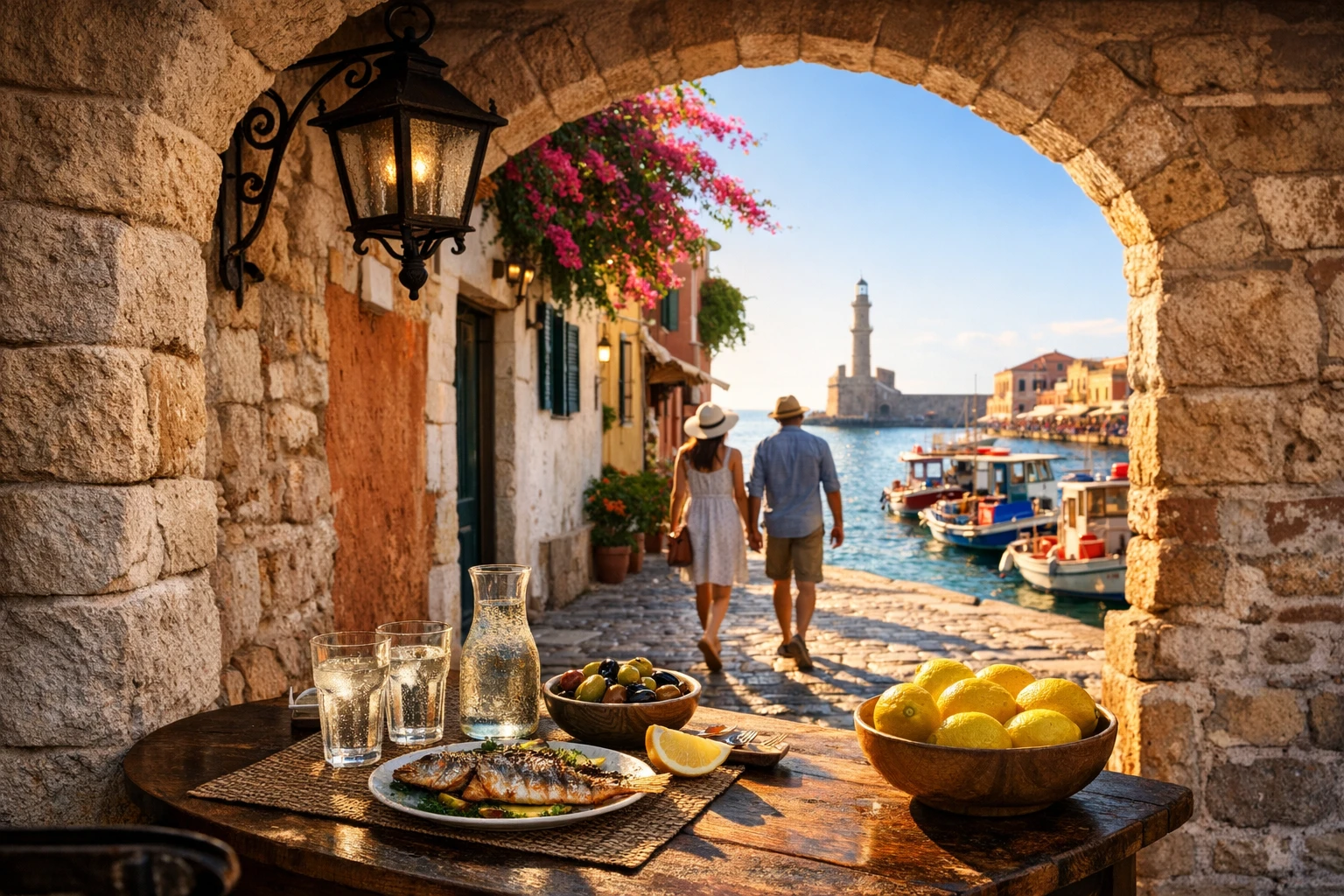
Where you stay in Crete shapes the holiday as much as the resort itself. The island is long, varied, and regionally distinct, so choosing a property should begin with geography. Chania, on the western side, tends to attract travelers who want beautiful harbor walks, access to famous beaches such as Elafonissi and Balos, and a setting that blends scenery with character. Rethymno often suits visitors who like a balance of beach time and old-town evenings. Heraklion is more practical for those who value airport convenience, easier access to Knossos and museums, and a wider urban energy. Eastern areas such as Elounda and Agios Nikolaos are frequently associated with polished resorts, calmer atmospheres, and a more upscale feel.
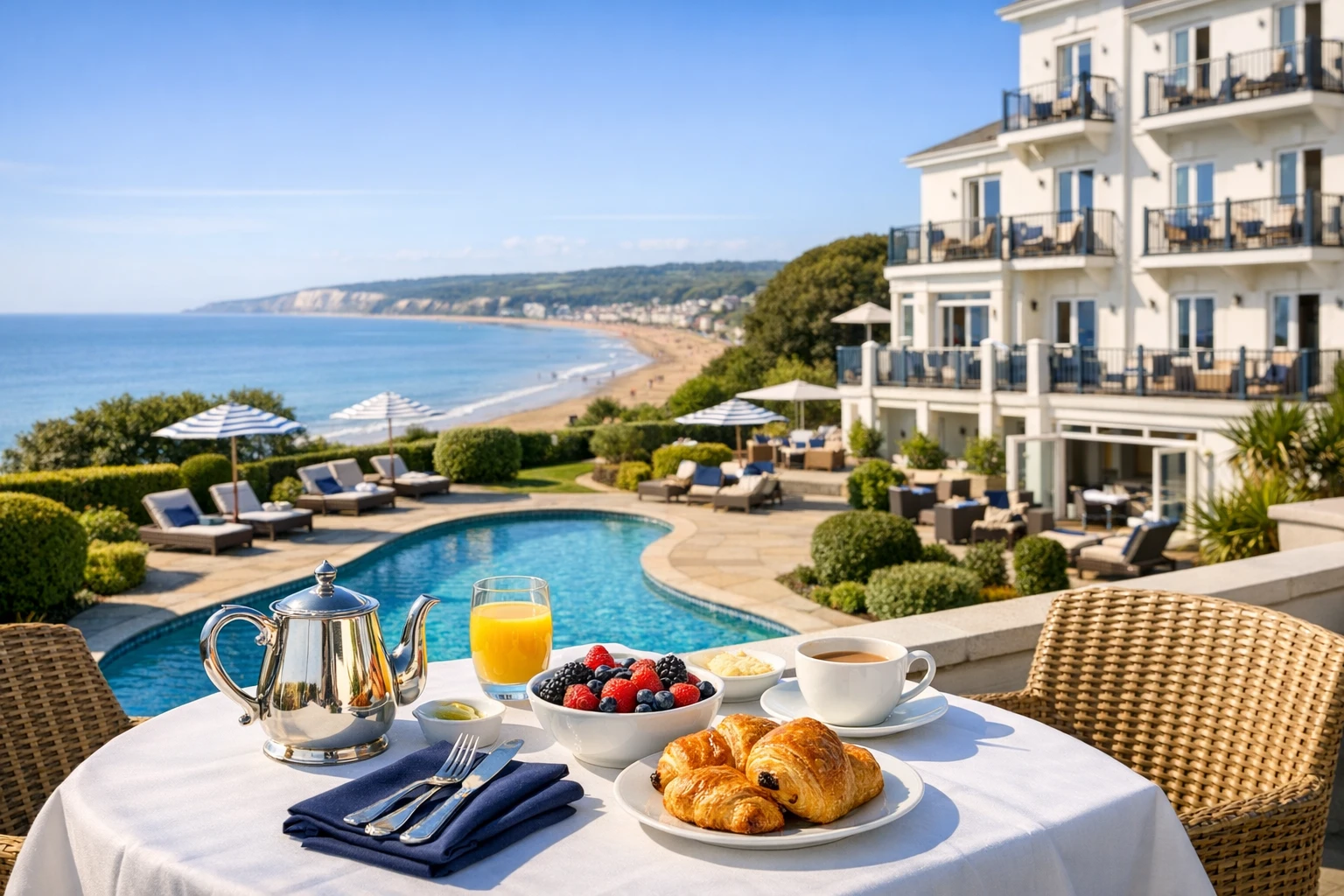
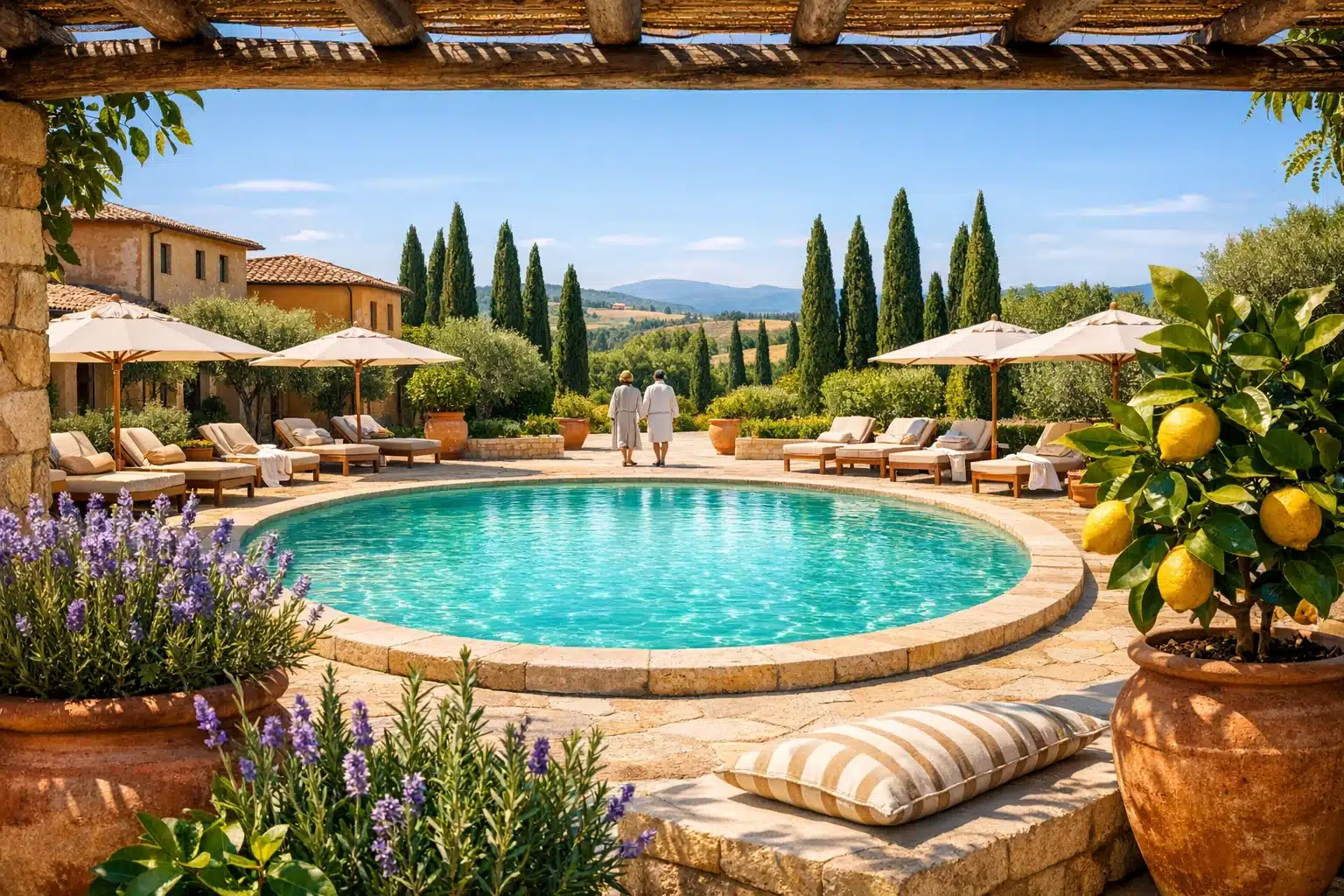
Once the area is clear, the next decision is the property type. Not all all-inclusive resorts are built around the same holiday philosophy. Some are expansive family compounds with water slides, kids’ clubs, buffet halls, and activity teams that keep the day moving from breakfast to evening shows. Others are adults-only retreats where the loudest sound may be cutlery on a terrace and the splash of a pool at sunset. Neither is inherently better; the best option depends on what you want your mornings and evenings to feel like.
Useful comparison points include:
– Beachfront access versus shuttle-to-beach arrangements
– Adults-only calm versus family-focused entertainment
– One large central building versus village-style layouts
– Standard buffet-led dining versus multiple bookable restaurants
– Included sports and wellness facilities versus pay-extra options
Room choice matters more on a 10-night stay than on a short weekend. A sea-view upgrade, a larger terrace, or a family suite with a sliding divider can noticeably improve comfort over time. This is also where seemingly similar packages begin to separate. A lower headline price may involve a compact inland-facing room, limited drink menus, or fewer dining options. A higher rate may include better bedding, more privacy, and easier access to premium facilities. Over ten nights, those differences stop being minor.
Travelers should also consider distance from places they may realistically visit. If you picture wandering through Chania at dusk more than once, staying two hours away may gradually become frustrating. If your ideal trip centers on staying put, reading by the water, and letting the resort do the heavy lifting, a more secluded property could be perfect. Crete rewards clarity. The island can host a lively family week, a restorative couple’s break, or a comfort-driven base for wider exploration, but only if the resort choice matches the traveler rather than the brochure.
What All-Inclusive Usually Includes and How the Experience Really Feels
The phrase all-inclusive sounds wonderfully simple, but in practice it covers a broad spectrum. On a 10-night resort stay in Crete, the essentials usually include accommodation, three daily meals, snacks at selected times, and a list of local alcoholic and non-alcoholic drinks. Many resorts also include pools, loungers, basic entertainment, and some sports facilities. Beyond that, details begin to matter. One property may offer a generous drinks menu, fresh buffet variety, and several themed restaurants. Another may use the same label while charging extra for branded spirits, better coffee, spa access, premium desserts, or popular dinner venues.
This is where reading the package terms closely becomes worth the effort. Over ten nights, food quality has a major impact on satisfaction. A buffet that feels convenient on day one can feel repetitive by day six if menus rotate poorly or rely on predictable mass-catering formulas. By contrast, a resort that includes Cretan dishes, grilled fish, salads built around local olive oil, and a few strong à la carte evenings can make the dining experience part of the destination rather than a background service. Crete has a rich food culture, and the better resorts take advantage of that. Even small touches, such as local cheeses, dakos, honey, herbs, and seasonal fruit, can make the stay feel anchored to place.
It helps to compare packages across these practical lines:
– Are à la carte restaurants included, limited, or fully extra?
– Are cocktails part of the package, or only basic mixed drinks?
– Is minibar restocking included, partial, or paid?
– Are sunbeds on the beach free, or only around the pool?
– Do activities such as tennis, paddle sports, or yoga carry surcharges?
The emotional experience of all-inclusive living is worth mentioning too. For some travelers, it creates genuine ease. Meals require no budgeting calculus, children can ask for ice cream without every request becoming a financial decision, and afternoons can unfold without planning. There is a subtle luxury in removing the small negotiations that often clutter a holiday. On the other hand, some people begin to feel constrained if restaurant times are rigid, bar quality is average, or the resort atmosphere is heavily programmed. A ten-night stay magnifies both strengths and weaknesses.
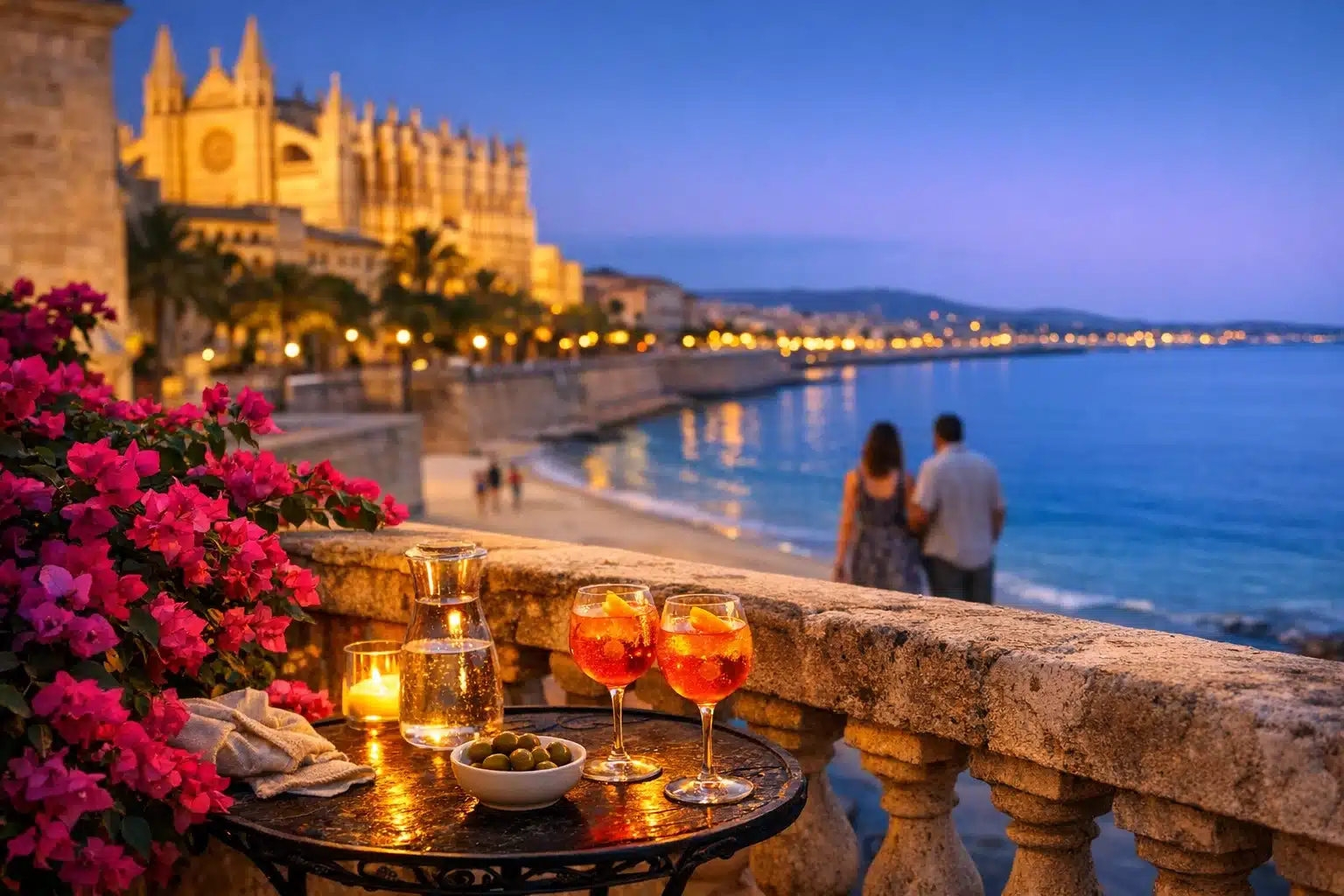
The best version of this holiday feels light rather than locked-in. You wake up slowly, knowing breakfast is waiting. You spend a morning by the sea, disappear into shade when the heat builds, then decide whether the evening calls for a resort dinner, a nearby taverna, or a walk through town. In other words, the package should create freedom, not sameness. That is the real benchmark.
Budget, Value, Seasonality, and How to Use Ten Nights Well
A 10-night all-inclusive resort stay in Crete can represent strong value, but only when price is judged against season, location, and traveler habits. Peak summer, especially July and August, usually brings the highest rates, the hottest temperatures, and the busiest beaches. Daytime highs above 30 degrees Celsius are common in midsummer, which suits travelers who want classic sun-and-sea conditions but may feel intense for visitors planning long daytime excursions. Shoulder months such as late May, June, September, and early October often deliver a more balanced equation: warm weather, swimmable sea, and lower pressure on both roads and resort spaces. For many travelers, that is the sweet spot.
Value should also be measured beyond the headline package cost. A resort that costs more upfront may save money later if it includes airport transfers, roomier accommodation, higher-quality dining, and fewer on-site extras. By contrast, a cheaper package can become less appealing once you add car hire, upgraded drinks, paid beach loungers, and multiple dinners outside the resort because the food feels limited. Families often benefit most from the predictability of all-inclusive pricing, while couples may place more emphasis on atmosphere, privacy, and restaurant quality.
To use ten nights effectively, it helps to think in layers rather than a packed schedule. A good pattern might look like this:
– Days 1 to 3: settle in, recover from travel, learn the resort, enjoy uncomplicated beach time
– Days 4 to 7: add one or two excursions, perhaps a town visit and a scenic drive
– Days 8 to 10: return to slower days, using the resort more fully once you know what you enjoy most
Crete is not a small island, so transport planning matters. If you want to see several major sights, a rental car offers the greatest flexibility, especially for beaches and villages outside bus routes. If you prefer not to drive, organized excursions can work well, though they often trade freedom for convenience. Travelers staying near Chania or Rethymno may find evening outings easier than those at more isolated resorts. This matters because ten nights is long enough for monotony to appear if every sunset happens on the same terrace.
There is also a hidden budgeting advantage to a longer stay: lower daily pressure. You do not need to do everything. One memorable harbor dinner, one archaeological site, one mountain village lunch, and a few excellent swims may create a richer holiday than chasing a checklist. Crete rewards selective exploration. The island has depth, but it does not demand that you consume it at speed. That is one reason a ten-night format works so well: there is time to leave room in the plan.
Conclusion: Who a 10-Night All-Inclusive Resort Stay in Crete Suits Best
A 10-night all-inclusive resort stay in Crete is best understood as a travel format with a clear personality. It suits people who want comfort, reliable costs, and enough time to experience both rest and discovery without changing hotels. Families with children often gain the most immediate benefit because meals, snacks, pools, and entertainment are folded into a manageable routine. Couples can also do very well with this model, particularly if they choose an adults-only or design-led resort in a region that allows easy evening outings. Multigenerational groups may find it especially practical because different ages can move at different speeds while still sharing the same base.
This style of holiday may be less ideal for travelers who want constant movement, nightly restaurant-hopping in different towns, or a deep-dive road trip across the island. Crete can absolutely support that kind of journey, but an all-inclusive resort is not designed around it. The key question is simple: do you want your accommodation to be mainly a place to sleep, or do you want it to be part of the holiday itself? If the second option sounds appealing, ten nights is long enough to justify selecting a property with stronger dining, better room comfort, and a location that fits your habits.
The strongest reasons to choose this trip are clear:
– You want a low-friction holiday with meals and basics already covered
– You value a stable base more than frequent hotel changes
– You like the idea of alternating lazy days with a handful of excursions
– You want enough time to enjoy Crete without rushing every decision
In the end, Crete offers something many destinations struggle to combine: scale, variety, and ease. It can be sun-soaked and slow, historic and textured, polished and family-friendly, sometimes all within the same week. A well-chosen all-inclusive resort does not erase the island’s character; ideally, it gives you the energy and structure to appreciate it. If you are the kind of traveler who wants the sea nearby, logistics under control, and space in the itinerary for both spontaneity and rest, a 10-night stay in Crete is not merely convenient. It is a thoughtful way to travel well.