Relax with a 4-Night Mediterranean Escape at Playa de Palma
A 4-night break can feel surprisingly complete when the destination is easy to reach, simple to navigate, and rich in small pleasures, and Playa de Palma fits that brief with unusual ease. On Mallorca’s southern coast, this long sweep of shoreline combines warm Mediterranean light, a broad sandy beach, a bike-friendly promenade, and quick access to Palma’s old town. For travelers who want rest without wasting half the trip in transit, it offers a balanced, low-stress escape.
Outline: this article first looks at why Playa de Palma is so well suited to a short seaside holiday, then moves into a practical four-night rhythm for the trip. It also covers where to stay, eat, and move around without overcomplicating the experience. Finally, it compares seasons, budgets, and travel styles so readers can judge whether this Mallorcan escape matches their priorities.
Why Playa de Palma Is Ideal for a Four-Night Mediterranean Break
Not every beach destination works well for a short stay. Some places are beautiful but remote, meaning a traveler loses valuable time to long transfers, ferry connections, or awkward transport schedules. Playa de Palma stands out because it solves that problem from the start. Mallorca’s main airport is only around 10 to 15 minutes away by taxi or shuttle in normal traffic, and central Palma is also close enough for an easy half-day or evening visit. That means a four-night trip can begin almost as soon as you land. Instead of spending your first afternoon organizing logistics, you can be walking by the sea before sunset, listening to the soft clink of masts in the distance and the regular hush of waves reaching the sand.
The area also offers a rare mix of convenience and flexibility. Playa de Palma is often associated with classic sun-and-sea holidays, yet it works just as well for travelers who want more than a beach chair. The shoreline stretches for roughly 4 to 5 kilometers, giving visitors space to choose between busier and quieter patches. A long promenade encourages walking, running, and cycling, while cafés, bakeries, and casual restaurants make it easy to stop without fixed plans. For a short break, that matters. You do not need a long checklist to feel you have seen enough; the destination naturally supports simple, satisfying days.
There is also a useful balance between relaxation and urban access. Compared with a city break in Barcelona, Lisbon, or Naples, Playa de Palma feels less demanding. There are fewer decisions to make every hour, and the beach gives the schedule a natural rhythm. Compared with a remote resort island experience, however, it offers more variety. Palma’s cathedral, historic lanes, markets, and dining scene are close enough to add culture and atmosphere without turning the holiday into a race. In practical terms, this makes Playa de Palma appealing to several kinds of travelers:
• couples looking for a low-effort romantic break
• friends who want sunshine without a packed itinerary
• solo travelers who value easy transport and a lively but manageable setting
• busy professionals who need a proper pause rather than another exhausting “mini break”
That is the real relevance of this destination. A four-night escape is not only about distance or price; it is about whether a place gives back more energy than it takes. Playa de Palma does that well. It is accessible, scenic, familiar without being dull, and varied without becoming overwhelming. For modern travelers trying to fit real rest into a limited window, those qualities are not minor details. They are the whole point.
How to Spend Four Nights Without Feeling Rushed
The smartest way to enjoy Playa de Palma is not to fill every hour. A short Mediterranean break works best when each day has one main idea, leaving space for weather changes, appetite, and mood. On arrival day, the goal should be simple decompression. Check in, unpack, and take an unhurried walk along the promenade from late afternoon into early evening. This first walk does more than show you the coastline; it shifts your pace. The light softens, the beach becomes gold rather than white, and the sea begins doing what travel brochures always promise but rarely deliver: making everything feel slightly less urgent. Dinner on the first night should stay local and easy, perhaps grilled fish, pa amb oli, or a plate of tapas with a chilled drink, followed by an early night or a quiet waterside stroll.
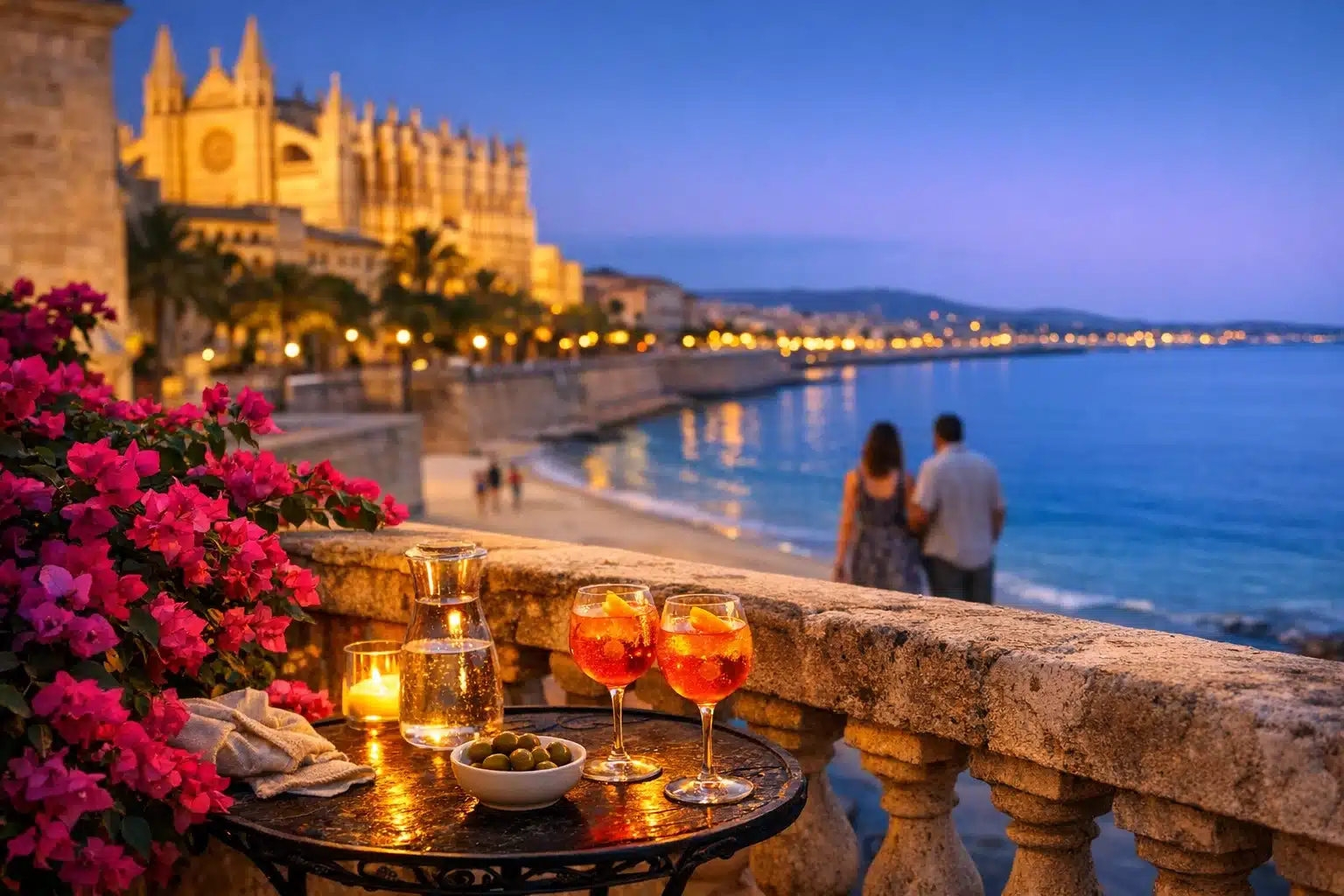
The first full day is ideal for a beach-focused schedule. Spend the morning swimming, reading, or renting sun loungers if comfort matters more than spontaneity. Playa de Palma is broad and practical rather than dramatic, and that is part of its charm. It is a beach built for use, not just admiration. A relaxed lunch by the seafront can lead into a second slow block of time: a nap, another swim, or a cycling ride on the promenade. In the evening, you can either stay near the resort or head into Palma for a very different mood. The old city introduces narrow streets, sandstone façades, and the sense that a beach holiday can still carry a cultural note.
Day three works well as the “explore a little more” day. You might visit Palma properly, perhaps focusing on the cathedral area, a market, boutique-lined streets, or a longer lunch away from the waterfront. Another option is to stay local and lean into simple pleasures: a longer breakfast, time at a beach club or spa, and sunset drinks. The key is contrast. A four-night stay feels richer when not every day is a copy of the last. A useful rhythm could look like this:
• Night 1: settle in and walk the seafront
• Day 2: classic beach day with a calm evening
• Day 3: city outing or wellness-focused day
• Day 4: choose your favorite pace and repeat it well
• Final morning: one last coffee by the sea before departure
The final full day should not become a frantic attempt to “fit in everything missed.” Instead, it should refine the trip. If the best moment so far was your swim before breakfast, do that again. If Palma won you over, go back for one more meal. If the hotel pool felt better than the beach, claim a shaded corner and let the hours stretch. This is where Playa de Palma beats more ambitious itineraries. In four nights, the destination gives enough variety to avoid monotony, but not so much that you leave feeling you skimmed the surface. It is a short trip that can still feel whole.
Where to Stay, What to Eat, and How to Move Around Efficiently
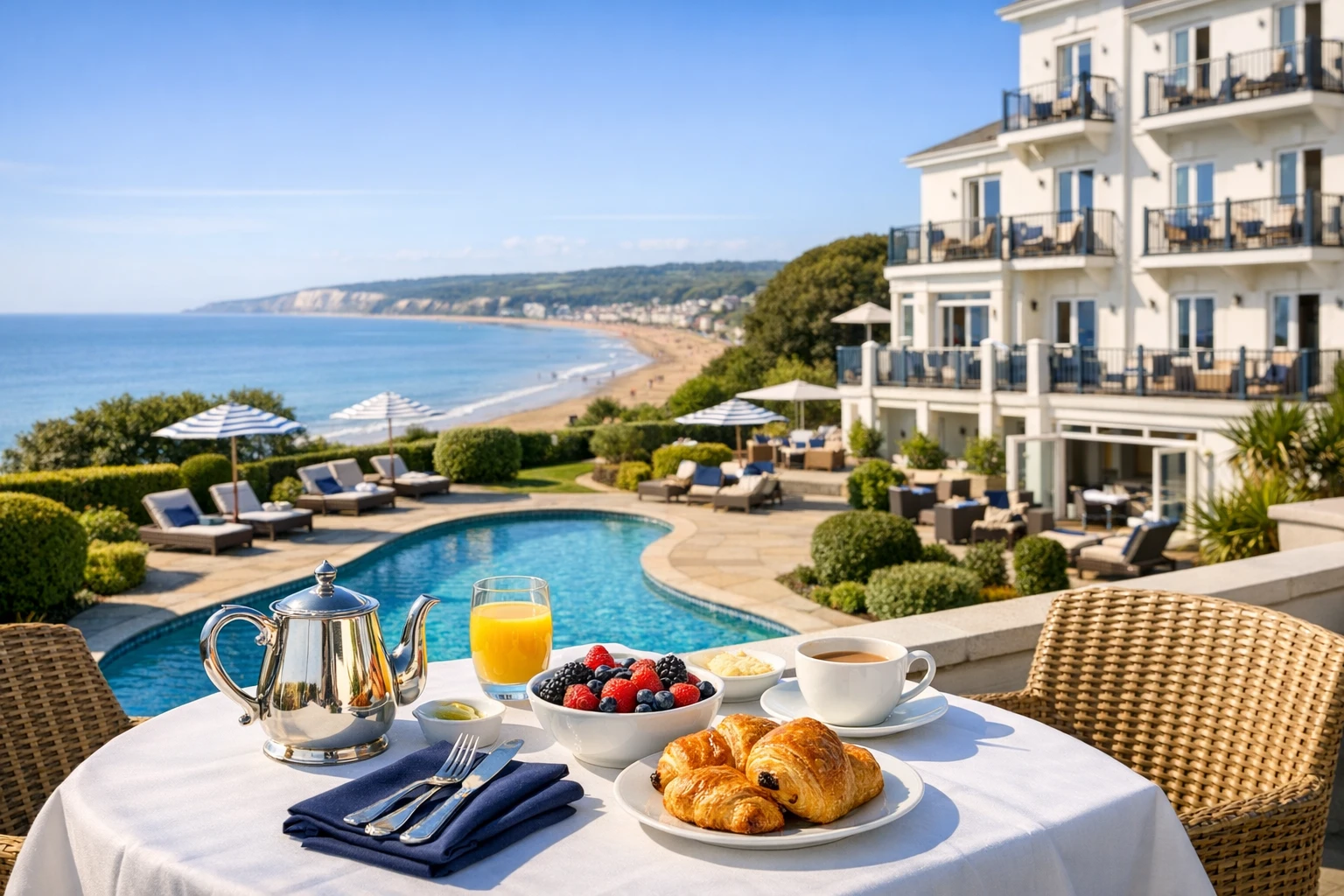
Accommodation choice shapes this trip more than many travelers expect. In Playa de Palma, staying close to the beachfront usually makes the biggest difference, especially on a short visit. A sea-view room is pleasant, of course, but proximity is often more valuable than luxury details. Being able to step out and reach the promenade in minutes changes the mood of the holiday. It encourages dawn walks, easy returns for a shower or change of clothes, and spontaneous evening wanderings. Hotels in the area range from straightforward mid-range properties to adults-focused stays and more polished resorts with pools, spa areas, and rooftop terraces. For four nights, a comfortable room, good sound insulation, and a decent breakfast may matter more than a long list of facilities you will barely use.
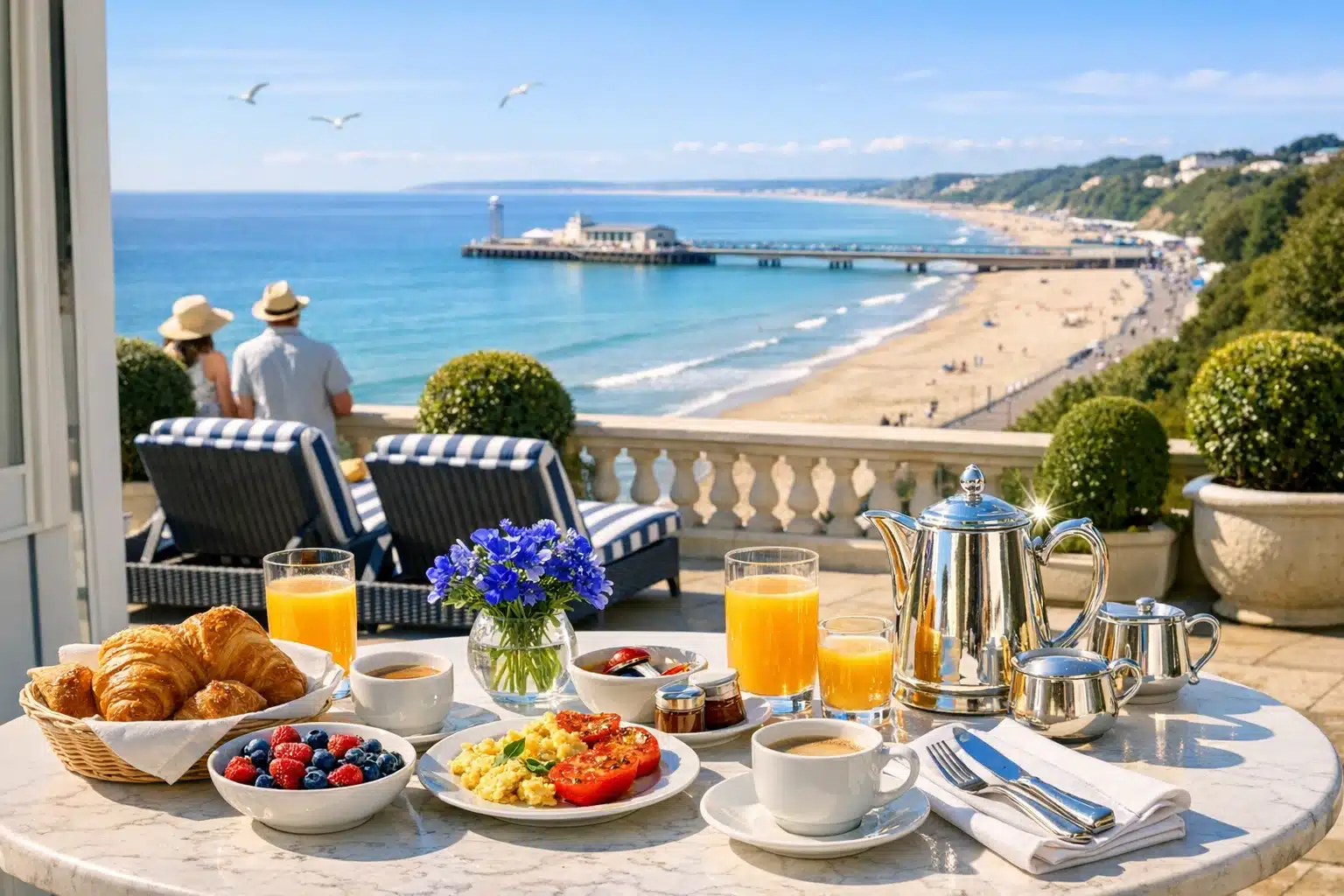
Food is another reason the destination works well. The area caters to international visitors, so the choice is wide, but travelers get the most satisfaction when they mix convenience with a few local touches. Breakfast can be simple and sunny: fruit, pastries, coffee, and yogurt on a terrace if possible. Lunch is best kept flexible, especially after beach time, while dinner can do more of the memory-making work. Mallorca’s food scene rewards those who look beyond generic tourist menus. Search for places serving fresh seafood, rice dishes, grilled vegetables, local olive oil, and island wines. Typical options worth considering include:
• pa amb oli with tomato, olive oil, and local toppings
• grilled fish or squid near the seafront
• tapas for a varied, social dinner
• ensaïmada from a bakery for a sweet local treat
• seasonal produce dishes that feel lighter in warm weather
Transport is refreshingly manageable. One of Playa de Palma’s strongest practical advantages is that you do not need a car unless you plan broader island exploration. Taxis are easy for airport transfers. Public buses connect the area with Palma, and many visitors find that walking or cycling covers most local needs. Compared with destinations where every outing requires advance planning, rental paperwork, parking, and navigation, this is a major relief. It saves both money and mental energy.
Choosing between Playa de Palma and staying directly in Palma depends on travel style. Palma offers more architectural charm, boutique hotels, and urban dining. Playa de Palma offers easier beach access, a slower pulse, and less friction between hotel and sea. For a four-night escape centered on recovery, many travelers will prefer Playa de Palma as the base and Palma as the excursion. It is the difference between living in your sandals and carrying a city map. Neither is wrong, but one is clearly more restorative.
Best Time to Go, Budget Expectations, and How It Compares with Other Short-Haul Escapes
Timing has a major effect on both mood and value. Playa de Palma is most appealing from late spring to early autumn, but each part of that window offers a different version of the trip. In May and early June, temperatures are often warm rather than intense, the sea begins to invite longer swims, and the overall pace tends to feel more comfortable for travelers who dislike peak-season crowds. July and August bring the fullest beach atmosphere, hotter days often reaching the high 20s or low 30s Celsius, and the busiest social scene. September is often a favorite for good reason: the sea is still warm from summer, evenings are pleasant, and the rhythm softens slightly. Even October can work well for sightseeing and promenade walks, though beach certainty becomes less predictable.
Budget-wise, a four-night escape here can be shaped to different spending levels. Flights to Mallorca from many European cities are commonly short and competitive, often between roughly 1.5 and 3 hours depending on origin, which helps keep the trip realistic for long weekends and shoulder-season deals. Accommodation prices shift sharply with season, hotel category, and whether breakfast is included. A practical way to think about costs is not in exact numbers, which change constantly, but in trip style:
• value break: mid-range hotel, simple lunches, public transport, mostly beach-based days
• comfort break: upgraded hotel, a few better dinners, taxi transfers, one or two curated experiences
• premium short stay: high-end seafront room, spa access, rooftop dining, private transfers and little compromise
Compared with other short-haul Mediterranean options, Playa de Palma has a specific strength: efficiency. A Greek island holiday may offer more postcard drama, but often requires more planning and transfer time. A full city break in Rome or Lisbon can deliver culture in abundance, yet it usually demands more walking, more booking, and more decision-making. Southern Spain offers excellent beach resorts, though not all combine airport proximity, urban access, and a long organized promenade as neatly as this area does. That does not make Playa de Palma objectively “better” than every alternative, but it does make it especially suitable for travelers whose main currency is limited time.
The hidden value is psychological. When a destination is simple to use, every hour feels bigger. You notice breakfast instead of train schedules, sea temperature instead of transfer logistics, evening light instead of hotel check-in delays. For people squeezing a proper holiday into four nights, that is not a small benefit. It is often what determines whether a trip feels refreshing or merely brief.
Final Thoughts for Travelers Seeking a Calm, Stylish, and Easy Escape
A four-night stay in Playa de Palma makes the most sense for travelers who want genuine rest without disappearing into total isolation. It is especially well suited to people who are short on time but not willing to settle for a purely functional trip. If you want a place where the airport transfer is short, the beach is immediately usable, and a city outing is always within reach, this part of Mallorca deserves strong consideration. It works for couples who want low-pressure romance, friends craving sun with a social edge, and solo travelers who appreciate a destination that feels open and navigable. It can even suit multigenerational travel, provided expectations are aligned and the hotel choice is thoughtful.
The destination’s greatest strength is not novelty. It is balance. Playa de Palma does not ask you to conquer a long list of sights or master a complicated route. Instead, it gives you a clear frame for a satisfying short break: sea, promenade, good weather in season, easy food options, and access to Palma when you want a change of scene. There is something quietly luxurious about that simplicity. You wake up, look outside, and the day already makes sense. In a travel landscape often crowded with overplanned itineraries and “must-see” pressure, that ease becomes deeply attractive.
For the target audience, the key question is simple: what do you need from four nights away? If the answer includes sunlight, minimal friction, room to slow down, and enough variety to avoid boredom, this trip delivers. A useful final checklist might be:
• choose a seafront or near-seafront base
• travel in May, June, or September for a smart balance of weather and atmosphere
• leave at least one day mostly unplanned
• include one visit into Palma, but do not let the city steal the whole trip
• prioritize comfort and rhythm over a crowded agenda
In the end, Playa de Palma is not trying to be a once-in-a-lifetime expedition. It is something many travelers need more often than that: an easy, attractive Mediterranean reset. Four nights here can provide sea air, better sleep, slower meals, and the lovely feeling that life has briefly moved at the right speed again. For anyone staring at a calendar and wondering whether a short break can still feel meaningful, the answer, in this case, is yes.