4-Night All-Inclusive Resort Stay in Wight
Planning a short island break sounds easy until costs, ferry timings, and meal budgets start cluttering the picture. A 4-night all-inclusive resort stay on the Isle of Wight matters because it turns a quick escape into something calmer, easier to price, and far more enjoyable once you arrive. For couples, families, and solo travellers alike, the format can remove daily decision fatigue while still leaving room to explore cliffs, beaches, historic towns, and local food culture beyond the resort gates.
Outline: This article first explains what an all-inclusive stay in Wight usually means in real terms. It then compares value against room-only, half-board, and self-catering options, before looking at the best parts of the island for different travel styles. After that, it maps out a practical 4-night itinerary. Finally, it closes with booking advice and a summary aimed at travellers deciding whether this kind of break suits them.
Understanding What a 4-Night All-Inclusive Stay in Wight Really Means
The phrase all-inclusive can create a very specific image: a large resort, unlimited buffet access, several bars, organised daytime entertainment, and a bracelet that seems to open every door except your own front gate at home. On the Isle of Wight, however, the term often works a little differently. That does not make it less useful, but it does mean travellers should read package details carefully. In many cases, an all-inclusive resort stay on the island is closer to a bundled UK holiday package than to a sprawling Mediterranean complex. You may find accommodation, breakfast, dinner, selected drinks, leisure access, and evening entertainment wrapped into one price, while lunch, premium beverages, spa treatments, or ferry transport are either optional add-ons or separate charges.
This difference matters because expectations shape satisfaction. A guest expecting unlimited cocktails by multiple pools may feel underwhelmed if the reality is a comfortable coastal hotel with breakfast, a set dinner menu, and live music in the lounge. On the other hand, travellers who understand the British seaside context often find excellent value in a package that covers the essentials and leaves enough flexibility for days out. The Isle of Wight is not trying to imitate a giant overseas resort market; its appeal is rooted in sea views, manageable distances, heritage charm, and a slower rhythm.
A typical 4-night package in Wight may include:
• accommodation for four nights
• breakfast each morning
• dinner or a dinner allowance
• use of leisure facilities such as a pool or gym
• limited family entertainment in peak periods
• sometimes discounted or bundled ferry travel
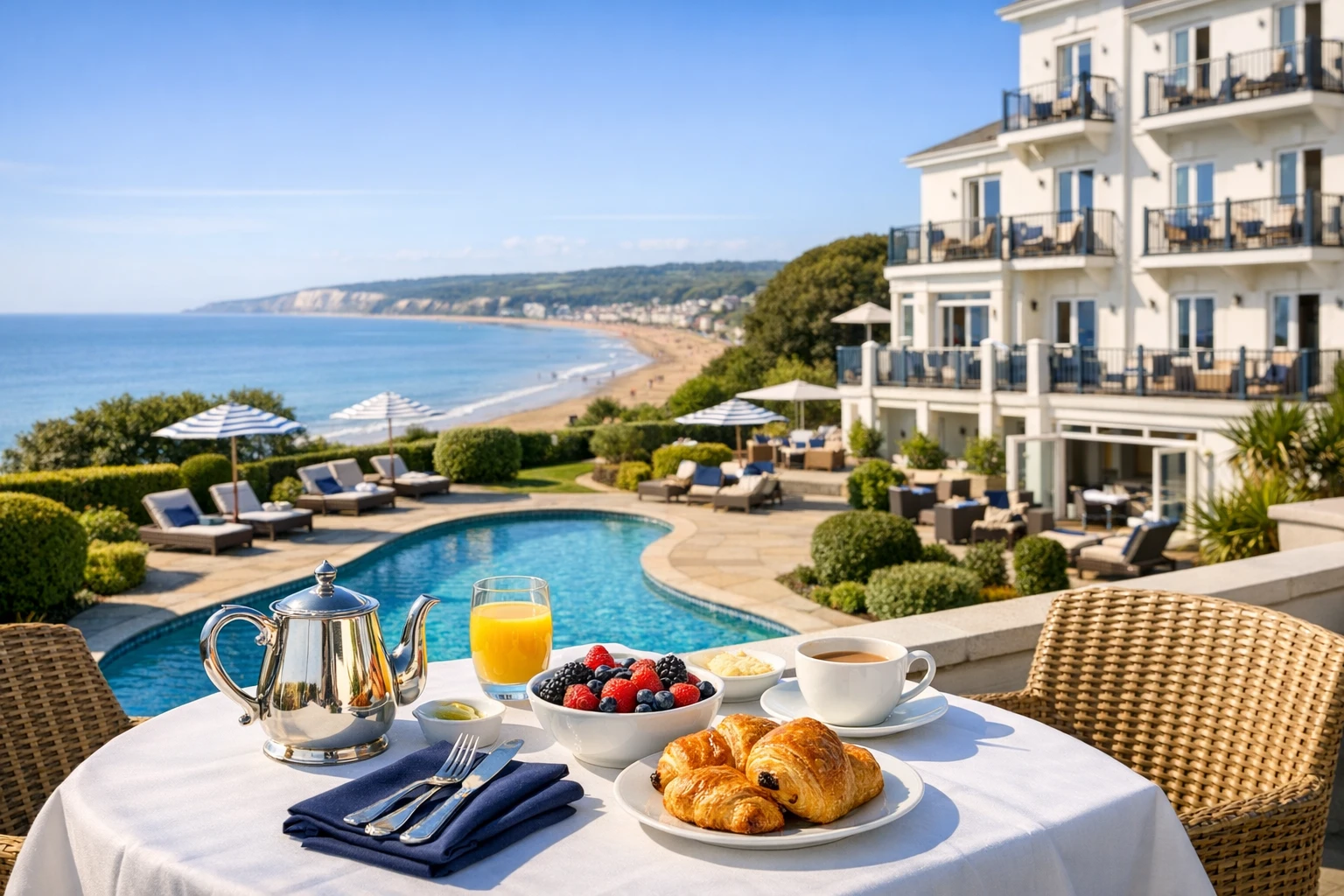
It is also worth comparing resort styles. Some properties feel like traditional seaside hotels with lounges, landscaped grounds, and formal dining rooms. Others are closer to holiday parks or family activity resorts, where dining passes and on-site entertainment are central to the experience. Neither model is automatically better. A couple wanting quiet evenings and coastal walks may prefer a classic hotel with an indoor pool and half-board options. A family with children may get more value from a resort-style property where meals, activities, and recreation are concentrated in one place.
The best approach is simple: treat the words all-inclusive as a starting point rather than a guarantee of a standard format. Ask what is included, what has time restrictions, and what carries a supplement. On an island where the sea air already does a good share of the work, clarity can be the difference between a decent stay and a very satisfying one.
Value for Money: How an All-Inclusive Stay Compares with Other Isle of Wight Breaks
A 4-night trip is an interesting length because it sits in the sweet spot between a rushed weekend and a full week away. That makes cost control especially important. With only a few days on the island, many travellers want convenience without feeling as though they are overpaying for services they will barely use. This is where an all-inclusive or package-style stay can make sense, but only when the components line up with the way you actually travel.
The biggest advantage is budget visibility. On the Isle of Wight, accommodation is only one part of the total. Ferry crossings can be a major line item, especially for travellers bringing a car. Meals out can add up quickly in popular seaside areas, and drinks, snacks, and rainy-day extras often inflate a short-break budget more than expected. When breakfast and dinner are built into the price, and when parking or ferry discounts are included, the total spend becomes easier to predict. For families, this can be particularly useful because food costs multiply fast, and children rarely care whether your spreadsheet had a contingency column.
Still, all-inclusive is not always the cheapest route. A room-only stay may be more economical for travellers who spend most of the day exploring and prefer simple lunches, pub dinners, or picnics on the coast. Self-catering can work well for larger groups, longer stays, or people with very specific dietary needs. Half-board often sits in the middle, giving guests breakfast and dinner while leaving lunchtime free for beach cafés, tearooms, or fish-and-chip stops by the sea.
Here is a useful comparison:
• All-inclusive or packaged full-board: best for budget clarity, convenience, and minimal planning
• Half-board: best for balanced flexibility and evening ease
• Room-only: best for independent travellers who dislike fixed schedules
• Self-catering: best for families, groups, and guests who want kitchen access
There are also trade-offs beyond price. Package dining can involve fixed meal times, limited menus, or buffet repetition. That may be perfectly fine on a short break, but it is worth considering if food is a major part of your travel style. Likewise, an all-inclusive deal loses some of its appeal if you plan to spend every daylight hour off-site and most evenings trying different restaurants.
In practical terms, a 4-night all-inclusive stay in Wight tends to offer the strongest value for travellers who want a low-friction holiday: arrive, unpack once, know that key meals are covered, and use the island as a scenic backdrop rather than a logistical challenge. It is less about luxury excess and more about reducing small expenses and daily decision-making. For many people, that is exactly the right kind of indulgence.
Where to Stay on the Isle of Wight: Areas, Atmosphere, and Resort Style
Choosing the right part of the Isle of Wight matters almost as much as choosing the package itself. The island is not huge, measuring roughly 23 miles from east to west, but different areas create noticeably different holiday moods. A well-priced all-inclusive stay can feel entirely different depending on whether you wake up near a busy promenade, a quieter bay, or a village with countryside on one side and the Solent on the other.
For many travellers, the east and southeast of the island are the easiest places to start. Towns such as Shanklin and Sandown are closely associated with the classic British seaside break: long beaches, family attractions, traditional holiday energy, and straightforward access to promenades and casual dining. Resort-style stays here often suit families, first-time visitors, and guests who want to mix pool time with beach time. Public transport links are also relatively helpful, and the Island Line rail connection between Ryde and Shanklin supports car-free travel better than some visitors expect.
Ryde offers a different feel. It is lively, well connected, and practical for travellers arriving from Portsmouth, whether by ferry or foot-passenger route. It can work well for shorter breaks because it reduces transfer friction at the start and end of the trip. Accommodation here may lean more toward hotels and guesthouses than classic all-inclusive resorts, but package stays can still be a smart choice for convenience-focused visitors.
Ventnor, further south, has a more layered personality. It is known for its hillside setting, Victorian character, and slightly softer, more sheltered atmosphere. This area can be appealing for couples and travellers who want scenery with personality rather than a standard beach-town formula. Fully all-inclusive options may be less common here, but higher-end hotels or leisure properties sometimes offer meal-inclusive short stays that feel more boutique than resort-heavy.
West Wight, including Yarmouth, Freshwater, and nearby rural areas, tends to attract walkers, returning visitors, and people who prefer a quieter base. This is a strong choice for coastal scenery, access to the Needles area, and a more relaxed pace. The trade-off is that nightlife and family attractions are usually less concentrated than in the eastern seaside towns.
When comparing locations, ask yourself which version of island time you want:
• beach-first and family-friendly
• scenic and quiet
• practical for ferry arrival
• suited to walking and day trips
• closer to heritage sites and gardens
The Isle of Wight rewards travellers who match place to purpose. If you want arcades, easy beach access, and child-friendly activity options, the classic resort towns make sense. If you want sea views, slower evenings, and a glass of wine while the horizon darkens into blue-grey layers, quieter districts may suit you better. The right area transforms an all-inclusive stay from a neat deal into a genuinely well-shaped holiday.
How to Use Four Nights Well: A Practical Itinerary with Room for Relaxation
One of the best things about a 4-night stay is that it gives you enough time to explore without turning the holiday into a checklist marathon. The Isle of Wight works especially well for this kind of pacing. Ferry crossings are short by island standards, but the psychological shift is real: the mainland recedes, mobile habits soften, and suddenly even a simple seafront walk feels like a reset. Typical crossing times are around 45 minutes from Portsmouth to Fishbourne, about 40 minutes from Lymington to Yarmouth, and roughly 55 to 60 minutes from Southampton to East Cowes, depending on route and operator schedules.
Night one should be about arrival, not ambition. Check in, learn the rhythm of the resort, and have dinner on-site if it is included. A short evening walk, perhaps along the beach or through a nearby old town, is enough. The point is to settle into the island rather than immediately race across it.
Day two often works well as an east-side or nearby exploration day. If you are based around Shanklin, Sandown, or Ryde, keep things easy: beach time, a pier stroll, a local café stop, maybe a visit to a small museum, gardens, or family attraction depending on who is travelling. This is the day to enjoy the convenience that justified booking a package in the first place. Have breakfast at the resort, spend a few flexible hours outside, then return without worrying about dinner plans.
Day three is ideal for the island’s historic side. Osborne House, once Queen Victoria’s beloved retreat, offers architecture, gardens, and coastal views in one place. Carisbrooke Castle adds another layer, linking the island to deeper chapters of English history. If you prefer a gentler pace, the Isle of Wight Steam Railway can give the day a nostalgic shape without feeling overly structured.
Day four is a strong candidate for West Wight and the Needles area, one of the island’s most recognisable landscapes. Clifftop views, coastal light, and open space create a different mood from the busier resort towns. If the weather turns, swap in indoor options, longer lunches, or a slower scenic drive. Flexibility matters more than squeezing in every landmark.
On the final morning, keep expectations modest. A late breakfast, a last walk, or a quick stop in a town you passed earlier can be enough. A short break succeeds when it leaves you restored, not exhausted. The smartest 4-night itinerary on the Isle of Wight is not the one that covers the most ground. It is the one that uses the island’s compact scale to balance discovery with ease, so that the resort still feels like part of the holiday rather than just the place where you sleep.
Conclusion: Who Should Book a 4-Night All-Inclusive Stay in Wight?
A 4-night all-inclusive stay in Wight is best suited to travellers who want their holiday to feel lighter, simpler, and more organised from the moment they book. Families with younger children are among the clearest winners. When breakfast is sorted, dinner is nearby, and there is some form of on-site entertainment or leisure access, the whole trip becomes easier to manage. Couples can also benefit, especially if they want a coastal break without constant spending decisions. Older travellers may appreciate fewer daily logistics, while solo visitors can find comfort in having meals and facilities close at hand.
That said, this style of break is not perfect for everyone. Travellers who treat food as the centrepiece of every trip may prefer a flexible base that allows them to try different restaurants every night. People seeking urban nightlife, large-scale luxury resort theatrics, or a dense schedule of premium activities may find the island’s package options more modest than expected. And if you are the kind of person who happily improvises each day around weather, whim, and whatever bakery smells best at 11 in the morning, a room-only or self-catering stay might feel more natural.
Before booking, it is wise to run through a short checklist:
• Does the rate include ferry travel, parking, or discounts on crossings?
• Are lunch, snacks, and drinks genuinely included, or only selected meals?
• Is entertainment seasonal or available every night?
• Are there child-friendly facilities, accessible rooms, or pet-friendly policies if needed?
• What is the cancellation policy, and are there supplements for sea-view rooms or upgrades?
For the right traveller, the appeal is clear. The Isle of Wight offers beaches, heritage, gardens, walking routes, and compact driving distances, all wrapped in a destination that feels separate from everyday life without being difficult to reach. A good all-inclusive package does not erase the island’s local character; ideally, it gives you the breathing room to enjoy more of it. You spend less time calculating meal costs, less time searching for evening plans, and more time noticing the details that make short breaks memorable: a changing sky over the Solent, the sound of gulls over a quiet bay, or that pleasant moment when you realise tomorrow’s breakfast is already taken care of.
If your goal is a manageable UK island escape with a clear budget and a comfortable base, this format is well worth considering. Choose the right area, confirm what the package actually includes, and keep your itinerary balanced. Do that, and four nights in Wight can feel surprisingly generous.