The Ultimate Guide to Adventure-Filled Family Short Break Holidays
A family short break can feel like opening a window in the middle of a crowded week: fresh air, new views, and a reason for everyone to look up from the usual routine. Because these trips are shorter, every choice matters more, from drive time to snack strategy. Get the planning right and a weekend of hiking, kayaking, cycling, or wildlife watching can deliver the excitement of a much longer holiday without the same cost, leave requests, or logistical sprawl.
Outline:
1. Why short adventure breaks suit modern family life
2. How to choose destinations and activities that work for everyone
3. Planning transport, budget, timing, and packing
4. Keeping different age groups engaged, comfortable, and safe
5. Sample short-break ideas that turn good plans into great memories
1. Why Adventure-Filled Short Breaks Work So Well for Families
Short breaks have a built-in advantage for modern families: they respect the way people actually live. School calendars, work deadlines, sports practice, and everyday chores often leave little room for a long holiday, but a two- or three-night trip is much easier to fit into a busy season. That matters because time pressure changes how families travel. A long holiday can absorb a slow start, a missed train, or a lazy afternoon by the pool. A short break has less margin for error, but it also has a sharper energy. Everyone arrives knowing that the trip is brief, which often makes people more willing to say yes to a morning walk, a boat ride, or a last-minute stop at a viewpoint.
Adventure adds something special to that short-window format. It gives the trip a shared purpose. Instead of simply relocating the family routine to another place, you create a small mission: paddle a calm lake, follow a forest trail, ride bikes along the coast, or try a beginner-friendly climbing wall. These activities are not only entertaining; they encourage cooperation. Children often remember the moment they crossed a wobbly bridge or spotted a deer at dusk far more vividly than the hotel room itself. Parents, meanwhile, get a break from planning every minute around screens, queues, and shopping.
There is also a practical financial argument. A shorter trip usually means fewer accommodation nights, lower food costs, and less pressure to “make the holiday worth it” by booking expensive add-ons. Families can concentrate spending on one or two memorable activities rather than stretching a budget across a full week. In many cases, staying within a two- to four-hour travel radius is the sweet spot. It reduces transit fatigue, helps younger children stay regulated, and leaves more usable holiday time once you arrive.
Compared with a typical city break focused on sightseeing, an adventure-first holiday can feel more restorative because it naturally pulls everyone outdoors. Compared with a long resort holiday, it requires less commitment and often less gear. The real appeal sits in the middle: enough novelty to feel exciting, enough structure to feel manageable.
Useful reasons families choose this style of travel include:
• shorter planning timelines
• lower overall costs than longer trips
• easier scheduling around school and work
• built-in opportunities for movement, confidence, and bonding
• stronger sense of “we did this together” when the break ends
In other words, adventure-filled short breaks succeed because they match real family life. They are not miniature versions of grand holidays. They are their own category: compact, active, and surprisingly rich when planned with care.
2. Choosing the Right Destination and Activity Mix
The best destination for a family short break is rarely the most famous one. It is the place that gives you the highest ratio of fun to friction. That means looking beyond glossy photos and asking practical questions first. How long will the journey really take door to door? What happens if the weather changes? Are the activities suitable for mixed ages and abilities? Is there enough variety nearby that one bad mood or rainy afternoon does not derail the whole trip? Families often enjoy a location more when it offers one headline adventure and several easy backup options.
Different environments create different kinds of energy. A coastal break is excellent for families who like open space, simple pleasures, and activities that can scale up or down. Rock pooling, beach hikes, tide-safe paddling, and beginner surf lessons can all work well, but wind and weather can be unpredictable. Forest and lake destinations tend to be more flexible. They often provide walking trails, bike hire, canoeing, wildlife spotting, and picnic-friendly scenery in one area. Mountain or hill regions bring drama and challenge, yet they may demand more stamina, better footwear, and closer attention to changing conditions. For families with very young children, a countryside stay near a farm park, nature reserve, or small adventure center can be easier than a rugged remote escape.
A useful way to compare options is to think in layers. First comes travel effort. Second comes accommodation type. Third comes the activity menu. A cottage with self-catering facilities may suit families who want early dinners and bedtime flexibility. A family room in a hotel may be easier for those who want fewer chores. Then consider the activity balance. A strong short-break destination often offers:
• one signature activity, such as canoeing or a ropes course
• one free activity, such as walking or beach time
• one low-energy fallback, such as a visitor center, aquarium, or scenic train ride
• one rainy-day option, such as a climbing wall, indoor pool, or local museum
It also helps to match the destination to your child’s stage rather than your idealized travel fantasy. Preschoolers may love a cabin by a stream with bug hunts and short woodland loops. Primary-age children often thrive with treasure-trail style exploration, cycling paths, and guided outdoor sessions. Teenagers may respond better when the trip includes choice and challenge, such as zip lines, mountain biking, snorkeling, or photography-worthy scenery they can genuinely claim as interesting.
The winning destination is not simply beautiful. It is forgiving. It lets you pivot, slow down, or change direction without losing the spirit of the trip. That flexibility is what turns a family break from a logistical exercise into an experience people want to repeat.
3. Planning the Itinerary, Budget, and Packing Without Overloading the Trip
The most successful family short breaks are carefully planned but not tightly packed. That difference matters. When a trip lasts only a few days, it is tempting to cram in every walk, boat tour, and scenic stop in the region. In practice, that often backfires. Children move at uneven speeds, weather changes fast, and even adults who love adventure need buffer time. A smart rule is to schedule one anchor activity per day and let everything else orbit around it. That keeps the break exciting while leaving room for detours, longer lunches, or the sudden appearance of a playground that becomes the star of the afternoon.
Think of the itinerary in blocks. Travel day works best with a light activity on arrival: a beach stroll, a short nature trail, or time at a local park. Your full day is where the main adventure belongs, ideally during the family’s strongest energy window, which is usually morning to early afternoon. On the final day, choose something flexible and easy to shorten if packing, traffic, or tiredness becomes an issue. If you are staying for three nights, the middle day can carry the biggest challenge, while the other two remain softer around the edges.
Budgeting is easier when you divide costs by category instead of guessing one total. On many short breaks, families often find accommodation takes the largest share, followed by transport, food, and activities. A rough planning split can look like this:
• accommodation: the largest fixed cost, often worth paying for if location saves time
• transport: fuel, train tickets, parking, tolls, or local transit
• food: groceries, café stops, restaurant meals, and emergency snacks
• activities: booked sessions, equipment hire, entry fees, or guide charges
• contingency: weather changes, extra layers, forgotten items, or a spontaneous treat
Packing for adventure travel is less about bringing more and more about bringing smarter. Layers beat bulky outfits. Refillable water bottles beat repeated service-station purchases. Waterproof bags, spare socks, and quick-dry clothing solve more problems than fashionable extras. A practical family packing approach includes:
• one full change of clothes per child for active days
• weatherproof outerwear
• small first-aid basics
• simple snacks with protein and carbohydrates
• chargers, power banks, and offline maps
• one comfort item for the youngest traveler
• a wet bag or laundry bag for muddy returns
There is a quiet skill in ending the day before everyone tips from pleasantly tired into completely frazzled. Leave space for that. Adventure is more enjoyable when it is framed by calm starts, decent meals, and the chance to sit together afterward and laugh about the slippery path, the windy viewpoint, or the gull that nearly stole a sandwich.
4. Keeping Different Ages Happy, Involved, and Safe
Family travel gets more interesting when you stop treating “the kids” as one group. A toddler, a seven-year-old, and a teenager can stand in the same field and experience three entirely different holidays. That is why the best adventure short breaks are designed around range, not perfection. You are not looking for one activity that every person loves equally every minute. You are looking for a plan where each family member gets moments that genuinely suit them, while the whole group still shares the trip in a meaningful way.
Younger children usually care less about distance and more about texture. A puddle, a stick, a stepping stone, or a trail of animal prints can be enough to make a short walk feel magical. For them, adventure often means sensory discovery and small achievements. Primary-age children tend to enjoy clear goals: reach the waterfall, finish the bike loop, spot five birds, collect stamps from a trail map. Tweens and teenagers often want some ownership. Letting them help choose the route, control a camera, track distance, or compare activity options can transform their attitude. Choice creates buy-in, and buy-in reduces friction.
Safety is not the boring part that sits outside the fun. It is what makes the fun sustainable. Before booking, check minimum ages, height restrictions, supervision rules, and cancellation policies. If an activity provider cannot explain its safety procedures clearly, that is useful information in itself. Families should also look for simple practical details: toilets nearby, shelter options, realistic session lengths, and clear instructions for beginners. Many children can manage a burst of concentration for 60 to 90 minutes far better than a half-day session with too much waiting around.
Questions worth asking before you book include:
• Is the activity suitable for complete beginners?
• What equipment is included?
• What happens in bad weather?
• Are there weight, height, or medical restrictions?
• How much walking is required before the activity starts?
• Can adults participate alongside children, or only supervise?
Emotional comfort matters too. Some children love novelty but dislike unpredictability. Others enjoy physical risk but need downtime after noisy environments. Sharing the rough plan in advance, showing photos of the location, and explaining what the day will feel like can prevent resistance later. Snacks, rest, shade, and a flexible attitude are not side notes; they are strategy.
The goal is not to raise tiny endurance athletes. It is to build confidence, trust, and curiosity. When a child feels seen rather than pushed, even a modest adventure, such as paddling a sheltered bay or climbing a beginner route, can become a memory that lasts far longer than the journey home.
5. Five Ready-to-Use Family Short Break Styles to Compare and Adapt
Once the planning principles are clear, it helps to picture what a real trip might look like. Families often struggle not because they lack ideas, but because they have too many. Turning broad inspiration into a workable model can make the decision easier. Here are several adaptable short-break styles, each with a different rhythm and appeal.
The woodland lodge break is ideal for families who want easy access to nature without constant driving. Picture a cabin or lodge near walking trails, a lake, and a small activity center. Day one is arrival, a short forest walk, and an early dinner. Day two brings canoeing, a ropes course, or guided bushcraft. Day three is slower: bike hire, wildlife spotting, and marshmallows by a fire pit if the accommodation allows it. This style works well for mixed ages because the environment itself provides entertainment between formal activities.
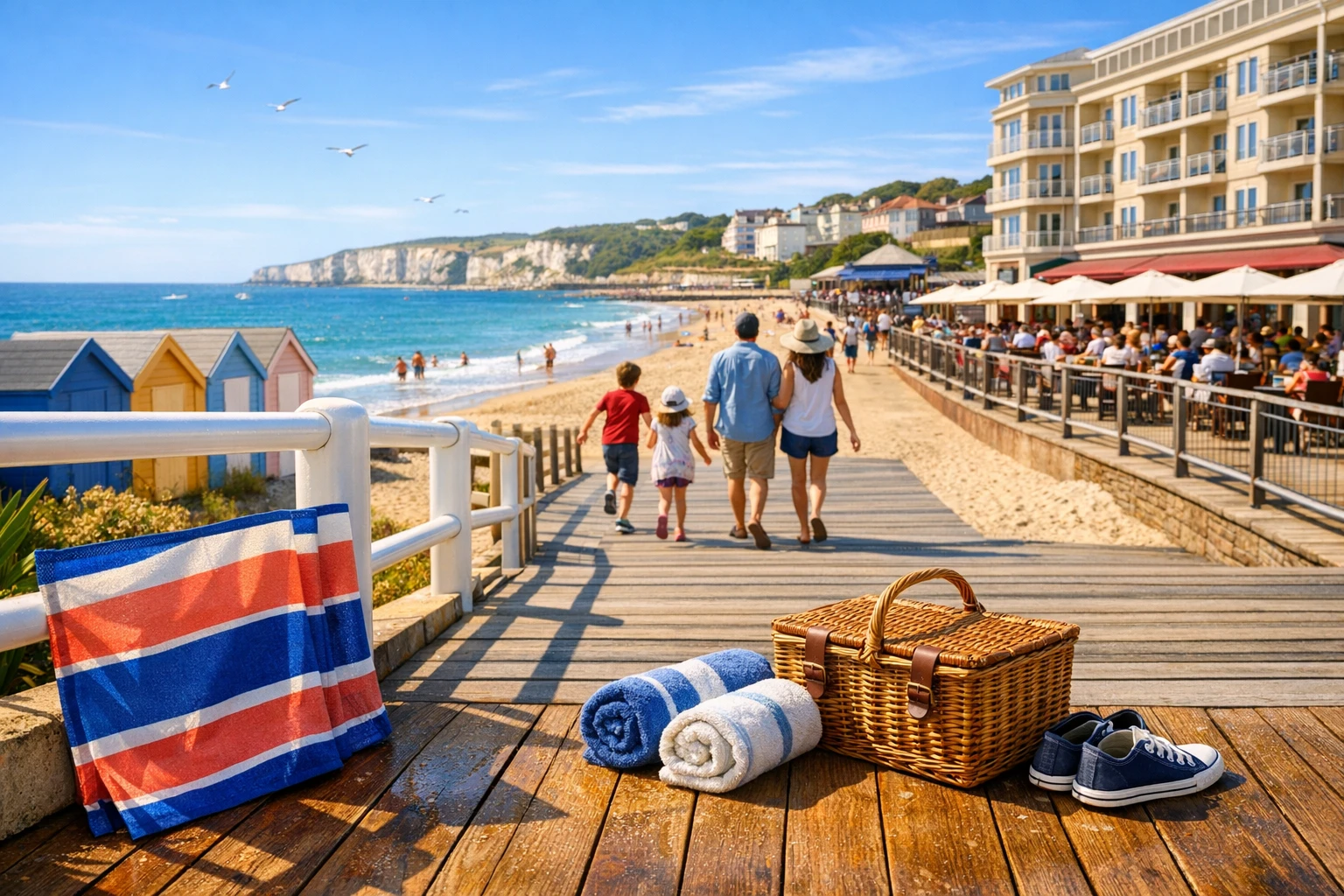
The coastal adventure break offers a lighter, wind-in-your-hair feel. A family might base themselves near a beach town and combine rock pooling, a cliff-top walk, a beginner surf lesson, and fish-and-chips on the promenade. The great advantage here is variety. If one activity falls through, the sea remains a built-in backdrop for movement and play. The limitation is weather exposure, so it helps to have an aquarium, indoor pool, or harbor museum nearby as backup.
The cycling-and-countryside break suits families with children old enough to ride confidently or sit in trailers or child seats. Choose a traffic-light route, a converted rail trail, or a canal path. Add a farm stay or small village base. The beauty of this format is pace. You cover ground, but slowly enough to stop for ice cream, ducks, picnic tables, and surprise viewpoints. It feels active without being frantic.
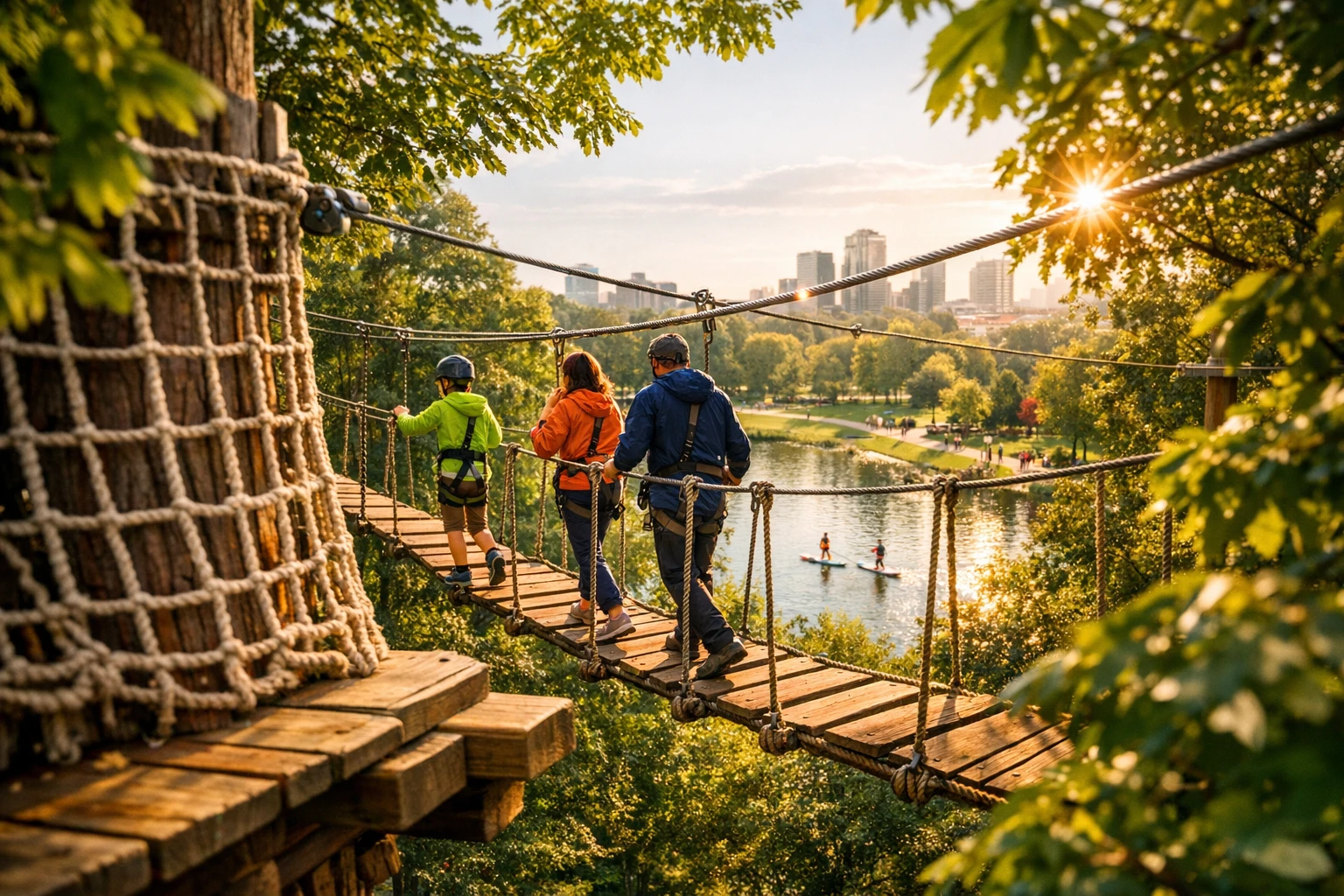
The city-edge adventure break is a strong option for families who want convenience. Stay just outside a city where you can pair one urban attraction with one outdoor challenge, such as a climbing wall, parkland cycle route, paddleboarding lake, or treetop course. This model is useful when family members have very different interests, because museums, food options, and transport links are close at hand.
Finally, there is the seasonal micro-adventure break. In spring, it might focus on lambing events and muddy walks. In summer, on kayaking and sunset picnics. In autumn, on leaf-covered trails and harvest festivals. In winter, on frosty woodland loops, stargazing, and hot chocolate after an early dusk ramble. This style teaches an important lesson: adventure does not need dramatic distance. It needs atmosphere, intention, and a plan that matches the season.
Whichever style you choose, the secret is not complexity. It is alignment. The destination, pace, accommodation, and activities should all point in the same direction. When they do, a short break stops feeling short. It starts feeling full.
Conclusion: A Smarter Way for Families to Travel
For busy parents and caregivers, adventure-filled short breaks offer something rare: a holiday format that is exciting, realistic, and repeatable. You do not need a huge budget, a long school break, or military-level logistics to create a trip your family will talk about for months. What you need is a destination with low friction, a pace that respects attention spans, and a few carefully chosen activities that invite everyone to take part. When you focus on manageable travel times, flexible planning, and age-appropriate adventure, even a brief escape can deliver confidence, connection, and genuine rest. Start small, learn what your family enjoys most, and let each trip teach you how to plan the next one even better.