Costa del Sol Getaways: What Makes Spain’s Southern Coast So Popular
On Spain’s southern edge, the Costa del Sol has turned the idea of a beach holiday into something much broader: a region where city life, seaside ease, mountain scenery, and local tradition sit side by side. A traveler can land in Málaga, walk through a historic center before lunch, drift toward the coast in the afternoon, and end the day with dinner beside the water. That flexibility is a major reason the area remains so admired by both first-time visitors and loyal return guests.
Outline: this article looks at five key reasons for the Costa del Sol’s appeal. It begins with climate, geography, and accessibility, then moves through the variety of towns, the pull of food and culture, the range of activities available throughout the year, and finally the practical questions that matter most to travelers planning a stay.
Climate, Coastline, and Convenience: The Foundations of the Costa del Sol Appeal
The Costa del Sol did not become popular by accident. Its appeal starts with three practical advantages that travelers care about immediately: weather, geography, and access. The region runs along a large stretch of Málaga province in Andalusia and is framed by the Mediterranean on one side and mountain ranges on the other. That combination helps create a mild climate for much of the year. Tourism campaigns often mention around 300 days of sunshine annually, and while weather always varies, the broader point stands: compared with many northern European destinations, the Costa del Sol offers a longer outdoor season and a better chance of pleasant temperatures well outside midsummer.
That matters because modern travelers no longer book only one classic summer holiday. Many people now travel for long weekends, shoulder-season breaks, winter sun escapes, and flexible work trips. The Costa del Sol fits that pattern well. Spring is warm enough for terraces and coastal walks, autumn often remains beach-friendly, and even winter can bring bright days that feel dramatically different from colder parts of Europe. In practical terms, that extends the tourism calendar and makes the destination attractive to retirees, digital workers, families on school breaks, and couples looking for a quick recharge.
Accessibility is the second pillar. Málaga-Costa del Sol Airport is one of the busiest airports in Spain and connects the region to many European cities through direct flights. Once visitors arrive, they are not trapped in a single resort bubble. The coast is linked by major roads, bus services, and a useful commuter rail line between Málaga, the airport, Torremolinos, Benalmádena, and Fuengirola. That ease of movement is a major advantage over destinations that require multiple transfers, ferries, or long internal journeys. A short list shows why the setup works so well:
• Direct international flight access
• Fast transfers to beach towns
• Day-trip potential without complex planning
• Mild conditions that support travel across multiple seasons
Compared with island destinations, the Costa del Sol often feels simpler to navigate. Compared with colder mainland coasts, it offers more dependable off-season appeal. That blend of comfort and practicality is not glamorous on paper, but it is exactly the kind of advantage that turns a pleasant trip into an easy repeat booking.
One Coast, Many Personalities: Why Its Towns Attract Different Kinds of Travelers
Another reason the Costa del Sol remains so popular is that it does not present one single holiday identity. Instead, it offers a chain of places with distinct moods, price points, and rhythms. That diversity broadens its audience. Some travelers want museums and urban energy. Others want family beaches, marina walks, golf courses, quiet apartments, or stylish nightlife. On this coast, those preferences can exist within the same trip.
Málaga city is often the starting point, and in recent years it has become far more than a transport hub. It blends a lively historic core with cultural institutions, renovated waterfront zones, and a food scene that appeals to both casual visitors and serious city-break travelers. Torremolinos, once seen mainly as a classic resort town, still delivers straightforward beach access and convenience, but it has also regained popularity thanks to its relaxed atmosphere and strong appeal for short breaks. Benalmádena mixes resort comfort with marinas, family attractions, and hillside neighborhoods, while Fuengirola is valued for its long promenade, transport connections, and practical feel for longer stays.
Further west, Marbella carries a more polished image, especially around the Golden Mile and Puerto Banús. Yet even Marbella is more varied than its stereotype suggests, with an old town that feels very different from its luxury-facing districts. Estepona offers a softer pace, attractive public spaces, and a balance between local life and tourism. To the east, Nerja draws visitors who want cliff views, smaller coves, and a more scenic, less urban atmosphere. Nearby white villages such as Frigiliana add another layer, showing that the Costa del Sol is not only about the shore but also about inland Andalusian charm.
A simple comparison makes the region’s versatility easy to see:
• Málaga suits travelers who want culture, shopping, and city energy
• Torremolinos and Fuengirola work well for convenience and classic beach stays
• Benalmádena is strong for families and mixed-age groups
• Marbella attracts visitors looking for style, golf, and upscale dining
• Estepona and Nerja appeal to those who prefer a calmer pace
This variety reduces the risk of disappointment. Travelers are not forced to accept a one-size-fits-all resort formula. Instead, they can choose a base that matches their budget and personality, or combine several places in one itinerary. That ability to tailor the experience is one of the coast’s smartest advantages, and it helps explain why the destination keeps drawing both broad and loyal demand.
Food, Culture, and Everyday Atmosphere: More Than a Simple Sun-and-Sea Holiday
A coastline can attract first visits with weather and beaches, but repeat visits usually depend on atmosphere. This is where the Costa del Sol gains depth. Beneath the holiday branding lies a region shaped by Andalusian traditions, Mediterranean ingredients, Moorish history, and a sociable public life that gives even a casual trip a sense of texture. In other words, the coast works not only as a place to stay, but as a place to inhabit for a while.
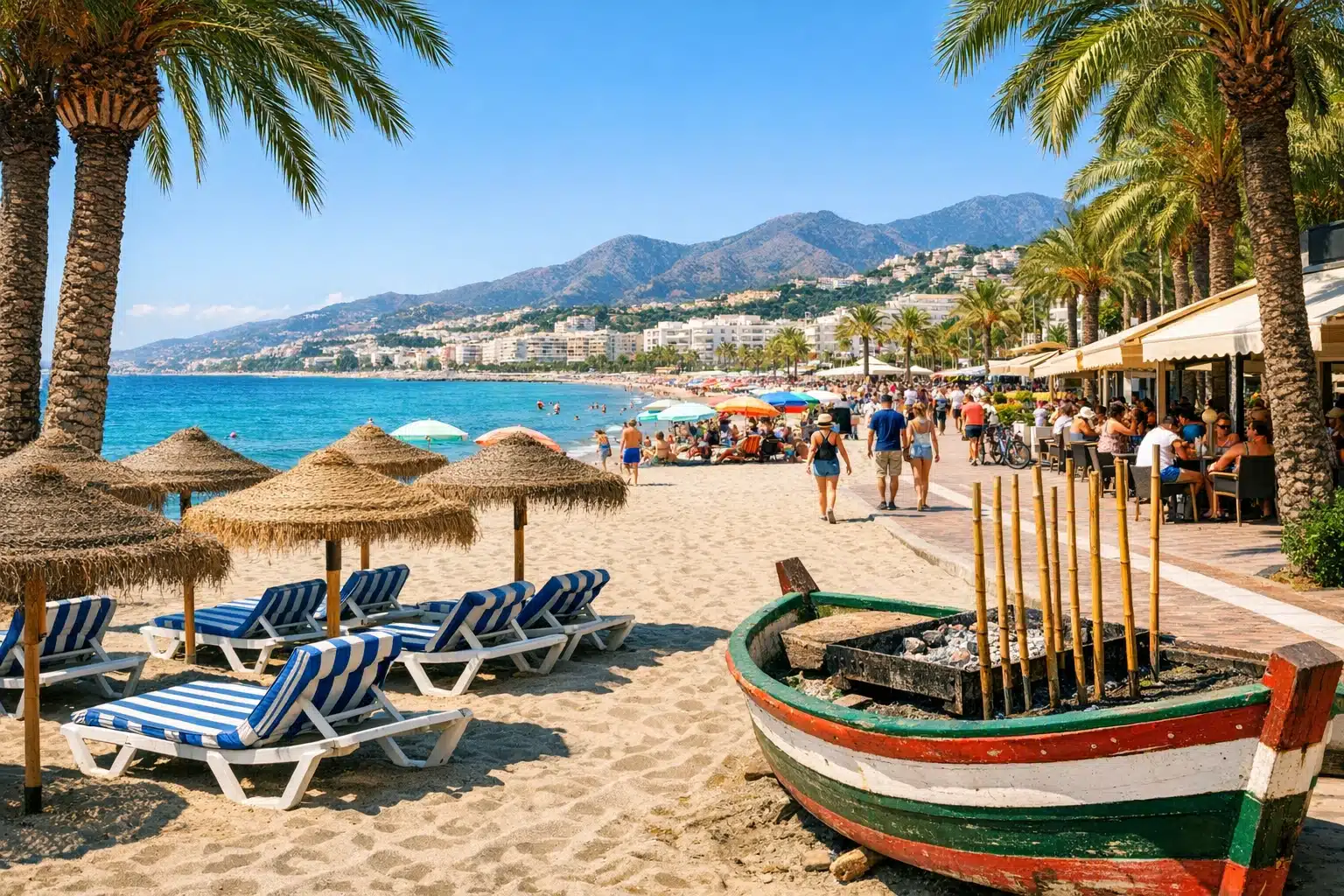
Food is central to that experience. The local table is not built around one famous dish but around a pattern of eating that feels generous and relaxed. Along the seafront, visitors will find grilled sardines cooked as espetos, fried fish served simply, rice dishes, anchovies, octopus, tomato-based salads, and cold soups suited to warmer months. In Málaga city, markets and tapas bars invite a slower kind of sightseeing, where wandering and eating naturally blend. A traveler might begin at Atarazanas Market, move on to a shaded plaza for a small plate and a drink, then end with sweet Málaga wine or a modern reinterpretation of regional classics. That mix of tradition and reinvention gives the food scene range without losing local identity.
The cultural layer is equally important. Málaga is the birthplace of Pablo Picasso, and its museum landscape has expanded noticeably in recent decades. Beyond museums, there are Roman and Moorish traces, churches, fortresses, seasonal festivals, and neighborhood celebrations that keep the area from feeling like a polished stage set built only for tourists. Even in resort towns, snippets of local life remain visible in municipal markets, evening paseos, family-run cafés, and festivals tied to saints, summer fairs, or Holy Week traditions.
Several elements work together here:
• Fresh seafood and tapas culture make eating part of the daily rhythm
• Museums and historic landmarks add substance to city breaks
• Traditional festivals bring local identity into public spaces
• Beachfront leisure coexists with ordinary Andalusian routines
Compared with some resort destinations where tourism can flatten the local character, the Costa del Sol often feels layered. One minute you are on a broad promenade with sunbeds and ice cream stands; the next, you are in an old quarter where laundry hangs above a stone lane and lunch drifts out of a kitchen window. That contrast is part of the magic. The coast is popular because it offers ease, but it stays memorable because it still feels rooted in a recognizable place.
Year-Round Activities: Beaches, Golf, Nature, and Short Break Flexibility
The Costa del Sol also succeeds because it gives travelers plenty to do beyond sitting on the sand. For some visitors, that alone would be enough, especially in summer. But the region’s real strength is the number of different holiday styles it can support across the calendar. This matters in a travel market where people expect flexibility. A destination that only works in peak beach season is increasingly limited. The Costa del Sol, by contrast, remains active in spring, autumn, and much of winter.
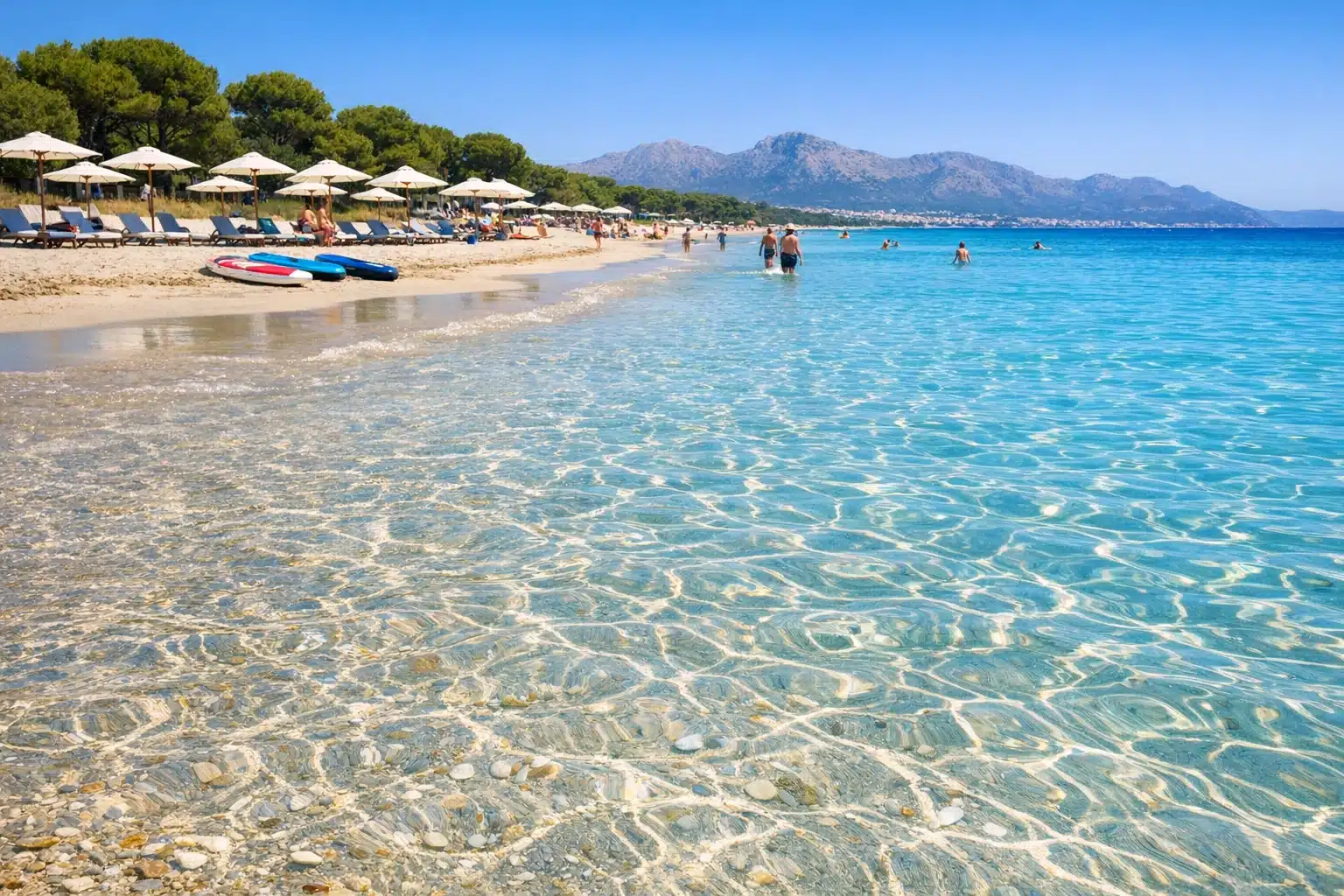
Beach life is still a major pillar. Wide urban beaches, smaller coves, family-friendly stretches, and promenade-backed shorelines all exist along the coast. Yet activity options quickly branch out. The area is famous for golf, to the point that many travelers casually refer to it as the “Costa del Golf.” Dozens of courses in and around Marbella, Estepona, Mijas, and Benahavís attract players who want mild weather and a dense choice of venues. Families find water parks, zoos, aquariums, cable cars, and marina areas that keep children occupied without requiring long transfers. Couples and groups often mix beach time with shopping, rooftop dining, spa visits, or nightlife.
Nature and day trips widen the picture further. Inland routes open up access to white villages, mountain viewpoints, and walking areas. The dramatic Caminito del Rey, though not on the coast itself, is one of the region’s best-known excursions. Ronda offers a different Andalusian mood entirely, while Granada can be reached for those who want to add the Alhambra and a stronger historical focus to a longer trip. For urban-minded travelers, Málaga provides galleries, concerts, architecture, and sports events that make even a weekend break feel full.
The seasonal spread is one of the coast’s biggest strengths:
• Summer suits classic beach holidays and late-night promenades
• Spring is excellent for hiking, sightseeing, and balanced temperatures
• Autumn often combines warm sea conditions with fewer crowds
• Winter appeals to golfers, walkers, city-break travelers, and sun seekers escaping colder climates
That range makes the Costa del Sol unusually resilient. A family, a golfer, a retiree, and a remote worker might all choose the same region for completely different reasons and all feel well served. The sea may be the headline image, but the destination’s popularity depends just as much on everything built around it: the routes inland, the active lifestyle options, and the ease of shaping each trip to personal taste.
Who the Costa del Sol Suits Best: Practical Planning and Final Thoughts for Travelers
For travelers deciding whether the Costa del Sol deserves a place on their shortlist, the answer often comes down to fit. This is not a remote, untouched coast built for total isolation, and it is not a one-note resort strip either. It works best for people who value choice, convenience, and a holiday that can be as lazy or as full as they want. That is a strong position in today’s travel market, where many visitors want comfort without giving up character.
Budget is one reason the region remains accessible to a broad audience. Prices vary widely by season and town. High-profile areas such as Marbella can be expensive, especially in summer, but there are many alternatives for travelers who want better value. Fuengirola, Torremolinos, parts of Benalmádena, and some stretches near Estepona often provide more moderate options, especially outside peak season. Málaga city can work well for shorter breaks, particularly for people who prefer to avoid renting a car. Transport also helps with value: the airport train link and coastal connections make it possible to stay somewhere practical and still explore several destinations.
Timing matters. July and August bring classic summer energy, warm sea temperatures, and lively nightlife, but also fuller beaches and higher prices. May, June, September, and October are often ideal for travelers who want warmth without the most intense crowds. Winter may not suit dedicated beach-only visitors, yet it can be excellent for walking, dining, golf, and slower stays under brighter skies than much of Europe. In simple terms, the region rewards matching the season to the kind of getaway you actually want.
If you are weighing options, this quick guide helps:
• Choose Málaga for museums, food, and short urban breaks
• Choose Marbella or Benahavís for golf, dining, and a polished feel
• Choose Nerja or Estepona for a calmer atmosphere and scenic appeal
• Choose Torremolinos, Benalmádena, or Fuengirola for convenience and family-friendly access
In the end, the Costa del Sol is popular because it solves several travel problems at once. It is easy to reach, simple to move around, warm for much of the year, and broad enough to suit different ages, budgets, and travel styles. For couples wanting a quick escape, families seeking an uncomplicated holiday, retirees looking for mild weather, or remote workers needing a comfortable base, Spain’s southern coast offers something rare: a getaway that feels effortless without feeling empty. That balance is what keeps the Costa del Sol firmly on the map.