Mallorca Coastal Getaways: What Travelers Should Know Before Visiting
Mallorca’s shoreline is not one single holiday mood but a string of very different experiences, from cliff-edged villages and pine-framed coves to long sandy bays built for families and beach clubs. That variety is exactly why preparation matters. A traveler who expects every resort to feel the same can end up far from the atmosphere, budget, or mobility they had in mind. Knowing how the island’s coasts differ helps turn a pleasant escape into a trip that feels personally right.
Outline: This article first maps the island’s main coastal personalities, then looks at beaches and access realities, seasonal timing and crowd patterns, transport and budgeting choices, and finally the local habits, safety concerns, and sustainability practices that help visitors travel more smoothly.
Choosing the Right Coastal Base: Mallorca’s Shores Are Not Interchangeable
The most important decision in a Mallorca beach trip often happens long before the suitcase is packed: choosing the right stretch of coast. Mallorca is the largest of Spain’s Balearic Islands, and although distances may look small on a map, road type, terrain, and resort design can make two places feel worlds apart. A hotel in Palma Bay gives you city convenience, nightlife, and easy airport access. A village on the northwest coast, by contrast, may offer dramatic scenery and a slower rhythm, but less sand, tighter roads, and fewer spontaneous late-night options. In other words, the island rewards travelers who match place to purpose.
The southwest, including areas such as Portals Nous, Santa Ponsa, and Andratx-side resorts, usually appeals to visitors who want polished infrastructure, marinas, shopping, golf, and easy day planning. This part of the island is well connected and practical, especially for short stays. Palma and nearby beaches work well for travelers who want both urban culture and coastal downtime. You can spend a morning in the old town and an afternoon by the water without needing to re-engineer your day.
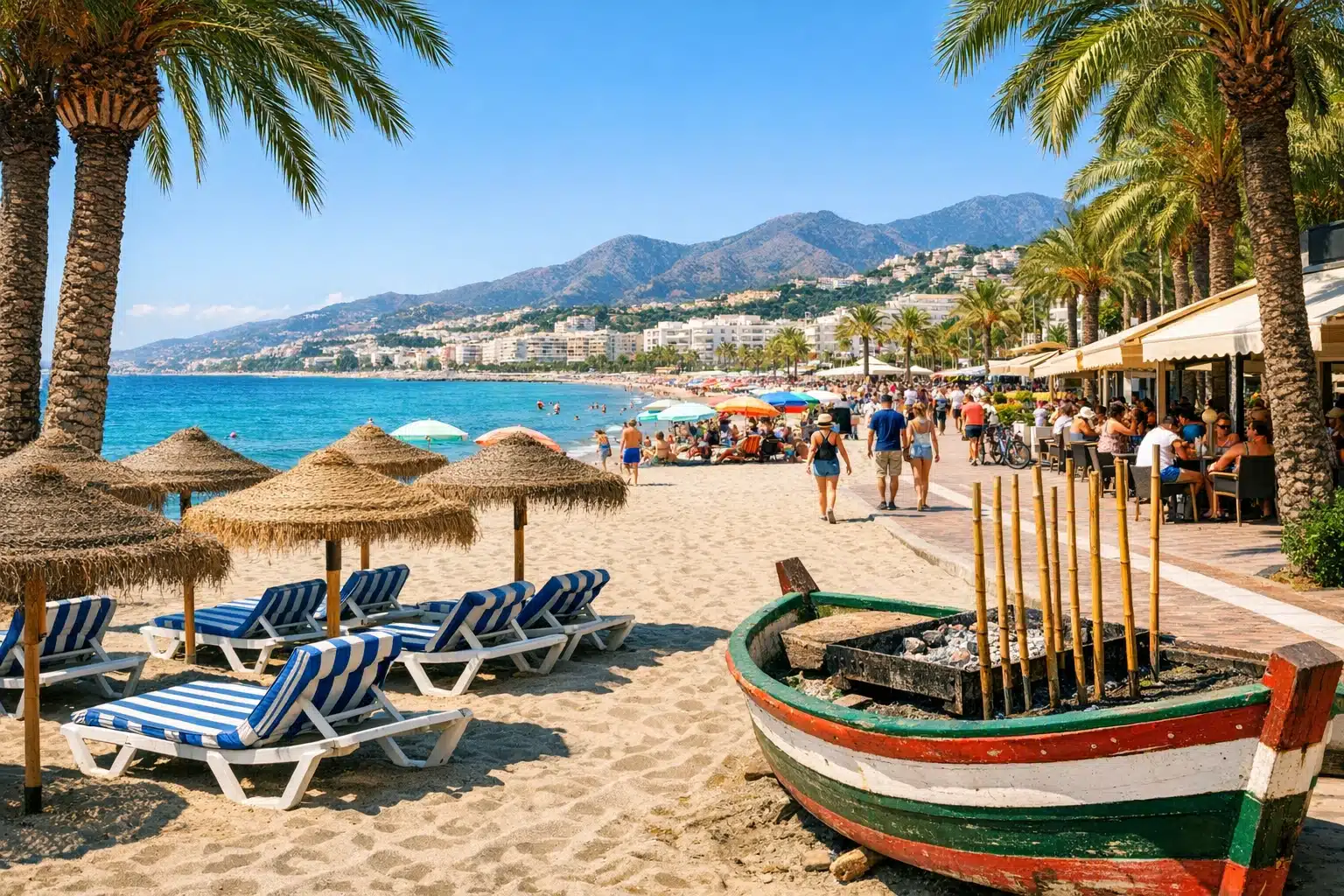
The north and northeast, including Port de Pollença and Alcúdia, suit travelers looking for longer sandy beaches, family-friendly shallows, and a more spacious feeling. Alcúdia Bay is especially known for broad beaches and gentler entries into the sea, which matters for families with children or less confident swimmers. Winds can also attract water-sports fans in some areas, so the vibe is often active rather than purely glamorous.
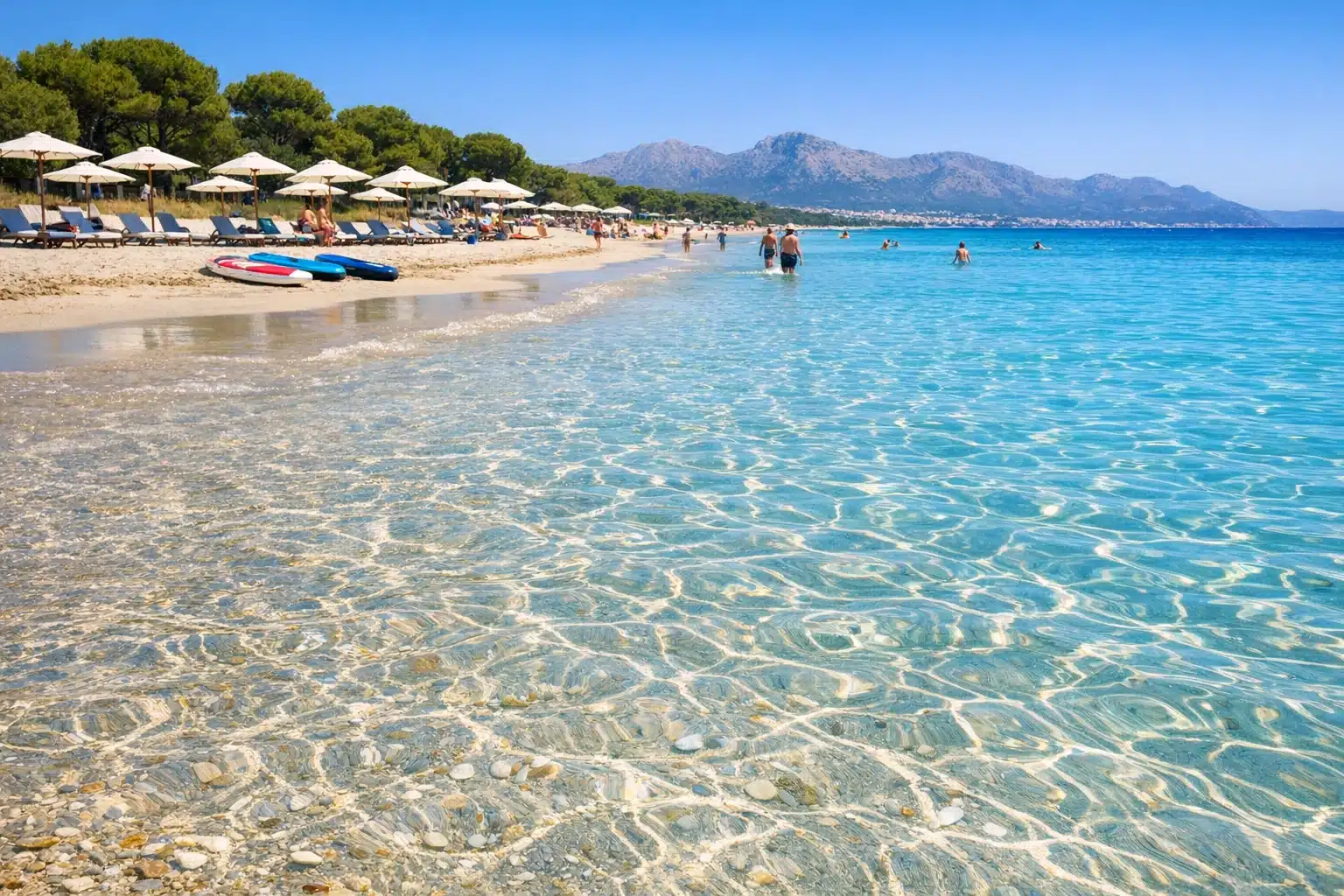
The southeast is where many visitors chase the dream image of Mallorca: smaller calas, turquoise water, and pine-backed coves. The catch is that beauty often comes with trade-offs. Parking can be harder, beach space is limited, and some coves require a walk. The northwest, near the Serra de Tramuntana, offers one of the island’s most striking landscapes and a UNESCO-recognized mountain setting, but it is less about large easy beaches and more about scenery, boat trips, viewpoints, and stone-built towns.
A quick matching guide helps:
• Palma Bay: best for first-time visitors, short breaks, and mixed city-beach plans.
• North and northeast: strong choice for families, cyclists, and travelers who want wider beaches.
• Southeast: ideal for cove lovers willing to plan around access and crowds.
• Northwest: best for scenery, hiking, and romantic village stays rather than all-day sand culture.
Think of Mallorca less as one destination and more as several coastal holidays stitched together. Once you understand that, the island becomes much easier to book well.
Beaches, Coves, and Swimming Conditions: What the Photos Usually Do Not Show
Mallorca’s coastal images are famous for a reason. The water can be exceptionally clear, many beaches are beautifully framed by cliffs or pine trees, and the range is broad enough to satisfy almost any beach preference. Yet the difference between a relaxing beach day and a frustrating one often lies in details that pictures do not communicate. A small cove can look magical online and still feel crowded by 10 a.m. in July. A long bay may appear less dramatic in photos but prove far better for swimming, shade access, food options, and comfort over several hours.
One useful distinction is between long sandy beaches and smaller calas. The long beaches, such as those found around Alcúdia Bay or Playa de Palma, typically offer more services: sunbed rentals, restaurants, toilets, water-sports stands, and easier access for strollers or travelers with reduced mobility. These places are practical and social. The smaller calas in the southeast or east often deliver a more cinematic arrival, but many involve steep steps, limited parking, and very little personal space during high season. If your dream beach day includes reading quietly under natural shade, timing becomes crucial.
Travelers should also know that Mallorca’s coastline includes sand, rock, pebbles, and platforms for sea entry. Water shoes can be useful, especially on mixed surfaces or for children. Lifeguard coverage varies by beach and season, so the presence of a famous name does not guarantee identical safety conditions. Flag systems matter, and they should not be treated as decoration. Wind, current, and swell can change the feel of the sea quickly, especially on more exposed shores.
Another point that surprises first-time visitors is Posidonia oceanica, the Mediterranean seagrass that sometimes washes ashore. Some travelers mistake it for poor maintenance, but it plays an important ecological role by stabilizing seabeds and helping protect coastal ecosystems. A beach with seagrass near the waterline is not automatically dirty; often it is part of a healthy marine environment. Expectations improve when visitors understand that “natural” and “groomed” are not always the same thing.
Practical beach packing in Mallorca usually means:
• Water shoes for rocky entries or slippery stones.
• A refillable bottle, because summer heat can build fast.
• Sun protection and a hat, since shade is not guaranteed.
• Cashless payment readiness, though a little cash can still help in smaller spots.
• Patience for access roads and parking, especially at famous coves.
Mallorca’s coast can feel like a film set, but real comfort comes from reading the setting as carefully as the scenery.
When to Visit: Weather, Crowds, and the Seasonal Mood of the Island
Timing shapes a Mallorca coastal getaway almost as much as location. The island has a classic Mediterranean climate, but the traveler experience changes significantly between spring, peak summer, and the shoulder months. July and August deliver the most reliable beach weather, with hot days that commonly rise into the high 20s or low 30s Celsius. Sea temperatures are pleasant, restaurants are fully operating, and boat excursions run at full rhythm. The trade-off is obvious: more visitors, heavier traffic, fuller beaches, and higher accommodation prices.
For many travelers, late May, June, September, and early October offer the best balance. The sea may be cooler in spring than in early autumn, but the island often feels more breathable. Roads are easier, restaurant reservations are less stressful, and even famous areas become more enjoyable when you are not competing with peak-season volume. September is especially attractive for travelers who want warm water without the feverish energy of midsummer. The island still hums, but it no longer shouts.
Weather also interacts with geography. The Tramuntana side can feel breezier and more changeable than sheltered bays elsewhere. Hikers, cyclists, and photographers often love spring and autumn because the landscape is more comfortable to explore on foot. Beach-only travelers who want long lazy swims may prefer high summer or early autumn. Families tied to school holidays often accept the higher costs of July and August because the predictability of the weather reduces planning anxiety.
Winter is a different story altogether. Mallorca does not shut down completely, and Palma remains active year-round, but many resort areas become notably quieter. Some coastal hotels, beach businesses, and excursion services reduce hours or close seasonally. For some visitors that is a drawback; for others it is a gift. A winter Mallorca trip suits walkers, drivers, food-focused visitors, and travelers seeking atmosphere rather than classic swim days. Expect fewer beach setups and more emphasis on towns, viewpoints, and local restaurants.
Seasonal planning works best when tied to your real priorities:
• Want postcard swimming and high energy? Choose July or August and book early.
• Want warmth with better breathing room? Aim for June or September.
• Want lower prices and scenic exploration? Look at spring or autumn shoulder dates.
• Want a quiet island break with coastal views but not a beach routine? Winter can work surprisingly well.
In Mallorca, the month is not a background detail. It is part of the destination itself, changing the island from lively resort stage to contemplative sea-framed retreat.
Transport, Costs, and Booking Strategy: How to Avoid Common Planning Mistakes
A Mallorca coastal trip becomes easier when travelers accept a simple truth: convenience has a price, and low prices often involve trade-offs in mobility, location, or spontaneity. Palma de Mallorca Airport is one of the major gateways in Spain, which makes the island highly accessible by air. That convenience helps demand stay strong in warmer months, and prices for flights and accommodation often rise quickly during holiday periods. Waiting too long to book a popular cove-area hotel in summer can mean paying more for fewer choices and less flexibility.
The next big question is whether to rent a car. The answer depends on your base. If you are staying in Palma, Playa de Palma, or a well-connected resort, public transport and occasional taxis may be enough. Mallorca’s bus network can cover many popular routes at a much lower cost than car hire, fuel, and parking. But if your plan includes small coves, mountain viewpoints, or multiple beach changes in a day, a rental car can save time and expand your options. The downside is that narrow roads, limited parking, and summer congestion can turn freedom into tension. Some famous places are easy to admire and harder to reach than first-time visitors expect.
Accommodation strategy matters just as much. Beachfront sounds tempting, but it is not always the smartest purchase. A place five to fifteen minutes from the shore can be quieter, better value, and still highly practical. Apartments or aparthotels often work well for families and longer stays because self-catering reduces restaurant spending. Hotels may suit shorter breaks, couples, or travelers who want breakfast included and less daily planning. Travelers should also watch for hidden costs such as parking fees, resort charges where applicable, sunbed rentals, beach club pricing, and transfer costs from the airport.
Daily food costs vary widely by area and style. Tourist-heavy marinas and beachfront strips tend to be pricier than inland local spots a short drive away. One of the easiest ways to protect your budget is to mix formats: a café breakfast, a bakery lunch or beach picnic, and one strong dinner out. That approach suits the island’s rhythm well and frees up money for a boat trip, car rental day, or special meal.
Booking smart in Mallorca usually means:
• Reserve summer accommodation as early as possible if beach access is a priority.
• Compare the full trip cost, not just the nightly room rate.
• Check parking, stairs, and beach distance before booking a “coastal” property.
• Use a car only if your itinerary truly benefits from it.
• Read recent reviews for noise levels, not just cleanliness and view.
A good Mallorca budget is not about spending little or spending lavishly. It is about paying for the parts of the trip you will actually use.
Local Rhythm, Etiquette, Safety, and Final Advice for Coastal Travelers
The best Mallorca trips usually feel easy, but that ease often comes from small respectful habits rather than luck. The island welcomes huge numbers of visitors, and coastal pressure is real in peak months. Travelers who move thoughtfully tend to have a better experience and leave a lighter footprint. That begins with basic beach etiquette: keep noise under control in smaller coves, take litter away even when bins are full, and avoid treating natural areas as private sets for endless staged photos. Mallorca can look dazzling, but it is still someone’s home and a fragile coastal environment.
Water awareness matters too. Many travelers underestimate hydration, sun exposure, and the effort involved in reaching scenic beaches. A short downhill walk to a cove can feel much longer on the return under midday heat. Sunburn, dehydration, and overconfidence in the water are more common holiday problems than dramatic emergencies. Families should favor beaches with clear facilities and lifeguards when possible. Solo swimmers and snorkelers should pay attention to flags, currents, and boat activity, particularly in busier bays.
Visitors should also adapt to local timing. Meal hours in Spain often run later than some travelers expect, and in resort areas this can blur into long, relaxed evenings by the sea. Making dinner reservations in popular zones is sensible in summer, especially for waterfront tables. Dress codes are usually casual, but walking far from the beach in swimwear is often frowned upon. The small sign of putting on a shirt or cover-up in town goes a long way. Respecting residential quiet, parking rules, and marked paths also matters, especially near rural coves and mountain roads.
Sustainability deserves a place in practical planning, not just in slogans. Mallorca faces water pressure and heavy seasonal demand. Travelers can help by reusing towels, choosing refillable bottles, supporting local businesses, and avoiding needless driving between crowded beaches simply for social media comparison. Sometimes the smartest decision is to enjoy one good bay properly rather than sprint across the island chasing a checklist. The sea does not need a witness from every angle.
For travelers deciding whether Mallorca is worth the effort, the answer is yes if expectations are realistic and planning is specific. Choose a base that matches your style, understand that famous beaches have logistical limits, pick a season that fits your tolerance for heat and crowds, and build in enough flexibility to enjoy the island rather than merely consume it. Mallorca rewards visitors who travel with curiosity instead of hurry. If you do that, the coastline stops being a postcard and starts becoming a place you can actually inhabit, even if only for a week.