Family Short Breaks & Thrill Park Holidays
A family short break has a special kind of energy: it feels spontaneous, manageable, and full of anticipation before anyone has even zipped a suitcase. Add a thrill park to the plan and the getaway becomes more than a change of scene, giving children and adults a shared story built from rides, laughter, and small acts of bravery in the queue. These trips matter because they fit real-life calendars, letting families reconnect without spending every holiday day at once. With smart choices, even two or three nights can deliver comfort, variety, and lasting memories.
Outline
- The growing appeal of short family getaways built around theme and thrill parks
- How to choose the right destination, accommodation, and park style for different age groups
- Ways to compare costs, booking methods, and value for money without sacrificing enjoyment
- Practical planning for queues, safety, meal breaks, weather, and energy levels
- How to add meaning beyond the headline rides and turn a quick trip into a memorable family tradition
Why Family Short Breaks and Thrill Park Holidays Work So Well
Family travel does not always need a long flight, a two-week schedule, or a sprawling itinerary to feel rewarding. In many households, the real challenge is not a lack of interest in travel but a lack of time. School terms, work commitments, sports fixtures, and everyday routines can make long holidays difficult to coordinate. That is why short breaks have become such a practical format. A trip lasting two to four nights is often long enough to create a sense of escape, yet short enough to fit around normal life with less disruption, lower planning stress, and more flexible budgeting.
Thrill park holidays fit this format especially well because they offer built-in structure. Instead of spending the first day wondering what to do, families arrive with a clear purpose. There is usually a headline attraction, a choice of rides for different confidence levels, themed areas, live shows, and places to eat without complicated transport between activities. For parents, this reduces planning fatigue. For children, it creates excitement before the trip even begins. Few things energize a car journey or train ride like a child asking whether today is the day they finally try the big coaster.
These breaks also work because they can serve more than one age group at once. A well-designed park usually includes a mix of family rides, gentler attractions, splash zones, indoor play, parade or show elements, and more intense experiences for older children, teenagers, and adventurous adults. Height restrictions often begin around 0.9 meters for smaller rides and rise to 1.2 or 1.4 meters for major coasters, so families can compare options in advance and avoid disappointment. This matters because the best short break is not simply the one with the tallest ride; it is the one where most members of the group have enough to enjoy for a full day or two.
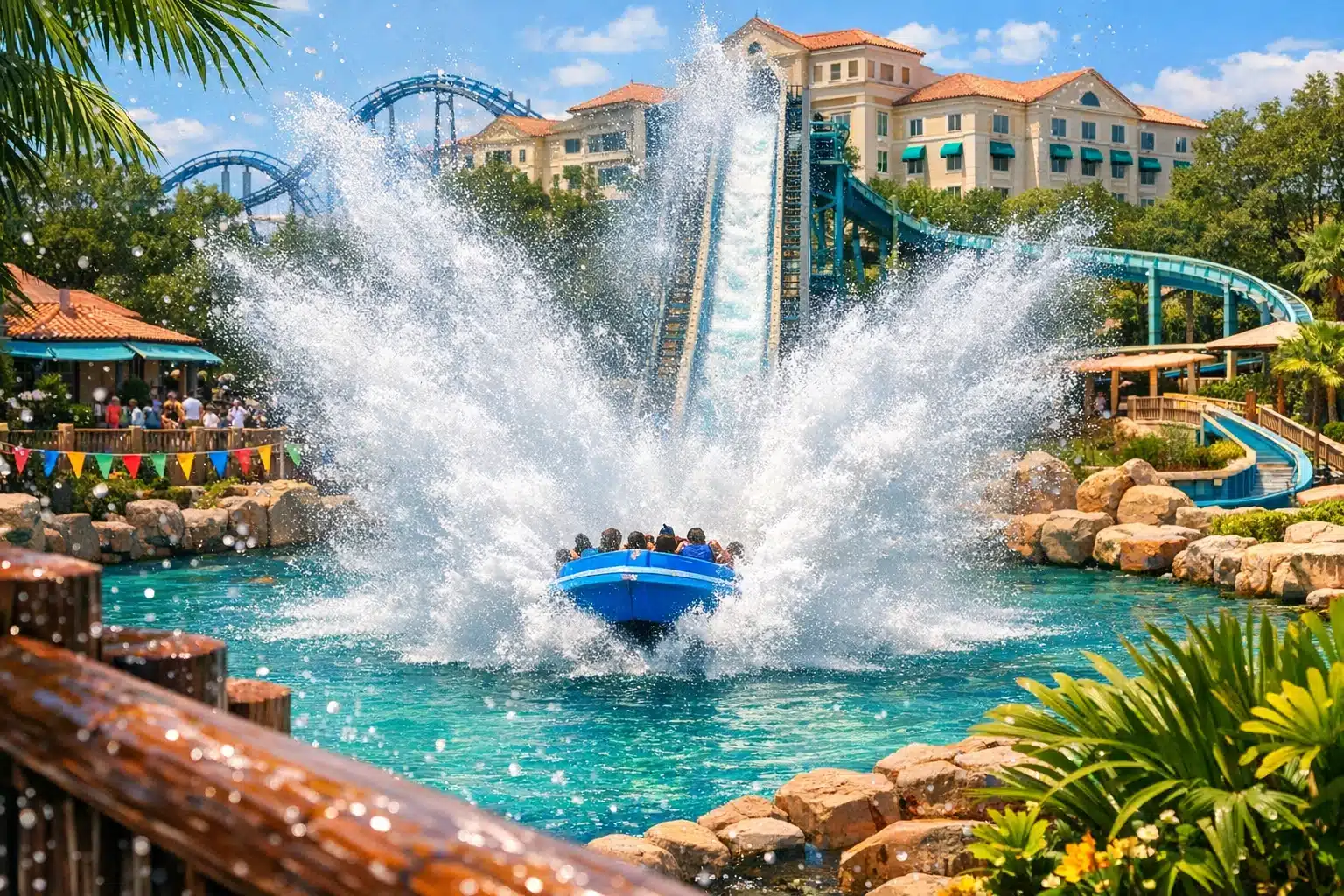
Compared with longer resort holidays, thrill park breaks are concentrated and energetic. The atmosphere feels immediate. Music plays, queues buzz, food stalls tempt tired walkers, and every turn promises another decision: something fast, something wet, something dark, or something just silly enough to make everyone laugh. That intensity can be a real advantage when time is limited. Rather than stretching entertainment across a week, the trip delivers memorable moments in quick succession. For many families, that creates stronger recall than a more passive holiday. Years later, people often remember the first drop, the nervous countdown, the soaked trainers, and the triumphant post-ride grin more vividly than they remember another generic hotel pool.
There is also a financial logic behind the popularity of these breaks. Shorter trips reduce total accommodation nights, limit time away from work, and make drivable destinations more attractive. Families in the UK or mainland Europe, for instance, can often reach a major park resort within a few hours by road, rail, or a short flight. In the United States, many regional amusement parks offer similar convenience for domestic travelers. The result is a holiday category that feels exciting without automatically becoming expensive or logistically overwhelming. That balance of emotion, convenience, and value explains why family short breaks and thrill park holidays remain relevant across many travel styles.
Choosing the Right Destination for Your Family
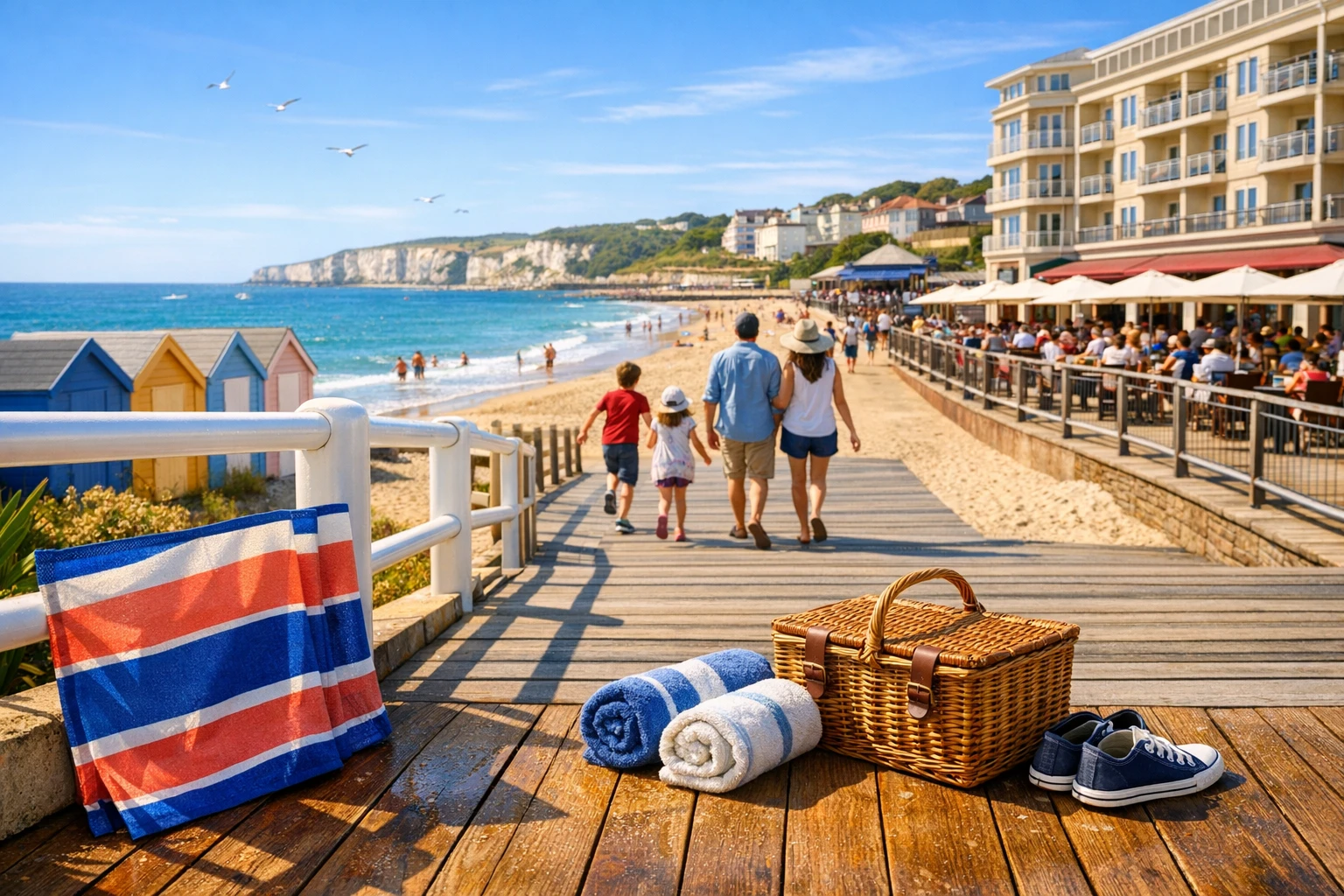
The phrase thrill park holiday sounds simple, but in practice it covers several very different kinds of trips. Some families want a large destination resort where the park, hotel, restaurants, and evening entertainment all sit in one compact area. Others prefer a broader short break built around one main park visit plus nearby attractions such as a beach, historic town, zoo, forest trail, or water park. The right choice depends less on what looks most dramatic in photos and more on how your family actually travels. Energy levels, ages, transport habits, tolerance for queues, and expectations around comfort all shape whether a destination feels easy or exhausting.
A useful first step is to decide which of these formats suits your group:
- Single-resort park break: Ideal for families who want simplicity, easy walking access, and minimal daily logistics.
- Multi-park destination: Better for older children, teenagers, or repeat visitors who want variety across two or more days.
- City and park combination: A smart option for families who like mixing high-energy attractions with sightseeing and dining.
- Holiday park base with day trip rides: Often good for younger children who need more downtime and familiar evening routines.
Age mix is one of the most important comparison points. A family with a six-year-old, a twelve-year-old, and two adults may need a very different destination from one traveling with thrill-seeking teens. Some parks are famous for intense coasters and older audiences, while others are stronger on immersive storytelling, indoor attractions, gentler rides, and family-friendly pacing. Looking closely at height requirements, ride descriptions, and show schedules is more useful than relying on marketing alone. A park may look spectacular online, but if half the headliner attractions exclude the youngest child, the day can become a series of compromises.
Accommodation choice also matters more than many first-time planners expect. On-site hotels typically cost more, yet they may offer early entry, shorter transfers, included parking, or the ability to return for a midday rest. That can be extremely valuable with toddlers, children who still nap, or adults who do not want to carry everything all day. Off-site hotels or holiday rentals can reduce the room bill and give more space, especially for larger families. However, the savings can shrink once parking fees, fuel, extra meals, or daily travel time are added. Convenience has a price, but so does distance.
Seasonality deserves close attention as well. Peak summer delivers long opening hours and full entertainment schedules, but also larger crowds and higher prices. Shoulder seasons such as late spring or early autumn often bring cooler weather, lower hotel rates, and a calmer park experience. Special events can change the atmosphere dramatically. Halloween programming may suit older children who enjoy theatrical scares, while festive winter openings can feel magical for younger families who value lights, shows, and seasonal treats over major water rides. Choosing well is less about finding one universally best park and more about finding the right match for your family’s pace, confidence, and idea of fun.
Budgeting, Booking, and Getting Better Value
One of the biggest myths about thrill park holidays is that they are either cheap and basic or expensive and extravagant, with nothing in between. In reality, these trips are highly adjustable. A family can build a smart, value-focused short break by understanding where the main costs sit and which extras genuinely improve the experience. The headline ticket price is only one piece of the budget. Transport, accommodation, parking, meals, fast-track access, souvenirs, photos, and seasonal demand can all change the total more than expected.
For most families, the core spending areas are easy to identify:
- Travel: fuel, rail fares, car hire, tolls, or short-haul flights
- Tickets: single-day entry, multi-day passes, family bundles, or resort packages
- Sleep: on-site themed hotels, nearby chain hotels, apartments, or holiday parks
- Food: breakfast plans, park lunches, evening meals, snacks, and drinks
- Extras: queue-jump passes, locker fees, ponchos, ride photos, and merchandise
Booking strategy makes a real difference. Advance tickets are often cheaper than gate prices, and many parks use variable pricing based on date and demand. Weekdays outside school holidays commonly offer better value than Saturdays in peak season. Package deals that combine hotel and admission can be worthwhile when they include breakfast, parking, early entry, or second-day access. However, not every bundle is a bargain. Some families find that booking a nearby hotel independently and buying tickets during a seasonal promotion costs less overall. The key is to compare the complete trip cost rather than one appealing headline number.
Food is another area where small decisions add up. A full day in a park usually means at least one meal, several drinks, and a few snack stops, especially in warm weather. Some parks allow guests to bring packed lunches or sealed drinks, while others limit outside food except for baby items or special diets. Checking the policy in advance helps families avoid unnecessary spending or awkward surprises at the gate. If the park permits re-entry, leaving for a nearby supermarket meal can be a sensible option. If not, choosing accommodation with breakfast included may at least reduce morning costs and speed up the start of the day.
There is also a value question around premium extras. Fast-track passes can be useful on very busy days, but they are not always essential. Families visiting in shoulder season or arriving before opening may find queue times manageable without them. On-site hotels, similarly, may cost 20 to 60 percent more than standard local rooms in some markets, yet the saved travel time can be worth it for a one-night break. Good value is not the same as low cost. It means paying for the things that genuinely improve the trip while skipping the purchases that look tempting but add little once everyone is back home unpacking damp shoes and souvenir wrappers.
Planning the Park Day: Queues, Safety, Comfort, and Family Rhythm
A successful thrill park holiday is rarely about fitting in every ride. It is about managing the day so that excitement does not collapse into tiredness, hunger, or avoidable stress. Families often imagine that the goal is maximum ride count, yet the better aim is a steady rhythm. A child who starts the morning confident can fade quickly after heat, noise, sugar, and long periods of waiting. Adults can do the same, even if they pretend otherwise. The smartest park plans leave room for breaks, flexible choices, and changes of mood.
Queues are usually the biggest pressure point. Signature attractions can reach waiting times of 60 to 90 minutes on busy days, sometimes longer in peak season. That does not mean the day is lost, but it does mean strategy matters. Arriving before opening gives families the best chance to ride one or two major attractions early. Many parks now offer apps with live queue times, map tools, show schedules, and food ordering. Used well, these reduce unnecessary walking and help families shift to shorter lines during the busiest midday period. For groups with mixed interests, a split-and-meet plan can work brilliantly: one adult takes older children to a major coaster while the other explores gentler attractions, then everyone reconnects for lunch or a show.
Safety planning is equally important, and most of it happens before anyone boards a ride. Children should understand basic rules such as staying with the group, listening to operators, keeping loose items secure, and saying something quickly if they feel unwell. Height restrictions are there for physical safety, not to spoil the fun, so it helps to frame them positively. A child who is not yet tall enough for one ride can still have a goal for the next visit. Families with younger children should also check whether the park offers rider switch programs, parent swap systems, or child wristbands with contact details.
A practical park-day checklist often includes:
- Refillable water bottles or a hydration plan
- Light rain layers or ponchos
- Sun protection and hats in summer
- Portable charger for maps, tickets, and photos
- Snacks for queues and post-ride recovery
- A clear meeting point in case anyone gets separated
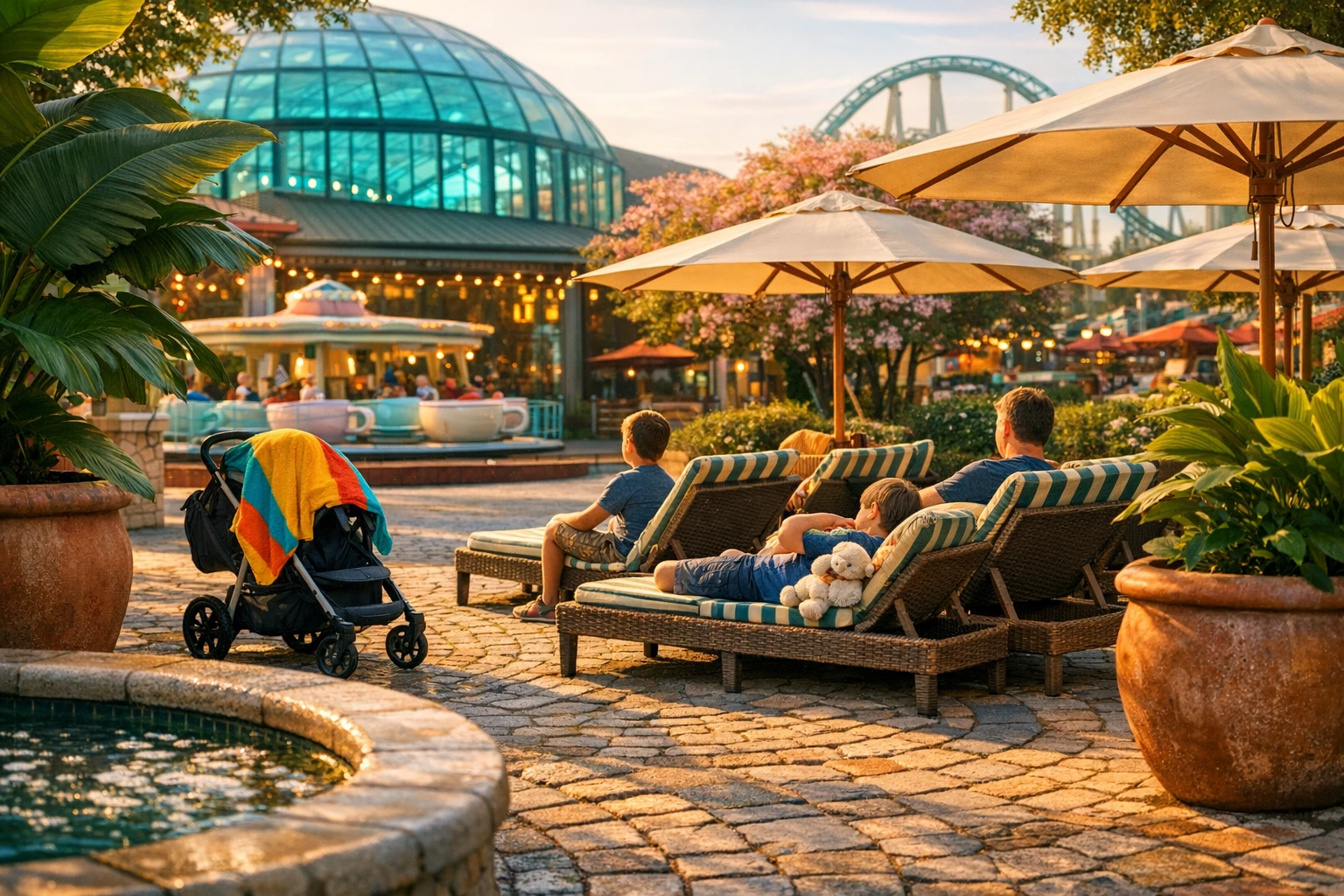
Comfort can change the whole mood of the trip. Comfortable shoes matter more than stylish ones. A return-to-hotel break can be a lifesaver when the park resort is nearby. Indoor shows, calm rides, playgrounds, and shaded benches are not wasted time; they are recovery tools that allow the day to continue pleasantly. Families who pace themselves often enjoy more by late afternoon than those who sprint through the first three hours. In a good short break, the memorable moments are not only the loud, fast ones. Sometimes the best part is the quiet pause after the biggest ride, when everyone compares reactions and realizes the day is working exactly as hoped.
Making the Trip Memorable Beyond the Big Rides
The most satisfying family short breaks rarely depend on roller coasters alone. Even in parks known for adrenaline, the strongest memories usually come from a broader mix of moments: the first glimpse of the entrance, the family debate over which ride to try next, the shared relief after a near miss with rain, or the unexpected pleasure of a calm evening meal when everyone is pleasantly tired. This is why the best thrill park holidays include time and space beyond the headline attractions. A short trip can feel richer when it combines speed with atmosphere, structure with spontaneity, and action with small rituals that belong only to your family.
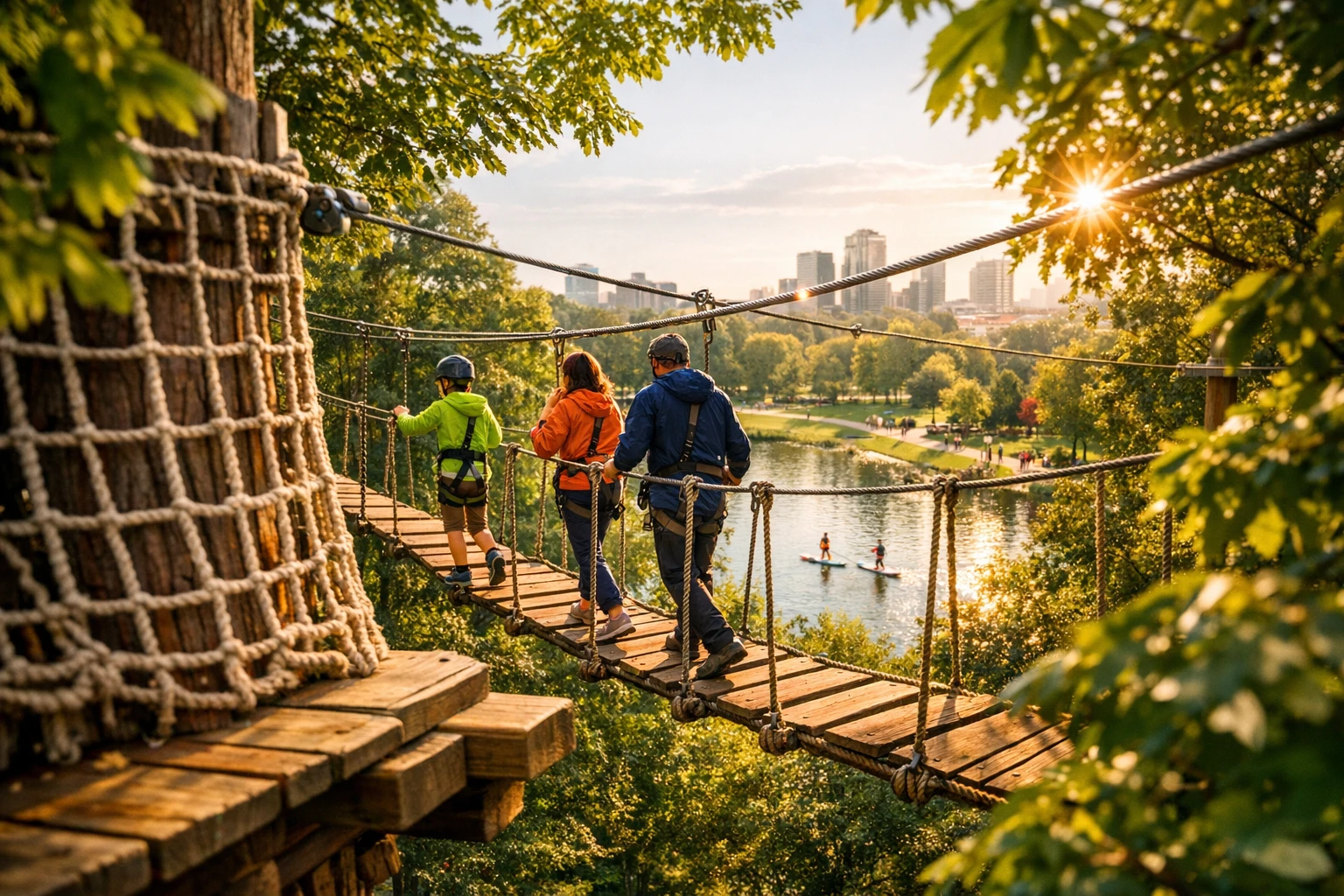
One useful way to think about this is to treat the park as the centerpiece rather than the entire story. If you are staying for two or three nights, consider what else can shape the break. A nearby lakeside walk, a local market, a themed hotel dinner, mini golf, a simple swim, or an hour in an old town square can prevent the holiday from feeling one-note. This matters especially for mixed-age groups. Grandparents, toddlers, or family members who do not enjoy intense rides can still feel fully included when the trip offers more than queue-and-ride repetition. Even thrill-focused teenagers often appreciate a slower start or a relaxed evening once the excitement settles.
Families can also make short breaks more meaningful by creating traditions. These do not need to be expensive. You might choose one silly group photo pose at every entrance, let each child select one must-do ride, keep a small travel journal, or buy one shared souvenir instead of several impulse purchases. Traditions add emotional texture and help children remember the trip as something personal rather than as a blur of branded experiences. They also give structure to repeat visits. Returning to a park after a year can become a quiet marker of growth: this time the once-nervous child is tall enough, this time the parents know where the peaceful corner café is, this time everyone handles the splash ride with better tactics and less panic.
There is a practical memory element too. Good photos are valuable, but endless filming can pull attention away from the day itself. A balanced approach works best: capture a few scenes, then put the phone away for the drop, the laugh, the surprise, or the family argument about who screamed loudest. These breaks are short by definition, which makes presence especially important. When time is limited, every hour has more weight.
Ultimately, a thrill park holiday becomes memorable when it reflects the character of the family taking it. Some groups want maximum intensity and efficient route planning. Others want a light, playful weekend with one big ride and a lot of ice cream. Neither approach is better. The real success lies in designing the short break around your people, not around an idealized version of how travel is supposed to look. That is how a quick getaway turns into a story retold long after the tickets have been tucked into a drawer.
Conclusion for Families Planning Their Next Getaway
Family short breaks and thrill park holidays are most rewarding when they are chosen with realism as well as excitement. The right destination is not automatically the largest, newest, or most extreme; it is the one that fits your family’s ages, travel tolerance, budget, and idea of a good day out. When parents compare ride mix, travel time, hotel convenience, seasonal pricing, and downtime options, a short trip can feel smooth rather than rushed. That balance is what turns a practical mini-holiday into something genuinely restorative.
For families with busy schedules, these breaks offer a strong return on time. They can deliver shared fun, fresh scenery, and a welcome reset without the complexity of a long vacation. If you plan with care, leave room for flexibility, and remember that comfort matters as much as excitement, even a two-night park break can create the kind of family memories that linger well beyond the journey home.