How to Plan a 4-Night Kelowna Lake Beach Resort Escape for Scenic Relaxation
Planning a four-night escape to Kelowna is less about collecting attractions and more about creating a rhythm that lets the landscape slow you down. Okanagan Lake gives the city a resort mood, yet restaurants, winery routes, and waterfront walks remain easy to reach. That mix is especially relevant for travelers who want meaningful rest without disappearing into a remote retreat. With thoughtful timing, the right beach resort, and a light daily structure, even a short stay can feel spacious.
Outline: The Shape of a Relaxation-First 4-Night Getaway
A four-night trip hits a useful middle ground between a hurried weekend and a longer holiday that demands more planning, more spending, and often more logistics. In Kelowna, that timing works particularly well because the city combines lakefront scenery with practical convenience. Kelowna International Airport is within a relatively short drive of the main resort areas, downtown is easy to navigate, and the shoreline gives you many ways to slow down without needing a packed itinerary. Okanagan Lake itself stretches for roughly 135 kilometers, so even a brief stay can feel visually expansive. You wake to open water, spend the day near beaches or vineyards, and still return to town for dinner without a complicated transfer.
Before getting into detailed planning, it helps to see the trip as a simple framework. That outline keeps the holiday focused on calm rather than on constant decision-making, which is often what quietly ruins short breaks.
-
Choose the season and your resort base with care, because location shapes the mood of every day.
-
Use Night 1 for arrival, settling in, and a gentle waterfront evening instead of trying to see too much.
-
Make the first full day beach-centered, with swimming, lakeside dining, or an easy cruise.
-
Reserve the middle of the trip for one scenic outing, such as wine country, a spa session, or a light nature excursion.
-
Keep the final full day flexible, then leave departure morning calm and unhurried.
This structure matters because not every kind of vacation benefits from the same tempo. A city break may reward you for stacking museums, shopping stops, and late dinners. A mountain trip may revolve around long hikes that require early starts. Kelowna, by contrast, shines when you leave intentional gaps in the schedule. The lake is part of the experience, and it does not reward rushing. Morning light looks different from afternoon shimmer, and sunset changes the shoreline again. At dusk, the water often stops looking like a destination and starts acting like a mood.
Season also changes the character of the trip. July and August usually offer the warmest swimming weather and the liveliest beach atmosphere, but they also bring the highest demand for lakefront rooms. Late May, June, September, and early October often suit travelers who want gentler pricing, fewer crowds, and pleasant conditions for walking, patio dining, and scenic drives. If your main goal is deep rest rather than peak-summer energy, shoulder season can be the smarter choice. That is why the best Kelowna escape is not automatically the most expensive one. It is the one whose pace matches your reason for going.
Choosing the Right Kelowna Lake Beach Resort and Best Area
The resort you choose will influence nearly everything else, from whether you need a car to how quiet your evenings feel. In Kelowna, the main decision is not simply luxury versus budget. It is also about atmosphere, walkability, and how much separation you want from busy public areas. Travelers often assume any lakefront property will deliver the same experience, but the difference between a downtown waterfront hotel and a quieter beachside resort farther south can be significant.
Downtown and the central waterfront are ideal if you want to walk to restaurants, coffee shops, marina areas, and public parks such as City Park or Waterfront Park. This area tends to feel more social and convenient, especially for first-time visitors. You can arrive, check in, and spend much of the trip without thinking about transportation. The trade-off is that the setting may feel busier, especially in high summer, when beaches, patios, and streets are active well into the evening.
South Pandosy and the Lower Mission area offer a different tone. These neighborhoods often feel more residential, more beach-oriented, and a touch more laid-back while still providing access to services. Beaches such as Boyce-Gyro and Rotary Beach give you a stronger “lakeside holiday” feeling than some central spots, especially if you enjoy longer shoreline walks and a little more breathing room. If your version of unwinding includes reading on a balcony, slipping down to the sand, and returning to a quieter room at night, this area is worth serious consideration.
Properties farther from the core can feel even more secluded, but there is an obvious trade-off. You may gain a stronger resort atmosphere and better sunset privacy, yet you often give up walkable dining and may need a car or regular rideshare use. That can be perfectly worthwhile for couples or solo travelers who plan to stay close to the property. It is less convenient for visitors who like spontaneous dining choices and evening strolling.
-
Prioritize direct or near-direct beach access if the lake is the main reason for the trip.
-
Look for balconies, patios, or lake-view seating, because scenery is part of the value.
-
Check whether the resort has a pool, spa, or on-site restaurant for low-effort downtime.
-
Consider suite-style rooms or kitchenettes if you want flexible breakfasts and simple lunches.
-
Read recent reviews for noise, parking, and beach conditions rather than relying only on photos.
Another practical factor is transportation. Downtown Kelowna is often around 15 to 20 minutes from the airport in normal conditions, while Lower Mission can take longer depending on traffic. If you are booking a four-night trip, that difference is manageable, but it still matters when choosing arrival and departure timing. The best resort is not always the one with the grandest lobby. For a short scenic stay, the smartest choice is usually the property that reduces friction, supports your preferred pace, and puts the view where you can actually enjoy it.
Days 1 and 2: Arrive Softly and Let the Waterfront Set the Pace
The first night of a short trip should feel like an exhale, not a test of ambition. Many travelers lose precious time by trying to squeeze in a winery tour, a dinner reservation across town, and an evening walk immediately after check-in. Kelowna rewards a gentler approach. If possible, arrive by mid-afternoon, settle into your resort, and spend the first hour doing very little. Open the balcony door if you have one. Change into lighter clothes. Sit by the water or pool before making any plans. That small pause helps the trip begin as the trip you intended, rather than as an extension of travel day stress.
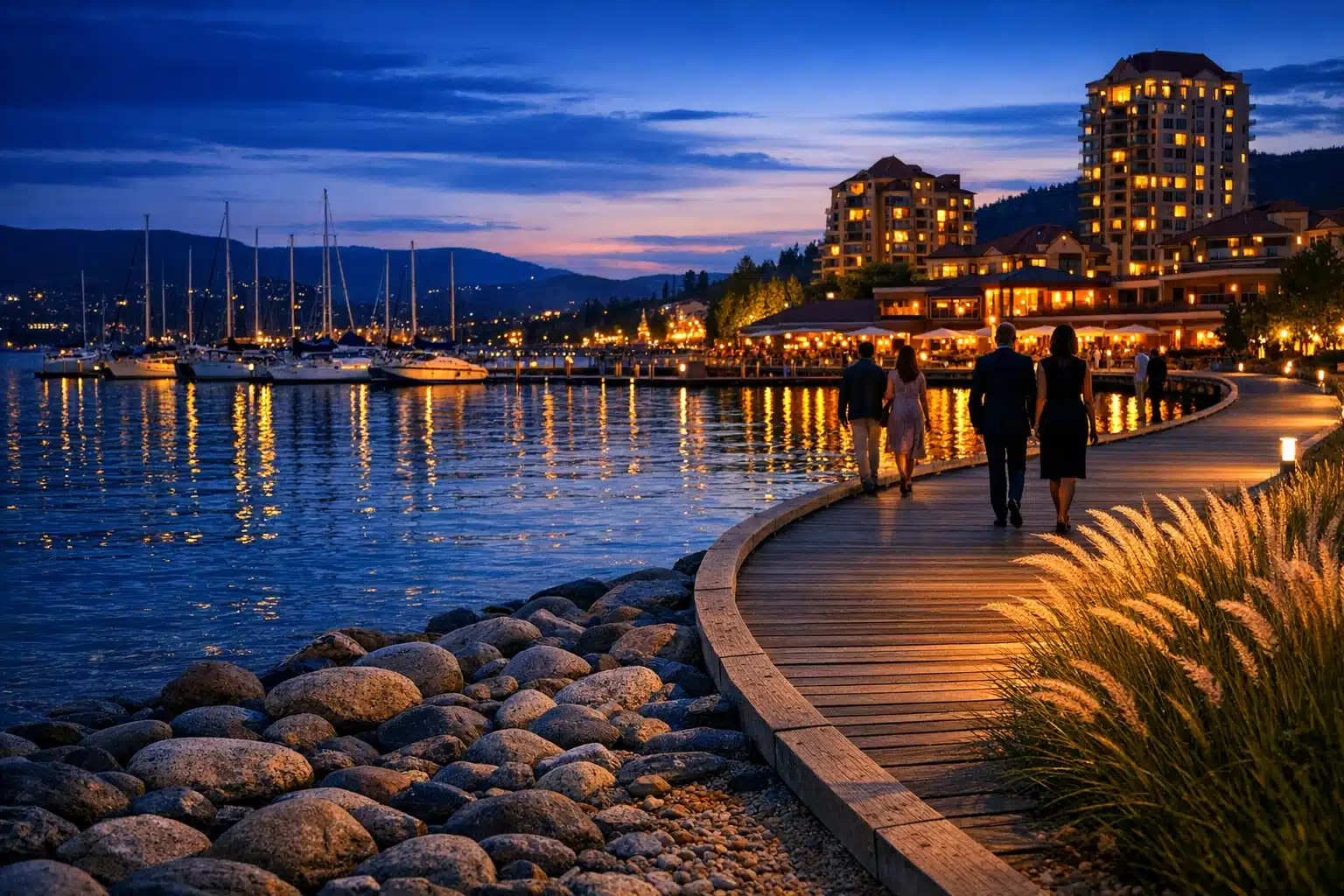
For Night 1, keep the evening close to your hotel. A lakeside dinner, a shoreline stroll, and an early night are enough. If you are staying downtown, the waterfront promenade offers an easy first impression of the city, with marinas, public art, and broad views across the lake. If you are based farther south, the reward is often quieter shoreline time and a more local feel. Either way, sunset is the real event. Kelowna evenings often shift from bright blue to soft gold with surprising speed, and the changing light can do more for your mood than an overplanned schedule ever will.
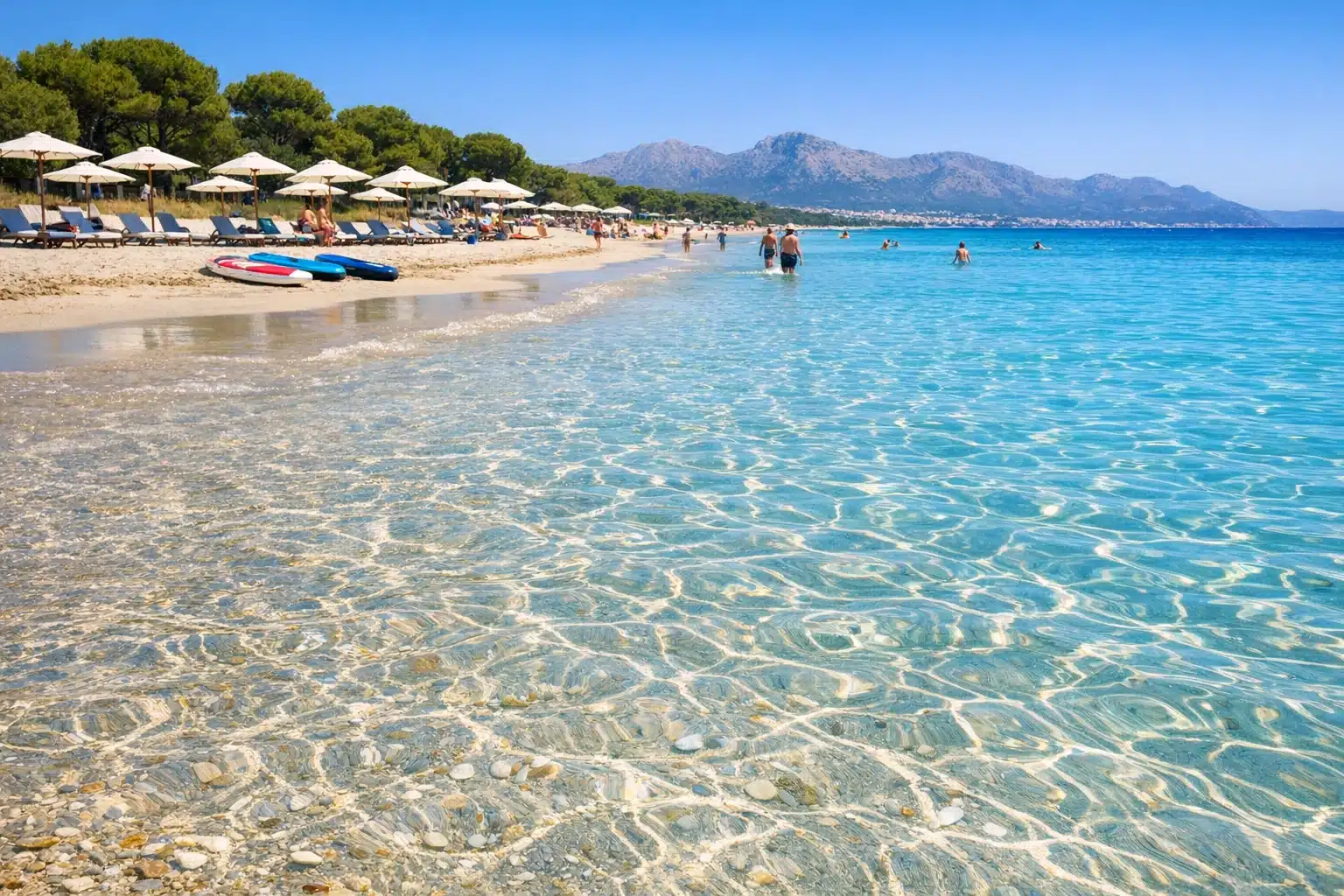
Your first full day should revolve around the water. This is not because Kelowna lacks other attractions, but because the lake is the reason the city feels distinct. Start with a slow breakfast, ideally outdoors. Then choose one beach-centered activity instead of several competing plans. Depending on your style, that may be a morning swim, paddleboard rental, kayak session, or simply a rented lounger with a book and sunscreen. City Park is convenient and lively, while Boyce-Gyro and Rotary Beach often feel more relaxed and spacious. Downtown gives you easier access to cafes and shops; Lower Mission tends to lean more naturally into long beach hours.
A useful way to structure the day is to alternate activity and stillness:
-
Morning: beach time or a gentle paddle on calm water.
-
Midday: retreat to the resort for lunch, shade, and air-conditioned downtime.
-
Late afternoon: a scenic walk, marina browse, or short boat cruise.
-
Evening: patio dinner with a view, then a quiet return instead of a late-night push.
This pattern works better than a nonstop day because Kelowna’s summer sun can be intense, and even energetic travelers often enjoy the city more when they build in a midday reset. If you want one optional splurge, a sunset cruise can be a strong choice. It gives you lake scenery from a fresh angle without demanding much physical effort. By the end of Day 2, the goal is not to feel like you covered everything. It is to feel that the lake has begun to set the tone for the rest of your stay.
Middle Days: Wine Country, Light Adventure, and Slow Evenings by the Lake
By the middle of the trip, you should know whether your body wants more motion or more stillness. That is the right time to add one scenic outing and one restorative experience, rather than stacking multiple headline activities into a single day. Kelowna gives you several strong options. The city is known for vineyards, lake lookouts, and accessible outdoor experiences, but not all of them suit the same traveler. A good plan asks what kind of memory you want to carry home: tasting wine above the water, watching the city from a ridge, cycling a gentle trail, or spending half a day at a spa with nowhere urgent to be.
For many visitors, a wine country excursion is the most natural choice. West Kelowna is home to several well-known wineries with dramatic views over Okanagan Lake, and southeast routes near the city also offer appealing stops. The comparison worth making here is simple. Large, established estates often provide polished settings, broad tasting menus, and striking architecture. Smaller wineries may feel quieter, less formal, and more intimate. Neither is automatically better. If this is your first Kelowna trip and you want a classic panorama, a larger property can be rewarding. If you value conversation and a calmer pace, smaller tasting rooms may suit you better.
Travelers who prefer nature over wine have equally strong alternatives. Knox Mountain offers sweeping viewpoints close to downtown, which makes it useful for a short stay because you do not lose much transit time. Myra Canyon, farther out, is known for its historic trestles and scenic trail route, making it a good fit for a half-day outing if you enjoy easy-to-moderate active time. The key is to choose only one anchor experience for the day. A half-day scenic plan paired with an unhurried afternoon at the resort nearly always feels better than a schedule with three separate outings.
One effective middle-day formula looks like this:
-
Morning: relaxed breakfast and late start.
-
Late morning to early afternoon: winery visit, viewpoint drive, or trail walk.
-
Mid-afternoon: spa treatment, pool time, or a nap behind drawn curtains.
-
Evening: dinner with regional wine or fresh local produce, followed by a beach walk.
For the final full night, consider keeping plans especially light. This is when travelers often feel tempted to “fit in one last big thing,” but a quieter finale usually leaves a better impression. Return to the beach near golden hour. Order dessert by the water. Watch the last light gather on the lake surface like brushed metal. If the earlier part of the trip gave you activity, let the last evening give you calm. That contrast is what makes a short resort stay feel complete rather than unfinished.
Booking, Budget, Packing, and Conclusion for the Right Kind of Traveler
A relaxing trip can lose its charm quickly if the booking process creates avoidable friction. The easiest way to protect the mood of a four-night Kelowna escape is to make a few practical decisions early. First, decide whether you are traveling for peak-summer swimming or for a quieter shoulder-season atmosphere. That single choice affects room rates, beach crowds, restaurant availability, and how far in advance you need to book. Summer lakefront properties are typically in highest demand, so travelers planning for July or August are wise to reserve months ahead if they want specific room types, lake views, or weekend dates. Shoulder season often gives you better flexibility and a more serene overall feel.
Budget planning is also easier when you divide spending into categories instead of looking only at the room rate. A cheaper hotel can become more expensive if it requires frequent rides, parking fees, or restaurant meals because there is no kitchenette. By contrast, a slightly higher nightly rate may prove worthwhile if it includes beach access, better walkability, or amenities that reduce extra spending.
-
Set separate allowances for accommodation, food, transport, and one optional splurge.
-
Consider weekday-heavy stays, since midweek pricing can be more favorable than peak weekend nights.
-
Book one or two meaningful experiences rather than several small paid activities that blur together.
-
Reserve key dinners or spa appointments early in busy months, but leave some meal slots open for spontaneity.
Packing should support the lake lifestyle rather than complicate it. Light layers are important because hot afternoons can turn into cooler evenings near the water. Comfortable sandals, a hat, sun protection, swimwear, and a reusable water bottle are basics. If your idea of rest includes reading outdoors, bring a book you genuinely want to open, not one you think you should finish. If you enjoy photography, sunrise and sunset around the lake are worth planning for, even if only from your balcony or a nearby beach.
This kind of four-night Kelowna trip suits a specific audience especially well: couples who want an easy romantic break, solo travelers seeking space to reset, friends who enjoy scenic dining more than nightlife marathons, and busy professionals who need a short change of pace without complex travel logistics. It may be less ideal for travelers who want nonstop urban energy or a rugged wilderness expedition. Kelowna sits in a more balanced middle zone. It offers comfort without stiffness, scenery without remoteness, and enough activity to keep the trip interesting without turning rest into another task. If that sounds like your kind of escape, the smartest plan is simple: choose a lake-focused resort, protect your time, and let the view do some of the work.