Peaceful Algarve Beach Resort Retreats with Oceanfront Views
Why the Algarve Works So Well for a Peaceful Coastal Escape
On Portugal’s southern edge, the Algarve offers a rare mix of dramatic shoreline, calm hospitality, and resorts that let the sea do most of the talking. For travelers who want rest instead of noise, an oceanfront stay here can shape the rhythm of an entire holiday, from slow breakfasts on a terrace to sunset walks below ochre cliffs. This guide looks at where to stay, what features matter, and how to choose a retreat that feels genuinely peaceful rather than simply expensive.
To keep the journey clear, this article follows a practical outline: • why the Algarve suits a quieter seaside break • how the western, central, and eastern resort areas differ • which resort features actually influence comfort and privacy • when to visit for the best balance of weather and calm • how different travelers can match the right retreat to their pace, budget, and expectations. That structure matters because the Algarve is often treated as one destination, when in reality it behaves more like a chain of small coastal worlds linked by the same sun and sea.
The region’s appeal starts with geography. The Algarve stretches across Portugal’s south and southwestern edge, combining limestone cliffs, hidden coves, long sandy bays, fishing towns, low-rise villages, and nature-rich lagoon systems. It is also easy to reach compared with many slow-travel beach destinations. Faro Airport connects the area to major European cities, and most resort zones can be reached by car in roughly 30 to 90 minutes depending on where you stay. That convenience is important for travelers who want a restorative break without spending an entire day on transfers.
Climate adds another layer of relevance. The Algarve is widely associated with around 300 sunny days a year, and while weather always varies, the region is known for a relatively dependable pattern of warm, bright conditions from spring through autumn. Many beaches receive environmental recognition, and the coast supports a mature hospitality sector that ranges from design-led boutique resorts to established spa hotels and family properties with direct sand access. Still, “peaceful” is not automatic. A hotel in a nightlife-heavy district may have a sea view and yet feel busy from morning until late evening. That is why careful comparison matters.
For readers planning a couple’s escape, a solo reset, a quiet anniversary trip, or even a gentler family holiday, the subject matters because the right Algarve resort can deliver more than scenery. It can create a different tempo: fewer decisions, less rushing, and more moments where the Atlantic becomes the background music to a well-paced day. The sections that follow focus on how to find exactly that.
Comparing Algarve Resort Areas: West, Central, and East
The first smart decision is not choosing a hotel brand or room category. It is choosing the right part of the coastline. The Algarve’s resort personality shifts noticeably from west to east, and that difference shapes everything from beach atmosphere to wind levels, dining style, and how crowded your surroundings may feel. A simple way to read the map is this: • the west is dramatic and often wilder • the central zone is convenient and varied • the east is softer, flatter, and generally quieter.
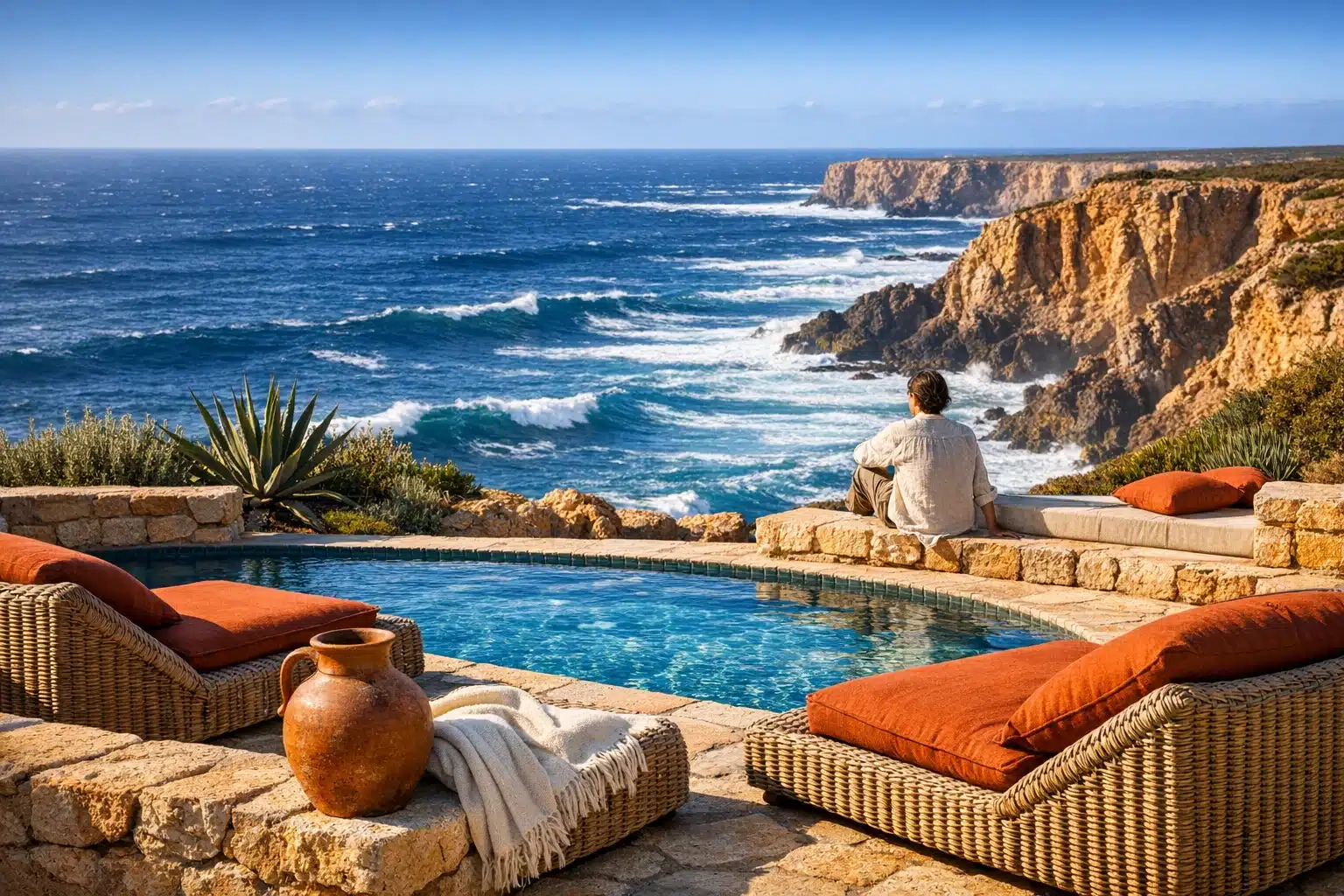
Western Algarve, including areas around Sagres, Salema, Burgau, and parts of Lagos, appeals to travelers who like scenery with a stronger natural edge. Cliffs are more prominent, the Atlantic energy feels more present, and the landscape can seem stripped back in a beautiful way. Sagres, especially, is better for people who value open horizons, surfing culture, and a sense of distance from polished resort life. It can also be windier. Lagos offers a useful compromise: a historic town, striking rock formations near Praia Dona Ana and Ponta da Piedade, and access to both culture and beaches. If you want a peaceful retreat with the option of restaurant variety and marina walks, Lagos often stands out.
Central Algarve includes Albufeira, Vilamoura, Armação de Pêra, and Carvoeiro. This is the most accessible and commercially developed stretch, so selection is broad. Carvoeiro tends to suit travelers looking for cliff views, compact charm, and a more intimate mood than larger resort hubs. Vilamoura offers polished infrastructure, golf access, and well-managed resort compounds, though the marina area can feel lively rather than secluded. Albufeira is the most mixed case. It has excellent beach access and many accommodation choices, but some districts are closely tied to nightlife. Travelers seeking quiet should check not just the town name but the exact micro-location of the property.
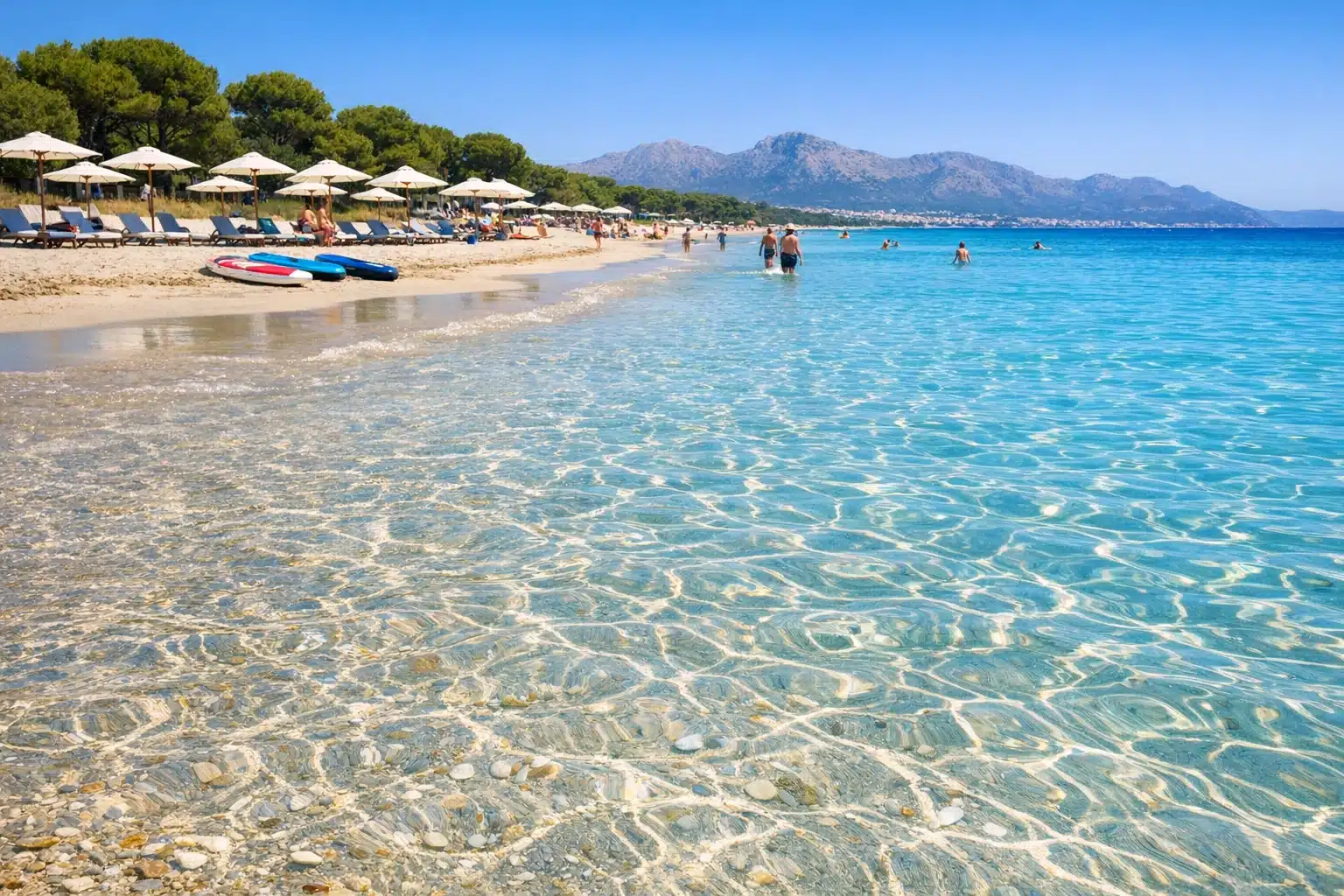
Eastern Algarve, with Tavira, Cabanas, Monte Gordo, Altura, and the Ria Formosa zone, is often the strongest match for travelers prioritizing calm over spectacle. The coast here features barrier islands, broad sandy strands, wetlands, and a more relaxed visual language. Tavira combines elegant architecture with a quieter cultural tone, while nearby beach access often involves short ferry or boardwalk journeys that naturally reduce traffic intensity. It feels less cinematic in the cliff-and-cove sense, but many visitors find it more breathable and less performative.
Travel time also matters. From Faro, Albufeira and Vilamoura are relatively quick to reach, Tavira is also convenient, Lagos is farther west, and Sagres takes longer. For a short stay of three or four nights, that transfer time may influence how restful the trip feels. In practical terms, the best peaceful retreat is rarely the most famous one. It is usually the place where your preferred scenery, transport tolerance, and social energy level line up.
What to Look for in an Oceanfront Resort Beyond the Marketing Photos
Once the right area is chosen, the next challenge is interpreting what resorts actually offer. Oceanfront properties in the Algarve can look similar online, yet the lived experience may be dramatically different. A room described as “sea view” might deliver a distant slice of blue above rooftops, while another property with fewer design flourishes may place you directly over a quiet cove where the tide becomes part of the room’s atmosphere. Reading carefully matters more than many travelers expect.
The most valuable factor is the relationship between the building and the water. Ask whether the resort sits directly above the shore, beside a public road, on a cliff with steps to the beach, or within a short walk of the sand. These are not minor details. A cliffside property can offer magnificent panoramas, but if access requires many stairs, it may not suit every guest. A beachfront hotel on a long bay can be easier for swimming and morning walks, yet it may also attract more day visitors in peak summer. In other words, view quality and beach convenience are not always the same thing.
Resort style also influences peace. Adults-focused hotels often deliver quieter pools, later breakfasts, and a generally softer acoustic environment. Family resorts can still feel serene, especially when they are spread across landscaped grounds, but the atmosphere usually includes more movement and more structured activity. It helps to decide what kind of quiet you want. Do you mean silence, minimal logistics, fewer children around the pool, or simply enough space that the hotel never feels compressed?
A practical checklist can help: • confirm the exact room category and orientation • look for soundproofing comments in guest reviews • check whether there is direct sunset exposure or early shade • compare pool count with room count • see if spa and wellness spaces are central or tucked away • review dining options on-site so you are not forced to drive every evening. Resorts that support a calm stay usually handle small frictions well. They provide easy parking, intuitive paths, reliable breakfast service, and enough seating outdoors that you do not feel you are competing for the view you paid for.
Wellness features can be especially important in the Algarve retreat category. A thoughtful spa, yoga deck, heated indoor pool, or shaded garden lounge can make a major difference on windy days or during shoulder-season afternoons. Sustainability is worth noting too. Some of the region’s better-regarded properties invest in low-rise design, native landscaping, water-conscious gardening, and more measured development that respects the coastline rather than overwhelming it. This does not guarantee a perfect stay, but it often signals a more considered hospitality philosophy.
Finally, pay attention to the surrounding environment, not just the resort itself. A peaceful property next to a busy beach club or party street may still be noisy at night. By contrast, a slightly less flashy hotel on the edge of a village can offer the kind of quiet people remember long after the room décor is forgotten. In the Algarve, the best oceanfront retreat is usually the one that understands restraint.
When to Visit and How to Shape the Most Restful Algarve Experience
Timing changes the Algarve more than many first-time visitors realize. The same resort can feel hushed and restorative in May or October, then energetic and densely social in late July. For travelers chasing peace, season is not a side detail. It is one of the main booking decisions. Shoulder months are often the sweet spot because they combine pleasant weather, manageable airport traffic, easier restaurant reservations, and beaches that still feel spacious enough to breathe.
Spring, especially April to early June, works well for guests who enjoy mild warmth, greener landscapes, and active days that mix walking with occasional pool or terrace time. The Atlantic may still feel brisk for some swimmers, but many travelers accept that trade-off in exchange for quieter scenery. September and October are often equally attractive, with sea temperatures generally warmer after summer and a mellower social atmosphere once school-holiday peaks begin to ease. These months tend to suit couples, solo travelers, photographers, and remote workers who want daylight, color, and less pressure on local infrastructure.
High summer has clear advantages too. If your priority is guaranteed beach weather, long daylight hours, and the fullest range of open facilities, July and August can be appealing. Yet peace becomes more location-dependent. A resort in eastern Algarve or on the outskirts of a smaller village may still feel calm, while a central property near nightlife corridors may deliver a far busier experience than the website suggests. This is where daily routine becomes part of the strategy. Early mornings and late afternoons often reveal the Algarve at its most graceful. Before the midday heat builds, beaches are quieter, cliff paths feel freshly lit, and breakfast terraces seem to hover between sea and sky.
To shape a low-stress stay, it helps to think beyond the room. Consider building your days around a gentle pattern: • sunrise or early walk • unhurried breakfast • beach or pool time before noon • long lunch with shade • a reset in the spa or room during peak heat • sunset outing or coastal dinner. It sounds simple, and that is the point. Many great Algarve holidays come not from doing more, but from removing friction and letting the coast set the pace.
There is also value in leaving the resort occasionally, but selectively. A short boat trip from Lagos, an evening in Tavira’s old town, a seafood lunch in Ferragudo, or a boardwalk walk near the Ria Formosa can deepen the trip without breaking its calm mood. The trick is not to turn a retreat into a checklist. The region rewards lighter planning. One tide, one terrace, one remarkably clear sunset can do more for the memory of a holiday than a packed itinerary ever will.
Conclusion: Choosing the Right Algarve Retreat for Your Travel Style
If you are the kind of traveler who opens a hotel website and immediately looks for the view, the Algarve gives you plenty to work with, but the smartest choice comes from matching landscape to lifestyle. Couples seeking romance and quiet dining often do well in Carvoeiro, parts of Lagos, or the eastern side near Tavira and Cabanas, where the pace is softer and evenings tend to feel more atmospheric than loud. Solo travelers looking for rest, reading time, and scenic walks may prefer boutique-scale properties in the west or east, where there is enough visual drama to feel inspired without a constant demand to socialize.
Families can still find peaceful stays, but the definition of calm changes. Instead of silence, the goal may be easy beach access, reliable pools, practical dining, and enough space to keep the day flowing smoothly. In that case, a well-planned resort in a quieter part of the central Algarve or along broad eastern beaches can be more effective than an ultra-secluded cliffside hotel with complicated access. Remote workers or long-stay guests should think even more practically: stable internet, room layout, nearby cafés, airport convenience, and whether the destination remains pleasant after the first burst of holiday excitement fades.
The main lesson is simple. Do not book the Algarve as an idea; book it as a set of choices. Ask what kind of coast relaxes you. Some people need cliffs, hidden coves, and a terrace above the surf. Others unwind on long, level beaches where walking is easy and the horizon feels uninterrupted. Some want a spa and room service. Others want a small hotel near a local seafood restaurant and the freedom to wander without a schedule. All of those experiences exist here, but not in the same place.
Before confirming a reservation, revisit the essentials: • exact location • room orientation • access to the shore • crowd profile of the surrounding area • best travel month for your tolerance of heat and activity. Those details shape satisfaction far more than polished branding alone. For readers planning a restorative escape, the Algarve remains one of Europe’s most versatile coastal regions because it can accommodate many versions of peace. Choose carefully, and the result is not just a beach holiday. It is a stay where the sea sets the tone, the days loosen their grip, and returning home feels a little less abrupt than usual.