Ultimate Highcliffe Weekend Escape: A Relaxing Seaside Experience in Dorset
Highcliffe offers a quieter kind of Dorset break, where cliff-top walks, open beaches, and elegant heritage create a weekend that feels restorative rather than rushed. For travellers who want sea air without the constant buzz of a larger resort, this stretch of coast strikes a pleasing balance between calm, comfort, and convenience. Its position near Christchurch, Mudeford, and the New Forest also makes short stays easy to shape around your own pace. That blend of scenery, access, and slower rhythms is exactly why Highcliffe deserves a closer look.
Outline
- Why Highcliffe stands out as a short-break destination on the Dorset coast
- How the beach, cliff paths, and nearby nature spots shape a restful weekend
- What Highcliffe Castle and the village add to the experience beyond the shoreline
- Where to eat, what to visit nearby, and how to plan a balanced two-day stay
- Who Highcliffe suits best, with a simple 48-hour approach for making the most of it
Why Highcliffe Works So Well for a Weekend Break
Highcliffe has a special advantage that many coastal destinations spend years trying to manufacture: it feels easy. That matters more than it may first appear. When people plan a weekend away, they are usually trying to fit restoration into a narrow window of time. A place that requires long queues, complicated parking, or a packed itinerary can leave visitors feeling as though they have simply moved their stress to a different postcode. Highcliffe, by contrast, offers a more natural rhythm. You can arrive, breathe out, and begin almost immediately.
Part of that appeal is geographical. Highcliffe sits on the eastern edge of Dorset, close to Christchurch and the Hampshire border, which makes it accessible from several directions. Hinton Admiral railway station is only a short drive away, and many travellers from London can reach the area in around two hours by train. Road access is also straightforward compared with more remote coastal pockets. For visitors from Southampton, Bournemouth, Poole, or the New Forest, Highcliffe is practical enough for a true weekend rather than a travel-heavy exercise in endurance.
Its atmosphere is also distinct. Compared with Bournemouth, Highcliffe is far less urban and far less crowded. Compared with some of Dorset’s more dramatic but busier beauty spots, it asks less of the visitor physically and logistically. That does not make it dull; it makes it usefully calm. You are close to beaches, a historic castle, green spaces, and nearby day-trip options, yet the village itself still feels manageable. You can stroll to essentials, pause for coffee, and return to the sea without turning the day into a mission.
For many travellers, that combination is exactly the point. Highcliffe suits people who value:
- Easy access for a two-night stay
- A quieter base than larger Dorset resorts
- A mix of beach, heritage, and light walking
- Flexibility to explore nearby towns without changing accommodation
In practical terms, Highcliffe works because it keeps the best parts of a seaside break in reach while removing much of the friction. It offers scenery without excessive showmanship, convenience without blandness, and enough variety to keep a weekend interesting. For couples wanting a restorative escape, solo visitors seeking clear air and uncluttered days, or families who prefer open space to nonstop attractions, that balance is not a minor detail. It is the whole selling point.
Sea Air, Clifftop Views, and the Pleasure of Slowing Down
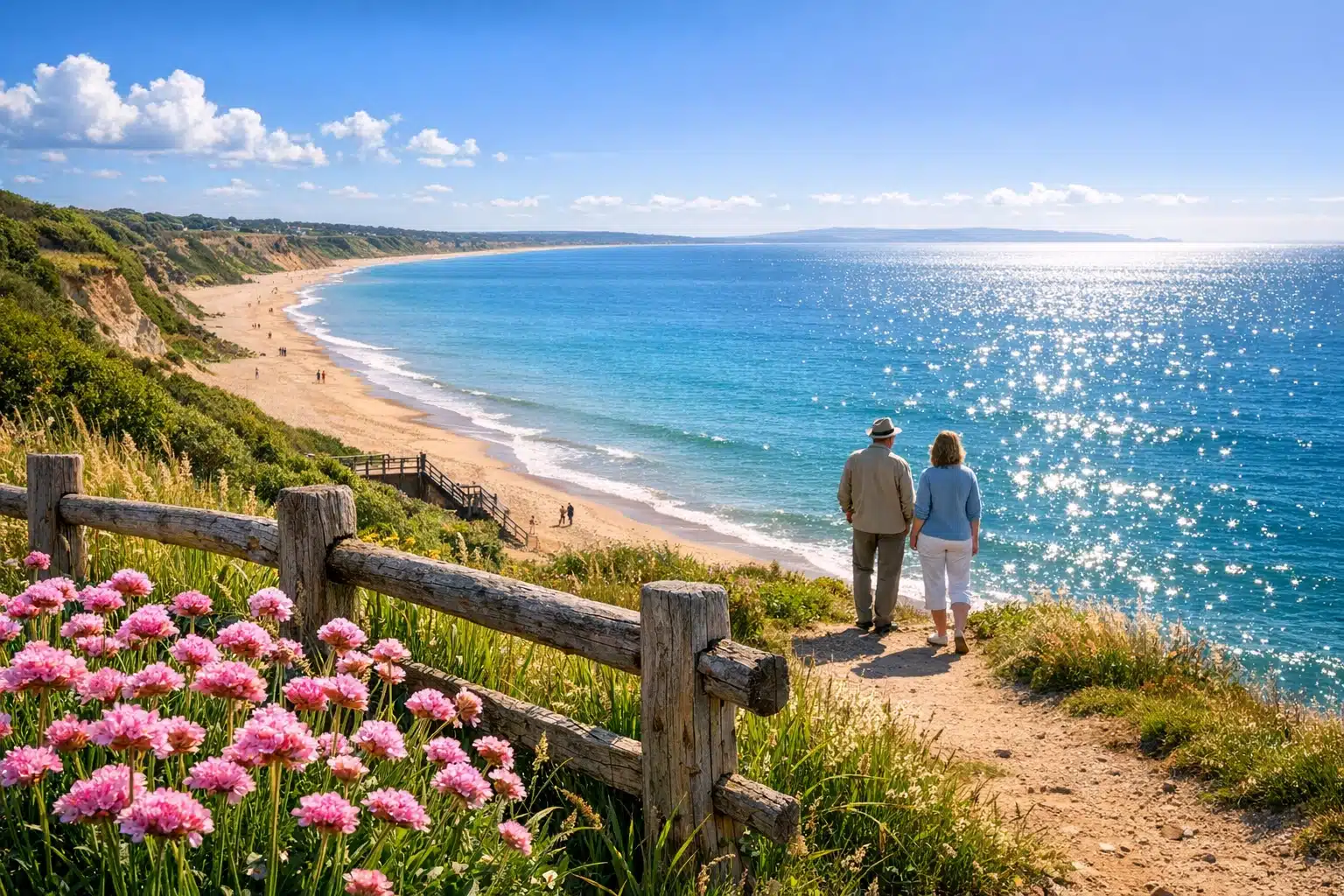
The coastline is the heart of any Highcliffe weekend, and its strength lies in how unforced the experience feels. This is not a seafront that demands constant spending or attention. It invites wandering. One moment you are on higher ground looking out across Christchurch Bay, and the next you are making your way down toward the beach, where the horizon seems to flatten every unnecessary thought. On a clear day, the views can stretch toward the Isle of Wight, and the changing light has a way of making even a simple walk feel cinematic.
Highcliffe Beach itself offers a broad, open setting that feels less compressed than many resort beaches. Instead of an almost theatrical seafront packed with amusements, you get a more natural scene shaped by tide, weather, and season. That difference is important. Visitors who enjoy Bournemouth for its energy may still find Highcliffe a relief precisely because it is quieter. There is more room to hear the surf, more opportunity to settle with a book, and more space for those unplanned stretches of time that often become the best part of the trip.
The surrounding walking routes add another layer. Steamer Point Nature Reserve, just to the west, is excellent for those who want coastal greenery without committing to an all-day hike. Chewton Bunny, a striking coastal chine, gives the landscape texture and a sense of geological character. You can also walk along the coast toward Friars Cliff and Mudeford, or head east in the direction of Barton-on-Sea for broader views and a different mood. None of these routes require advanced ability, which is one reason Highcliffe works well for mixed-age groups.
If you want an easy outdoor plan, a weekend here can be built around small pleasures such as:
- A morning beach walk before the day fills up
- A picnic or takeaway lunch with a sea view
- An afternoon drift through nature reserve paths
- A sunset pause from the clifftop instead of a formal activity
There is something almost corrective about spending time in a place like this. Coastal air, light exercise, and open space are not magic fixes, but they do change the tempo of a short break. Highcliffe’s outdoor appeal is not based on adrenaline or spectacle. It is based on the simple truth that many people want a weekend that leaves them clearer-headed on Sunday evening than they were on Friday afternoon. On that front, Highcliffe performs remarkably well.
Highcliffe Castle, Village Character, and the Cultural Side of the Stay
A weekend in Highcliffe is not only about the beach. One of the area’s strongest assets is Highcliffe Castle, which gives the destination a cultural anchor and a sense of story. Built in the early 1830s for Charles Stuart, 1st Baron Stuart de Rothesay, the house is known for its romantic Gothic Revival style and for incorporating medieval French stonework and stained glass into its design. That alone sets it apart from many coastal weekend bases, where the architecture is pleasant but rarely memorable. Highcliffe offers visitors the chance to combine sea views with an estate that feels layered, distinctive, and quietly grand.
The castle grounds are especially effective in a weekend itinerary because they suit different moods. If the weather is bright, the lawns and surrounding woodland paths invite slow exploration. If the sky turns silvery and the breeze sharpens, the building itself still gives the day focus. Unlike larger heritage attractions that can feel overwhelming in a short stay, Highcliffe Castle is manageable. You can appreciate its history, admire the details, and still have plenty of time left for lunch, a beach walk, or a nearby excursion.
This is where Highcliffe compares favourably with some better-known historic destinations. Corfe Castle, for example, offers dramatic ruins and huge historic presence, but it usually asks more of the visitor in terms of travel time and planning. Christchurch has rich heritage too, especially around the Priory and quay, yet Highcliffe’s advantage is its blend. The castle is not isolated from the rest of the weekend experience. It sits naturally within it, linking coastline, gardens, and village life in one compact setting.
The village itself adds useful charm. You will find practical amenities, places to stop for coffee, casual dining options, and the kind of everyday local rhythm that makes a place feel lived in rather than staged. That matters. Many short-break destinations are enjoyable but oddly transactional; they are designed to receive visitors more than to host a community. Highcliffe still feels like a functioning place first and a destination second, which often gives the visit more authenticity.
For travellers who like a weekend to include both scenery and substance, this combination is valuable. A morning on the beach followed by an afternoon at the castle creates variety without strain. You get heritage without heavy formality, and atmosphere without needing a museum-grade attention span. In other words, Highcliffe understands something many destinations forget: culture on a weekend break works best when it is woven gently into the day rather than presented as homework.
Food, Nearby Excursions, and How to Shape a Balanced Dorset Weekend
One of the smartest reasons to choose Highcliffe is that it functions beautifully as both a destination and a base. You can spend most of your time locally and still feel satisfied, yet a short drive opens up several rewarding options if you want more variety. Christchurch is close by and brings waterside views, independent shops, and historic character. Mudeford offers a more traditional harbour-side atmosphere, with fishing heritage, coastal panoramas, and a relaxed connection to the water. The edge of the New Forest is also within easy reach, making it possible to begin the morning by the sea and spend the afternoon among heathland, ponies, and woodland roads.
That variety helps visitors avoid a common weekend trap: overloading one place with expectations it was never meant to meet. Highcliffe is not a nightlife centre, and that is part of its appeal. If you want shopping on a larger scale or a busier evening scene, Bournemouth is accessible. If you want market-town texture and waterside strolls, Christchurch is close. If you want an entirely different landscape, the New Forest changes the visual language of the trip in under an hour. Highcliffe lets you mix those experiences without forcing you to stay inside the bustle.
Food choices naturally shape the mood of any coastal break, and Highcliffe’s setting lends itself to simple pleasures rather than culinary theatre. A good breakfast, a bakery stop, fish and chips by the sea, a relaxed pub meal, or a seafood-focused lunch nearby can all fit naturally into the weekend. Self-catering also works well here, especially for travellers who value flexibility and cost control. Picking up local provisions and returning to a holiday apartment after a breezy walk can feel more restorative than chasing reservations.
A balanced Highcliffe weekend often works best with a loose structure such as:
- One major local focus each day, such as the beach or the castle
- One optional nearby excursion, not three
- Meals planned around convenience and view, not pressure
- Enough unscheduled time to react to weather and mood
That final point matters more than many guides admit. The best seaside weekends usually leave room for instinct. If the light is perfect at the coast, stay longer. If rain moves in, switch to heritage, cafés, or a nearby town. Highcliffe rewards this flexible approach because everything is close enough to rearrange without frustration. In short, it is ideal for travellers who want Dorset without needing to turn the whole weekend into a logistical spreadsheet.
Conclusion: Who Highcliffe Suits Best and a Simple 48-Hour Escape Plan
Highcliffe is especially well suited to travellers who want their weekend break to feel restorative, scenic, and manageable. Couples will appreciate the clifftop walks, the gentler pace, and the easy opportunities for shared meals with a view. Solo travellers can enjoy the same calm without ever feeling stranded, because the village is practical and nearby excursions are simple to arrange. Small families often find the area more comfortable than larger resorts because the beach and green spaces provide room to spread out without the sensory overload of busier attractions. Older visitors or anyone looking for a less hectic coastal stay may also find Highcliffe particularly appealing.
If you are wondering how to use two days well, the answer is not to cram. A strong 48-hour plan might look like this:
- Saturday morning: arrive, settle in, and walk down to the beach or clifftop paths
- Saturday afternoon: visit Highcliffe Castle and explore the grounds at an easy pace
- Saturday evening: enjoy a relaxed meal locally and end the day with a sunset view
- Sunday morning: head to Mudeford or Christchurch for a change of scene
- Sunday afternoon: return via the coast, pause for coffee, and leave without feeling rushed
That structure works because it respects what Highcliffe does best. It does not try to turn the area into a theme park, a nightlife hub, or an endurance challenge. Instead, it uses the destination for what it genuinely offers: sea air, attractive surroundings, worthwhile heritage, and convenient links to neighbouring highlights. In travel terms, that honesty is refreshing. Highcliffe does not need to oversell itself. It simply delivers a better version of the classic British weekend by the coast.
For readers considering where to go next for a short Dorset escape, Highcliffe is a strong choice if your priorities are comfort, atmosphere, and ease. It may not shout as loudly as some better-known seaside names, but that is part of its charm. This is a place for travellers who like room to think, time to wander, and a view that improves the day without asking much in return. If that sounds like your idea of a good weekend, Highcliffe is not just suitable. It is quietly ideal.