Exploring Lisbon: Historic Streets, Scenic Views, and Coastal Charm
Lisbon is the kind of city that reveals itself in layers: a tiled facade, a sudden river view, the sound of a tram rounding a narrow bend. Its appeal comes from the way history and daily life occupy the same ground, from medieval lanes in Alfama to the orderly avenues rebuilt after disaster. For modern travelers, that contrast makes Portugal’s capital easy to enjoy yet rewarding to study closely. This guide looks at where Lisbon’s character feels strongest and why its streets, hills, and shoreline continue to matter.
Outline:
- How Lisbon’s past shaped its most distinctive streets and urban form
- Why the city’s hills and viewpoints are central to the experience
- What different neighborhoods reveal about local culture and daily life
- How the riverfront and nearby coast deepen Lisbon’s maritime identity
- Which practical choices help visitors explore the city with context and ease
Historic Streets and the Many Lives of the City
Lisbon rewards walking not because it is simple, but because its streets act like an archive you can move through at human speed. A short route can carry you from Roman foundations to Moorish street patterns, from grand imperial ambition to post-earthquake planning. That layered urban history is one of Lisbon’s greatest strengths. Portugal’s capital was shaped by successive civilizations, and each left marks that are still visible in the street plan, building style, and neighborhood atmosphere. The city was ruled by the Romans, then by Muslim powers for centuries, and later expanded under Christian rule after the twelfth century. In the sixteenth century, maritime wealth transformed Lisbon into one of Europe’s most important ports. Then the earthquake of 1755, followed by fire and a tsunami, destroyed much of the lower city and forced a radical rethink of urban design.
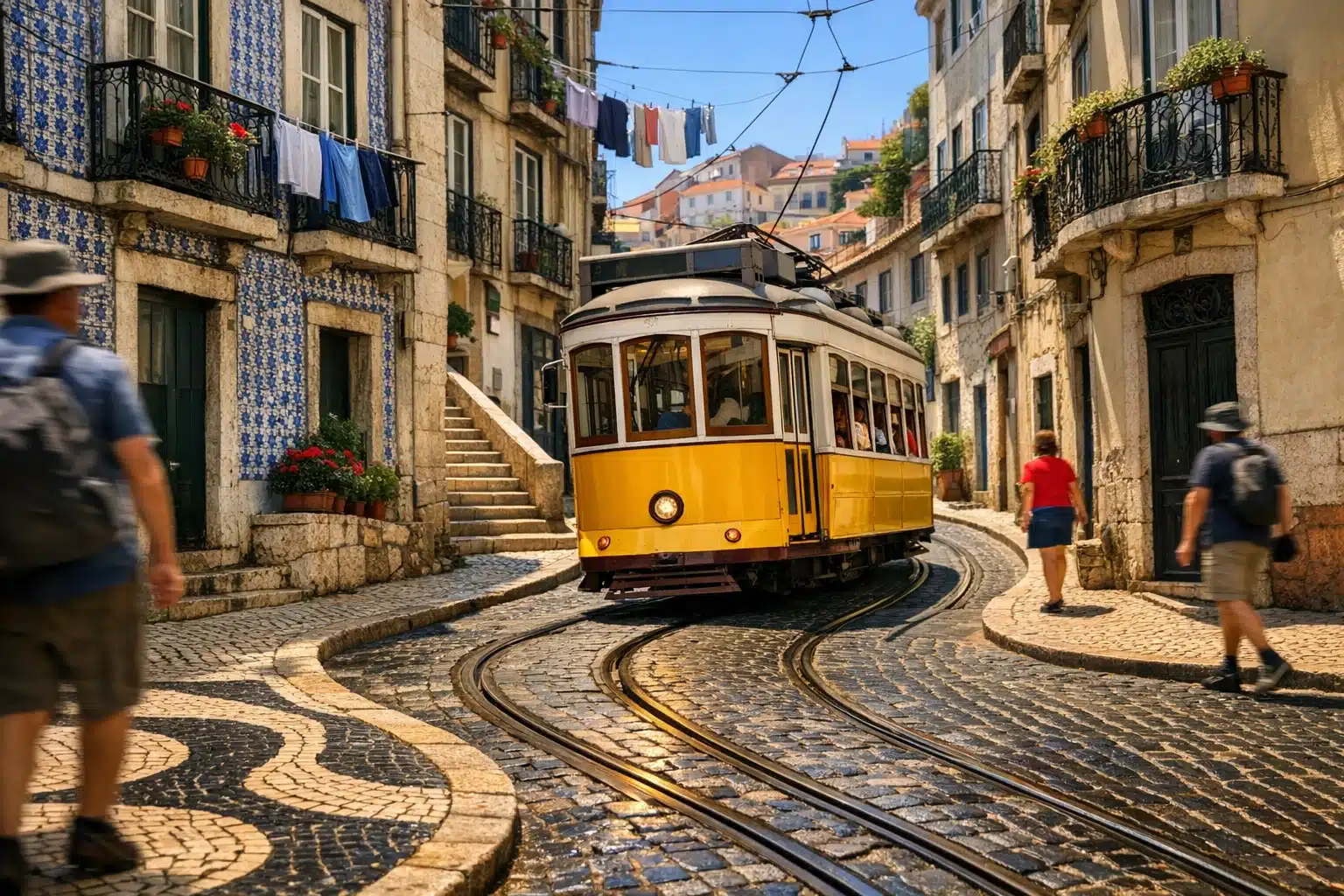
The best place to understand that contrast is the relationship between Alfama and Baixa. Alfama, which survived the earthquake more successfully than flatter districts, keeps a maze-like structure of tight lanes, small staircases, irregular plots, and hidden courtyards. It feels intimate, improvised, and old in the truest sense. Laundry hangs above passageways, old stone catches the afternoon light, and church bells seem to travel through walls. Baixa, by comparison, reflects Enlightenment order. Rebuilt under the direction of the Marquis of Pombal, it introduced a rational grid, broader streets, and early anti-seismic construction methods. Walking from Alfama into Baixa is like shifting from handwritten text to a carefully ruled page.
Several features make these streets memorable beyond their age:
- Calçada portuguesa, the patterned black-and-white stone pavement, gives even ordinary sidewalks a crafted look.
- Azulejos, the glazed ceramic tiles seen on facades and interiors, add color and a visual link to Portuguese decorative traditions.
- Public squares such as Rossio and Praça do Comércio create breathing space after Lisbon’s tighter passages.
These are not merely pretty details. They explain how Lisbon operates emotionally. The city alternates compression and release, shadow and openness, steep ascent and sudden plaza. That rhythm is one reason visitors often remember the walk between places as vividly as the monuments themselves. Even when the route is uneven or demanding, it rarely feels empty of meaning. Lisbon’s historic streets do not just connect attractions; they are the attraction, and they tell the story of a city that learned how to endure, adapt, and keep its texture intact.
Scenic Views, Steep Hills, and the Geography of Surprise
Lisbon’s views are not a decorative extra. They are a core part of how the city is built and how it is understood. The old idea that Lisbon stands on seven hills is more poetic than exact, but it captures a basic truth: elevation shapes daily life here. Streets climb abruptly, stairs appear where you expected a sidewalk, and neighborhoods reveal themselves in terraces rather than flat blocks. As a result, the city has developed a culture of lookout points, or miradouros, that function as public living rooms. These spaces are not isolated observatories meant only for tourists. They are places where residents talk, rest, drink coffee, watch the light change, and measure time by the river below.
One reason Lisbon’s viewpoints feel so dramatic is the broad Tagus estuary. Because the water opens so wide near the city, many vistas seem larger than what people expect from a riverfront capital. The light bounces off water, pale stone, and tiled facades, giving Lisbon a clear, reflective brightness that painters and photographers often comment on. In practical terms, this means a viewpoint at midday can look entirely different from the same place at sunset. Morning light often sharpens detail, while late afternoon softens the city into warm tones of gold, peach, and faded terracotta.
Some of the most rewarding miradouros each offer a different mood:
- Miradouro de Santa Luzia is known for bougainvillea, tile panels, and a romantic view over Alfama.
- Portas do Sol opens broadly toward red roofs and the river, making it especially strong for first-time visitors.
- Miradouro da Senhora do Monte sits higher and feels more expansive, with wide city panoramas.
- São Pedro de Alcântara frames the castle and historic center in a way that helps you read the city’s layout.
Transport in Lisbon also turns geography into experience. Tram 28 is famous not just because it is old, but because it threads through hills and historic districts in a way modern transit rarely can. The city’s funiculars and the Santa Justa Lift similarly respond to terrain rather than ignoring it. Compared with flatter capitals, where movement can feel efficient but visually repetitive, Lisbon makes elevation part of the narrative. You earn the view here, even if a tram helps with the climb.
There is something quietly theatrical about stepping out of a steep lane and finding the whole city suddenly arranged before you. Roofs stack like folded paper, church domes rise from the dense urban fabric, and the 25 de Abril Bridge stretches across the water with a confidence that anchors the horizon. Lisbon’s scenic charm comes from these reveals. It rarely gives everything away at once, and that restraint makes each lookout feel discovered rather than delivered.
Neighborhood Character: From Fado Alleys to Literary Cafés
To understand Lisbon fully, it helps to stop thinking of it as a single city mood. It is more accurate to see it as a collection of neighborhoods with different tempos, social histories, and ways of occupying public space. The distance between them is often short, but the atmosphere can change within minutes. Alfama may feel devotional and inward, with chapels, viewpoints, and old stairways folded into its fabric. Chiado, by contrast, carries a more polished and intellectual identity, shaped by theaters, bookshops, historic cafés, and the memory of writers and artists who treated the district as a cultural stage. Bairro Alto is relatively quiet by day, then transforms at night as bars, music venues, and late conversation spill into the streets. Mouraria adds another layer: multicultural, dense, and historically associated with fado, it reflects Lisbon’s long pattern of exchange and migration.
Fado is central to this discussion because it gives emotional language to the city’s social geography. Recognized by UNESCO as Intangible Cultural Heritage in 2011, fado is often described through saudade, a Portuguese term linked to longing, memory, and tenderness. That description is useful, but incomplete. In Lisbon, fado is also urban. It belongs to taverns, narrow streets, late meals, and the kind of listening that asks people to pause. Hearing it in the right setting can change how a neighborhood feels, because suddenly the buildings are not just old; they are resonant.
What makes Lisbon especially engaging is the contrast between districts that preserve tradition and those that reinterpret it. In Chiado, elegant facades and restored interiors suggest continuity, yet the area remains active rather than museum-like. In Mouraria, older forms of community coexist with newer businesses and international influences. This balance is not always perfect, and debates about housing pressure, tourism, and gentrification are real. Still, for visitors, that tension is important to notice. It reminds us that Lisbon is not a themed backdrop but a working capital where history, commerce, nightlife, worship, and domestic life overlap.
For a richer neighborhood experience, it helps to notice small patterns:
- Local groceries, bakeries, and kiosks often reveal more about daily rhythm than major landmarks do.
- Street art in selected areas can sit beside centuries-old walls without erasing their character.
- Public benches, tiny squares, and corner viewpoints show how social life in Lisbon often unfolds outdoors.
The city’s charm deepens when you move beyond a checklist and allow districts to introduce themselves gradually. In one quarter you may hear dishes clatter through an open window; in another, you may find a refined bookstore a few steps from a graffiti-covered alley. That is not contradiction. It is Lisbon’s normal state: cultured without stiffness, worn without being diminished, and always slightly more complex than the postcard version suggests.
Riverfront Energy and the Coastal Pull Beyond the Center
Lisbon would still be compelling without the water, but it would not be the same city. The Tagus gives Lisbon scale, orientation, and historical meaning. It was through this estuary that ships departed during the Age of Discovery, linking Portugal to trade routes and colonial networks that reshaped world history. Today the river remains central, though its role has shifted from commercial power to civic identity, recreation, and visual drama. Stand at Praça do Comércio and the city appears to open outward rather than close in on itself. Unlike inland capitals, where the urban core often presses tightly around administrative or financial buildings, Lisbon allows the horizon to participate in the experience.
Belém is the clearest expression of Lisbon’s maritime memory. Located west of the center, it holds some of the city’s most important monuments, including Jerónimos Monastery and Belém Tower, both recognized as UNESCO World Heritage Sites. Nearby, the Monument to the Discoveries reflects a later twentieth-century interpretation of Portugal’s seafaring past. Together, these sites invite admiration but also reflection, since they connect grandeur with the complicated legacies of empire. Belém also shows how Lisbon handles tourism at its best: major landmarks exist beside gardens, museums, river promenades, and places to sit rather than rush.
The riverfront closer to central Lisbon has changed significantly in recent decades. Areas such as Ribeira das Naus and Cais do Sodré have become more walkable and socially active, giving both residents and visitors easier contact with the water. The result is a city that feels less turned away from its shoreline than some historic ports do. You can stroll, watch ferries cross, see the bridge in changing light, and understand why Lisbon often feels airy even when its streets are compact.
For travelers with extra time, the coast expands the story:
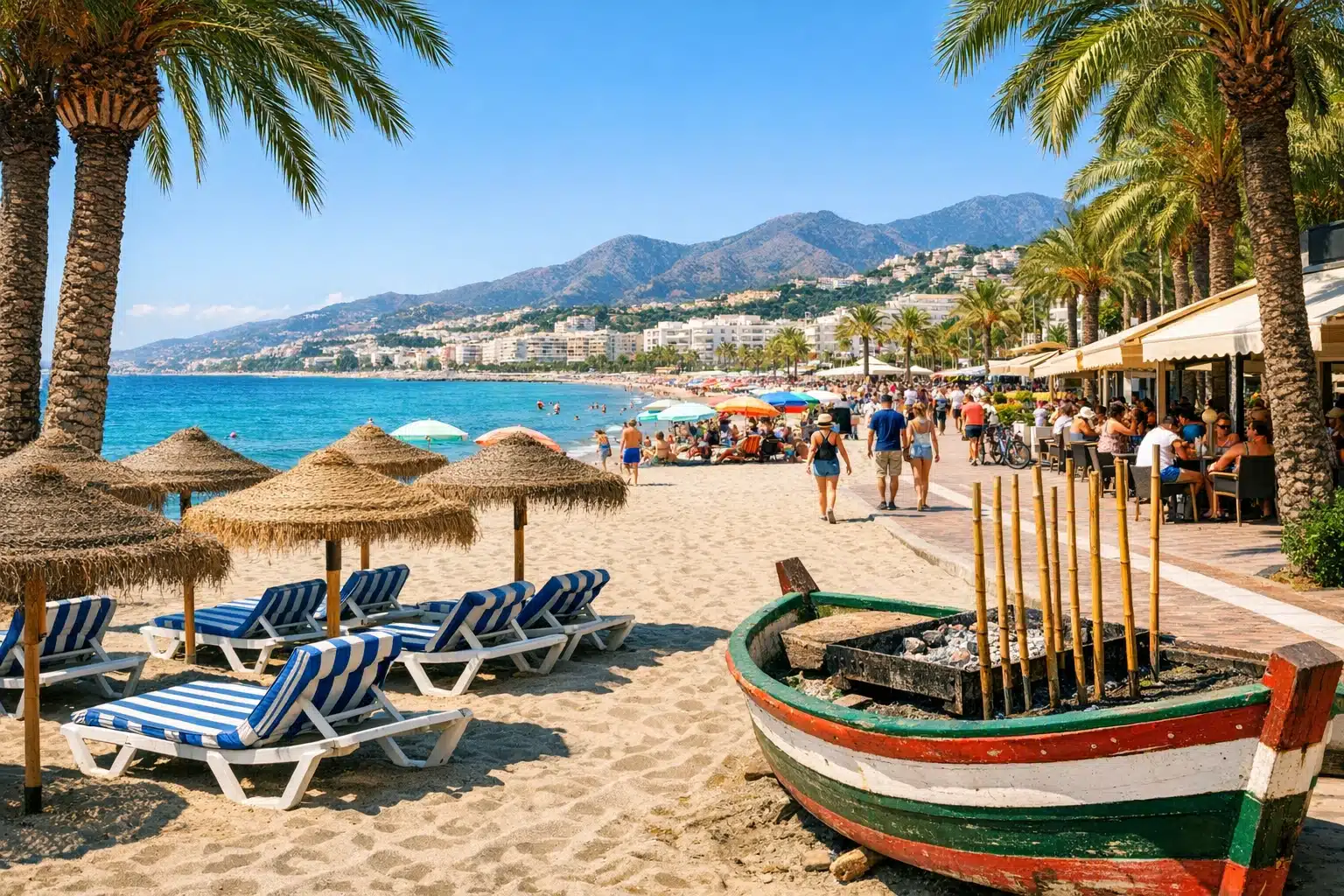
- Cascais, reached by suburban train from Cais do Sodré in roughly 40 minutes, offers beaches, a marina, and a more relaxed seaside atmosphere.
- Estoril adds a gentler resort feel and an elegant shoreline promenade.
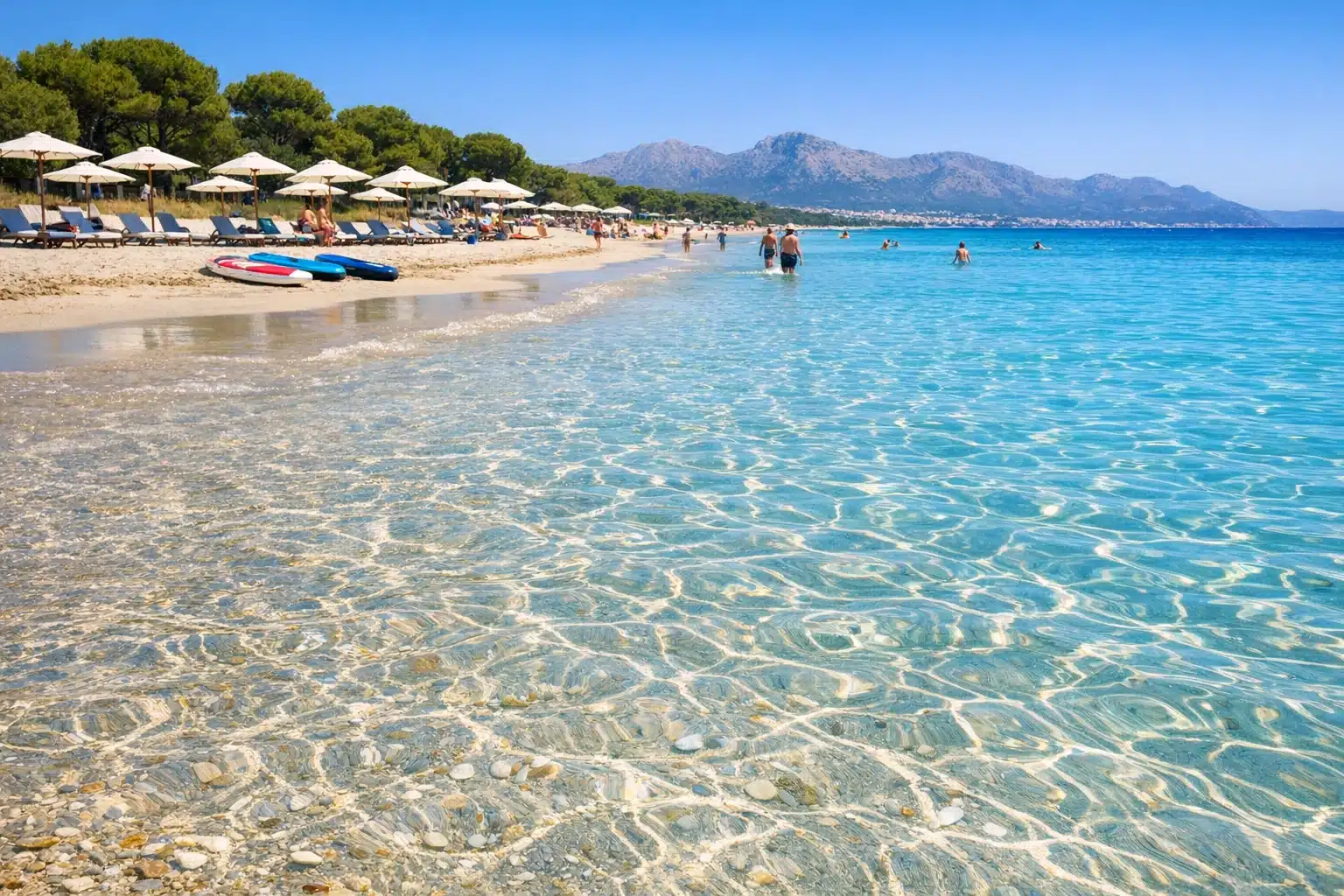
- Costa da Caparica, on the opposite side of the river, appeals to those who want longer sandy stretches and a stronger Atlantic mood.
These places matter because they show that Lisbon is not only a hill city of trams and miradouros. It is also a city with salt in the air and an outward-facing temperament. The center gives you stone, bells, tiles, and memory; the coast adds wind, horizon, and a looser rhythm. Taken together, they explain Lisbon’s special balance. It can feel historic without becoming heavy, and coastal without losing urban substance. Few capitals move between those identities so smoothly.
Conclusion for Travelers: How to Experience Lisbon Well
For first-time visitors, Lisbon works best when approached as a city to inhabit rather than conquer. Its attractions are real and worth seeing, but the deeper pleasure comes from combining structure with drift. A morning may begin at a major monument and still be improved by an unplanned detour through a stairway, a local market, or a small garden viewpoint. That flexibility is especially useful in Lisbon because distance on a map rarely tells the whole story. Hills, tram lines, crowds, and sunlight all affect the pace of a day. The most satisfying itineraries leave room for adjustment.
Season matters. Spring and early autumn are often the easiest times to explore, with mild weather and strong light that suits walking. Summer brings long days and a festive energy, but also higher temperatures and heavier visitor numbers in the most famous districts. Winter is quieter and can be appealing for travelers who prefer museums, cafés, and lower pressure, though rain is more likely. Whatever the season, comfortable shoes are not optional. Lisbon’s stone pavements can be slippery, and the city’s beauty often lies at the top of a climb.
Practical choices can noticeably improve the experience:
- Use public transport strategically rather than constantly. Trams, metro lines, ferries, and funiculars are most useful when they save energy for the areas you want to explore on foot.
- Start popular spots early. Places such as Alfama viewpoints, Belém monuments, and well-known tram routes are calmer in the morning.
- Balance iconic districts with quieter streets. Even a short walk away from the busiest corners can reveal a more relaxed Lisbon.
- Respect residential areas by keeping noise down at night, especially in older neighborhoods with full-time local populations.
If you have only a couple of days, think in layers rather than lists: one layer for history, one for views, one for neighborhood life, one for the river or coast. That approach produces a fuller memory than racing between sites. Travelers who enjoy architecture, food, photography, literature, music, or urban history will all find a way into Lisbon because the city offers multiple entry points without losing coherence.
In the end, Lisbon is memorable not because it performs for visitors, but because it continues being itself in front of them. The historic streets still carry routine as well as heritage. The viewpoints still belong to residents as much as to cameras. The coast remains close enough to remind the city that openness is part of its identity. For anyone planning a thoughtful trip, that is the real value of Lisbon: it feels welcoming, but it also asks to be noticed carefully.